Best Exhaust Sounds for Street Use (2026): Based on Specs and Reviews
The best aftermarket exhaust sound here is the peastorm valved cat-back for a 2015–2021 Golf MK7 / MK7.5 GTI, because a cat-back usually makes the biggest sound change and the valved layout gives you more control over volume and drone. Pick wrong, and you can end up with rasp, boom, cabin fatigue, or a system that sounds good only at idle. This guide ranks exhaust sound by character and use case, explains why the same setup can work on one car and fail on another, and helps you choose for street use.
Quick comparison
| Product | Badge | Best for | Price | ||
|---|---|---|---|---|---|
 | Drynochet 3" Ultra Quiet Resonator 304 Stainless SteelDrynochet | Our pick | 3" Inlet/Outlet · Stainless Steel · Universal Fit | $64.99 Price as of 3 Nov 2026 | View |
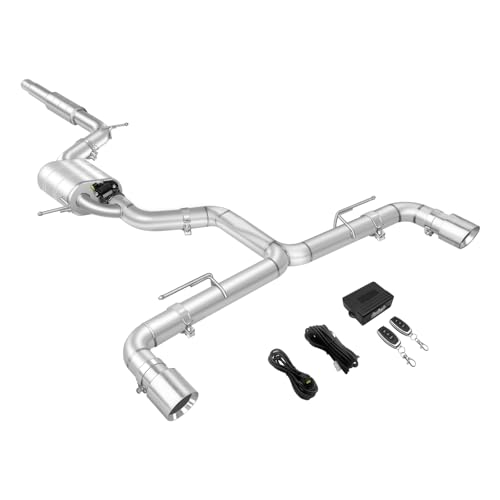 | Catback Exhaust Systempeastorm | Upgrade pick | Golf MK7/MK7.5 · Stainless Steel · Valved System | $469.99 Price as of 3 Nov 2026 | View |
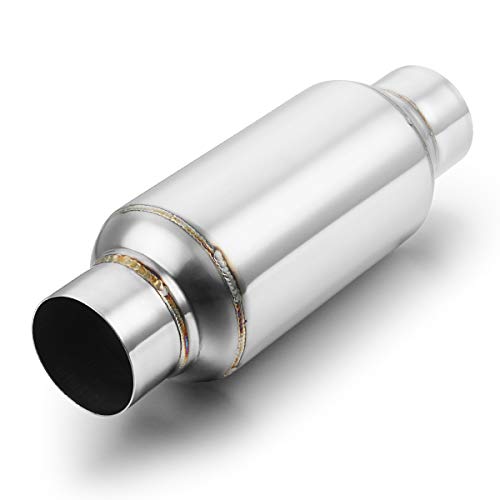 | A-KARCK 2.5" Inlet Exhaust ResonatorA-KARCK | Budget pick | 2.5" Inlet · 11.5" Length · Stainless Steel | $36.99 Price as of 3 Nov 2026 | View |
 | Upower Pack of 2 Dual Exhaust Tip Tailpipe 2.5 Inch InletUpower | Also great | 2.5" Inlet · 3.5" Outlet · Dual Pack | $71.99 Price as of 3 Nov 2026 | View |
This comparison is based on sound character, cabin livability, and fitment scope, not loudness alone. A louder exhaust can still be the worse choice if it adds drone at cruising rpm.
How we chose
The picks below favor tone quality, drone control, and how much of the exhaust path each system changes. Cat-back systems usually create a bigger sound change than axle-back systems because they replace more of the exhaust behind the catalytic converter.
We also weighed material and layout. T-304 stainless steel is a premium corrosion-resistant material, but it affects durability more than note. Muffler design, resonators, and pipe layout shape the sound more than the metal alone.
Finally, each pick had to fit a distinct use case: deeper street tone, loud track-style character, cleaner high-pitch behavior, or daily-driver comfort. That matters because the best aftermarket exhaust sound depends on the platform, the layout, and how much drone you can tolerate.
What makes an exhaust sound good?
A good exhaust sounds balanced outside the car and livable inside it. Tone, pitch, and rasp all matter. Drone does too, because cabin resonance at cruising rpm can wear you down fast.
Engine type and exhaust layout change the result. Two systems can sound radically different on the same car if one uses a straight-through muffler and the other uses chambers, resonators, or a different pipe merge.
Exterior sound versus cabin sound
Some systems sound clean from behind the car but tiring on the highway. Others are louder outside and calmer inside because the design controls resonance instead of simply opening the exhaust up. That is why the best-sounding exhaust is not always the loudest one.
For street use, a deeper tone is usually the safer bet. It tends to sound muscular without a huge volume jump, especially when the system uses a resonator or a chambered muffler to keep the note controlled.
Exhaust sound selector
| Sound goal | Ideal muffler type | Pipe layout | Resonator need | Caution note |
|---|---|---|---|---|
| Deep / low-drone | Chambered muffler | Moderate pipe diameter with restrained bends | Often helpful | Can still drone on some cars if rpm hits a strong resonance band. |
| Aggressive / track-loud | Straight-through muffler | Freer-flowing layout with fewer restrictions | Usually optional | May add cabin resonance and a harsher note at cruise. |
| Refined / high-pitch | Straight-through muffler with X-pipe | X-pipe layout | Often needed for rasp control | Can sound sharp or metallic if the rest of the system is too open. |
| Daily-driver friendly | Chambered or valved muffler | Cat-back with conservative diameter | Recommended | Focus on cabin comfort first; loudness alone can backfire on long commutes. |
Say your commute includes a steady 70 mph cruise and a 2,000 to 2,300 rpm drone zone. A system that sounds great at idle but booms there is the wrong choice, even if it wins on cold start.
Cat-back vs axle-back
A cat-back replaces everything from the catalytic converter back, while an axle-back replaces only the muffler and tips. That is why cat-back systems usually sound more dramatic and why axle-back systems are often quicker to install but less transformative.
Cat-back systems are common upgrades for daily drivers and enthusiasts because they can change tone, volume, and sometimes performance. Axle-back systems are better when you want a moderate tone change without rewriting the entire exhaust path.
What each one changes
- Cat-back: bigger sound change, broader tonal shift, more parts involved.
- Axle-back: smaller sound change, simpler install, focused on rear muffler behavior.
- Daily use: cat-back for a stronger step up; axle-back for a milder, safer move.
The mistake is treating them as equal. They are not. If you want the best aftermarket exhaust sound for a street car, a cat-back is usually the better starting point because the rest of the system has more to do with the final note.
Mufflers and pipes change the note
Straight-through mufflers cut flow restriction and often sound deeper or louder under throttle, but they can add drone if the rest of the system is not tuned well. Chambered mufflers create a rumbling tone and often reduce drone compared with straight-through designs, though they are not drone-proof.
Resonators help shape exhaust sound and control rasp. X-pipes are often associated with a higher-pitched sound, while H-pipes usually produce a deeper, lopey muscle-car tone. The same car can move from refined to harsh with one pipe change.
Material matters, but not for tone as much as layout
T-304 stainless steel is a premium choice because it has high corrosion resistance and long service life. It is a durability pick first. It does not, by itself, guarantee a better note.
A common buyer mistake is chasing stainless steel and forgetting the acoustic parts. Muffler design, resonator choice, and pipe layout shape the sound far more than material alone.
How to choose by driving style
Daily drivers should put drone first. Weekend cars can accept more volume and sharper edge. Track-focused builds can live with a louder, more aggressive note if the owner accepts cabin noise and local rules.
Picture a sedan with a straight-through axle-back and no resonator. It may sound strong pulling away from a stop, then boom on the freeway. Add a resonator or step up to a better-tuned cat-back, and the note can stay aggressive without wearing you down.
Daily driver
Choose a system with a resonator, a chambered muffler, or a valved design if available. You want a deeper tone with less drone, not the loudest possible startup.
Weekend car
Look for stronger exterior presence and a more pronounced tone change. A cat-back usually makes more sense than an axle-back because the larger swap gives you more control over the final sound.
Track-focused build
A straight-through layout can fit this use case, especially with an X-pipe if you want a sharper, higher-pitched note. Check your local noise limits before you buy.
Budget-conscious buyer
An axle-back or a resonator upgrade can be a smarter spend than a full system. You get a smaller but still real shift in sound, and you can keep the car more civil on long drives.
Which one should you buy?
For the biggest sound change, choose the peastorm cat-back. For the most direct drone control, the Drynochet resonator is the safest bet. For fitment and tone cleanup, the A-KARCK resonator is the tidy middle ground. For tip styling with a modest rear-end change, the Upower tip set is the lightest touch.
Legal and inspection risk also matters. Local noise rules and emissions compliance vary by area, so check your own requirements before changing the exhaust path. A louder setup is not automatically a legal one.
Peastorm cat-back: best for the strongest overall change
- Specifically designed for 2015–2021 Golf MK7 / MK7.5 GTI
- Features an advanced remote with three buttons
- Crafted from high-quality 304 stainless steel
This is the pick for a Golf MK7 / MK7.5 GTI owner who wants the biggest sound shift from a single upgrade. It is a cat-back, so it replaces more of the system than an axle-back and can change tone more dramatically. The 304 stainless steel construction is a plus for durability.
What stands out is the valved layout, which gives you a path toward more control over volume and cruise behavior. That makes it a better fit for street use than an open, always-loud setup.
The drawback is fitment. It is specific to 2015–2021 Golf MK7 / MK7.5 GTI, so it is not a universal answer for every car.
Drynochet ultra quiet resonator: best for drone control
- Eliminates exhaust drone and harsh noise
- Resists rust, corrosion, and extreme temperatures
- Maintains maximum horsepower and torque
This is the best choice when your main goal is to calm drone and harshness without chasing maximum volume. The straight-through design is meant to keep flow moving, and the product details point to noise reduction rather than brute loudness.
It is a smart add-on for a daily driver that already sounds good outside but feels busy inside the cabin. For many buyers, that is the real problem: the car is acceptable at idle, then tiring at highway speed.
The drawback is obvious. A resonator can refine the note, but it will not create the full cat-back transformation that many shoppers expect when they hear “best aftermarket exhaust sound.”
A-KARCK 2.5-inch resonator: best for rasp cleanup
- Designed to dampen exhaust noise and clear up rasp
- Straight through design allows for high flow
- Stainless steel construction provides durability
This resonator is aimed at buyers who want to dampen exhaust noise and clear up rasp. Its straight-through design should help flow, while the 11.5-inch overall length gives it more room to shape the note than a tiny canister would.
It is a practical option if your exhaust already has the right volume but the wrong texture. A car can be loud and still sound cheap; this kind of part is for the texture problem, not the volume problem.
The drawback is that universal fit parts need confirmation. Check inlet and outlet size against your specific exhaust before ordering.
Upower dual exhaust tips: best for mild cosmetic change
- Double wall slant angle cut tail pipe tip
- Made of high-quality mirror polished stainless steel
- Universal fits 2.5 inch inlet exhaust tail pipes
This is the lightest sound-related change in the group. Exhaust tips can alter the appearance and may slightly affect the tail end of the note, but they do not replace a muffler or resonator.
It is a sensible choice if you want the look of a dual outlet without turning the car into a louder commuter. The double-wall stainless construction also gives it a cleaner finish than a basic tip.
The drawback is that it is not a real tone solution for shoppers chasing deeper sound, reduced drone, or a more aggressive exhaust character.
What is the best aftermarket exhaust sound?
The best aftermarket exhaust sound is the one that matches your engine layout, your cabin-drone tolerance, and your use case. For most street drivers, that means a deeper tone with controlled volume rather than the loudest possible setup. A cat-back usually gets you there better than an axle-back.
Brand shopping helps, but it should not replace the acoustic test. Borla, MagnaFlow, Flowmaster, Corsa, and MBRP all sell systems with different sound characters, so the right one depends on whether you want deeper tone, sharper pitch, or lower drone.
What car has the best exhaust sound?
There is no single best-sounding car, because exhaust sound depends on engine layout, displacement, firing order, turbo setup, and the rest of the exhaust path. A V8 with an H-pipe, for example, will not sound like a turbo four with a straight-through muffler.
The better question is which platform gives you the sound character you want with the least unwanted drone or rasp. That is why the same exhaust can sound excellent on one car and wrong on another.
Frequently asked questions
What is the best aftermarket exhaust for sound?
The best aftermarket exhaust for sound is usually a cat-back that matches the car’s engine layout and the owner’s drone tolerance. For many street setups, a deeper tone with moderate volume wins over a loud system that sounds harsh inside the cabin.
Which aftermarket exhaust sounds deepest without drone?
Systems with chambered mufflers, resonators, or valved sections usually have the best chance of sounding deep without too much drone. That said, drone still varies by vehicle and cruising rpm, so no layout is guaranteed to stay quiet in every cabin.
Which exhaust brand makes the loudest aftermarket exhaust?
Loudness depends on the specific model, not the brand name alone. Borla, MagnaFlow, Flowmaster, Corsa, and MBRP all make products with different tone goals, so you should compare the exact system design instead of assuming one brand is always the loudest.
How do I choose between Borla, MagnaFlow, and Flowmaster?
Start with the sound character you want. Borla and Corsa are often discussed for tuned, controlled sound; MagnaFlow is commonly associated with a cleaner street note and, in some listings, no-drone language; Flowmaster is often tied to chambered-muffler character. Compare the exact model, not just the logo.
Can an exhaust sound good without being obnoxiously loud?
Yes. A good exhaust can sound full and deep without being too loud if the system uses the right muffler design, enough resonator control, and a pipe layout that avoids resonance. Loudness alone is a weak measure of quality.
Do cat-back exhausts sound better than axle-back systems?
Often, yes. Cat-back systems usually sound more dramatic because they replace everything from the catalytic converter back, while axle-back systems only replace the muffler and tips. That extra scope gives the cat-back more influence over tone and volume.