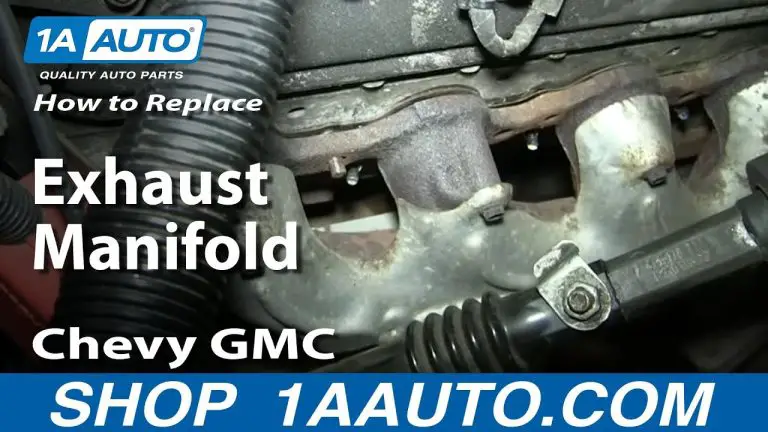
Are Exhaust Manifold Gaskets Necessary: Essential Insights
Are you wondering if exhaust manifold gaskets are truly necessary for your vehicle? You’re not alone.
Many car owners find themselves puzzled over this seemingly small yet crucial component. At first glance, an exhaust manifold gasket might seem like just another piece of the complex machinery puzzle. But overlooking its importance could lead to bigger problems down the road.
Imagine having a smoother, quieter ride and avoiding costly repairs. Sounds appealing, right? We’ll unravel the mystery behind exhaust manifold gaskets and why they play a vital role in your vehicle’s performance. Stick around to discover how this tiny component could save you from major headaches and keep your car running at its best.
Function Of Exhaust Manifold Gaskets
Exhaust manifold gaskets play a vital role in vehicle engines. These components ensure your engine runs smoothly and efficiently. They prevent harmful gases from leaking into the atmosphere or cabin. Understanding their function is crucial for maintaining engine health.
Exhaust manifold gaskets seal the connection between the exhaust manifold and engine block. This seal prevents gases from escaping the engine system. When gases leak, engine efficiency drops significantly. The engine must work harder, consuming more fuel.
Preventing Leaks And Ensuring Safety
Exhaust manifold gaskets guard against harmful gas leaks. Carbon monoxide is one such dangerous gas. If it enters the vehicle cabin, it poses health risks. Proper sealing keeps passengers safe and minimizes environmental impact.
Maintaining Engine Performance
These gaskets are essential for maintaining engine performance. They ensure combustion byproducts are expelled correctly. Without a proper seal, backpressure disrupts engine cycles. This reduces power output and increases wear on engine components.
Reducing Noise And Vibration
Exhaust manifold gaskets also dampen engine noise. They absorb vibrations from engine operations. A tight seal minimizes sounds and vibrations, providing a smoother ride. This feature enhances driving comfort and reduces stress on vehicle parts.
Extending Engine Lifespan
Properly functioning gaskets contribute to engine longevity. They prevent overheating by ensuring efficient exhaust flow. An overheated engine faces more wear and potential damage. Thus, a good seal helps preserve engine life.
Types Of Exhaust Manifold Gaskets
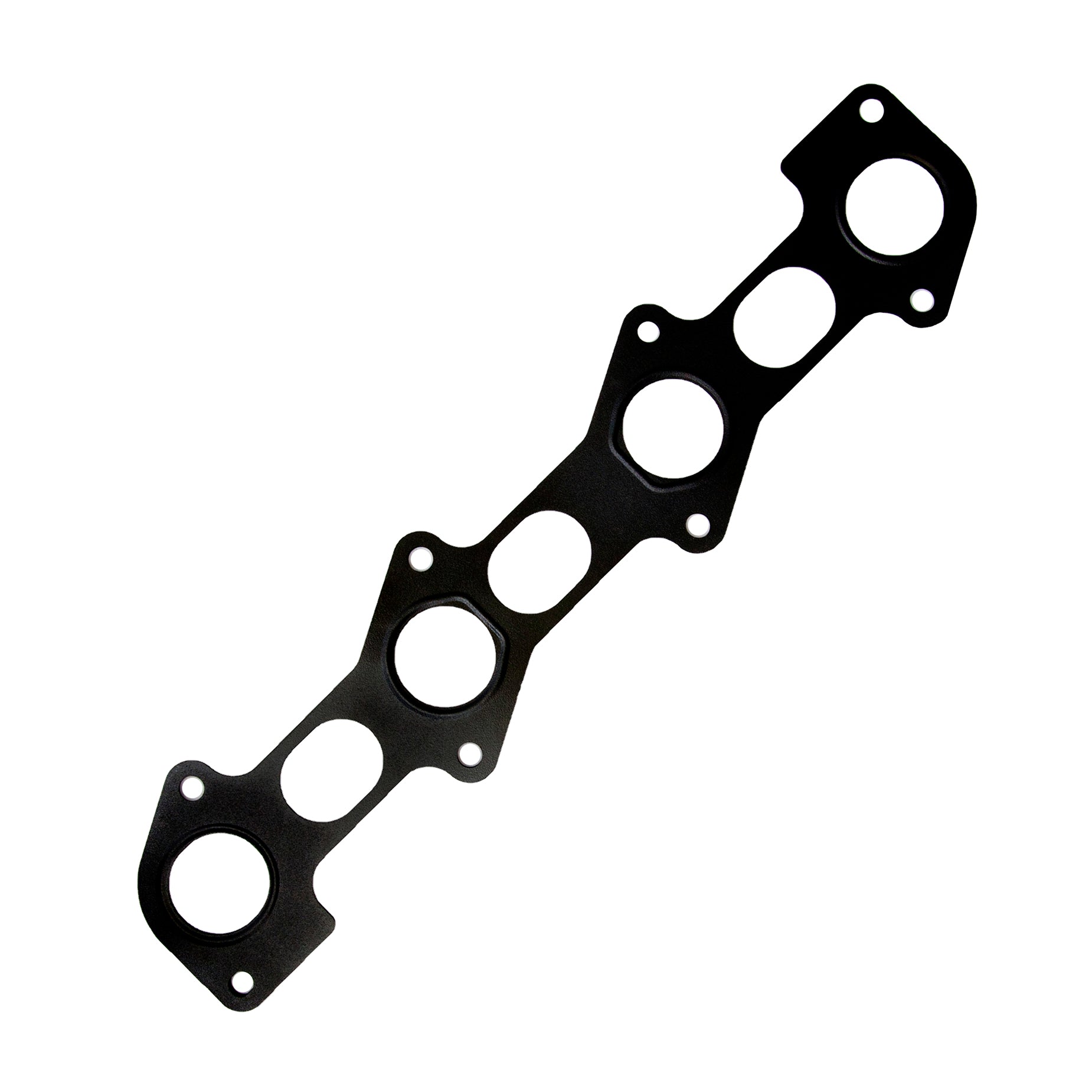
Exhaust manifold gaskets are essential components in a vehicle’s exhaust system. They form a seal between the exhaust manifold and the engine block. This prevents harmful gases from leaking. Understanding the types of exhaust manifold gaskets helps in choosing the right one. Each type has unique features and benefits. Let’s explore these options.
Composite Gaskets
Composite gaskets are made from materials like asbestos or fibrous composites. They offer excellent sealing at high temperatures. These gaskets are flexible and adapt to surface irregularities. They are cost-effective and widely used in many vehicles. Composite gaskets are suitable for everyday driving needs.
Metallic Gaskets
Metallic gaskets are crafted from steel, copper, or aluminum. They provide durability and high-temperature resistance. These gaskets are ideal for high-performance engines. They withstand pressure and reduce the risk of blowouts. Metallic gaskets offer a long-lasting solution for tough conditions.
Graphite Gaskets
Graphite gaskets are known for their excellent heat resistance. They can handle extreme temperatures without degrading. These gaskets create a strong seal and are flexible. Graphite gaskets are often used in performance vehicles. They ensure a reliable seal under demanding conditions.
Signs Of A Failing Exhaust Manifold Gasket
Exhaust manifold gaskets play a crucial role in your vehicle. They seal the connection between the engine and the exhaust system. A failing gasket can lead to various issues. Recognizing these signs early can prevent costly repairs. Here’s what you need to watch for.
Unusual Engine Noise
A common sign of a failing gasket is unusual noise. You may hear a tapping or hissing sound. This noise often comes from the engine area. It happens because the gasket is not sealing properly. The escaping gases create this distinct sound.
Reduced Engine Performance
A failing gasket can affect engine performance. You might notice a decrease in power. The engine may feel sluggish. This happens because exhaust gases are not routed correctly. The engine can’t perform at its best without proper exhaust flow.
Visible Exhaust Leaks
Look for visible exhaust leaks around the manifold. You might see smoke or soot marks. These are clear signs of a gasket problem. Leaks can lead to dangerous fumes entering the cabin. It’s crucial to address this issue quickly for safety.

Impact On Engine Performance
Exhaust manifold gaskets are crucial for maintaining engine performance. They prevent leaks that can reduce efficiency and power. A well-sealed exhaust manifold ensures optimal exhaust flow, directly impacting engine output.
The exhaust manifold gasket plays a critical role in engine performance. It seals the connection between the exhaust manifold and the engine. This seal prevents exhaust leaks and ensures efficient operation. A failing gasket can lead to various engine problems. Understanding its impact helps maintain engine efficiency and power.
Effect On Fuel Efficiency
Exhaust leaks can affect fuel efficiency significantly. A damaged gasket allows exhaust gases to escape. This leads to incomplete combustion, which wastes fuel. Engines compensate by burning more fuel to maintain power. This results in increased fuel consumption. Maintaining a healthy gasket helps optimize fuel use.
Influence On Power Output
Power output directly links to engine efficiency. Exhaust manifold leaks can reduce engine power. Escaping gases disrupt the flow and pressure needed. This disruption affects the engine’s ability to produce power. A well-sealed gasket ensures optimal pressure. It maintains the engine’s ability to deliver maximum power. `
Potential Risks Of Not Replacing
Exhaust manifold gaskets play a crucial role in vehicle performance. Ignoring them can lead to significant risks. Their primary job is to seal the connection between the engine and exhaust system. Without proper sealing, problems arise. Let’s explore potential dangers of not replacing these gaskets.
Damage To Engine Components
Old or damaged gaskets can cause exhaust leaks. These leaks allow hot gases to escape. This can damage nearby engine components. The heat can warp or crack parts. Engine performance may decline. Repairing engine damage can be costly. Regular gasket checks can prevent this.
Increased Emissions
Leaky gaskets affect emission levels. Unfiltered gases escape into the air. This increases pollution. Vehicles may fail emission tests. This can lead to fines or required repairs. Keeping gaskets in good condition is vital. It ensures your car runs cleanly. It also helps the environment.
Maintenance Tips For Longevity
Maintaining exhaust manifold gaskets is essential for vehicle performance. Proper care extends their lifespan and prevents costly repairs. Implementing effective maintenance strategies ensures your vehicle runs smoothly.
Regular Inspection
Check exhaust manifold gaskets frequently. Look for signs of wear or damage. Cracks can lead to leaks. Leaks affect engine efficiency. Use a flashlight for better visibility. Early detection saves money.
Proper Installation
Ensure gaskets are installed correctly. Incorrect placement causes damage. Follow manufacturer instructions carefully. Tighten bolts to recommended torque. Over-tightening leads to breakage. Proper installation prevents future issues.
Frequently Asked Questions
What Is An Exhaust Manifold Gasket?
An exhaust manifold gasket is a crucial part of your vehicle’s exhaust system. It seals the connection between the engine and exhaust manifold. This ensures efficient exhaust flow and prevents leaks. Without it, you might experience reduced engine performance and increased noise.
Can A Faulty Gasket Affect Engine Performance?
Yes, a faulty gasket can greatly affect engine performance. It can cause exhaust leaks, leading to reduced efficiency. This might result in decreased power, increased fuel consumption, and potential engine damage. Regular checks can prevent these issues, ensuring optimal engine function.
How Often Should You Replace Exhaust Gaskets?
Exhaust gaskets should be replaced approximately every 100,000 miles. Regular inspection during maintenance can spot early signs of wear. If you notice unusual noises or reduced performance, it might be time for a replacement. Early attention can prevent costly engine repairs.
What Are Signs Of A Failing Exhaust Gasket?
Signs of a failing gasket include increased engine noise and decreased performance. You might also notice a strong exhaust smell inside the vehicle. Reduced fuel efficiency and engine misfires can occur. Prompt inspection can prevent further engine damage and costly repairs.
Conclusion
Exhaust manifold gaskets play a crucial role in vehicles. They prevent harmful leaks and ensure engine efficiency. Without them, engines may face performance issues. Gaskets help maintain proper exhaust flow. This supports engine health and reduces noise. They are vital for vehicle safety too.
Replacing faulty gaskets is essential. This avoids costly damage and prolongs engine life. Regular checks can prevent potential problems. Investing in quality gaskets offers peace of mind. Keep your vehicle running smoothly. Always prioritize engine health for a safer drive.