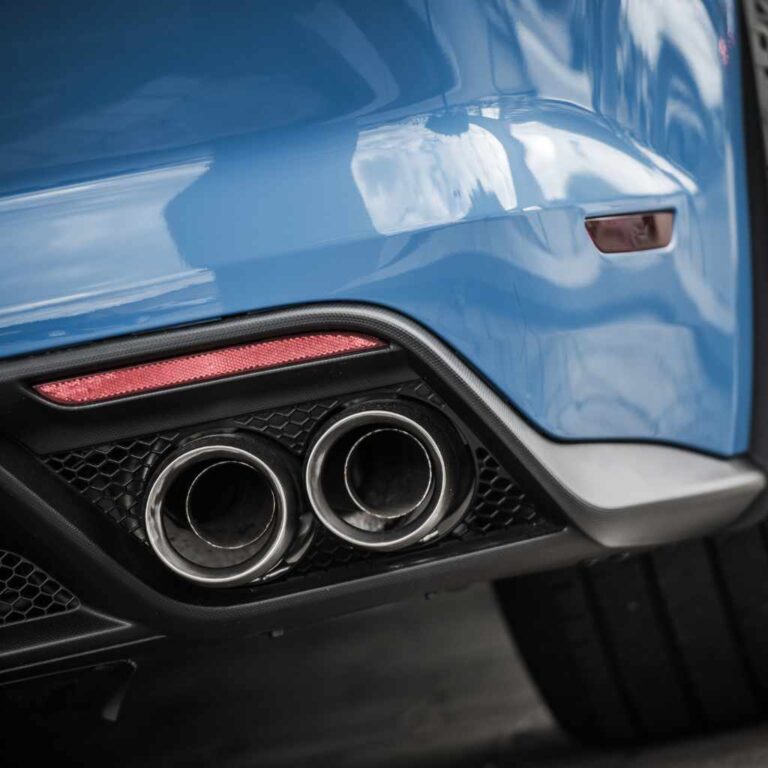
How To Make A Quiet Civic Performance Exhaust
Many Honda Civic owners love the sound of a performance exhaust but also want to keep their car quiet for daily driving. It’s a common goal that can seem tricky to achieve, especially for folks new to car modifications. You might wonder if it’s even possible to get that sporty sound without turning heads for the wrong reasons.
Don’t worry, it’s totally doable! We’ll walk you through this step by step, making it simple and easy to follow. Get ready to learn the best ways to get the performance sound you want while keeping the peace on the road.
Quieting A Civic Performance Exhaust System
Achieving a quieter performance exhaust for your Honda Civic involves understanding how sound is managed in exhaust systems. Performance exhausts are designed to let your engine breathe better, which often makes them louder. The goal is to reduce unwanted noise without significantly hindering airflow or performance gains.
This section will explore the core components and strategies that contribute to a quieter exhaust experience while maintaining a sporty tone. We will break down the science behind exhaust silencing and how it applies to your Civic’s specific needs.
Understanding Exhaust Muffler Technology
The muffler is the primary component responsible for reducing exhaust noise. Mufflers work by using a combination of chambers, baffles, and sound-absorbing materials to cancel out sound waves. Different types of mufflers offer varying levels of noise reduction and sound quality.
Understanding these differences is key to selecting the right one for your Civic.
There are generally three main types of mufflers: chambered, straight-through (perforated core), and absorption mufflers. Chambered mufflers use a series of internal chambers that reflect sound waves, causing them to cancel each other out. These often produce a deeper, more aggressive tone but can be restrictive.
Straight-through mufflers have a perforated core surrounded by sound-absorbing material like fiberglass or steel wool. As exhaust gases pass through the perforated core, sound waves are absorbed by the packing material. These are generally less restrictive and produce a cleaner, more refined sound compared to chambered mufflers.
Absorption mufflers are a type of straight-through muffler where the primary mechanism is sound absorption. The packing material within the muffler absorbs the sound energy from the exhaust gases. The design of the packing material, its density, and the amount used all influence the effectiveness of noise reduction and the final sound characteristics.
A well-designed absorption muffler can significantly quiet down a performance exhaust system.
- Chambered Mufflers These use internal baffles and chambers to redirect exhaust gas flow. The sound waves bounce around inside these chambers, interacting and canceling each other out. While effective at reducing volume, they can sometimes create more backpressure, slightly affecting engine performance.
They often produce a deeper, rumble-like sound that many enthusiasts prefer.
- Straight-Through Mufflers These mufflers feature a perforated core pipe that runs through the muffler body. The space around this perforated core is filled with sound-absorbing material, such as fiberglass or steel wool. Exhaust gases flow directly through the core, and the sound waves are absorbed by the packing material.
This design is known for minimal restriction, allowing for better exhaust flow and often a clearer, higher-pitched sound compared to chambered mufflers.
- Resonators A resonator is another important component that works alongside a muffler. It is designed to cancel out specific, often higher-frequency, exhaust tones, such as drone or rasp. Resonators often have a smaller internal volume than mufflers and focus on fine-tuning the exhaust note, removing irritating sounds without drastically reducing the overall volume.
Adding a resonator can make a performance exhaust much more livable for daily driving.
Materials Matter For Quieter Performance
The materials used in the construction of your exhaust system, especially the muffler packing, play a significant role in sound dampening. High-quality sound-absorbing materials can effectively reduce noise levels without compromising exhaust flow. The quality and density of these materials directly impact how well sound waves are converted into heat, thus reducing audible noise.
Many performance mufflers use fiberglass packing, which is cost-effective and good at absorbing high-frequency sounds. However, fiberglass can degrade over time, especially under high heat and load, leading to increased noise. Some premium mufflers use stainless steel wool or ceramic fiber packing.
These materials are more durable, withstand higher temperatures better, and can offer a more consistent sound dampening effect for a longer period.
The thickness and density of the packing material are also crucial. Thicker, denser packing will absorb more sound energy. However, too much dense packing can create excessive backpressure, which is detrimental to performance.
Finding the right balance is key to achieving both quiet operation and optimal engine output.
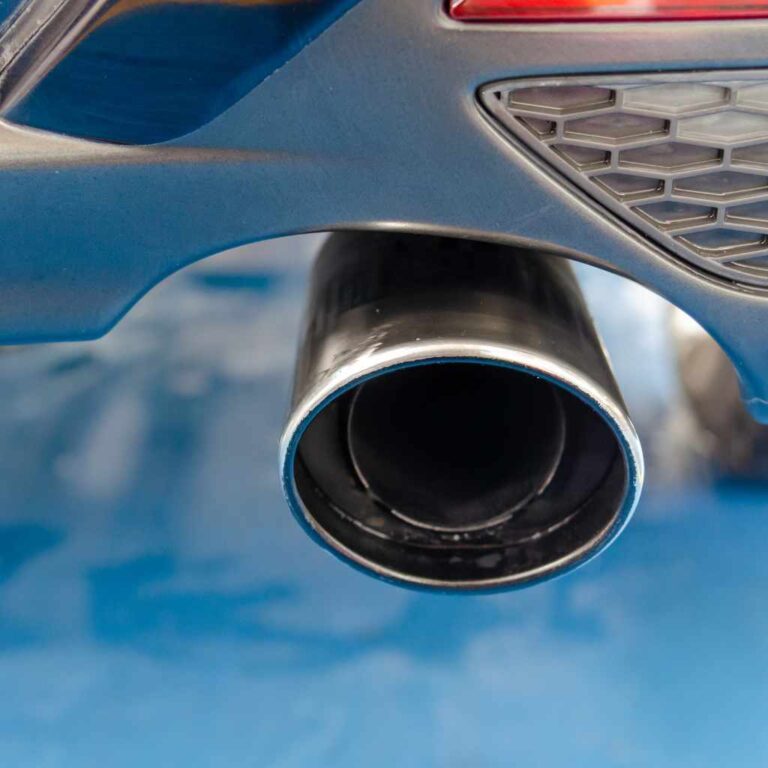
- Stainless Steel Packing This material is highly durable and resistant to corrosion and high temperatures. It is excellent at absorbing sound waves and maintains its effectiveness for a long time, even under demanding conditions. Many high-end performance mufflers opt for stainless steel packing for its longevity and consistent sound-deadening properties.
It helps to eliminate unwanted rasp and drone effectively.
- Ceramic Fiber Packing Similar to fiberglass but with superior heat resistance and durability. Ceramic fiber packing is lightweight and provides excellent sound absorption across a wide range of frequencies. It is a good choice for aggressive driving styles where exhaust temperatures can get very high, ensuring the muffler remains effective over time.
- Dual Packing Designs Some advanced muffler designs employ dual packing layers. This might involve a layer of fiberglass for higher frequencies and a layer of steel wool or ceramic fiber for lower frequencies and durability. This layered approach allows for a broader spectrum of sound cancellation, leading to a quieter and more refined exhaust note.
It’s a sophisticated way to manage exhaust acoustics.
Resonator Integration For Civic Exhausts
Adding or upgrading a resonator is a highly effective strategy for reducing drone and specific irritating frequencies from a performance exhaust. A resonator works by creating a counter-sound wave that cancels out unwanted exhaust notes. It’s like noise-canceling headphones for your car’s exhaust system.
For Honda Civics, especially those with aftermarket headers or cat-back systems, a resonator can transform an uncomfortably loud exhaust into something much more pleasant for daily driving. It targets the mid-range frequencies where drone is most noticeable. Many performance exhaust kits are designed with resonators in mind, but sometimes adding an aftermarket one is necessary.
When selecting a resonator, consider its length, diameter, and internal design. Longer resonators generally target lower frequencies, while shorter ones are better for higher frequencies. A straight-through design within the resonator is common for minimal restriction.
It’s a subtle but powerful modification that can make a huge difference in overall exhaust sound quality and comfort.
- Purpose Of A Resonator A resonator’s main job is to eliminate specific sound frequencies, particularly the resonant drone that can occur at certain engine RPMs. This drone is often a low-frequency hum that can be very annoying during highway driving. By introducing a carefully tuned chamber or pipe within the exhaust flow, the resonator creates a sound wave that is out of phase with the drone, effectively canceling it out.
- Types Of Resonators There are two main types: chambered and straight-through. Chambered resonators use internal baffles to create reflective sound cancellation, similar to chambered mufflers but usually smaller and tuned for specific frequencies. Straight-through resonators have a perforated core and packing material, much like a muffler, but are typically designed to target a narrower band of frequencies.
For a Civic, a straight-through resonator is often preferred to minimize backpressure.
- Placement Matters The position of the resonator in the exhaust system is critical. Placing it closer to the engine can help cancel out higher-frequency rasp, while placing it further down the exhaust can target lower-frequency drone more effectively. For a Civic, most performance exhaust systems will have a specific location designed for a resonator, or an aftermarket universal one can be fitted.

Choosing The Right Muffler For A Quiet Performance
Selecting the correct muffler is paramount when aiming for a quiet performance exhaust. You need a muffler that balances sound reduction with the desire for a sportier tone. It’s not about making your Civic silent, but about achieving a refined, noticeable sound that doesn’t overwhelm or annoy.
Consider the overall exhaust system design. If you have a full performance exhaust, including headers and a high-flow catalytic converter, you might need a more aggressive muffler to manage the increased exhaust flow. Conversely, if you only have a cat-back system, a less restrictive muffler might suffice.
It’s a balancing act.
Research specific muffler models designed for your Civic model. Many manufacturers offer ‘quiet’ or ‘street’ versions of their performance mufflers. These are engineered with sound deadening in mind, often incorporating more packing material or specialized chamber designs.
Reading reviews and listening to sound clips online can provide valuable insights.
Performance Exhaust Kits For Civics
Many aftermarket companies offer complete performance exhaust kits for Honda Civics. These kits are typically designed as a complete system, including headers, a catalytic converter (or test pipe), a mid-pipe with a resonator, and a muffler. The advantage of a complete kit is that all the components are engineered to work together seamlessly for optimal performance and sound quality.
When choosing a kit, look for options that explicitly mention “quiet” or “street” performance. These kits often come with larger, more effective mufflers and resonators designed to keep the noise level within reasonable limits for daily driving. Some kits even offer different muffler options, allowing you to choose the sound profile you prefer.
A well-designed kit will ensure proper fitment and ease of installation. It also takes the guesswork out of choosing individual components. While often more expensive than piecing together a system, a complete kit provides a guaranteed level of performance and sound management for your Civic.
Example Civic Performance Exhaust Kits
- GReddy SP Elite Series This series is known for its high-quality construction and relatively quiet operation compared to other performance exhausts. It often features a large-diameter muffler with a straight-through core and good packing material. Many Civic owners find this series to be a good balance between sporty sound and daily drivability.
- MagnaFlow Street Series Mufflers and systems from MagnaFlow’s Street Series are designed for a performance sound that is not overly aggressive. They typically use a straight-through, wide-open design with no baffles, but rely on internal sound-absorbing materials to reduce drone and unwanted noise. This makes them a popular choice for those wanting a noticeable but not obnoxious exhaust note.
- Borla Touring Series Borla offers different sound levels, and their Touring series is their quietest offering. These systems are engineered for a mild performance tone that is often described as refined and subtle. They are a great option if you want a premium exhaust that doesn’t draw excessive attention but still provides a noticeable improvement over stock.
Modifying Your Existing Civic Exhaust
If you already have a performance exhaust on your Civic that is too loud, you can often modify it to make it quieter. This can be a more cost-effective solution than buying a new system. The most common modifications involve adding or upgrading the muffler and/or resonator.
You can purchase an aftermarket universal muffler or resonator and have a local exhaust shop weld it into your existing system. This requires some expertise to ensure proper fitment and flow. The shop can help you choose components that will effectively reduce noise without creating significant backpressure.
Another option is to add sound-deadening material to your existing muffler. This can be done by removing the muffler, opening it up (if it’s designed to be serviceable), and repacking it with high-quality sound-absorbing material. This is a more advanced modification and requires careful attention to detail.
DIY Muffler Repacking Example
- Gather Supplies You will need a universal muffler, new packing material (e.g., fiberglass mat, steel wool), a way to cut and weld metal (or a good exhaust shop), and basic hand tools. Ensure the muffler you are modifying is designed to be opened, usually by removing bolts or rivets.
- Disassemble the Muffler Carefully remove the outer casing or end caps of the muffler. This might involve cutting, drilling out rivets, or unbolting. Be sure to keep track of all the parts and their orientation.
- Remove Old Packing If the muffler has existing packing, remove it completely. Inspect the internal baffling or perforated core for any damage. Clean the inside of the muffler thoroughly.
- Install New Packing Wrap the perforated core evenly with the new sound-absorbing material. Use enough material to provide good sound dampening, but avoid over-packing, which can restrict flow. Ensure the packing is snug and evenly distributed.
- Reassemble and Seal Reattach the end caps or outer casing. If you cut the casing, you will need to weld it back together or use a robust clamping system designed for exhaust systems. Ensure a good seal to prevent exhaust leaks.
Technical Considerations For Civic Exhaust Noise
Beyond components, several technical aspects influence how quiet a performance exhaust will be on your Honda Civic. These include exhaust diameter, pipe routing, and the type of catalytic converter used.
Exhaust diameter plays a role. While larger pipes can improve flow, an excessively large diameter can sometimes lead to a less focused exhaust note and potentially more drone. The routing of the exhaust pipes also matters; sharp bends and unnecessary length can create turbulence and affect sound.
Keeping the exhaust path as smooth and direct as possible, while still incorporating silencing elements, is ideal.
The catalytic converter is another key element. A high-flow catalytic converter is essential for a performance exhaust, but some are designed to be quieter than others. The number of cells per inch (TPI) in the catalytic converter’s honeycomb structure affects both flow and sound.
A higher TPI generally means more restriction but can also help muffle some exhaust noise.
Exhaust Diameter And Flow Dynamics
The diameter of your Civic’s exhaust piping is a critical factor in both exhaust flow and sound. A larger diameter pipe generally allows exhaust gases to flow more freely, which can lead to minor performance gains. However, if the diameter is too large for the engine’s displacement and intended use, it can cause exhaust gas velocity to drop too low.
When exhaust gas velocity is too low, the exhaust pulses lose energy, and this can result in a less aggressive exhaust note. More importantly for quieting the system, a very large diameter can sometimes lead to increased drone and a less focused, boomier sound. This is because the larger volume can allow sound waves to resonate more easily within the pipes.
For most naturally aspirated Honda Civics aiming for a quiet performance exhaust, a piping diameter of 2.25 to 2.5 inches is often optimal. For turbocharged models or those with significant engine modifications, slightly larger diameters might be considered, but always in conjunction with effective silencing components like mufflers and resonators. The goal is to find the sweet spot where flow is good but sound management is not compromised.
| Exhaust Diameter | Pros | Cons | Best For |
|---|---|---|---|
| 2.0 – 2.25 inches | Maintains good exhaust velocity, can contribute to a focused sound, generally quieter | May slightly restrict flow on highly modified engines | Naturally aspirated Civics, daily drivers seeking quiet operation |
| 2.25 – 2.5 inches | Good balance of flow and sound management, commonly used for performance exhausts | Requires careful tuning with mufflers/resonators to control drone | Most naturally aspirated and mild turbo Civics, enthusiasts wanting a noticeable but manageable sound |
| 2.5 – 3.0 inches | Maximum flow for high-horsepower applications | Can lead to reduced low-end torque, increased drone if not properly baffled | Heavily modified turbo Civics, track-focused builds |
Catalytic Converter Impact On Sound
The catalytic converter is a vital emissions control device, but it also plays a role in muffling exhaust sound. Stock catalytic converters are typically designed with a high cell density (often 400 cells per inch or more) to maximize their efficiency. This dense structure creates significant backpressure and helps to absorb some exhaust noise.
Aftermarket performance catalytic converters, often called high-flow cats, have a lower cell density (e.g., 100-200 cells per inch). This lower density allows exhaust gases to pass through more easily, reducing backpressure and improving performance. However, it also means they are less effective at muffling sound than stock converters.
Therefore, when you install a high-flow catalytic converter for performance, you will likely notice an increase in exhaust volume. To compensate for this, it becomes even more crucial to have a well-designed muffler and resonator system. Some high-flow catalytic converters are designed with acoustic baffling to help mitigate some of the increased noise, but they generally won’t match the silencing effect of a factory unit.
- Stock Catalytic Converters These are designed for maximum emissions control and noise reduction. They contain a dense matrix of ceramic or metal honeycomb with many small cells per inch. This dense structure filters pollutants effectively and also acts as a significant sound baffle, absorbing a good portion of the exhaust noise.
For a quiet exhaust, keeping a stock or high-quality OEM-style converter is beneficial.
- High-Flow Catalytic Converters Performance catalytic converters use a less dense matrix, often with fewer cells per inch (e.g., 100-200). This allows exhaust gases to flow much more freely, boosting horsepower and torque. However, this increased flow means they are less effective at muffling sound, often making an exhaust system noticeably louder.
They are essential for performance but require careful management of overall exhaust noise.
- Catalytic Converter Simulators/Test Pipes While these bypass the catalytic converter, they offer no emissions control and significantly increase exhaust noise. They are primarily for racing applications where emissions regulations are not enforced. For daily driving and maintaining a quieter exhaust, avoiding these is crucial.
Their use will almost certainly make your Civic too loud for comfort.
Installation And Tuning For Optimal Quietness
Proper installation and tuning are just as important as the components themselves when trying to achieve a quiet performance exhaust. Even the best parts can sound terrible if installed incorrectly or if the system is not tuned properly for your specific Civic.
Ensure all connections are sealed tightly to prevent exhaust leaks. Leaks can create unwanted popping sounds, rasp, and a generally unrefined exhaust note. A professional exhaust shop can ensure a perfect fit and seal, using high-quality gaskets and welding techniques.
Furthermore, some tuning might be necessary, especially if you’ve made significant changes to the exhaust system or other engine components.
The goal is to integrate the new or modified exhaust system seamlessly with your Civic’s engine. This ensures that the exhaust gases flow efficiently and the sound is managed effectively, giving you the best of both worlds: performance and quiet operation.
Professional Installation Vs. DIY
When it comes to exhaust systems, professional installation often yields the best results, especially if you’re aiming for a specific sound profile like a quiet performance exhaust. Exhaust shops have the specialized tools, experience, and knowledge to ensure a leak-free, properly fitted system.
They can assess your specific Civic model, recommend the best components, and perform the installation with precision. This includes welding, fitting hangers, and ensuring the exhaust system doesn’t interfere with other vehicle components. For complex modifications or if you’re unsure about welding or fabrication, professional installation is highly recommended.
DIY installation can be a rewarding experience and save money. However, it requires a good set of tools, mechanical aptitude, and a willingness to learn. If you’re comfortable with cutting, fitting, and potentially welding, you can tackle some aspects of exhaust modification.
However, always prioritize safety and ensure a solid, leak-free installation.
When To Seek Professional Help
- Welding Required If your installation involves welding pipes, hangers, or custom brackets, it’s best left to a professional. Proper welding ensures a strong, leak-free connection that will withstand the vibrations and stresses of driving.
- Complex Fitment Issues Sometimes, aftermarket parts may not fit perfectly, requiring custom fabrication or modification. Exhaust shops have the expertise and equipment to handle these situations without compromising the system’s integrity.
- Achieving Specific Sound Goals If you have a very precise idea of the sound you want, a professional can help you select the right combination of mufflers and resonators. They understand how different components interact to produce various sound characteristics.
- Dealing With Catalytic Converters Modifying or replacing catalytic converters should be done carefully, ensuring compliance with local regulations and proper sealing to avoid exhaust leaks.
Tuning For Performance And Sound Balance
After installing a new exhaust system or modifying your existing one, an engine tune-up might be beneficial. While not always strictly necessary for sound reduction, a tune can optimize your Civic’s engine performance to work harmoniously with the new exhaust flow.
An ECU (Engine Control Unit) tune can adjust fuel maps, ignition timing, and other parameters to take full advantage of the improved exhaust flow. This can lead to better horsepower, torque, and throttle response. More importantly, a good tune can also help smooth out any rough idling or hesitation that might occur after exhaust modifications.
For a quiet performance exhaust, the tune should aim to complement the airflow characteristics of your system, ensuring that the engine operates efficiently. This helps prevent the exhaust from sounding unrefined or “flabby” due to mismatched engine and exhaust parameters. It’s about making the entire powertrain work together optimally.
- Engine Airflow Optimization A performance exhaust system typically increases airflow. An ECU tune recalibrates the engine’s air-fuel ratio and ignition timing to match this increased airflow. This ensures the engine runs efficiently and produces optimal power without detriment.
- Addressing Drivability Issues Sometimes, exhaust modifications can lead to slight changes in how the car drives, like a bit of hesitation or a rougher idle. A tune can smooth these out, ensuring the car feels just as good, if not better, to drive daily.
- Maximizing Performance Gains While the primary goal might be a quiet sound, a tune ensures you don’t sacrifice performance. It helps the engine utilize the better exhaust flow to its fullest potential, delivering the performance benefits you expect from an aftermarket exhaust.

Frequently Asked Questions
Question: How can I make my Civic performance exhaust quieter without losing power?
Answer: You can make your Civic performance exhaust quieter by adding a high-quality muffler with good sound-absorbing materials, installing a resonator to cancel out drone, or ensuring your existing muffler is well-packed. These components reduce noise without significantly restricting exhaust flow, thus preserving power.
Question: What is the best type of muffler for a quiet performance exhaust on a Civic?
Answer: For a quiet performance exhaust, straight-through or absorption mufflers with durable packing like stainless steel wool or ceramic fiber are often best. These offer good sound dampening while minimizing backpressure compared to chambered mufflers.
Question: Can I just add a second muffler to my Civic to make it quieter?
Answer: Adding a second muffler can help reduce noise, but it might also increase backpressure, potentially affecting performance. It’s often more effective to upgrade to a single, well-designed performance muffler that incorporates advanced silencing technology.
Question: How does a resonator affect the sound of my Civic’s exhaust?
Answer: A resonator is designed to cancel out specific unwanted frequencies, most commonly the low-frequency drone that occurs at certain RPMs. It helps to refine the exhaust note, making it sound more pleasant and less irritating for daily driving, without significantly reducing overall volume.
Question: Will adding a quieter exhaust component decrease my Civic’s horsepower?
Answer: Not necessarily. If you choose components like a high-quality resonator or a well-designed muffler that minimizes restriction while maximizing sound absorption, you can often maintain or even slightly improve horsepower. It’s about selecting the right balance.
Summary
Making your Civic performance exhaust quieter is achievable by understanding muffler and resonator technology. Choosing quality materials and considering factors like exhaust diameter and catalytic converters are key. Professional installation and proper tuning ensure the best balance of quiet operation and performance for your Honda Civic.