How Much to Clean a Catalytic Converter?
Cleaning a catalytic converter usually costs about $20 to $150 for a DIY chemical treatment or about $150 to $300 at a shop. Try it only if the converter is not melted, cracked, or physically clogged. Leave a bad unit alone and you can keep paying for fixes that will not stick, then fail emissions again. This guide covers cost ranges, quick diagnosis, and when cleaning is a dead end.
What you need and when cleaning makes sense


What you’ll need
- An OBD2 scanner to read catalyst and sensor codes
- Fuel near a quarter tank if you plan to use a pour-in cleaner
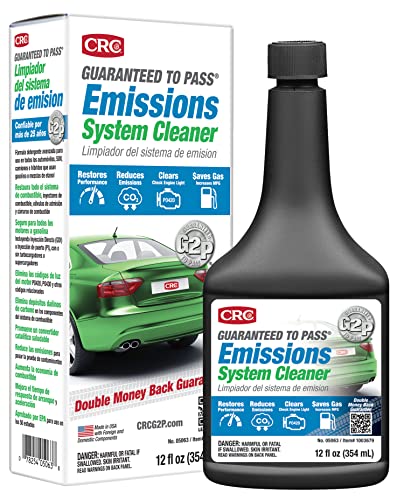
- A pour-in cleaner only if symptoms point to light contamination, not damage
- Owner information for fuse locations, sensor layout, and service intervals
- Gloves and eye protection for fuel and exhaust work
Catalytic converter cost decision table
| Scenario | Estimated total cost range | Likely success rate | Warning signs it is a bad bet | Next best step |
|---|---|---|---|---|
| Pour-in cleaner | $25 to $60 | Low to moderate for light deposits | P0420 returns quickly, rotten-egg smell, severe power loss, rattling, melted or broken substrate | Read codes and check fuel trim, misfires, and sensor data |
| DIY diagnosis | $0 to $40 | High for finding the real fault | No scanner data, multiple codes, repeated emissions failure, wiring damage, or fuel smell from rich running | Fix the upstream issue before buying parts |
| Professional cleaning service | $150 to $300 | Moderate when the substrate is intact | Physical damage, coolant burning, oil burning, or a converter that is already overheated | Ask for a diagnosis of sensors, fueling, and exhaust leaks first |
| Replacement | $800 to $2,500+ depending on vehicle and labor | High when the converter is damaged | Melted brick, broken honeycomb, severe clogging, or a failed emissions test after root-cause repair | Replace after confirming the cause is fixed |
📊 Modern OEM catalytic converters are designed to last roughly 10 years or about 100,000 miles. Source: How To Clean A Catalytic Converter.
How do you know if cleaning is worth it?
Cleaning is worth considering when the converter is dirty, not destroyed. If the code is P0420 or P0421, check for misfires, rich fueling, sensor faults, or exhaust leaks first, because those are often the real cause. If the unit is rattling, melted, or physically blocked, cleaning is usually wasted money.
Read the code and note the symptoms
- Plug in an OBD2 scanner at the dash port and record every code, not only the catalyst code.
- Look for P0420, which means Catalyst System Efficiency Below Threshold, or P0421, Warm Up Catalyst Below Threshold. (Thedrive)
- Note the symptoms: loss of power, rotten-egg smell, check-engine light, or emissions-test failure risk.
Check for fueling or sensor problems first
- Open the live data screen on the scanner and compare upstream and downstream oxygen sensor behavior.
- Inspect visible wiring at the oxygen sensors for melted insulation, corrosion, or loose connectors.
- Fix misfires, vacuum leaks, rich running, oil burning, or coolant contamination before you clean anything.
Look for signs of overheating or physical damage
- Listen for rattling from the converter housing, which can mean a broken honeycomb substrate.
- Check for a glowing-hot converter after a short drive, which can point to overheating from unburned fuel.
- Skip cleaning if the shell is dented hard, the substrate is melted, or exhaust flow is badly restricted.
Say your 8-year-old sedan has a P0420 code, mild power loss, and no rattling. A pour-in cleaner may be worth a try after you confirm there are no misfires or sensor faults.
How to clean a catalytic converter at home
Home cleaning is usually a code-and-condition process, not a magic pour. Start with diagnosis, then use a fuel-system cleaner only if the converter looks lightly loaded and the rest of the engine is healthy. If the real problem is a bad sensor or rich fueling, cleaning alone will not hold.
If that didn’t work, try this next
- Read codes with an OBD2 scanner and clear nothing yet.
- Repair any misfire, oxygen sensor wiring, or fuel-control fault first.
- Add a pour-in cleaner such as Cataclean only with about 4 gallons of fuel, then drive long enough for the converter to reach operating temperature.
- Retest with the scanner and, if needed, schedule an emissions test only after the code stays away.
A common first-timer mistake is adding cleaner to a car that has a dead oxygen sensor. In that case, the cleaner may do nothing because the computer still sees false catalyst data.
Will cleaning fix a P0420 code?
Sometimes, but often not for long. P0420 means Catalyst System Efficiency Below Threshold, and that code often points to upstream trouble such as oxygen sensor faults, exhaust leaks, or fueling problems. If those issues remain, the code can come back even after the cleaner works for a short time.
Why oxygen sensors can be the real fault
- Check the upstream and downstream oxygen sensor signals with the scanner.
- Inspect sensor wiring and connectors before buying a converter.
- Replace a failed sensor only after confirming the reading is out of range or the wiring is damaged.
When a cleared code comes back
If the light returns after a few drive cycles, stop assuming the converter is the only problem. Recheck fuel trims, misfire counts, and exhaust leaks. A converter can be fine while the engine keeps feeding it excess fuel or bad data.
When should you skip cleaning and replace it?
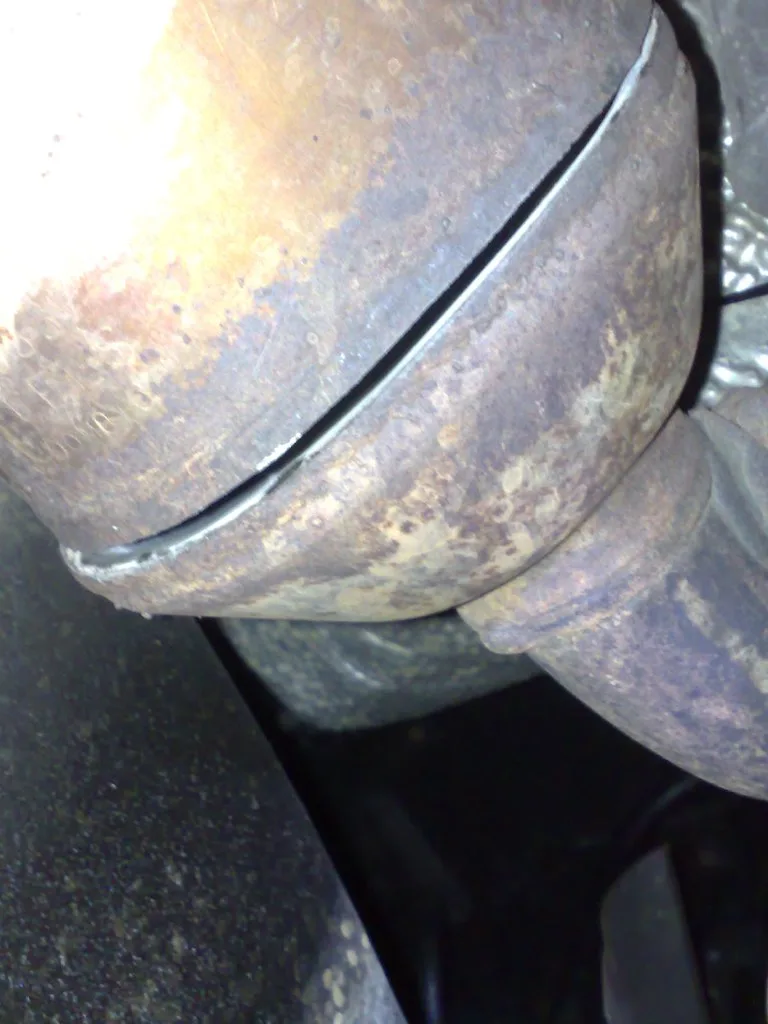
Replace the converter when the substrate is melted, broken, or so clogged that exhaust flow is restricted. Cleaning cannot rebuild the honeycomb or restore the precious-metal coating. If oil burning, coolant leaks, or a rich mixture keep coming back, replacement becomes the cheaper final fix.
Melted or broken substrate
- Tap the housing lightly and listen for loose ceramic pieces.
- Check for discoloration, a burnt smell, or a converter that overheats quickly.
- Plan replacement if the honeycomb has collapsed or broken apart.
Severe clogging or recurring contamination
- Look for weak acceleration at higher engine speed, which can mean restriction.
- Confirm that oil burning, coolant leaks, or rich fueling are fixed first.
- Replace the converter if contamination returns after the root cause is repaired.
Suppose a truck clears P0420 after a cleaner, then fails emissions again two weeks later. If the scanner shows rich fueling and the exhaust smells strongly of fuel, replacement is not the first move; fixing the fuel-control fault is.
Common mistakes
The biggest mistake is buying cleaner before reading the code. Another is treating a catalyst code as proof that the converter is bad. Oxygen sensors, wiring, and fueling faults can trigger the same warning, and unsafe home methods can destroy a good part.
- Do not use soap and water on the converter.
- Do not use lacquer thinner or harsh solvents.
- Do not skip diagnosis just because the check-engine light mentions the converter.
- Do not replace the part before checking for misfires, oil burning, or coolant contamination.
- Do not assume a spray cleaner will fix physical damage.
Frequently asked questions
How much does it cost to clean a catalytic converter?
Expect about $25.38 for Cataclean plus fuel for a DIY pour-in treatment, or roughly $150 to $300 for a professional cleaning service. An OBD2 scanner can cost less than $40, and that diagnosis step often saves more money than the cleaner itself.
Can a catalytic converter be cleaned or does it need replacement?
It can be cleaned if the honeycomb is intact and the issue is contamination or light clogging. It needs replacement when the substrate is melted, broken, or so restricted that exhaust flow is compromised. Recurrent oil or coolant contamination also pushes you toward replacement.
Do catalytic converter cleaners actually work?
They can help in mild cases, especially when deposits are the main issue and the engine is otherwise healthy. They do not rebuild damaged ceramic or fix bad oxygen sensors. The Drive notes there is not substantial evidence that sprays do more than act as a stop-gap.
What causes a catalytic converter to clog or fail?
Common causes include misfires, rich fueling, oil burning, coolant contamination, overheating from unburned fuel, and physical impact. A converter also reaches normal operation only when it gets near 750 degrees Fahrenheit, so lots of short trips can add to buildup problems. (Thedrive)