Best Exhaust Parts for Daily Drivers: Based on Specs and Reviews
For daily drivers, the best exhaust upgrade order is a resonated axle-back or muffler first, then a mild cat-back, then a resonated mid-pipe; keep OEM cats unless local rules allow changes. Bad choices add drone, fitment issues, and inspection trouble. This guide ranks each component by comfort, durability, mild gains, and street legality.
Quick comparison
| Product | Badge | Best for | Price | ||
|---|---|---|---|---|---|
 | Walker Quiet-Flow SS 21548 Direct Fit Exhaust Muffler 2.5"Walker | Our pick | 2.5 in · Chrome · Muffler | $57.78 Price as of 18 Oct 2026 | View |
 | Dynomax Super Turbo 17733 Exhaust Muffler for Chevrolet S10Dynomax | Budget pick | 2.5 in · Black · Muffler | $51.98 Price as of 18 Oct 2026 | View |
 | BIGREAT 2.5” Inch Ultra Quiet Resonator, Exhaust ResonatorBIGREAT | Also great | 2.5 in · Silver · Resonator | $64.99 Price as of 18 Oct 2026 | View |
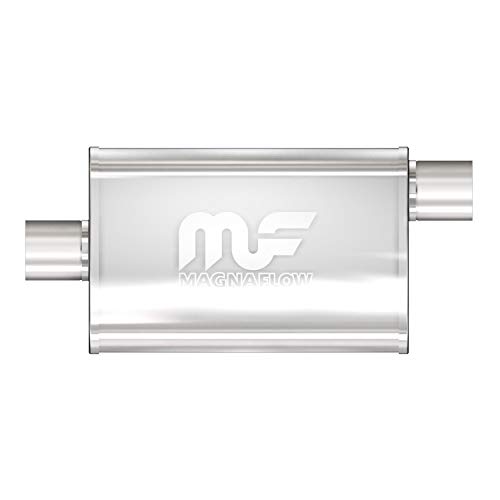 | MagnaFlow Performance Exhaust Muffler 11226 | DeepMagnaFlow Exhaust Products | Upgrade pick | 2.5 in · Polished · Muffler | $118.94 Price as of 18 Oct 2026 | View |
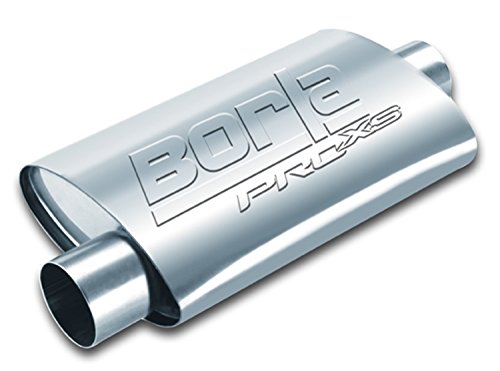 | BORLA 40359 ProXS Universal Performance Muffler 3" OffsetBorla | Also great | 3.0 in · Stainless · Muffler | $128.99 Price as of 18 Oct 2026 | View |
This quick comparison puts comfort first, then durability and legality. Loud pipes can sound good for a short run, then wear you down on every commute after that.
How we chose
The ranking favors low drone, corrosion resistance, easy installation, and emissions compliance. It also weighs whether a part changes the car’s character without creating cabin boom on the highway.
We also separate dry-climate budget choices from salted-road choices. That matters because a part that looks fine on paper can age very differently once rain, slush, and road salt get involved.
Finally, the order reflects practical daily-driver value rather than peak flow alone. A part that gains a little sound control and a little durability can beat a louder piece with more installation hassle.
Muffler: best for low drone
A muffler is usually the first part to change when you want quieter cruising. For a daily driver, a well-sized muffler can cut drone, keep idle civil, and change sound without forcing a full system swap.
Straight-through vs. chambered mufflers
Straight-through mufflers usually flow better and can keep the tone deeper, but they may leave more cabin resonance if the rest of the exhaust is aggressive. Chambered designs often do more for drone suppression and street-use tuning, which is why they tend to suit commuters better.
Case size matters too. A larger muffler case usually gives more room for sound control, while a compact case can be easier to package where ground clearance is tight. If the muffler hangs low, it can become the first thing to scrape on steep driveways or speed bumps.
Where Helmholtz tuning fits
A Helmholtz chamber is a tuned volume used for drone cancellation at a specific acoustic frequency. In plain terms, it helps cancel a narrow boom that shows up in the cabin during steady-speed driving. It often works best when paired with the right muffler or resonator, not as a random add-on.
Suppose a 2.5-inch exhaust sounds fine around town but booms at 70 mph on the highway. A chambered muffler or a resonated mid-pipe may solve the cabin resonance without making the car much louder at idle.
Why does a resonator matter more than power?
A resonator matters because it targets specific frequencies that create cabin boom, especially in the mid-pipe. For daily driving, that makes it a comfort part first and a performance part second, which is exactly why many commuters notice the difference more than a peak horsepower change.
Mid-pipe drone control
Resonators are often used where the exhaust pulse pattern creates an annoying steady drone. They are not there to make the car dramatically louder or quieter on their own. They are there to trim the harsh band that wears on your ears during long freeway runs.
Helmholtz chamber tuning
Some resonators use Helmholtz chamber tuning to cancel a tuned acoustic frequency. That approach can be very effective for daily driving comfort when the pipe diameter and placement match the car’s problem frequency. It is also one reason a simple resonator swap can feel more useful than a louder muffler change.
Cabin resonance reduction
Cabin resonance reduction is the main reason resonators belong near the top of a comfort-first list. If the goal is to keep the cabin calm during 45-minute commutes and highway merges, a resonator often earns its place before more aggressive parts do.
Bolt-on systems: cat-back vs. axle-back
Cat-back systems replace everything from catalytic converter back, while axle-back systems replace only the muffler and tips. For daily drivers, the axle-back usually wins on price and simplicity, while the cat-back wins when you want a broader change in sound and flow.
Cat-back systems: sound, flow, and typical install time
A cat-back can change tone, reduce restriction, and improve the exhaust path behind the cats. Typical install time is 2–4 hours, though fitment can take longer on rusty hardware or cars with tight underbody clearance.
That gain is real enough to matter on a mild build, but the comfort tradeoff matters more for commuters. If the system is too thin on sound control, the extra flow can come with more drone than a daily driver needs.
Axle-back systems: lower cost and limited flow gains
Axle-back systems replace only the muffler and tips, so they are usually the lower-cost, lower-risk choice. They are budget-friendly at $400–900, and they typically bring 3–5 HP typical gains at most. The upside is simpler installation and lower drone risk than many full systems.
The tradeoff is limited flow improvement. If the factory mid-pipe and resonator are still restrictive, an axle-back changes tone more than it changes the way the car breathes.
High-flow catalytic converters and legality checks
Catalytic converters are emissions-related parts, so street legality matters more here than with most exhaust pieces. A high-flow catalytic converter can reduce restriction, but you need to verify CARB and EPA compliance before buying, especially in regions with emissions testing.
In states and provinces with inspections, the safest daily-driver move is usually to stay with OEM cats unless the replacement is specifically approved for your application. A non-compliant cat can create more trouble than any sound or flow benefit is worth.
Flex pipe repairs and vibration control
A flex pipe does not change the car’s character as much as a muffler or resonator, but it can solve vibration and cracked-pipe problems that create noise and harshness. If the exhaust has a broken flex section, fixing it can be more important than upgrading the rear muffler first.
Picture a commuter with a cracked flex pipe near the front of the system. The driver hears a buzz at idle, a rattle over bumps, and a smell under load. A repair there restores comfort before any sound-modding part makes sense.
Valved exhaust: is it worth it?
A valved exhaust is worth it when you want quiet mode for commuting and aggressive mode for open-road driving. It gives sound-on-demand control, but it adds cost, complexity, and more things to inspect when fitment or wiring gets messy.
Electronic vs. vacuum control
Electronic valves use switches or controllers, while vacuum-controlled systems rely on engine vacuum and hardware to change position. Both can work well, but electronic systems usually add more wiring and more installation steps. Vacuum systems can be simpler in concept, yet they still need careful routing and reliable components.
Quiet mode and aggressive mode
The main benefit is obvious: quiet mode keeps the car civil, while aggressive mode opens the tone when you want it. For a daily driver, that dual personality is useful only if the quiet setting is truly quiet enough for highway cruising.
Dual-mode exhaust systems can achieve about 72–74 dB at 70 mph cruise, which is why they appeal to drivers who want flexibility without living with a permanently loud setup.
Added complexity and fitment checks
More moving parts mean more to inspect later. Valves, actuators, switches, and vacuum lines all deserve a fitment check before purchase. If the system hangs low or conflicts with spare tire space, the quiet-mode benefit can disappear behind installation hassle.
Exhaust components matrix
| Component | Drone reduction | Durability | Install difficulty | Cost | Legality risk | Commuter | Highway commuter | Winter/salt belt | Budget repair | Mild performance |
|---|---|---|---|---|---|---|---|---|---|---|
| Muffler | 5 | 4 | 3 | 3 | 1 | Best | Best | Good if stainless | Good | Good |
| Resonator | 5 | 4 | 3 | 3 | 1 | Best | Best | Good if stainless | Fair | Good |
| Cat-back | 3 | 4 | 2 | 2 | 2 | Good | Good | Best if stainless | Fair | Best |
| Axle-back | 3 | 4 | 4 | 4 | 1 | Best | Good | Good if stainless | Best | Fair |
| High-flow catalytic converter | 2 | 4 | 2 | 2 | 5 | Fair | Fair | Good if approved | Poor | Good |
| Flex pipe | 2 | 3 | 3 | 4 | 1 | Fair | Fair | Best for repairs | Best | Poor |
| Valved system | 5 | 3 | 1 | 1 | 2 | Best | Best | Good if stainless | Poor | Best |
Best exhaust components for daily drivers
The top daily-driver upgrade is usually a resonated muffler or resonated axle-back, because it balances sound control, modest cost, and low drama. If your car already has a decent muffler, the next move is often a resonator rather than a louder rear section.
Best for commuter use
Choose a muffler or axle-back with conservative sound control. A commuter car benefits most from low drone, easy installation, and a setup that stays calm in stop-and-go traffic. Straight-through race-style parts are the wrong direction here.
Daily commuters prioritize low drone, corrosion resistance, and quiet-idle civility. That makes stainless construction and modest sound tuning more useful than chasing the loudest tone.
Best for highway commuting
Choose a resonator first, then a chambered muffler if the cabin still booms at cruise. Highway use exposes drone more than short city trips do, so a tuned mid-pipe or Helmholtz chamber can matter more than a tip change.
Best for winter and salt-belt driving
Choose 304 stainless steel when the budget allows it. High-flow systems can use T304 stainless steel, while 409 can show surface rust within 3 years. For wet roads, road salt, and winter grime, corrosion resistance matters as much as sound.
409 stainless steel can still be acceptable for some systems, but it is more climate-sensitive and more likely to show surface rust over time. In a dry climate, that may be fine. In a salted-road climate, 304 is commonly the safer buy.
Best for a budget repair
Choose a flex pipe or axle-back if the goal is to fix a problem without a big bill. A flex pipe solves a damaged section. An axle-back is a better budget sound change than a full system when the front half of the exhaust is still healthy.
Best for a mild performance build
Choose a mild cat-back, ideally with mandrel-bent tubing and a resonator. Mandrel-bent tubing keeps bend radius more consistent and reduces turbulence compared with tighter crushed bends. That helps flow without forcing an obnoxious soundtrack.
Which one should you buy?
If comfort matters most, start with the muffler or resonator. If you want a larger change in tone and a modest power bump, move to a cat-back. If you want the cheapest path to a cleaner sound, axle-back is usually the easier call.
For wet climates and salted roads, prioritize 304 stainless steel. For dry climates and lower budgets, 409 stainless steel can be acceptable, but expect more surface rust risk over time.
Check fitment and vehicle compatibility before buying. That sounds basic, but it is the difference between a quiet upgrade and a weekend of exhaust leaks, low-hanging pipes, and return shipping.
Say your car is a 2.5-inch daily driver with mild highway drone and otherwise stock emissions equipment. A resonated axle-back may solve the noise problem without opening the door to inspection trouble.
A common first-timer mistake is choosing the loudest cat-back because it sounds good in a clip. On the commute, that same setup can turn into constant drone, especially once the cabin is sealed and the windows are up.
- Start with the symptom: drone, rust, broken flex section, or weak sound.
- Keep the catalytic converter legal unless local rules clearly allow changes.
- Pick stainless steel if the car sees rain, snow, or salted roads.
- Choose resonators or chambered mufflers when highway comfort matters.
- Use axle-back for a lower-cost sound change and cat-back for a fuller upgrade.
- Confirm hanger positions, clearance, and emissions compliance before ordering.
Walker Quiet-Flow SS 21548: best for quiet OEM-like replacement
This suits a Chrysler 300 owner who wants a direct-fit, low-drama replacement with stainless construction. Based on the manufacturer’s specs, the direct-fit bolt-on layout and OE hangers make it a sensible daily-driver choice when you want less fuss than a custom system.
The main strength is durability and civilized sound control. The drawback is that it is aimed more at replacement and comfort than at a noticeable performance change, so it will not scratch the itch for a bigger tone shift.
Dynomax Super Turbo 17733: best for budget drone control
This is a good fit for drivers who want a budget-friendly muffler that leans toward comfort. The fiberglass matting and internal tube design are meant to reduce interior resonance, which lines up well with commuter use.
The drawback is fitment specificity. It is listed for certain vehicles, so compatibility matters more than with a universal part, and the black finish is less attractive if appearance is a priority.
BIGREAT 2.5 inch Ultra Quiet Resonator: best for mid-pipe drone control
This is for a daily driver that needs fewer cabin boom complaints more than a louder tail note. The T304 stainless steel construction helps with corrosion resistance, and the ceramic fill points directly at rasp control and comfort.
The drawback is that universal fit parts ask more from the installer. You need the right pipe size and enough room in the mid-pipe, or the part may solve one problem while creating a fitment headache.
MagnaFlow Performance Exhaust Muffler 11226: best for mild flow and sound
This suits drivers who want a deeper tone and a step up in flow without going full race-loud. The straight-through architecture and perforated core are the appeal here, especially if the rest of the system stays restrained.
The drawback is the same thing that makes it attractive: a freer-flowing design can leave more cabin noise than a chambered muffler, so it is not the quietest choice for a long-haul commuter.
BORLA 40359 ProXS Universal Performance Muffler: best for premium stainless build
This fits a build that values T-304 stainless steel and flexible orientation. The reversible design is useful when packaging is tight, and the welded-joint construction points to durability for year-round driving.
The drawback is cost relative to basic replacements, and the 3-inch sizing makes it less universal in practice than the title suggests. You still need to match the rest of the exhaust layout carefully.
Frequently asked questions
What is the best exhaust?
The best exhaust for a daily driver is usually the one that keeps drone low, resists corrosion, and fits the car without drama. For most commuters, that means a resonated axle-back, a good muffler, or a mild cat-back rather than the loudest full system available.
What does the exhaust do in a car?
The exhaust routes combustion gases out of the engine, reduces unwanted sound, and helps control emissions through the catalytic converter. It also affects cabin comfort, ground clearance, and in some cases the way the car breathes at higher engine load.
Does a exhaust improve performance?
It can, but the size of the gain depends on the vehicle and the part you change. For daily use, the comfort tradeoff often matters more than the number.
How do I keep exhaust drone low on the highway?
Start with a resonator or chambered muffler, then avoid oversized or poorly tuned systems. Helmholtz chamber tuning can help cancel a narrow boom, and stainless construction helps the exhaust stay tight and free of leaks that can make drone worse.
Which exhaust parts matter most for a commuter car?
For a commuter, the most important parts are the muffler, resonator, and catalytic converter compliance status. After that, material grade, fitment, and ground clearance matter more than peak flow. A quiet, legal, well-fitting setup is usually the smartest buy.
How to design an exhaust system
Choose pipe size, material, resonator placement, and muffler type around the car’s intended use. Mandrel-bent tubing helps preserve flow, while the muffler and resonator control drone and tone. Keep the catalytic converter legal, then check clearance and hanger placement before finalizing the layout.