Best Exhaust Parts for Towing (2026): We Compared
For towing, a common setup is a mandrel-bent cat-back with stainless tubing and an OEM-style or large straight-through muffler, plus a resonator if drone matters; size it to about 2.5 to 3 inches based on engine and load. Wrong parts can raise cabin drone, rust sooner, or dull low-rpm towing response. This guide compares exhaust options for quiet long-haul towing, corrosion resistance, and maximum flow without unwanted noise.
Quick comparison
| Product | Badge | Best for | Price | ||
|---|---|---|---|---|---|
 | VEVOR Exhaust Muffler, 4 Inch Inlet & Outlet, 30 InchVEVOR | Our pick | 4-inch inlet/outlet · stainless steel · round resonator | $62.90 Price as of 19 Oct 2026 | View |
 | FGJQEFG Exhaust Flex Pipe Heavy Duty 2” x 4” Inch-2PCS |FGJQEFG | Budget pick | 2-inch x 4-inch · double braid · 2-pack | $20.88 Price as of 19 Oct 2026 | View |
 | GSI 304 Stainless Steel Weld-On Exhaust Hanger 2.00" xGSI Machine & Fabrication | Pair with it | 304 stainless steel · weld-on · 3-pack | $49.97 Price as of 19 Oct 2026 | View |
 | Flowmaster 817689 Outlaw Cat-back Exhaust SystemFlowmaster | Upgrade pick | Cat-back system · dual exit · 4-inch tips | $1,103.07 Price as of 19 Oct 2026 | View |
Use this table to match the part to your towing priority first. Quiet highway comfort, rust resistance, and moderate flow gains do not always point to the same choice.
How we chose
The comparison centers on four things: highway comfort under load, corrosion resistance in winter or salt use, fitment for stock tow rigs, and flow gains that do not create drone. The target is not loudness. It is low cabin resonance. It is the one that fits the tow job.
We also separated part types, because a cat-back, a muffler, and tubing material solve different problems. That matters for gas and diesel rigs alike, especially where emissions hardware, aftertreatment, or factory hanger locations limit what you can change.
Which exhaust part matters most for towing?
The part that matters most depends on your priority. If you want the cleanest towing upgrade with the least risk, start with the muffler and tubing material. If you want a broader change in flow and sound, a cat-back can make sense, but it is a bigger step.
Cat-back systems
A cat-back exhaust replaces piping from the catalytic converter back. Many kits are bolt-on, use factory hanger locations, and come in common 3-inch single or dual-split layouts. For towing, that usually means a measured change in flow and sound without touching emissions equipment.
Mufflers
Mufflers control the tradeoff between sound and drone. Straight-through designs usually flow well and can keep backpressure modest, while chambered designs may better shape sound on some trucks. For towing, the target is not loudness. It is low cabin resonance at steady highway speed.
Materials and tubing diameter
Material choice matters in salt, slush, and long winter towing. 409 stainless steel is commonly used for tubing in towing kits because it resists corrosion better than plain steel, while 304 stainless steel is often used for tips and offers stronger long-term corrosion resistance. Aluminized steel appears in lower-priced cat-backs and can be fine for dry-climate use, but it is not the first choice for heavy salt exposure.
Cat-back exhaust system: best for balanced towing flow
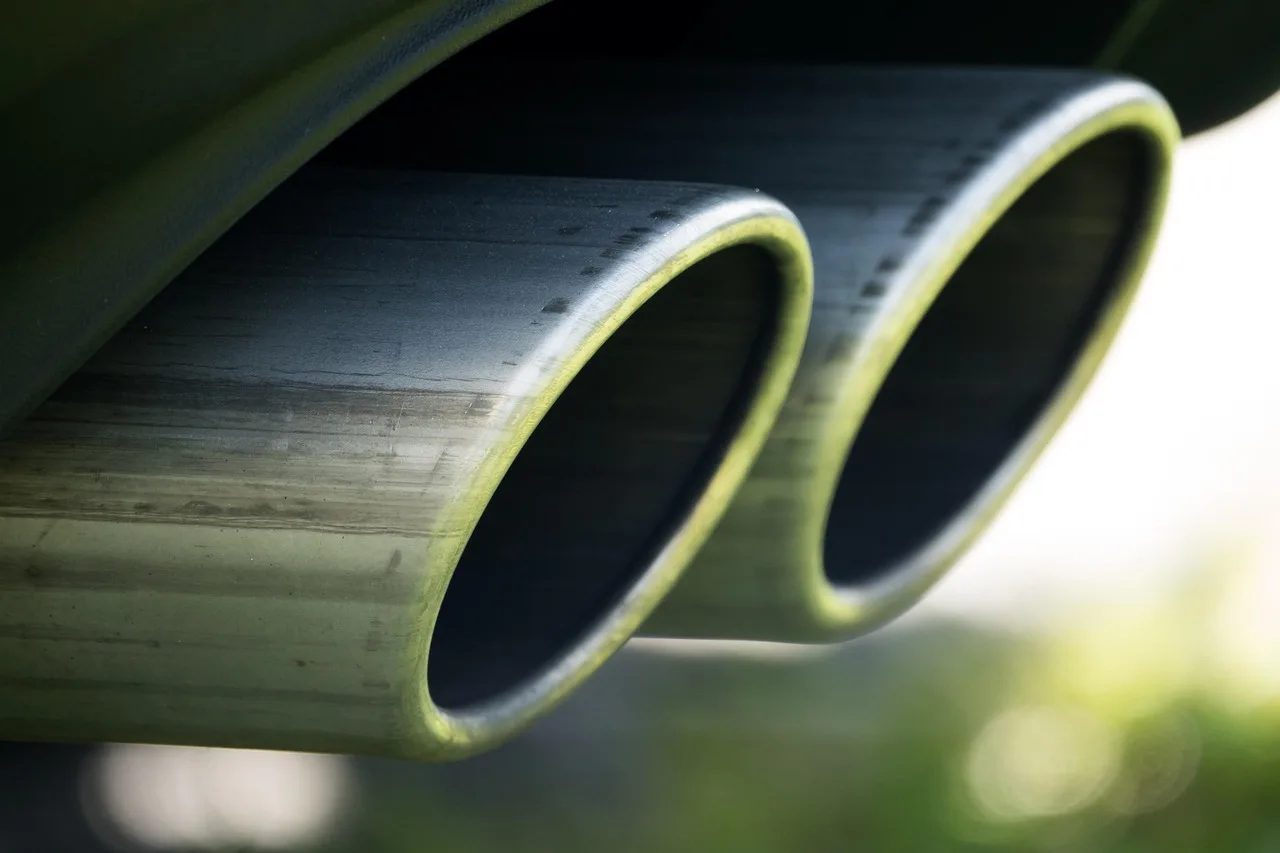
A cat-back is the best all-around choice when you want a modest performance gain, a cleaner installation path, and a single upgrade that affects both sound and flow. It is especially useful if your stock system is restrictive, damaged, or starting to rust at the rear sections.
For towing, the appeal is simple. You get a complete, matched system from the converter back, often with bolt-on hardware and factory-style hangers. That makes fitment more predictable than mixing separate pipes and mufflers.
Single vs. dual-split layouts
Single-exit systems often keep routing simple and can be easier to live with on stock tow rigs. Dual-split layouts can look and sound more aggressive, and they may help flow on some higher-output applications, but they are not automatically better for towing. Packaging, axle routing, and muffler design still matter more than the number of tailpipes.
One towing-focused option is a 3-inch cat-back dual split race exhaust, and the Rough Country system fits 2019-2024 Chevy/GMC applications with 16-gauge stainless steel tubing. Its dual cat-back layout shows how a towing-minded kit can target flow and fitment at the same time, though the dual-split format may be more system than a quiet tow rig needs.
What to expect from bolt-on kits
Some kits include hardware and use the factory hanger locations, so no welding is required. That is often the safer route for a stock tow vehicle because it keeps installation reversible and reduces the risk of hanger misalignment. A bolt-on kit also makes later service easier if a section gets damaged.
Still, bolt-on does not mean universal. Pipe routing, hanger position, and tailpipe exit shape decide whether a kit clears suspension parts and sits correctly under load.
Muffler: best for highway comfort
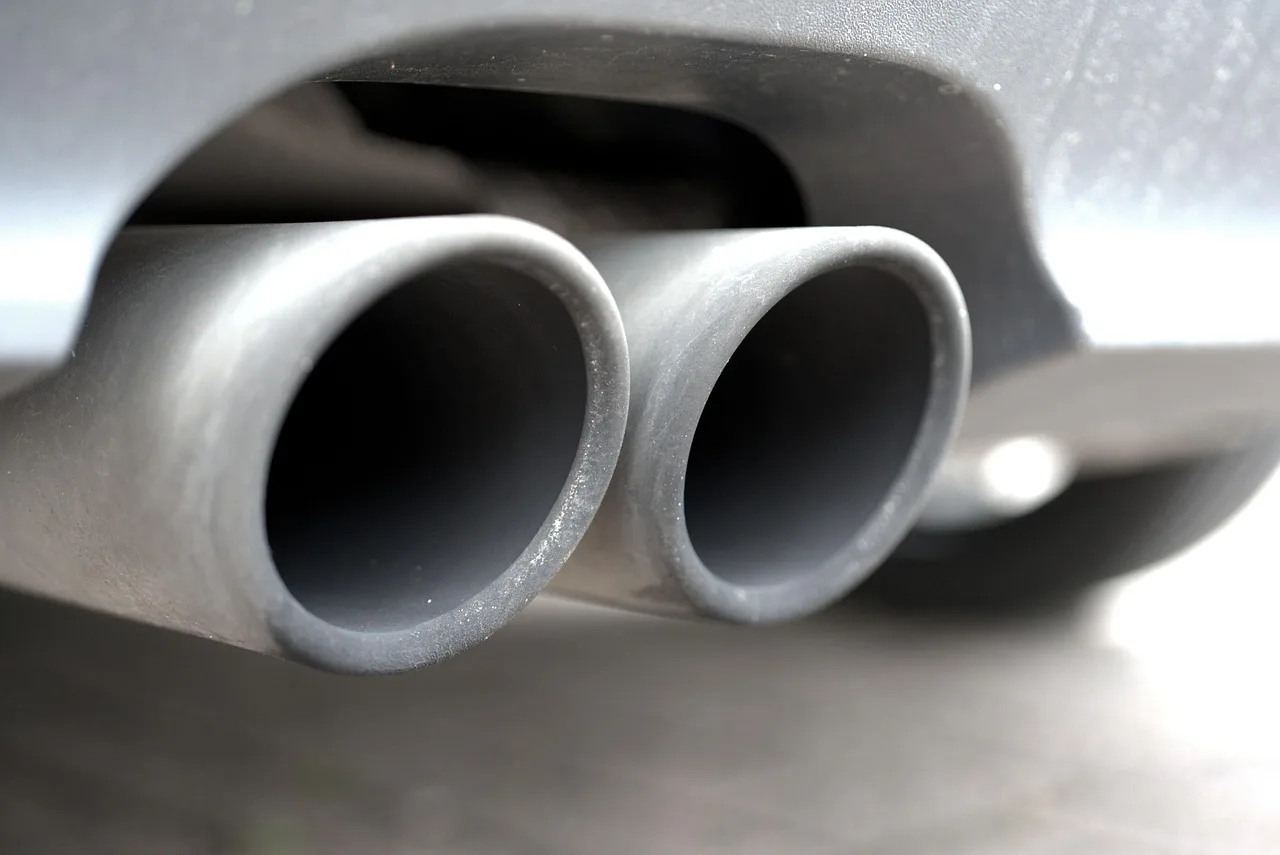
If drone is the complaint, the muffler is usually the first part to change. For towing, that matters more than peak sound level, because the problem shows up at steady highway speed when the trailer is on and the cabin is already busy with wind, tire, and engine noise.
The best muffler for towing is the one that keeps resonance down at the RPM and road speed you actually use. That can be a straight-through design on one truck and a chambered design on another. There is no universal winner.
Straight-through vs. chambered designs
The Upower towing muffler uses a straight-through design, with a 7-inch round body and a 24-inch body length. That kind of layout is often chosen for lower restriction and a controlled sound change, but fitment length and the rest of the system still determine how much drone you hear.
The Flowmaster Super 50 uses a Delta Flow three-chamber design. Chambered mufflers can be a good fit when the goal is to calm drone without making the truck sound stock, but they are not automatically quieter in every vehicle. Engine size, gearing, cab length, and pipe length all affect the result.
How mufflers affect drone
Drone is highway-speed interior resonance. It is not just loudness. A muffler can sound fine outside the truck and still create a steady cabin hum at 1,600 to 2,200 rpm, which is where many tow rigs live under load.
Say your half-ton with a camper trailer cruises at 68 mph in overdrive and the cabin picks up a constant hum. A different muffler shape, the same pipe diameter, and the same tailpipe exit can change that more than a louder tip ever will.
When to skip a louder muffler
Skip the louder muffler if you tow long distance, carry passengers often, or already fight cabin fatigue on grades. A louder system can feel fine around town and turn tiring on the interstate. That is especially true when the trailer adds load and the engine sits in a narrow drone range for hours.
Will a louder exhaust improve towing power? Usually not in a way you can depend on. Exhaust flow can support torque and horsepower gains, but the benefit depends on the whole system, and the sound increase can be the part you notice first.
Stainless steel vs. aluminized steel for tow rigs
For rust-prone climates, stainless steel is usually the safer long-term choice. For lower purchase price in milder conditions, aluminized steel can still be a workable option. The right call depends on salt exposure, storage, and how long you plan to keep the rig.
409 stainless tubing
One recommended towing system uses 409 stainless steel construction for corrosion resistance. That material is common in exhaust tubing because it gives a useful balance of durability and cost, especially in towing kits meant to see rain, slush, and road salt.
Do not treat 409 stainless as the final word in corrosion resistance. It is durable, but 304 stainless is generally better for long-term corrosion resistance, especially where the exhaust sees repeated winter exposure.
304 stainless tips
304 stainless steel is often used for tips because it resists corrosion well and keeps the visible end of the system looking cleaner longer. On a tow rig, that matters less for flow than for durability and appearance, but it still helps in salty regions where rear-exit parts get sprayed often.
Aluminized steel in budget kits
Aluminized steel shows up in several lower-priced cat-back systems and can be durable enough for many dry or moderate climates. It is not the first pick for heavy salt exposure, but it can make sense if you want a modest towing upgrade and the vehicle is not expected to live through harsh winter roads.
Towing exhaust decision matrix
| Part type | Best use case | Expected sound change | Corrosion resistance | Install difficulty | Who should skip it |
|---|---|---|---|---|---|
| Cat-back system | Balanced towing upgrade with modest flow gains and a cleaner rear-half refresh | Usually noticeable, from mild to moderate depending on muffler and exit layout | Best when built from stainless; aluminized versions suit milder climates better | Low to moderate on bolt-on kits | Owners who only want to fix drone, or rigs with tight fitment and strict emissions constraints |
| Straight-through muffler | Flow-minded towing where lower restriction matters and sound can be controlled elsewhere | Can be louder; drone depends on vehicle and pipe length | Good if stainless construction is used | Moderate | Drivers who want the quietest highway cabin |
| Chambered muffler | Reducing cabin resonance while keeping a more defined exhaust note | Often less sharp than a straight-through design | Depends on shell material and finish | Moderate | Anyone chasing the lowest possible restriction above all else |
| 409 stainless tubing | Salt-prone towing, winter use, and long ownership | No direct sound change | Strong for cost; not the top corrosion material overall | Low if part of a kit | Shoppers who want the highest corrosion resistance and are willing to pay for 304 stainless |
| Aluminized steel tubing | Budget towing upgrades in less corrosive climates | No direct sound change | Moderate | Low if included in a kit | Owners in heavy salt regions or anyone planning very long-term use |
Flowmaster 817689 Outlaw Cat-back Exhaust System: best for aggressive flow
This is the pick for shoppers who want a full cat-back change and are comfortable with a stronger sound profile. The Flowmaster kit uses 3-inch tubing and 4-inch tips, and its all-stainless construction and factory hanger locations support a cleaner install path.
Based on the published specs and buyer feedback, it fits the category of a performance-minded towing system more than a quiet-hauling solution. The drawback is clear: an Outlaw-style setup can be too loud for long interstate towing, and that makes drone the first thing to watch for.
VEVOR Exhaust Muffler: best for tuning down drone
This muffler suits drivers who want a replaceable sound-control piece without swapping the whole exhaust. The 4-inch inlet and outlet make it a better fit for larger systems, and the stainless steel construction helps with heat and rust resistance.
The advantage is flexibility. A resonator-style muffler can help calm resonance on a tow rig that already has a serviceable pipe layout. The drawback is that fit depends on existing pipe size and space, so it is not a drop-in answer for every truck or SUV.
FGJQEFG Heavy Duty Flex Pipe: best for repair work
This is the repair-focused choice, not the performance choice. The double-braid stainless construction is meant to replace a damaged flex section and help restore exhaust integrity where movement or cracking has become an issue.
For towing, that matters when a damaged flex joint can cause leaks, noise, or bad fitment under load. The drawback is that it does not change the rest of the exhaust design, so it is only useful if the problem is a failed flex section rather than a sound or flow complaint.
GSI 304 Stainless Steel Weld-On Exhaust Hanger: best for custom fitment
This is for custom work that needs the exhaust held correctly after a muffler or pipe change. The 304 stainless steel construction is the strongest corrosion-resistance play among the listed parts, and the weld-on format suits a custom build more than a bolt-on swap.
Its drawback is simple: it requires welding and is not the easiest choice for a stock tow rig that needs a quick, reversible installation. It is a support part, not a complete towing upgrade.
Which one should you buy?
If you want the safest all-around towing upgrade, choose a stainless cat-back with a restrained muffler and keep the pipe size matched to the vehicle. If you tow often in salt, favor stainless tubing over aluminized steel. If cabin comfort matters most, put the money into the muffler before chasing a larger diameter.
If your truck is stock and you want only modest gains, a bolt-on cat-back with factory hanger locations is the cleanest path. If you already like the way the truck flows but hate resonance, start with the muffler. If the exhaust is damaged, repair the failed section first; no performance part fixes a leak well.
Picture a V8 SUV that tows a boat on weekends and sees winter roads. A stainless cat-back with a conservative muffler makes more sense than a loud dual-split system, because the long-term win is lower rust risk and less cabin fatigue.
A common mistake is choosing a loud, oversized exhaust setup when a tow-focused system with better low-end torque and heat control would suit the job more. Oversized pipe can soften low-rpm response on some stock engines, and that is the range towing lives in. Fitment and tuning matter more than chasing diameter alone.
What can go wrong with the wrong exhaust?
The main failure modes are easy to spot once you know what to listen for. Drone on the highway, poor fit around hangers or axle clearance, and emissions-compatibility problems on diesel or late-model vehicles can all turn a good-looking part into a poor towing choice.
Drone on long highway pulls
Loud systems can create a steady hum that gets worse under trailer load. That is not a small annoyance on a 300-mile trip. It can wear on the driver, make conversation harder, and turn a well-built tow rig into a tiring one.
Oversized pipe on stock engines
Exhaust diameter needs to match the engine and load. A 3-inch system is common on towing-oriented kits, but it is not a universal answer. On many stock gas trucks and SUVs, smaller or carefully designed systems may preserve better drivability than a bigger pipe with no other changes.
Fitment and emissions compatibility
Routing matters more than diameter alone for clearance and fit. A well-designed kit may clear everything cleanly, while a poor layout can fight factory hangers or hang too low in the wrong places. For diesels, stay careful around downpipes and aftertreatment, because emissions-law and compatibility issues can make the wrong part a nonstarter.
Frequently asked questions
What is the best exhaust for towing heavy loads?
The best exhaust for towing heavy loads is usually a stainless cat-back with a muffler chosen for low drone, not maximum sound. For many rigs, that means a bolt-on system with factory-style hangers, moderate diameter, and enough flow to support torque without making highway driving tiring.
What muffler is best for towing without drone?
The best muffler is the one that matches your truck’s engine, gearing, cab, and pipe length. Straight-through mufflers can flow well, while chambered designs may calm resonance on some vehicles. The correct answer depends on the whole system, not a single muffler style.
Should I choose a cat-back exhaust for towing?
Choose a cat-back if you want a complete rear-half upgrade with predictable fitment and a moderate change in sound and flow. It is a sensible choice for stock tow rigs that need durability, easy installation, and a modest performance gain rather than a loud setup.
Does a 3-inch exhaust help towing performance?
A 3-inch exhaust can help on some towing setups, especially where the factory system is restrictive or the engine is built for more airflow. It is not a universal towing sweet spot. Engine output, vehicle class, and the rest of the exhaust determine whether it helps or hurts.
What exhaust material is best for towing in rust-prone climates?
304 stainless is the strongest long-term corrosion choice, especially for exposed tips and harsh salt use. 409 stainless is also a solid towing material and is common in tubing. Aluminized steel can work in milder climates, but it is less attractive for heavy winter corrosion exposure.
Will a louder exhaust improve towing power?
Not reliably. Better flow can support horsepower and torque, but louder sound alone does not guarantee more towing ability. In many cases, the tradeoff is more drone and less cabin comfort with little practical gain at the speeds and loads most people tow at.