What Is The Fastest Car In Need For Speed Payback: Essential
The fastest car in Need for Speed Payback is generally considered to be the Koenigsegg Regera, particularly when fully tuned for top speed runs. However, this can change based on specific upgrades, race surface, and player skill.
Welcome! If you’ve spent hours drifting, crashing, and tuning in Need for Speed Payback, you probably have one big goal: hitting unbelievable speeds. Finding the absolute quickest car in this massive game can feel like searching for a needle in a haystack, filled with different vehicle classes and endless upgrades. It’s frustrating when your flashy ride just can’t keep up!
Don’t worry. As your trusted automotive guide, I’m here to clear up the confusion. We’ll break down exactly which cars dominate the speed charts and, more importantly, why they are so fast. We’re going to make sure your garage holds the real speed king. Let’s dive into unlocking that ultimate velocity!
Understanding Speed in Fortune Valley: It’s More Than Just Horsepower
In the world of Need for Speed Payback (NFS Payback), the “fastest” car isn’t just about picking the best-looking hypercar. Speed is a combination of several factors: the car’s base stats, the class it belongs to (Drift, Drag, Off-Road, or Race), and how well you apply performance upgrades. Think of it like tuning an actual engine—the right parts in the right order make all the difference.
For pure, straight-line velocity, we focus mainly on the Race and Drag classes, as these vehicles are inherently designed for high Top Speed ratings. But even within those categories, some machines are simply born faster than others.
The Reigning Speed King: Identifying the Fastest Overall Car
If you ask any veteran driver what tops the leaderboard when it comes to raw, untamed speed in NFS Payback, one name consistently rises to the top. It requires significant in-game currency and dedication to fully upgrade, but the results are unmatched.
The Top Contender: Koenigsegg Regera
The Koenigsegg Regera is widely regarded as the fastest car for achieving the highest theoretical top speed in the game. It excels because of its inherent design, which favors immense power delivery and relatively stable handling at extreme velocities, especially once tuned specifically for speed events.
Why the Regera Dominates Top Speed
- Incredible Power-to-Weight Ratio: Unlike some heavy hypercars, the Regera keeps things light while pumping out massive horsepower once fully modified.
- Superior Gearing (In-Game Mechanics): When you max out the gear ratios for top speed runs (often done by swapping the transmission entirely), the Regera pulls through the upper gears extremely well.
- Class Advantage: It sits firmly in the Race category, perfectly suited for max-speed challenges.
However, “fastest” can be situational. If you are looking for the fastest car in a specific category, the answer shifts slightly. Let’s explore the best runners-up and category champions that you might find easier to acquire or tune depending on your current stage in the game.

Category Champions: The Fastest Cars by Race Type
NFS Payback features varied events. A car that wins a Drag race might struggle in a long, winding grip race. To be versatile, you need to know the speed leader in each essential class.
| Race Class | Fastest Car Contender | Key Strength | Approximate Potential Speed Rating (Max Tune) |
|---|---|---|---|
| Race (Grip/Circuit) | Koenigsegg Regera / Lamborghini Huracán LP 610-4 | Balanced high speed and cornering grip. | 391+ |
| Drag Racing | Ford Mustang RTR Spec 5 (Custom Build) / Koenigsegg Regera | Instant acceleration and sheer top-end pull off the line. | 390+ |
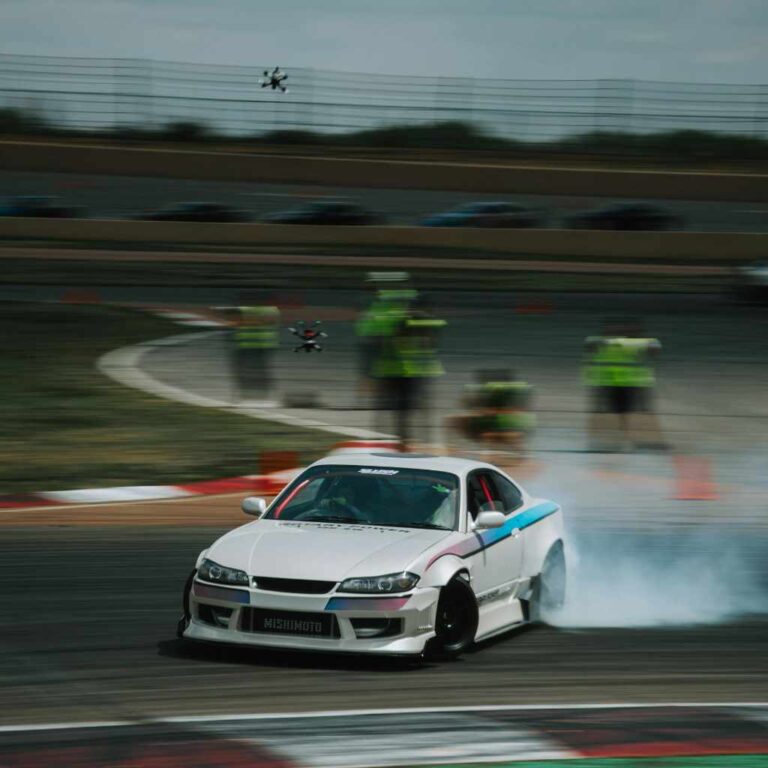
| Drift | Nissan Silvia S15 Spec-R | While not the fastest overall, this offers the best speed retention during drifts. | 300+ (Speed is secondary to Angle) |
| Off-Road (Rally/Baja) | Ford F-150 Raptor / Chevrolet Colorado ZR2 | Speed maintained over rough terrain (less concern for absolute top speed). | 330+ (Relative to terrain) |
As you can see, while the Regera often cross-pollinates into other categories, specialized vehicles like the off-road trucks are designed to maintain usable speed where the hypercars wipe out. But for raw numbers on the highway, the hypercars win.
The Deep Dive: Why Performance Upgrades Matter More Than The Badge
Here is the secret that every mechanic, whether fixing a real car or a virtual one, knows: The tune is king. You could take a mid-tier car, like a souped-up Nissan GT-R (R35), and beat a stock Koenigsegg simply because the GT-R has been perfectly optimized.
To truly maximize any car’s speed potential in NFS Payback, you must focus on reaching the maximum Performance Index (PI) rating possible for that vehicle, usually around 399 for the top-tier race cars.
Essential Steps to Maximize Speed (The Tuning Checklist)
Follow these steps—think of this as routine maintenance for your digital speed machine—to ensure you are getting every ounce of performance out of your chosen vehicle:
- Acquire the Right Car: Start with a high-tier Race or Drag car (like the Regera, Agera R, or Pagani Huayra BC).
- Obtain Full Performance Level 3 (Pink) Parts: You need every single performance part (Engine Block, ECU, Turbocharger, Nitrous, etc.) to be Level 3 (Pink rating). Scrap duplicate parts until you have the best ones.
- Upgrade the Transmission (Crucial Step): This is vital for top speed. You must upgrade the gearbox to the highest possible level and then adjust the final drive ratio. For absolute top speed, you want to make the final gear ratio as “tall” (low numerical value) as possible while ensuring the car can still reach its maximum engine RPM in that final gear before hitting a speed limiter.
- Nitrous Tuning: For Drag events, tune your Nitrous for a faster hit and longer duration. For pure speed tests, ensure you have the best available Nitrous system installed.
- Tire Pressure (In-Race Tuning): When preparing for a speed run, adjust tire pressure slightly lower for better straight-line grip, though this is a minor effect compared to engine parts.
- Weight Reduction: If available for your car class (often standard on high-end Race cars), use all available weight reduction parts. Less weight equals faster acceleration and slightly higher top speed ceilings.
This process guarantees that even if a competitor pulls out the Regera, if your GT-R is perfectly tuned to 399 PI, the difference will come down to driving skill, not base car superiority.
The Underdogs: Affordable Cars That Can Still Hit High Speeds
Not everyone has millions of Speed Cards or endless cash lying around. If you are earlier in the story progression and need a car that punches above its weight class in terms of top speed potential, look toward former champions that are more accessible.
Tuning Potential in Mid-Tier Racers
Certain cars from the first tier of hypercars or high-end supercars can be tuned to reach fantastic speeds, often reaching PI ratings near 380 or 390, making them competitive against near-maxed-out rivals.
Consider these fantastic value-for-money options:
- Nissan GT-R (R35): Known for its insane durability and incredible modding potential. If you nail the gearing, it rivals cars costing twice as much.
- Chevrolet Corvette Grand Sport: A slightly heavier tuner favorite, but its sheer horsepower potential when fully upgraded is staggering in a straight line.
- Aston Martin Vulcan: Often overlooked, this car has excellent base acceleration that translates well into high top speeds once its powerful engine is uncorked.
Remember, the game mechanics reward applying the best possible parts across the board. A fully upgraded Nissan, despite being a lower-tier purchase initially, can benefit just as much from a Level 3 Titanium Turbocharger as a Koenigsegg can.
Drag Racing Specifics: A Different Kind of Fast
Drag racing flips the script. It’s not just about the highest achievable speed; it’s about how fast you get there. Here, the Launch and Shift Timing are more critical than the final 399 MPH peak speed.
For Drag events, the fastest cars are those that combine explosive launch control with the ability to maintain acceleration through the gear changes without power dropping off too much.
Key Components for Drag Dominance
When building a dedicated dragster, you fundamentally change the tuning philosophy:
- Engine Swap: Always swap to the highest displacement or highest horsepower engine available for your chassis if possible (e.g., swapping a V8 into a smaller chassis).
- Tires: Use Drag Slicks (if available for the vehicle) for massive initial grip.
- Gearing Strategy: Unlike top speed runs where you stretch the final gear, in Drag, you want tighter gearing initially to keep the RPM in the power band for every single shift. The car should feel like it screams through every gear quickly until the final, longest gear.
- Nitrous Management: Nitrous should be deployed relatively early in the run to push you past the initial sluggishness of the lower gears, but not so early that it burns out before your final gear shift.
For more technical details on engine mechanics and performance standards in vehicle simulation games, you can often find valuable baseline data referenced in university physics or engineering course materials, such as those discussing rotational dynamics and power curves, which directly translate to how these virtual engines behave.
Nitrous Oxide Systems: Your Temporary Speed Boost
Even the fastest car needs a little extra push to claim victory or smash a record. Nitrous Oxide (Boost) is that extra shot of adrenaline in NFS Payback. Understanding how to use it correctly is key to winning races using your speed demon.
Nitrous Usage Best Practices:
- The Green Zone: Always monitor your boost meter. You want to hit the boost when the meter is deep in the green section—this means your engine RPM is perfectly matched to the nitrous flow, giving you maximum effectiveness.
- When to Deploy: For top speed runs, deploy boost slightly later, usually after you hit the third or fourth gear, to ensure you have enough momentum built up.
- Avoid Red Zones: If you deploy boost when the meter is in the red (too high or too low RPM), you waste the charge, and it takes longer to refill.
- Dual Deployment: In extremely long races, if you have a dual-charge system, save the second charge for the final straightaway.
Mastering Nitrous on your fastest vehicle is essential. It turns a 225 MPH sprint into a 235 MPH explosion of velocity just when you need it most.
Handling the Absolute Fastest Cars: The Stability Factor
Here is a crucial reality check, and where many beginners get stuck: The fastest cars are often the hardest to drive.
When a car like the Koenigsegg Regera or Aston Martin Vulcan is tuned purely for top speed (stretching the gearing to the absolute limit), its handling suffers dramatically. They become incredibly twitchy, meaning the smallest steering input at 230+ MPH can send you spinning into a wall.
Balancing Speed and Control
This brings us back to making smart choices depending on the mission:
- For Speed Trap/Speed Run Events: Sacrifice handling entirely. Tune for max top speed, ignore cornering, and rely on perfect braking zones. The Regera shines here.
- For Circuit Races (Track/Grip): Sacrifice a little top speed (keep the final gear slightly shorter) for better acceleration out of corners and more responsive steering. A car like the McLaren P1 or Porsche 911 RSR often provides a better overall package here, even if its absolute top speed number is slightly lower than the Regera.
Think of it this way: A car that hits 220 MPH perfectly around every curve is faster over a full lap than a car that hits 235 MPH but has to brake hard four times because it handles poorly. Always match your car’s setup to the task at hand.
Acquiring the Need for Speed Payback Speed Icons
The very best cars in the game are often locked behind specific milestones or require you to defeat one of the major story bosses (The League or The House members) who specialize in that vehicle type.
If you want the fastest cars, you must beat the fastest drivers. Here is a generalized sequence:
- Progress through the Story: Unlock the major sectors of Fortune Valley.
- Target Speed Specialists: Focus on the missions given by characters known for their superior Race or Drag vehicles.
- The Card System: Once you earn a car, you need Speed Cards via random drops or purchasing them from the Junkyard. To get to 399 PI, you need consistent drops across all performance categories (Engine, Drivetrain, Chassis, Exhaust, etc.).
- Trade Resources: Never underestimate trading in a lower-level car’s components or using excess cash to buy bulk shipments of “off-brand” Speed Cards, hoping to land the specific Tier 3/Pink parts you need to finish your build. The official Need for Speed guides often detail the best farming routes for these components.

Frequently Asked Questions (FAQ) for Novice Speed Hunters
Q1: Is the Bugatti Chiron one of the fastest cars in NFS Payback?
A: While the Bugatti Chiron is incredibly fast and expensive, it generally ranks just slightly below the Koenigsegg Regera in terms of pure, theoretical top speed when both are tuned to their absolute maximum PI of 399. The Chiron excels in acceleration, however.
Q2: Do I need a specific Nitrous upgrade to reach maximum speed?
A: Yes. You must have the highest tier (Tier 3, Pink) Nitrous system installed. Furthermore, ensure your Nitrous system is configured for “Speed” or “Duration” rather than “Burst” if you are trying to maintain massive velocity over very long stretches.
Q3: How do I adjust my car’s gearing for top speed?
A: Access the “Tune Parts” menu for the Transmission. You need to manually increase the final drive ratio (making the number smaller, like 2.50 instead of 3.80). However, be careful: if the final number is too low, your engine will hit its RPM limit before reaching its theoretical top speed potential.
Q4: What is the “Performance Index” (PI) I keep hearing about?
A: The PI is the game’s overall measure of how tuned your car is. For Race and Drag vehicles, you are aiming for the highest possible rating, usually 399, which signifies that every part on the car is the best available option for that chassis.
Q5: Can an Off-Road vehicle ever be as fast as a hypercar?
A: No, not on pavement. Off-road vehicles (like trucks and rally cars) are designed to convert their extensive horsepower into usable traction on dirt, sand, and gravel. Their top speeds on road events will always be significantly lower because of their high profile, heavy tires, and aerodynamics.
Q6: Should I use the same car for Drag and Circuit racing?
A: For beginners, yes. Using a versatile car like the GT-R or Regera and just swapping the tune between “Max Speed” and “Grip Handling” is easier. Expert players often prefer dedicated cars because the tuning compromises required for one style hurt the other too much.
Conclusion: Your Path to Becoming Fortune Valley’s Fastest Driver
Finding the fastest car in Need for Speed Payback boils down to one main vehicle—the Koenigsegg Regera—but true victory comes from understanding why it’s the fastest and applying those principles to your own garage. Remember, raw stats mean very little if your parts aren’t perfectly synced.