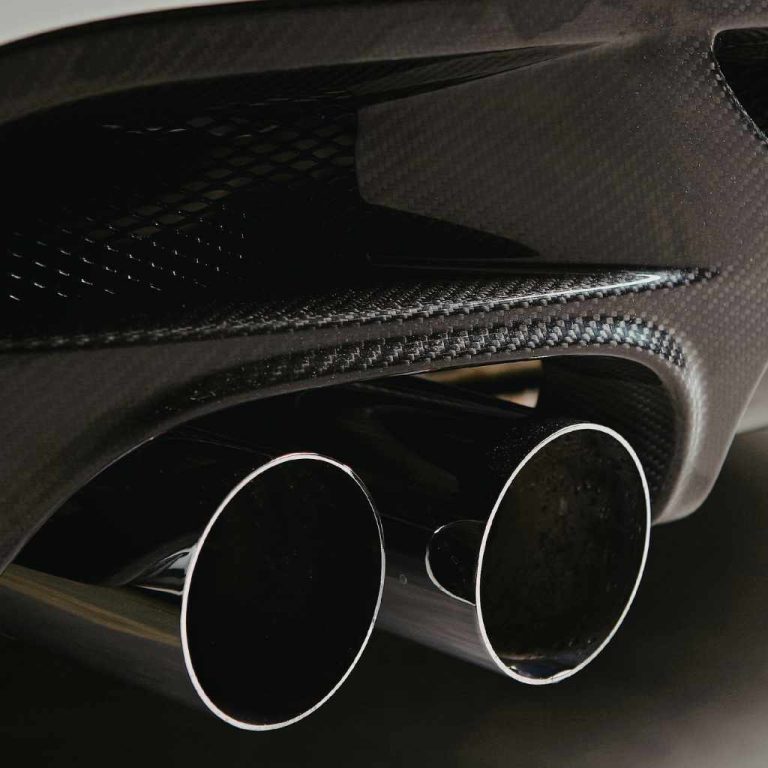
Do Aftermarket Exhaust Tips Change Sound? Best Guide
Generally, aftermarket exhaust tips alone offer only minor, subtle changes to sound, mostly affecting the high-end tone or resonance. True, significant sound changes come from replacing the muffler or the entire exhaust system, not just bolting on decorative tips. For noticeable acoustic improvements, focus on the muffler first.**
It’s frustrating when you want your car to sound a little throatier, but all the options online seem complicated. You see shiny exhaust tips advertised everywhere, and you wonder: will swapping out those dull factory tips for some polished stainless steel make my ride sound cooler? It’s a very common question automotive newcomers ask.
The short answer is: sometimes, but not much. Most of the sound magic actually happens much further up the system. Don’t worry; we are going to break down exactly what exhaust tips do and what they don’t do. By the end of this guide, you will know precisely where to spend your money for the best sound upgrade. Let’s demystify exhaust tips and make sure you get the tone you are looking for!
Understanding the Exhaust System: Where Sound is Really Made
Before we talk only about the tips, we need a quick tour of the exhaust system roadmap. Think of your car’s exhaust like a series of tubes designed to move hot, burnt gases away from your engine safely. The sound level—or the “roar”—is controlled by specific parts along this path.
The Main Sound Controllers in Your Exhaust
If you want a big change in sound (louder volume or a deeper tone), you usually need to modify one of these three main components:
- Manifold/Headers: This is where the exhaust gases first leave the engine. Upgrading here can slightly change the character of the sound, but it’s an advanced modification.
- The Mid Pipe/Resonator: The resonator is like a specific tuning flute in the system. Removing or changing it greatly alters the tone and raspiness.
- The Muffler: This is the heavy-duty sound dampener, usually the largest canister under the car. This component controls about 80–90% of your vehicle’s overall exhaust volume.

The Role of the Exhaust Tip: Appearance Over Acoustics
So, what does the very end piece—the tip—actually do? Mostly, it’s about looks, fitment, and final exit polish. Exhaust tips are the decorative or functional ends that bolt onto, weld onto, or slide over the pipe coming out of the muffler.
How Exhaust Tips Can Affect Sound (Slightly)
While the muffler does the heavy lifting, the tip can apply some finishing touches. The impact on sound relates primarily to two physical factors: diameter and internal baffling.
1. Tip Diameter
If you replace a small, stock tip (say, 2 inches) with a much larger aftermarket tip (say, 4 inches), you are essentially opening the “exit door” wider. In theory, wider paths can allow sound waves to escape with slightly less restriction. However, because the muffler has already done most of the muffling, the difference is often subtle. You might notice a very slight bump in volume or a minor change in the high-frequency “hiss,” but rarely the deep rumble folks hope for.
2. Internal Baffling and Design
Some high-performance or specialty tips actually come with internal baffles or resonators built right into the tip itself. These designs are intended to cancel out specific undesirable high-pitched sounds (like drone or rasp) that might have been introduced when you upgraded the muffler. Tips designed specifically to eliminate drone will reduce sound slightly, while those made with minimal internal walls might let a fraction more sound out.
The Takeaway: If you see a tip that is literally just a hollow metal tube with a nice finish, it will contribute almost nothing to the volume. If you see one with complex internal chambers, it’s designed to fine-tune what the muffler already set.
Comparing Tip Swaps vs. Muffler Swaps: Sound Comparison
To really drive home the point of do aftermarket exhaust tips change sound, let’s look at the typical results you get from different modifications. This comparison should help guide your budget.
| Modification | Typical Sound Change | Cost Expectation |
|---|---|---|
| Installing New Exhaust Tips Only | Minimal change; slight tonal shift, perhaps a minor volume tweak. | Low ($50 – $300) |
| Replacing the Stock Muffler | Significant, noticeable change in volume and depth (tone). | Medium ($200 – $600) |
| Installing a Full Cat-Back System | Major change in tone, volume, and potentially performance characteristics. | High ($500 – $2000+) |
How to Choose the Right Exhaust Tip for Your Goals
If you still want to upgrade your tips—perhaps because the old ones are rusty or you love the look—it is important to choose them based on what you ultimately want to achieve.
Goal 1: Maximum Visual Impact (The “Show Car” Look)
If you are chasing looks, focus on material and size. Tips are often made from stainless steel (durable, shiny) or rolled carbon fiber (lightweight, modern look).
- Tip Style: Look for rolled edges, slash cuts, or double-wall designs for a premium appearance.
- Finish: Polished chrome stays bright but needs frequent cleaning. Black ceramic coating hides heat discoloration well.
- Size Matters: Larger diameter tips (e.g., 3″ or 4″) stand out more, but ensure they match the bumper cutout on your vehicle.
Goal 2: Minor Sound Enhancement (The “Subtle Shift”)
If you are doing this hoping for just a hair more volume, you must look at the piping connecting to the tip.
- Check the Stock Setup: Some factory tips incorporate a small resonator or sound baffle inside them. If your stock tip has internal packing, replacing it with a straight, hollow tip might yield a barely audible increase in noise.
- Choose Larger Diameter: Opt for a tip that is 0.5 to 1 inch larger in diameter than your stock pipe exit. This offers the best chance of a tonal shift without cutting into your muffler budget.
Installation Safety and Tips: A Beginner’s Checklist
Installing exhaust tips is one of the easiest automotive upgrades you can do, often requiring no welding. However, safety and proper fitment are key. Always work on a cool vehicle.
Tools You Might Need
For simple slip-on or clamp style tips, you won’t need much heavy gear. Always wear safety glasses!
- Safety Glasses and Gloves
- A Jack and Jack Stands (if you need more under-vehicle room)
- A Measuring Tape
- Appropriate Wrench or Socket Set (for clamp-on styles)
- High-Temperature Silicone or Exhaust Cement (for a semi-permanent seal)
Step-by-Step Installation Guide (Clamp-On/Slip-On Types)
- Cool Down: Ensure the vehicle has been off for hours. Exhaust systems get dangerously hot very quickly.
- Measure Twice: Measure the outer diameter (OD) of your existing tailpipe where the new tip will slide over. Buy a tip that is slightly larger (1/4 inch larger is usually a safe bet) or one that matches your known pipe size if it’s a bolt-on.
- Remove Old Tips (If Necessary): If your old tips are bolted on, unbolt them. If they are rusted or welded, you may need to use a reciprocating saw or cut-off wheel carefully. (If cutting is involved, this is often the time to upgrade the muffler too!)
- Clean the Surface: Use a wire brush or brake cleaner to thoroughly clean the outside of the existing tailpipe. A clean surface ensures a tight fit.
- Slide and Position: Slide the new tip over the pipe. Adjust it until the tip is perfectly centered, straight, and sticking out the desired distance from the bumper.
- Secure the Tip: If your tip has clamps, tighten the bolts evenly until the tip is firmly secured and cannot spin. For extra peace of mind, apply a small bead of high-temperature exhaust cement around the joint before sliding the tip on; this helps seal any minor air gaps and prevents rattles. Allow the cement to cure according to the manufacturer’s directions before running the car hard.
Legal Considerations for Exhaust Noise
When you start modifying your exhaust (even just tips), it’s wise to check local noise ordinances. While swapping tips is almost always legal because the sound change is negligible, if you decide to upgrade mufflers for volume, you must be aware of the rules. Many states and municipalities have laws regarding maximum decibel levels, especially within city limits. For example, some jurisdictions prohibit excessive noise that disturbs neighbors, which falls under general vehicle code statutes (you can often check your state’s Department of Transportation website for specific noise regulations).
Remember, your primary goal should always be safety and ensuring your modification doesn’t fail inspection or earn you an unwanted ticket while admiring your new look.
The Science Behind Mufflers vs. Tips
To truly understand why the tip has minimal effect, we look at wave mechanics. Exhaust noise consists of pressure waves moving down the pipe. The muffler is specifically designed to cancel these waves out using a combination of chambers, perforated tubes, and sound-absorbing materials that reflect sound waves back onto themselves, effectively canceling volume.
The exhaust tip sits after all this noise reduction work is done. It acts as the ductwork outlet. While changing the exit size changes resistance (back pressure, which affects performance minimally on modern cars), its effect on the already attenuated sound waves is small compared to what the muffler accomplishes.
When Exhaust Tips Do Make a Sound Difference
There are two specific scenarios where tips introduce an audible change, beyond general volume:
- Stock Muffler Bypass: If you remove your stock muffler entirely and just run a straight pipe with a nice tip on the end, yes, the tip will become the primary exit point and you will hear a massive, raw change in sound. (Note: This is often extremely loud and usually illegal for street use.)
- Axle-Back Performance Kits: Some high-end “axle-back” systems replace the muffler and the tailpipe section as one unit. In these specialized kits, the accompanying tip is engineered as part of the overall muffler package to optimize flow and sound quality—not as an addition to the stock system.
For the average DIYer planning a simple tip swap, you are focusing on aesthetics, not acoustics.
Frequently Asked Questions for Exhaust Beginners
Q1: Will changing my exhaust tips void my car’s warranty?
A: Generally, no. Swapping bolt-on tips is considered a cosmetic trim change, similar to swapping floor mats. If the tip swap causes an issue related to the engine or emissions system, the manufacturer could try to deny that specific claim, but simple slip-on tips are rarely an issue.
Q2: Can I use heat to bend my stock tips to look cooler?
A: I strongly advise against this. Heating metal components in the exhaust system can weaken the material, leading to cracking or premature failure. It’s safer and often necessary to cut the old tip off and replace it with a new one that has the correct angle.
Q3: How much louder will my car get if I only upgrade the tips?
A: Most drivers report an increase of zero to maybe 1-2 decibels (dB) in volume, which is barely noticeable outside the vehicle. You will notice the visual difference, not the volume difference.
Q4: What material is best for exhaust tips?
A: 304 Stainless Steel is considered one of the best due to its high resistance to rust, corrosion, and heat discoloration. Titanium is very high-end and durable but much more expensive.
Q5: Do I need to weld the new tips on?
A: Only if you want a permanent, perfect seal. Most aftermarket tips come with friction clamps or bolt mounts. For most daily drivers, clamping them tightly is sufficient. Welding adds security but requires specialized tools or a professional shop visit.
Q6: Will bigger tips affect my gas mileage?
A: No. The effect on gas mileage from tips alone is so tiny it is non-existent for real-world driving. Significant changes in gas mileage would only occur if you drastically altered the entire exhaust restriction, like removing the catalytic converter (which is highly illegal and not recommended).
Conclusion: Making the Right Call for Your Car’s Roar
We have covered the core question: do aftermarket exhaust tips change sound? The definitive answer is that they make virtually no discernible change to volume or deep tone because the heavy work of sound reduction is handled by the muffler and resonator upstream.
If achieving a deeper, louder exhaust note is your top priority, you must invest your time, effort, and money into upgrading the muffler or considering a full cat-back system. That is where real acoustic transformation happens. Exhaust tips are the jewelry of the exhaust system—they finish the look and provide that perfect exit point for the gases, making your car look sharp and complete.
If you are happy with your current sound but your tips look dull, go ahead and swap them out for better style—you’ll enjoy the visual upgrade every time you walk up to your car. If you are uncertain about the next step, start by researching quality mufflers compatible with your vehicle. By understanding the function of each part, you can confidently upgrade your ride safely and effectively, creating a setup that sounds and looks exactly how you pictured it.