Do Exhaust Tips Affect Insurance? Essential Guide
Do exhaust tips affect insurance? Generally, no, simple slip-on exhaust tips do not require disclosure to your insurer. However, major exhaust system modifications, like full performance or “loud” systems, can impact your policy, potentially affecting coverage or rate calculations if they increase the car’s value or perceived risk. Always check with your agent for specifics.
Owning a car is exciting, especially making small updates that change its look or sound. Many car owners wonder about exhaust tips. They are often the easiest visual upgrade! But a common question pops up: do custom exhaust tips affect my car insurance rates or coverage? It can feel confusing trying to keep up with insurance rules. You want to personalize your ride safely and legally. Rest assured, we will break this down simply. We will look at what insurance companies really care about. This guide will give you clear answers so you can upgrade confidently. Let’s dive into exactly how those shiny tips fit into your insurance policy.
Understanding Exhaust Tips vs. Exhaust Systems
Before we talk insurance, we need to know what we are dealing with. Not all parts under your car are the same.
What is an Exhaust Tip?
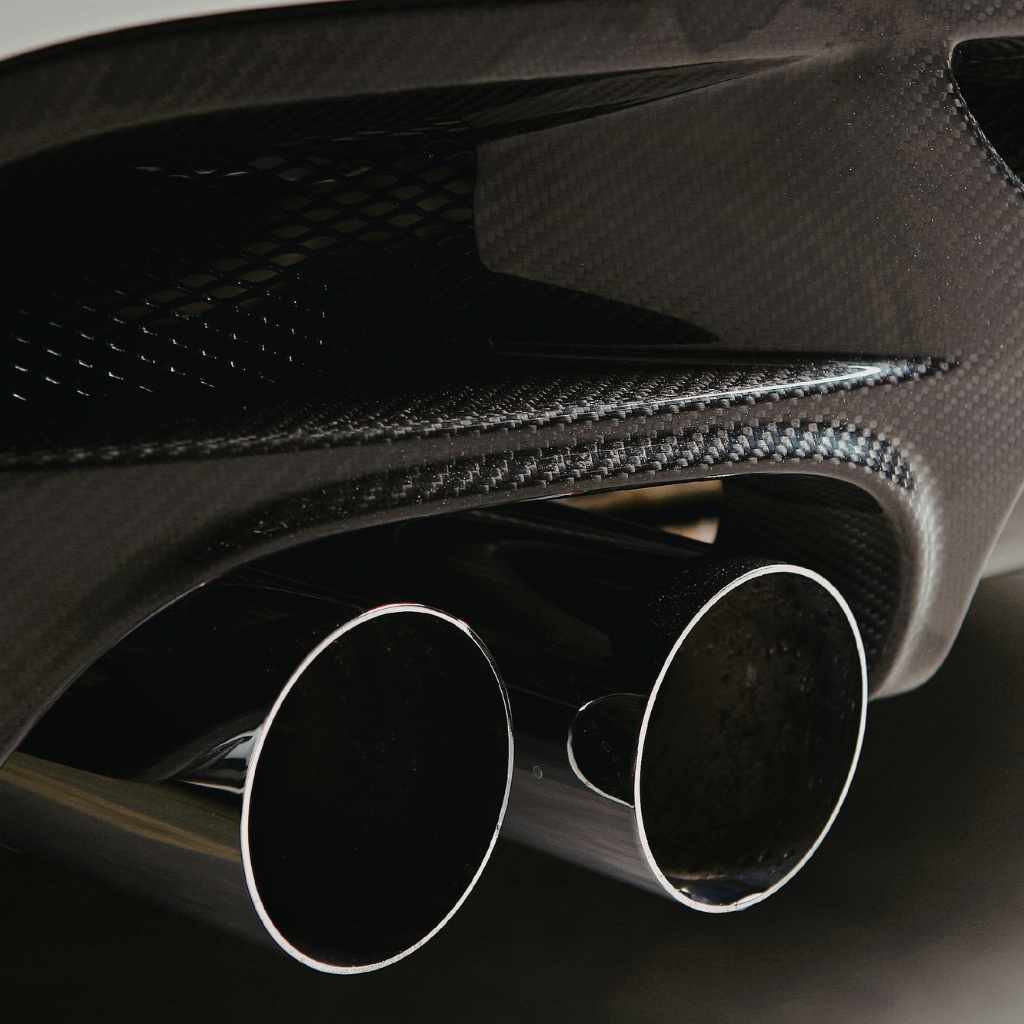
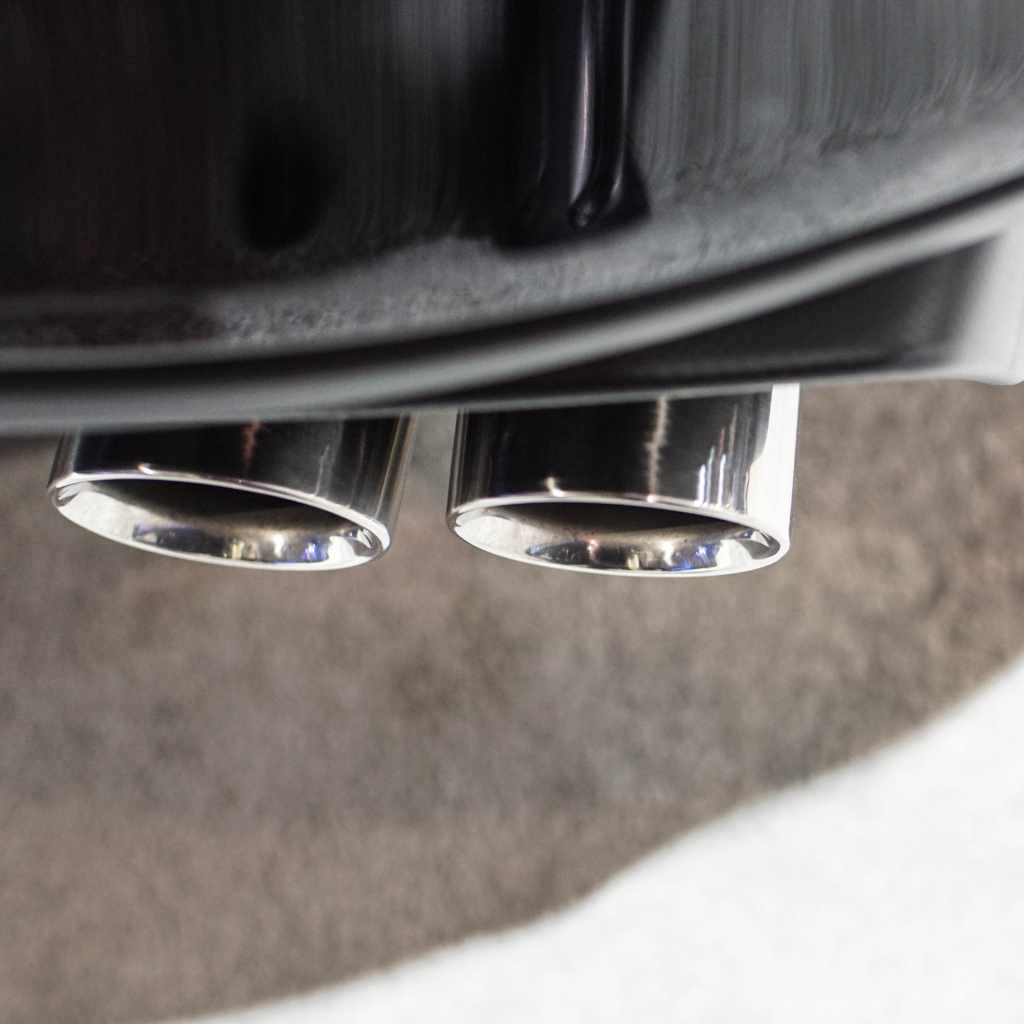
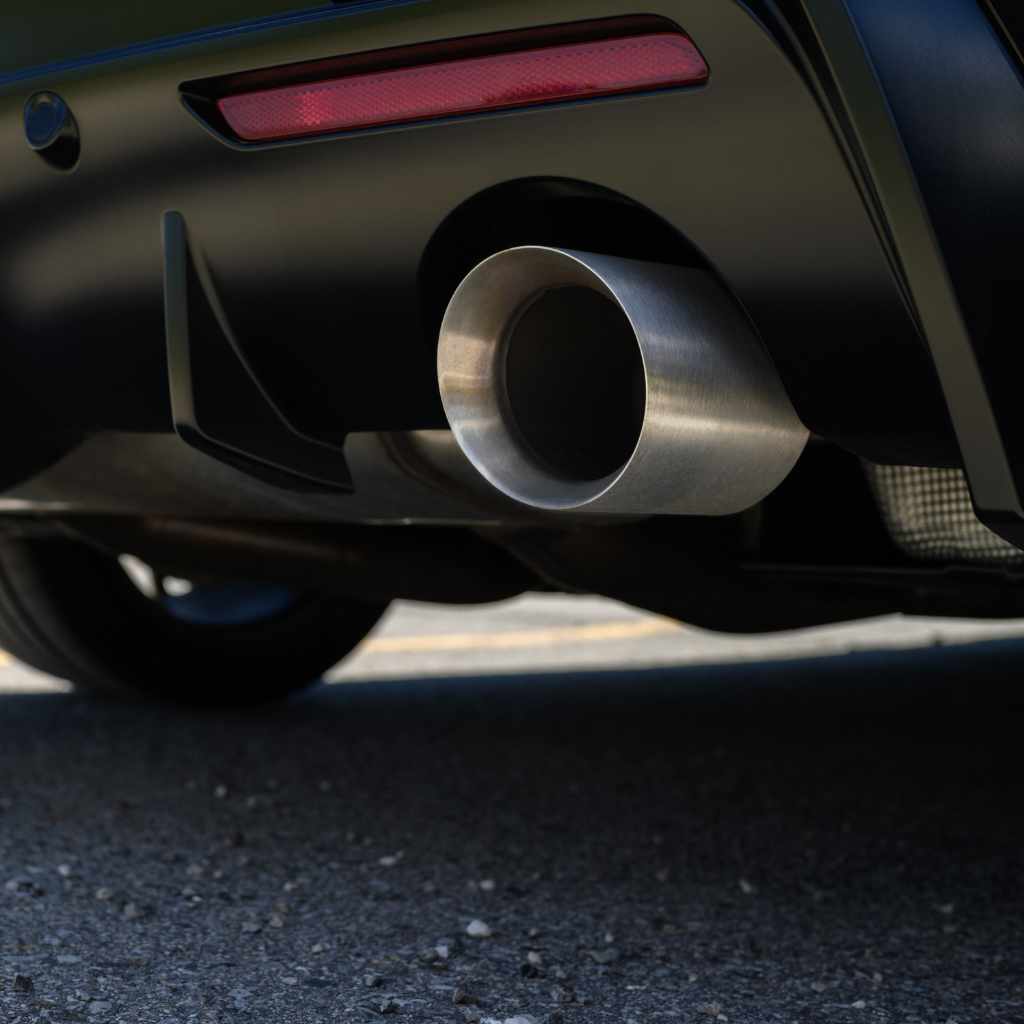
Think of the exhaust tip as the cosmetic end piece of your car’s exhaust system.
It’s often the last part you see, right under the bumper.
They come in many shapes: polished chrome, matte black, dual outlets, or stylized angles.
They are usually attached right onto the existing exhaust pipe, often with a simple clamp or bolt.
Its main job is appearance and sometimes minor sound tweaking (if it’s a ‘muffler tip’).
What is a Full Exhaust System Modification?
This is a much bigger deal than swapping an end tip. A full system modification involves replacing major components between the engine and the tip. This usually includes:
1. Headers (Manifolds): Where the exhaust gases first exit the engine.
2. Downpipe: The pipe leading from the turbo/catalytic converter.
3. Mid-Pipe/Resonator: Pipes in the middle that help manage sound.
4. Muffler: The main chamber dedicated to silencing engine noise.
When you change the entire system (often called a “cat-back” or “full system”), you are altering the vehicle’s original factory specifications, which is what insurance companies monitor closely.
The Core Question: Do Exhaust Tips Affect Insurance?
For the vast majority of everyday drivers, the answer is a resounding no.
A simple, slip-on exhaust tip does not typically trigger any insurance changes. Here is why:
Insurance Focus: Value and Risk
Insurance companies calculate your premium based on two main factors related to your vehicle:
1. Replacement Cost (Value): How much would it cost to replace or repair your car after an accident?
2. Risk Profile: How likely is the driver to be in an accident or make a claim?
A $100 chrome tip does almost nothing to change the overall replacement value of a $25,000 car. It also doesn’t inherently increase the risk of crashing.
When Might a “Tip” Get Noticed? (The Gray Area)
While the tip itself is usually fine, sometimes the installation process can cause confusion:
Welding vs. Clamping: If you have a clamp-on tip, it’s DIY-friendly and temporary. If you have a professional welder permanently attach a custom tip, they might accidentally categorize the work as a “custom exhaust modification” during a total loss inspection, though this is rare for just the tip.
The Sound Factor: If the tip installation accidentally loosens or changes the sound of a much louder, aftermarket muffler (part of the system), the louder sound could draw attention later.
When Modifications DO Impact Your Insurance
The real shift happens when you move beyond the tip and upgrade the functional parts of the exhaust system. These bigger modifications fall under the category of “Aftermarket Parts” or “Vehicle Modifications.”
1. Increased Vehicle Value (Coverage Implications)
If you install an expensive, performance exhaust system (say, over $1,000), your car’s replacement value has technically increased.
Collision and Comprehensive Coverage: Standard policies cover the OEM (Original Equipment Manufacturer) parts value. If your $4,000 exhaust system is destroyed in a covered accident, the insurer might only pay you for the cost of a standard factory exhaust.
The Fix: Stacking Coverage: Some insurers offer “aftermarket modification coverage” or “accessories coverage” for an extra fee. This ensures that if your expensive custom parts are damaged, they are covered up to a certain limit (e.g., $3,000 or $5,000).
2. Perceived Risk (Rate Changes)
Some insurance companies believe that drivers who invest heavily in performance modifications are statistically more likely to drive aggressively. This is a generalization, but it is based on actuarial data studies.
Performance Exhausts (Loud Systems): A significantly louder exhaust system might lead an insurer to flag the vehicle as having higher performance potential, potentially increasing the risk factor associated with that vehicle class. This can sometimes increase comprehensive or collision premiums, though usually only if the modification is significant.
To avoid confusion and ensure coverage, it is always best practice to inform your insurer about major, expensive, or performance-enhancing modifications.
Regulatory Concerns: Beyond Insurance
Insurance is about protecting assets; legality is about obeying local laws, which can indirectly affect insurance claims.
Noise Ordinances
Many states and cities have strict limits on how loud a vehicle exhaust can be. Stock exhaust systems are designed to meet these standards.
The Problem: If you install a full performance exhaust that makes your car excessively loud, you might get pulled over and issued a ticket for violating local noise ordinances (these are often enforced by local police departments, like in your state’s Department of Transportation guidelines).
Insurance Link: While a simple noise ticket won’t raise your rates directly, accumulating citations can show a pattern of risky behavior, which underwriters might factor in later. Furthermore, if an accident occurs and the police report notes that your excessively loud car was a contributing factor (e.g., visibility or distracting other drivers), it complicates your claim.
Emissions Equipment (Catalytic Converters)
This is crucial: Never remove or modify federally mandated emissions equipment.
The catalytic converter is vital for reducing harmful pollutants. Removing it is illegal under US federal law, regardless of local state law, according to the Environmental Protection Agency (EPA).
If an insurance company discovers during a total loss inspection that you illegally removed smog equipment, they could potentially challenge coverage based on illegal modification, although this is extremely rare unless the damage is directly related to that part.
Step-by-Step: How to Handle Exhaust Upgrades Safely
If you decide to upgrade anything beyond the aesthetics of the tip, follow these steps to maintain peace of mind with your insurance.
Step 1: Determine the Scope of Work
First, decide exactly what you are adding or changing.
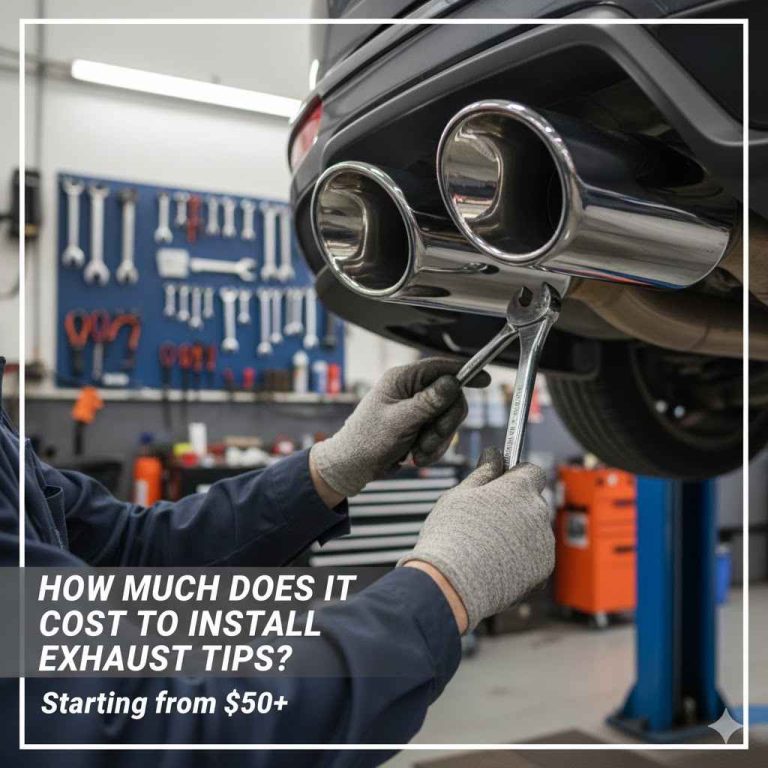
1. Aesthetic Tip Only ($50–$200): Clamped or bolted on. No internal system change. (Go to Step 4).
2. Muffler Upgrade ($200–$500): Replacing just the muffler, potentially louder than stock.
3. Cat-Back System ($500–$2,000): Replacing everything behind the catalytic converter. Significant sound change expected.
4. Full System/Headers ($2,000+): Major performance change, significant cost increase.
Step 2: Document the Cost and Details
Keep detailed records of every part and the labor cost.
Take clear “before” and “after” photos.
Save all receipts for parts and professional installation. This documentation proves the value if you ever need to file a claim later.
Step 3: Contact Your Insurance Agent (For Major Mods Only)
If you performed Step 1.2, 1.3, or 1.4, now is the time to call. Do not wait until you need to use the insurance!
Explain exactly what was done (e.g., “I replaced my stock muffler with a Flowmaster Super 44 series muffler”).
Ask specifically if your current policy covers the new value of the accessories.
Inquire about adding a specific rider or endorsement for aftermarket parts, if available.
Step 4: Check Local Regulations
Before installing anything, check your state’s Department of Motor Vehicles (DMV) website or local municipal codes regarding exhaust noise levels. Ensure your upgrade complies with local noise standards to avoid tickets, which keeps your insurance profile clean.
Insurance Checklist for Exhaust Modifications
Use this table to quickly determine if your specific upgrade requires an additional conversation with your insurance agent.
| Modification Type | Typical Cost | Insurance Talk Required? | Potential Impact |
|---|---|---|---|
| Simple Bolt-on Tip (Aesthetic) | $50 – $150 | No | Negligible |
| Aftermarket Muffler Swap | $200 – $500 | Recommended | Slight perceived risk increase; potential value change. |
| Cat-Back System Upgrade (Performance) | $800 – $2,500 | Yes, strongly recommended | Increased replacement value must be declared; possible adjustment to premium based on perceived risk. |
| Header/Downpipe Swap (Engine Performance) | $1,500+ | Yes, mandatory | Definitely increases perceived risk and replacement value significantly. |
Tools of the Trade: What You Might Need
If you are installing only a simple exhaust tip, you might need basic tools. If you are doing anything more complex, consult a professional mechanic.
Basic Tools for Simple Tip Installation:
- Socket Wrench Set (for existing clamps)
- Screwdrivers or Allen Keys (depending on the tip design)
- Penetrating Oil (to loosen rusted factory bolts)
- Jack and Jack Stands (Safety first! Never work under a car supported only by a jack. Visit resources like the National Highway Traffic Safety Administration (NHTSA) for proper vehicle lifting guides).
Tools for Replacement/Welding (Best Left to Pros):
- MIG or TIG Welder
- Pipe Cutter/Bandsaw
- Exhaust Hanger Removal Pliers
Comparing Insurance Types and Modifications
Different types of car insurance handle modifications differently.
Liability Insurance
Liability insurance covers damage you cause to other people and their property. Since an exhaust tip does not change how your car operates or how likely you are to hit someone, liability coverage is almost never affected by exhaust tips or systems.
Collision and Comprehensive Insurance (Physical Damage)
This is where aftermarket parts matter. This coverage pays to fix your car after an accident (Collision) or theft/vandalism (Comprehensive).
If you have a $3,000 aftermarket system that gets crushed in a collision, and you only have standard coverage, the insurer might only pay you $500 (the stock muffler cost). You pay the $2,500 difference out of pocket.
Calling your agent to add accessory coverage is the only way to protect your investment in performance parts under these policies.
Uninsured/Underinsured Motorist Coverage
This covers you if someone else hits you but they don’t have enough insurance. Since this coverage relates to the other driver’s liability, your exhaust modifications have zero impact on this part of your policy.
The Expert View: Confidence in Customization
As an automotive guide, my goal is to get you excited about your car while keeping you safe and legal. Customizing your exhaust for sound or looks is a respected part of car culture. The key takeaway is proportionality.
A small aesthetic change (the tip) has almost no impact on insurance. A large functional or financial change (the full system) absolutely requires a quick phone call to your agent to ensure your hard-earned money is protected. Think of it like home renovation: painting the front door (tip) is fine; adding a whole new wing to the house (full exhaust system) needs to be reported to your homeowner’s insurance.
To learn more about the legal framework surrounding vehicle modifications and safety, you can often check resources provided by your state’s Department of Motor Vehicles or related safety boards. For broader safety guidelines on installations, checking resources from established automotive safety groups can be beneficial.
Frequently Asked Questions (FAQ) About Exhaust Tips and Insurance
Q1: Will my insurance go up if I only change the look of my exhaust tip to black chrome?
A: Almost certainly not. Aesthetic, low-cost changes that do not affect performance or sound level are generally ignored by insurers and do not require disclosure.
Q2: Do I need to tell Progressive/Geico/State Farm about my new exhaust tip?
A: For just the tip, no contact is necessary. If you install a full performance exhaust system costing over $1,000, it is highly recommended to contact any insurer to discuss adding accessory coverage.
Q3: What is the difference between a “tip” and a “muffler” in the eyes of an insurance adjuster?
A: A tip is cosmetic trim. A muffler is a functional noise-reduction component. Replacing the muffler is a modification; replacing only the tip is usually considered an accessory change.
Q4: If I have a loud, aftermarket exhaust and get in an accident, can insurance deny my claim?
A: They generally cannot deny a claim simply because you have aftermarket parts. However, if the overly loud exhaust caused you to receive a police citation related* to the accident (e.g., police testify the noise distracted the other driver), it could complicate liability assessment.
Q5: Does custom work void my comprehensive insurance policy?
A: Customizing with cheap, bolt-on tips will not void your policy. However, making illegal modifications (like removing pollution control equipment) could potentially void coverage for claims directly related to those illegal parts, though this is rare.
Q6: If I install a performance exhaust, do I need a separate “parts coverage” policy?
A: You usually purchase an endorsement (a rider) on your existing policy. For example, you might add a $3,000 accessories rider for a modest annual fee, which protects that value specifically.
Q7: If I only change the tip, do I need to update my registration papers?
A: No. For basic cosmetic tips, no state registration update is required. If you change the engine type or significantly alter emissions output, updates might be necessary, but not for a simple tip swap.
Conclusion: Upgrade Your Look, Protect Your Investment
It is easy to feel overwhelmed when mixing car enthusiasm with insurance fine print. Let’s summarize: that shiny, affordable exhaust tip you just installed is almost certainly no threat to your insurance policy or your rates. Enjoy the improved look!
Where you need to pay attention is when the modification moves from simple decoration to full performance enhancement involving significant cost or major changes to sound output. If you’re dropping serious cash on a cat-back system or headers, take five minutes to call your agent. Affirming that you have accessory coverage ensures that if the worst happens, your investment in performance and style is protected, not lost. By understanding the difference between a cosmetic tip and a system overhaul, you can personalize your car confidently, safely, and without any hidden insurance surprises down the road. Happy driving!
Related pick: Check today's price on Amazon