
Muffler vs Exhaust Pipe: Key Differences
The muffler is the rear sound-control canister that breaks up exhaust pulses before they leave the car; the exhaust pipe is the tubing that routes gases between the engine, catalytic converter, muffler, and tailpipe. Mixing them up can send you to the wrong repair, raise cabin noise, create leaks, fail inspections, or trigger a fine for an illegal exhaust change. This guide shows how to separate them by shape, location, and symptoms, plus what changes when either one is removed, repaired, or replaced.
| Decision factor | muffler | exhaust pipe | Winner |
|---|---|---|---|
| Main job | Reduces exhaust noise and shapes tone | Carries exhaust gases along the exhaust path | tie |
| What it changes when altered | Louder rear exit, more drone risk, possible tone change | Leak repair, routing, fitment, and sometimes flow if damaged or resized | tie |
| Common failure symptom | Rasp, boom, or rear noise increase after internal damage or removal | Puffing, ticking, rattling, or visible rust holes near a joint | tie |
| Emissions impact | Does not remove pollutants | Does not remove pollutants on its own | tie |
| Best-fit repair | Replace for noise control, delete for louder tone, keep if intact | Repair or replace if cracked, rusted, or misaligned | tie |
| Typical mistake | Calling any rear exhaust box a pipe | Calling any exhaust tubing a muffler | tie |
Positions and common mix-ups
The muffler quiets exhaust pulses near the rear of the system. The exhaust pipe moves gases through the system and out of the vehicle. That split matters because a noise problem usually points to the muffler or resonator, while a leak, rust hole, or broken hanger often points to the pipe.
How each part sits in the exhaust path
On many cars, exhaust leaves the engine, passes the catalytic converter, may pass a resonator, then reaches the muffler and tailpipe before exiting. The tailpipe is the last section before exhaust leaves the vehicle. That is why a rear pipe and a muffler can sit close together and still do very different jobs.
Why people confuse them
Both parts sit under the car and both can be made from steel tubing. A muffler-delete quote may describe “replacing the muffler with a steel pipe,” which makes the wording even easier to mix up. But a pipe is transport hardware; a muffler is the sound-control section.
Say your sedan starts sounding coarse at idle, and the noise is strongest near the rear bumper. That points more toward the muffler area than the front half of the exhaust path. If the noise is a sharp puffing sound under the floorpan, a pipe leak is more likely.
Comparison table: muffler, pipe, and related parts
The main trade-off is simple: the muffler exists to reduce noise, while the exhaust pipe exists to move gases and keep the exhaust route intact. A damaged pipe calls for a repair decision. A changed muffler calls for a sound decision, and the legality question depends on what else stays on the car.
| Part | Primary role | Location clue | Sound impact | Emissions impact | Winner |
|---|---|---|---|---|---|
| muffler | Sound attenuation and tone shaping | Near the rear of the exhaust system, before the tailpipe | Strong | None by itself | muffler |
| exhaust pipe | Moves exhaust gases out of the vehicle | Runs between exhaust components; tailpipe is the last section | Low unless damaged or reconfigured | None by itself | exhaust pipe |
| tailpipe | Final outlet section | Very last section before exhaust leaves the vehicle | Usually minor unless part of a louder layout | None by itself | exhaust pipe |
| resonator | Additional sound control and drone reduction | Usually ahead of the muffler in the exhaust path | Moderate | None by itself | muffler |
| catalytic converter | Emissions control | Upstream in the exhaust system, before the muffler on most layouts | Some effect, but not its main role | Strong | tie |
Muffler
The muffler is the part you change when you want less restriction to sound, more volume, or a different tone. It can affect airflow, but it does not remove pollutants from the air. That is why a muffler change is a sound decision first, not an emissions fix.
Exhaust pipe
The exhaust pipe carries gases out of the car and keeps the exhaust path intact. A straight replacement section can solve a rusted hole or broken section without changing the whole system. If the pipe is sound and the complaint is noise, replacing it may not solve the actual problem.
Tailpipe
The tailpipe is the final section before exhaust exits the vehicle. A cracked tailpipe can hiss, rattle, or fail an inspection, even if the muffler appears to be fine. Because it sits at the end, it is often mistaken for the whole exhaust outlet.
Resonator and catalytic converter
The resonator is another sound-control part, and it often stays in place during a muffler delete. Removing it usually increases loudness and can worsen drone. The catalytic converter is different: it is an emissions-control component, and removing it changes legality in many places.
Is a muffler and exhaust pipe the same thing?
No. A muffler quiets exhaust, while an exhaust pipe carries exhaust gases through the vehicle. If the rear section is loud but intact, the muffler is the more likely target. If the problem is rust, leaks, or a broken section of tubing, the exhaust pipe is the more likely part.
How to tell them apart by shape and location
A muffler is usually a larger canister or chamber. A pipe is plain tubing with bends, joints, and hangers. On many vehicles, the muffler sits near the rear axle area, while the tailpipe is the final short section that exits behind or under the bumper.
What a muffler delete actually removes
A muffler delete removes the muffler only and replaces it with pipe. In many setups, the catalytic converter stays in place, and the resonator often stays in place too. That means the car gets louder without becoming a full straight-pipe system.
What stays on the car in most delete setups
Most muffler-delete setups keep the catalytic converter, and many keep the resonator as well. That is why the result is not the same as removing the entire exhaust silencing chain. The car still routes exhaust gases through the remaining system parts.
What changes if you replace the muffler with a pipe?
Replacing the muffler with a pipe raises exhaust volume and usually makes the note sharper or harsher. It does not remove pollutants, and it does not automatically create a large power gain. The real changes are noise, tone, drone risk, and the chance of inspection trouble.
Sound volume and tone changes
Replacing the muffler with straight tubing raises exhaust volume. A muffler delete is often described as swapping the muffler for a steel pipe. That is why the rear exit gets louder even when the catalytic converter remains.
Picture a compact car with a stock exhaust and a quiet cabin. Swap only the muffler for pipe, and the idle may stay manageable while acceleration sounds much more aggressive. At steady highway speed, the same change can turn into a boom that wears on the ears.
Drone and highway comfort
Drone is the low-frequency resonance that appears at certain engine speeds. It is a common downside of louder exhaust changes, especially in daily drivers. A resonator can help control that, which is why deleting only the muffler is often less punishing than removing every sound-control part.
Backpressure and performance claims
Backpressure comes up constantly in exhaust debates, but simple delete claims are often oversold. Reduced restriction can change flow, and some engines respond more than others, especially turbo layouts versus naturally aspirated engines. One comparison table lists about 5 horsepower for a muffler delete and about 10 horsepower for straight pipe, but that should be read as a rough comparison rather than a universal result.
Muffler, tailpipe, and resonator repairs
When the complaint is a leak or broken part, you usually want a repair, not a delete. A pipe section can be repaired or replaced without changing the car’s whole sound profile. That is the better path when the exhaust note is still acceptable and the problem is local damage.
Rusted pipe before the muffler
If the pipe before the muffler is rusted through, the likely fix is a pipe replacement or weld-in repair section. That is a different job from a muffler delete because the goal is to restore the path, not change the sound. Check hanger placement too, because a crooked repair can stress the next joint.
Cracked tailpipe
A cracked tailpipe can create a leak near the rear exit and may rattle against the bumper or hanger. Because the tailpipe is the last section before exhaust leaves the vehicle, a broken one often sounds louder at the back than a middle-pipe leak. A straight replacement section is usually the first repair to consider.
Broken resonator
A broken resonator often shows up as extra rasp, more cabin boom, or a sudden tone change. Since the resonator helps with drone control, deleting it can make a car tiring on the highway. Repair or replacement is the safer move if the goal is comfort rather than a louder note.
Choose muffler delete or exhaust repair
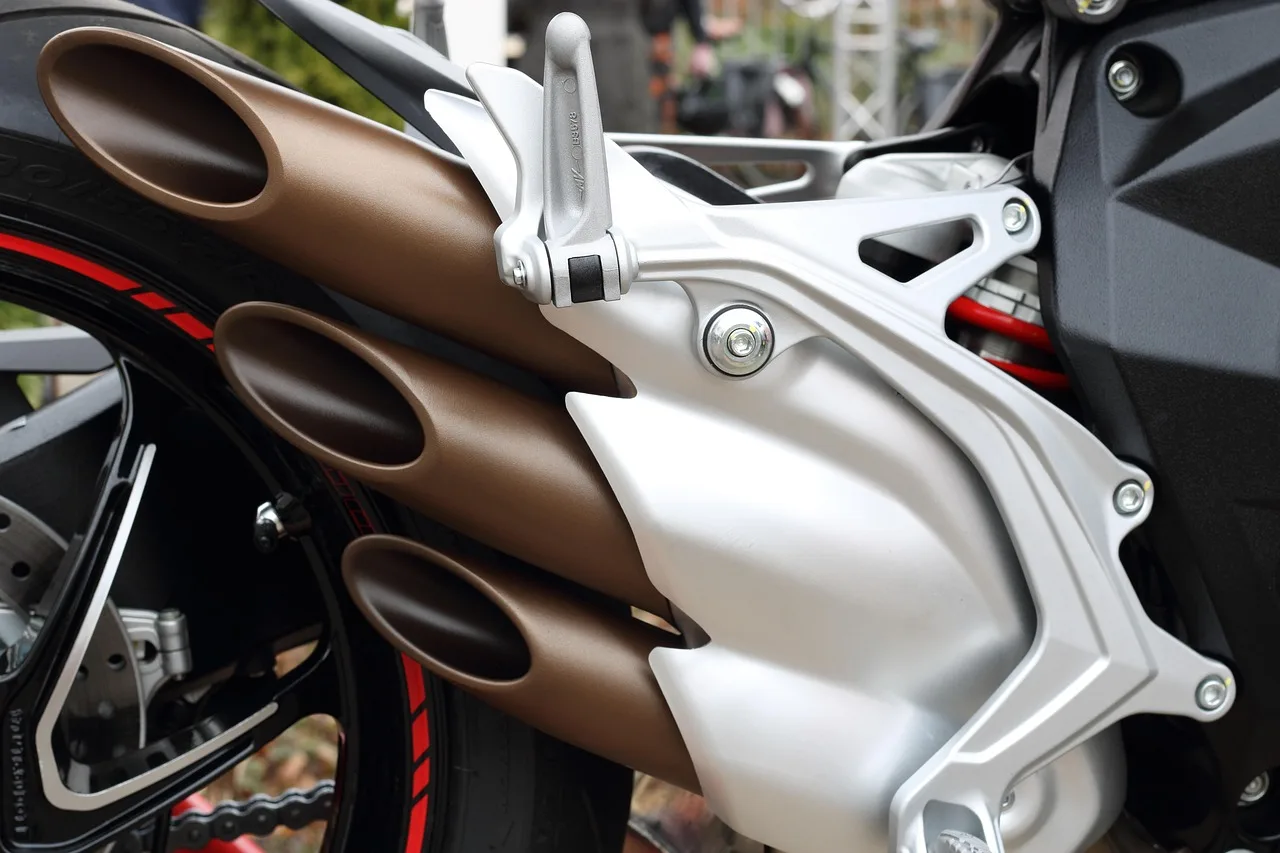
Choose a muffler delete if you want a louder rear exit, the catalytic converter can stay, and the rest of the system is healthy. Choose pipe repair if the damage is limited to one section of tubing or the tailpipe. Choose a fuller exhaust change only when multiple parts are failing or you want a different tone from the whole system.
- Inspect the noise source first. If the sound is a leak, rattle, or puffing under the car, look for pipe damage before ordering a muffler change.
- Check what already exists. A car with a resonator and catalytic converter behaves differently from a simpler layout.
- Decide whether you want sound change or repair. A muffler delete is a sound choice; a pipe replacement is a repair choice.
- Confirm local noise and emissions rules before removing any emissions-related part.
Which muffler sounds the best for daily driving?
For daily driving, the best-sounding muffler is usually the one that keeps volume down without adding drone. In practice, that means a muffler designed for moderate tone control, not the loudest possible setup. If highway comfort matters, retaining the resonator often helps more than chasing maximum volume.
What happens if I replace the muffler with a pipe?
You get more volume, a more aggressive tone, and a greater chance of drone. You also keep the rest of the exhaust path unless other parts are changed. If the catalytic converter stays in place, emissions equipment is still doing its job; the sound change comes from removing the muffler’s silencing effect.
Muffler delete scenarios decision table
This table separates common situations so you can match the symptom to the right part. The safest next step is the one that fixes the actual fault instead of changing the whole exhaust for the wrong reason.
| Scenario | Likely component involved | Likely symptom | Sound affected? | Emissions affected? | Safest next step |
|---|---|---|---|---|---|
| stock car with loud rear noise | muffler | Rear exhaust note is suddenly louder or hollow | Yes | No | Inspect muffler for rust, internal breakage, or a prior delete; replace if damaged |
| rusted pipe before the muffler | exhaust pipe | Puffing, ticking, or visible rust hole ahead of the rear canister | Yes | No | Replace or weld in the affected pipe section, then check hangers and joints |
| muffler-delete quote request | muffler | Owner wants more volume and a different tone | Yes | No | Confirm whether the catalytic converter and resonator stay in place, then check noise rules |
| drone complaint at highway speed | muffler or resonator | Low-frequency boom at a certain RPM | Yes | No | Keep or reinstall the resonator first; add a quieter muffler if needed |
| failed noise inspection | muffler | Exhaust is louder than allowed at idle or under load | Yes | No | Restore a compliant muffler and verify that no deleted section remains visible |
| cracked tailpipe | exhaust pipe | Leak or rattle at the rear exit | Yes | No | Replace the tailpipe section and inspect the hanger and welds |
| broken resonator | resonator | More rasp, more boom, less drone control | Yes | No | Replace the resonator if comfort matters; do not assume the muffler is at fault |
| emissions-related concern | catalytic converter | Check-engine light, emissions failure, or illegal delete concern | Sometimes | Yes | Keep the catalytic converter in place or restore it; do not remove it for sound |
Muffler vs exhaust system
The muffler is one part of the exhaust system, not the whole system. The exhaust system includes the routing parts that carry gases and the components that control sound and emissions. That is why a muffler delete changes one section of the system, while a full exhaust change can affect many sections at once.
Muffler vs full exhaust system
A muffler delete is cheaper and simpler than a full exhaust swap because it changes one component. A full exhaust change can alter pipe diameter, resonator use, muffler design, and sometimes the location of other parts. If the goal is only more volume, replacing just the muffler is the narrower change.
Muffler delete vs exhaust system
Deleting the muffler does not equal replacing the whole exhaust system. Straight piping goes further and removes the muffler, resonator, and catalytic converter. That is a different modification with different legality and emissions consequences.
What straight pipe changes
Straight pipe is the loudest option in this comparison. It replaces sound-suppressing sections with uninterrupted pipe, and some setups may require tuning. Because it often removes the catalytic converter too, it raises the biggest legality concerns of the common exhaust changes discussed here.
Suppose a truck owner wants a louder cold start but still needs to pass an emissions check. A muffler delete might meet the sound goal while keeping the catalytic converter in place. Straight pipe would overshoot the goal and create a much bigger compliance problem.
Verdict: muffler or exhaust pipe?
Choose muffler if your sedan starts sounding coarse at idle or the noise is strongest near the rear bumper, since that points to the rear sound-control canister and a muffler delete is the change that raises volume and alters tone.
Choose exhaust pipe if the problem is a sharp puffing sound under the floorpan, rust, leaks, a cracked tailpipe, or a broken section of tubing, since the article says those symptoms point to pipe repair or replacement to restore the exhaust path.


Frequently asked questions
What is the difference between a muffler and an exhaust pipe?
The muffler reduces exhaust noise and shapes tone. The exhaust pipe carries gases through the vehicle and out of the tailpipe. If the complaint is loudness, think muffler. If the complaint is a leak or rusted section, think exhaust pipe.
Does a muffler delete make a car faster?
Not automatically. Simple delete claims are often oversold, and any performance effect depends on engine layout, turbo or naturally aspirated design, and the rest of the exhaust path. One comparison table lists about 5 horsepower, but that should not be treated as a guarantee.
Is straight pipe better than muffler for sound?
If louder is the only goal, straight pipe is usually louder than a muffler delete. That does not make it better for daily driving. It often brings more drone, more legality risk, and a rougher tone that many drivers do not want for commuting.
What is the difference between muffler and exhaust?
The muffler is one component inside the exhaust system. “Exhaust” is the larger path that includes pipes, the tailpipe, the resonator, the muffler, and the catalytic converter on many cars. So the muffler is part of the exhaust, not a separate system.