
How Much Does a Custom Muffler Delete Cost?
A custom muffler delete usually costs about $100 to $400 at an exhaust shop, with DIY parts often running about $20 to $150 if cutting and clamping tools are already on hand. Bad welds, leaks, drone, and fines can add far more than the install price. This guide breaks down shop quotes, hidden fees, DIY parts, and legal risk so you can judge a fair estimate.
Typical cost range
A muffler delete removes the muffler and leaves the rest in place, but that usually still means a replacement pipe section to keep the exhaust routed correctly. A rural mechanic might charge $100-$200 for a straightforward muffler removal, while a major-city performance exhaust specialist could charge $300-$500 or more.
The spread is normal. Shop labor rates vary by region, and vehicle design changes the time needed. A compact car with easy underbody access can be quick. A low-slung car, truck, or performance model with tight routing can take longer and cost more.
Typical shop price range
For a basic shop job, a fair estimate often lands in a narrow band when access is easy and the exhaust section is simple. Once the job needs custom fabrication, rust cleanup, or extra time to align the new pipe, the total moves up fast.
A muffler delete is usually cheaper than a full exhaust replacement because only one section is changed. Even so, the final bill can rise if the shop prices by hourly rate, if the vehicle layout is cramped, or if the shop has to fabricate the pipe instead of using a simple cut-and-fit section.
DIY cost versus shop cost
A do-it-yourself approach can cut cash outlay, but it still needs specific tools like a hacksaw or exhaust pipe cutter. You also need the right pipe size, safe mounting, and a plan for sealing the joint. If you do not already own the tools, the savings shrink quickly.
DIY parts may be inexpensive, but mistakes get expensive. A crooked cut, a pipe that sits too close to the body, or a loose clamp can create leaks and rattles that send you back for corrections. That second round often costs more than paying for fitment the first time.
What changes the total fast
The fastest price jumps usually come from labor time, pipe fabrication, and access difficulty. A clean, bolt-on style job is one thing. A cut-and-weld install on a rusty car is another.
Older vehicles or corrosive climates can add cost through rusted fasteners, seized clamps, broken hangers, or extra cut-and-fit labor. The same job can look simple on the quote and become much slower on the rack once the hardware starts failing.
Why your quote is higher
A higher quote does not always mean padding. It often means the shop expects more labor, better fitment work, or a harder job under the car. The main drivers are labor rate by location, vehicle layout and access time, and the condition of the existing exhaust hardware.
Labor rate by location
Urban shops usually charge more than rural shops because labor rates are higher and technician time is priced differently. That is one reason a muffler delete can cost far more in a major city than in a small town, even if the parts are the same.
Technician skill and certification can also matter. A performance exhaust specialist may charge more than a general repair shop, but that extra rate can buy better fitment, better weld quality, and less chance of a rushed install that rattles or leaks.
Vehicle layout and access time
Vehicle make and model changes access difficulty and affects labor time. The cost varies by make and model. A simple rear section with clear hanger access is faster than a car with shielded routing, tight heat shielding, or a muffler tucked close to the bumper.
Picture a sedan with a straight rear section and no rust. Now picture the same job on a truck that needs the old muffler cut out, a new section formed, and two hangers reset because the old ones are stretched. The second quote should be higher.
Rust, seized hardware, and broken hangers
Rust adds both time and uncertainty. Seized bolts can slow a job that looked routine, and broken hangers can turn a simple removal into a small repair. Those are common on older vehicles and on cars from wet or salty climates.
A common first-timer mistake is comparing only the cleanest quote and assuming every shop will finish in the same time. If the hardware is corroded, the shop may need to cut more of the old exhaust away, rebuild the mounting point, or replace hardware that should have come off cleanly.
Does a muffler delete need welding?
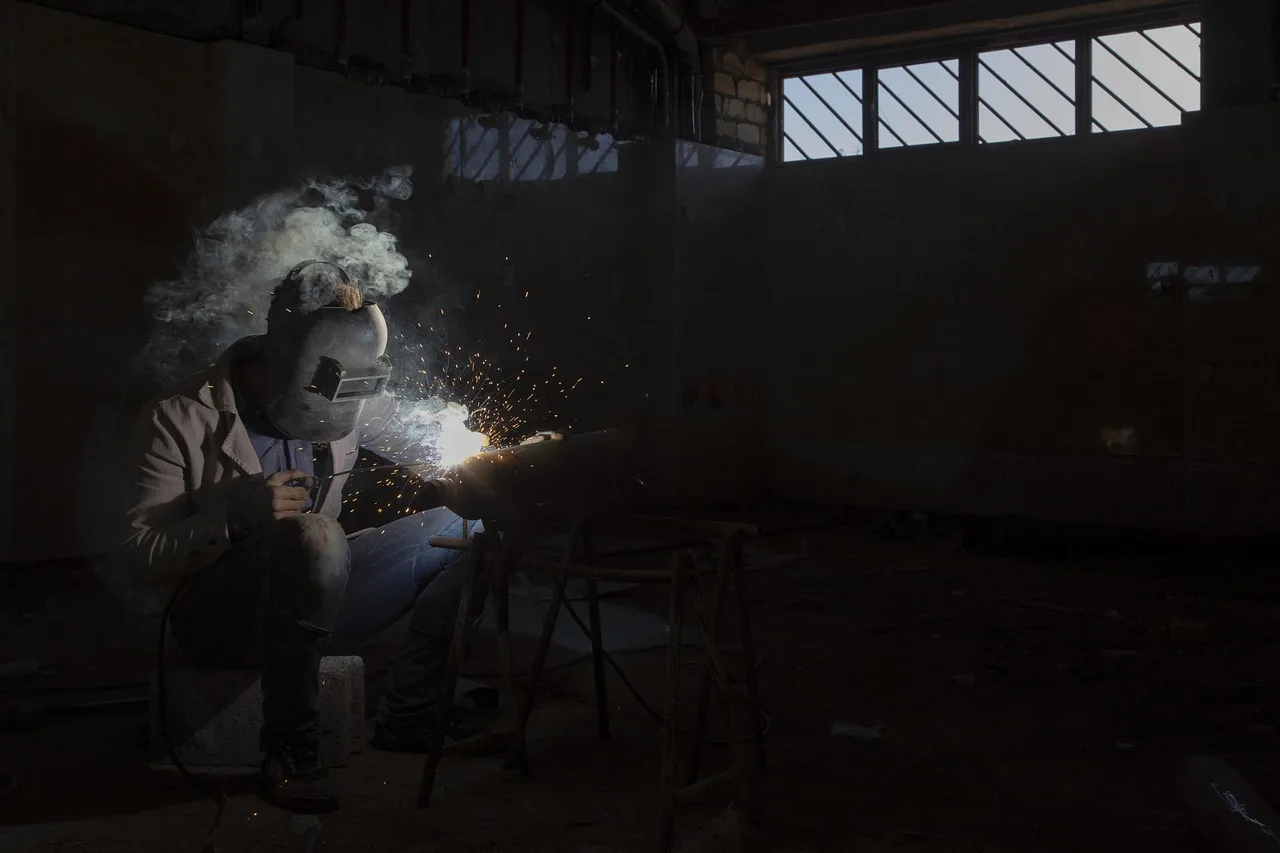
Not always, but often enough that you should ask about it before authorizing the job. A clamp-on replacement pipe can work when the cuts are clean and the diameters match. Welding is the better option when the fit is tight, the pipe needs shaping, or the shop wants a more durable seal.
When a clamp-on pipe works
A clamp-on setup can be fine if the replacement pipe section fits cleanly and the hangers line up without strain. It is usually the cheaper route when the exhaust is in good condition and the shop does not need to fabricate much.
Clamps still need correct sizing and solid placement. If the pipe is slightly off, a clamp may hold for a while and still leak under heat cycles. That can turn a low-cost install into a repeat visit.
When welding is the better option
Welding becomes more attractive when the muffler section needs custom shaping or when the shop has to build the replacement pipe from scratch. It also helps when the exhaust route leaves little room for a clamp, or when a secure, permanent joint is the goal.
Welding can raise the quote, but it may prevent later repair costs. Better fitment reduces the odds of exhaust leaks, rattles, and hangers twisting out of position. Paying more once can cost less than paying twice for revisions.
How fitment affects leak risk
Fitment matters because a muffler delete is not just a cut. The pipe still has to align with the rest of the exhaust, clear the underbody, and hang without stress. A poor angle can create leaks, vibration, or an exhaust note that is harsher than expected.
Say your car needs a 2.25-inch replacement section and the shop tries to force a slightly smaller pipe into place. The clamp may tighten, but the joint can still leak after heat cycles. A correct-size pipe costs more up front and often saves money later.
What a fair quote includes
A fair quote should separate labor, pipe material, welding, clamps or hangers, disposal, and any inspection or reversal contingency. If the estimate only says “muffler delete” with one total, ask for the line items. That is the easiest way to spot a rushed or padded quote.
Pipe section and material
The replacement pipe should be listed clearly, including the material and any fabrication time. A muffler and resonator delete can require replacement pipes or hardware, so the quote should say whether the shop is supplying new tubing or reusing what is already there.
If the shop is using stainless steel, mild steel, or a pre-bent section, that should appear in the estimate. The more custom the work, the more important that detail becomes.
Welding, clamps, and hangers
Ask whether the quote includes welding, clamps, and new hangers. Those small items can change the final price more than expected, especially if the original hangers are damaged or the pipe needs a fresh mounting point.
Hardware line items are not minor. A missing clamp or hanger can mean a loud rattle, a sagging pipe, or an install that has to be redone. A good quote spells that out before the car goes on the lift.
Disposal, inspection, and reversal contingency
Some shops charge for disposal of the removed muffler or for extra time tied to inspection concerns. Potential inspection costs should be factored in, especially if the exhaust change is likely to need a recheck or a reversal for compliance.
This is where quote comparison gets more useful. The lowest bid can look cheap until you add reversal work, inspection fees, or the cost of replacing a section to pass a check. A better quote may look higher because it includes those realistic extras.
Muffler delete quote audit table
| Line item | What it should cover | Fair-price range |
|---|---|---|
| Labor hours | Removal, fitment, alignment, and final check | 1 to 2.5 hours; typically priced at the shop’s hourly rate |
| Pipe material | Replacement pipe section sized to the vehicle | $20 to $120 |
| Welding | Cut, fit, tack, and seal the new section | $40 to $150 |
| Clamps and hangers | New clamps, rubber hangers, or mounting hardware | $10 to $60 |
| Disposal | Handling the removed muffler and waste | $0 to $25 |
| Inspection contingency | Recheck time if fitment or compliance needs review | $25 to $75 |
| Reversal contingency | Time and parts to restore the car for inspection or complaint resolution | $50 to $200 |
This table is a quote audit, not a menu. A shop may combine some items, but the total should still be explainable. If a quote skips labor hours or hides hardware in one lump sum, ask for a breakdown before approving the work.
How much does a resonator delete add?
A resonator delete often adds to the price because it is commonly bundled with a muffler delete and may require more pipe work. It also changes the sound and can raise the chance of drone, so the real cost is not just the extra labor. The added expense can be modest or significant depending on the car.
Bundled job pricing
When both parts are removed, the shop may need more tubing, more welding, and more time to keep the system aligned. A bundled quote should say whether the resonator delete is being priced as a second cut or as a separate fabrication job.
A resonator delete is not always a cheap add-on. On some cars it is close to a simple extension of the muffler work. On others it becomes a second fabrication task that changes the total meaningfully.
Sound and drone tradeoffs
Removing both parts usually makes the car louder and can increase cabin drone. Straight pipe is described as louder than a muffler delete, so combining a resonator delete with a muffler delete pushes the system closer to that louder end of the scale.
If the goal is a modest tone change, the extra cost may buy the wrong result. If the goal is maximum volume, the bundled price may still be fair, but you should know the tradeoff before paying for the work.
Extra legal and inspection risk
A louder exhaust can attract attention under local noise ordinances, and local noise ordinances can lead to fines for excessively loud vehicles. That means the real cost of the extra delete can include tickets, rework, or a reversal if the car fails an inspection after the modification.
Noise ordinance risk is separate from emissions and inspection risk. One is about sound limits. The other is about whether the car passes the required check after the exhaust change.
Will a muffler delete create legal or inspection costs?
Yes, it can. Potential legal fines are a cost consideration, and vehicle inspection impact is a listed expense factor. A muffler delete may not trigger a problem everywhere, but if it is too loud or affects the required inspection standard, the real cost can rise well beyond the shop bill.
Noise ordinance fines
Local noise ordinances can lead to fines for excessively loud vehicles. That makes the cheapest install a bad deal if it draws attention or leads to a citation. A louder-than-expected exhaust can also force a fix that erases any savings from the original job.
If your area has strict noise enforcement, ask the shop how much sound change to expect. A fair estimate should reflect the possibility of later corrective work if the car ends up being too loud for local rules.
Emissions compliance and inspection failure
Emissions compliance may be affected by exhaust changes, and a modified exhaust can cause inspection failure in some cases. That failure can mean extra labor, new parts, or a return visit to restore the system before the car can pass.
Potential inspection costs should be factored in before the delete, not after. If the vehicle must be reversed for a test, the cheapest initial quote may turn into the most expensive overall.
Cost to reverse the mod
Reversal cost matters because it can be higher than people expect. Once a muffler is cut out and the replacement section is installed, undoing the work may require fresh pipe, new clamps or welds, and another labor charge.
That is why a quote with an inspection or reversal contingency can be worth more than a bare-bones estimate. Paying a little more up front may prevent paying again when the car has to be returned to stock.
Frequently asked questions
How much does a muffler delete cost?
A muffler delete commonly costs about $100 to $400 at a shop, though the price can vary with labor rate, vehicle layout, and whether a replacement pipe has to be fabricated.
How much should a muffler delete cost?
A fair price should match the work on the car, not just a generic menu rate. If the exhaust is simple and the hardware is clean, the estimate should stay closer to the lower end. Rust, custom pipe work, or inspection-related contingency justifies a higher number.
How much would it cost to do a muffler delete?
DIY parts can run about $20 to $150 if the needed tools are already available, though the total can vary with pipe size, clamps, and whether welding is needed. If you must buy cutters, safety gear, or extra hardware, the DIY price can climb toward shop territory.
Is a muffler delete worth the money?
It can be, if the goal is a louder exhaust and the car has easy fitment. It is less worth it if the vehicle is rusted, the shop quote is high, or local rules make fines or inspection failure likely. Better fitment often matters more than the lowest price.
What should a shop quote include?
A good quote should list labor hours, pipe material, welding, clamps or hangers, disposal, and any inspection or reversal contingency. If those pieces are not separated, ask for a breakdown. That is the quickest way to compare shops fairly and spot missing charges.
Can rusted bolts make a muffler delete cost more?
Yes. Rusted fasteners, seized clamps, and broken hangers often add labor time and can force extra cutting or repair work. That is common on older vehicles and in corrosive climates, where a simple removal can turn into a more involved exhaust repair job.