Does The Chevy 2500HD Have Exhaust Resonators
Many truck owners wonder if their Chevy 2500HD has exhaust resonators. It’s a common question for folks who want to change their truck’s sound. Sometimes, figuring out truck parts can seem tricky. This guide breaks it down simply. We will show you exactly what you need to know. Get ready for clear answers and easy steps.

Truck Exhaust Kits
Truck Exhaust Kits - 2.5" Dual Inlet…
- 2.5" Mandrel bend multi piece tail pipes
- 2.5" Mandrel bend multi piece tail pipes
- Flowmaster Original 40 Muffer
As an Amazon Associate I earn from qualifying purchases.
Does The Chevy 2500HD Have Exhaust Resonators
This section answers the core question about exhaust resonators on the Chevy 2500HD. We will explain what resonators are and why they matter for your truck’s exhaust system. Understanding these components helps you make informed decisions about your vehicle.
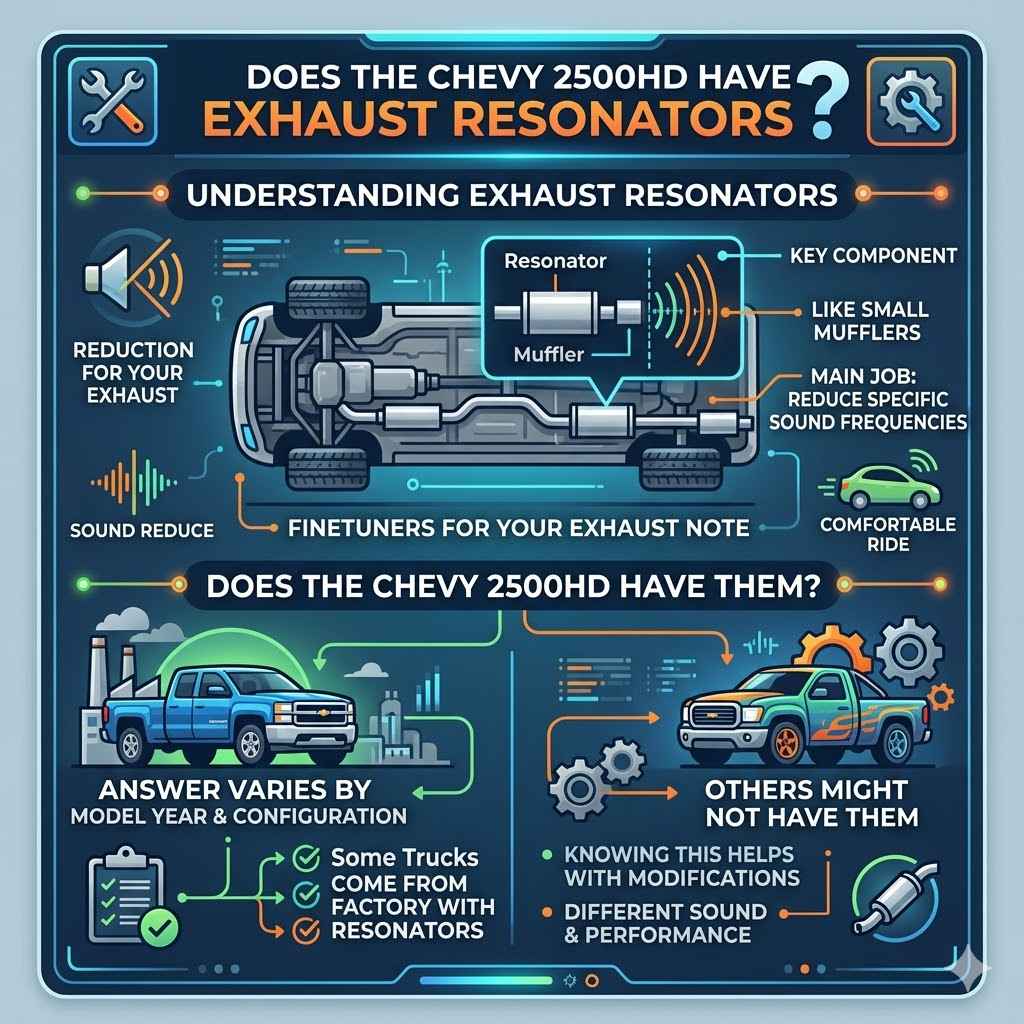
Exhaust resonators are a key part of a vehicle’s exhaust system. They are like mufflers but smaller. Their main job is to reduce specific sound frequencies, especially the drone you might hear at certain speeds. Think of them as fine-tuners for your exhaust note.
Many people ask, “Does the Chevy 2500HD have exhaust resonators?” The answer often depends on the specific model year and configuration. Some trucks come with them from the factory, while others might not. Knowing this helps if you plan to modify your exhaust for a different sound or performance.
Understanding Exhaust System Components
To truly know if your Chevy 2500HD has resonators, it helps to understand the whole exhaust system. This system takes waste gases from the engine and sends them out the back. It’s made of several parts working together. Each part plays a role in making your truck run smoothly and quietly.
The Role of Mufflers
Mufflers are the most well-known part of an exhaust system. Their primary goal is to quiet the loud noise created by the engine’s combustion. They use baffles and chambers to absorb sound waves. Mufflers significantly reduce overall noise levels.
Mufflers are designed to make the exhaust system as quiet as possible. They have internal structures that break up the sound waves. This process turns loud, harsh noises into quieter tones. Without mufflers, vehicles would be extremely loud.
What Are Exhaust Resonators
Resonators are often confused with mufflers, but they have a different purpose. They target specific sound frequencies to eliminate unwanted noises. These noises are often called “drone” or “harmonic frequencies.” Resonators help create a more pleasant exhaust sound.
Resonators are typically smaller than mufflers. They work by creating sound-canceling waves. When a sound wave enters the resonator, it reflects off the walls. These reflections can cancel out specific pitches. This is different from mufflers, which just reduce overall volume.
Catalytic Converters Function
Catalytic converters are vital for emissions control. They reduce harmful pollutants from the engine’s exhaust gases. They use precious metals like platinum and palladium to convert toxic gases into less harmful ones. These are essential for meeting environmental regulations.
Catalytic converters are located in the exhaust pipe, usually close to the engine. They contain a honeycomb structure coated with catalysts. As exhaust gases pass through, chemical reactions occur. These reactions transform carbon monoxide, unburned hydrocarbons, and nitrogen oxides.
Tailpipes And Tips
The tailpipe is the final section of the exhaust system. It directs the cleaned exhaust gases away from the vehicle. Tailpipes can vary in size and shape. Exhaust tips are decorative pieces attached to the end of the tailpipe. They can change the look of your truck’s rear end.
Tailpipes are usually made of durable metal to withstand heat and corrosion. Their diameter can affect exhaust flow. Some performance exhaust systems use larger tailpipes to improve engine breathing. Exhaust tips come in many styles, like chrome, black, or angled cuts.
Does The Chevy 2500HD Have Exhaust Resonators By Model Year
The presence of exhaust resonators on a Chevy 2500HD can differ based on when it was made. Manufacturers sometimes change their designs from year to year. This means what’s on one truck might not be on another. We will look at common trends for different Chevy 2500HD versions.
Older Models And Resonator Use
In older Chevy 2500HD trucks, exhaust resonators were less common as standard equipment. Manufacturers focused more on basic muffler systems to keep costs down and meet noise regulations. Some might have had a single muffler designed to handle most sound reduction.
If you have an older 2500HD, it’s less likely to have a dedicated resonator from the factory. It would primarily rely on its muffler for sound control. This often means the exhaust note might be louder or have more drone than newer models.
Newer Models And Integrated Systems
Modern trucks, including more recent Chevy 2500HD models, often feature more sophisticated exhaust systems. Manufacturers are putting more effort into refining the exhaust sound for comfort. They aim for a deep, pleasing tone without excessive noise or drone.
Newer 2500HD trucks are more likely to include resonators as part of their factory exhaust setup. These resonators work alongside the muffler to provide a balanced sound. They help create a quieter cabin experience, especially during highway driving.
Identifying Resonators On Your Truck
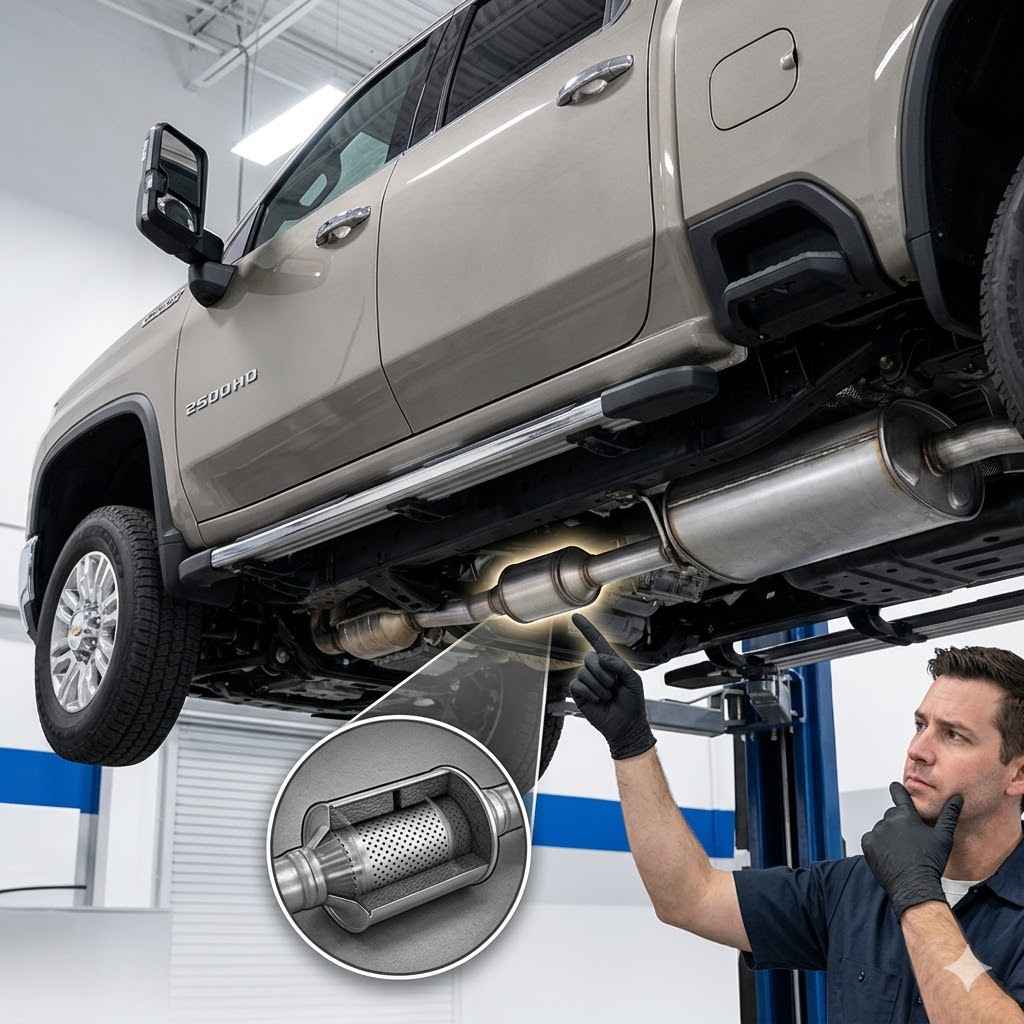
The best way to know for sure is to physically inspect your truck’s exhaust system. You can usually find the resonators by looking under your truck. They are typically located between the catalytic converter and the muffler, or sometimes after the muffler before the tailpipe.
Resonators look like small, cylindrical or oval-shaped metal cans. They are part of the exhaust pipe. If you see a component that looks like a smaller, secondary muffler, it’s likely a resonator. A quick visual check will often provide the answer.
Aftermarket Exhaust Systems
When people modify their trucks, they often change the exhaust system. Aftermarket systems offer various options. Some are designed for increased performance, while others focus on a specific sound. Many aftermarket systems offer resonator deletes for a louder sound or include performance resonators.
If your truck has an aftermarket exhaust, it might have different components. Some performance systems remove resonators entirely. Others might have different types of resonators to enhance the sound. It’s important to check the specifics of any aftermarket system.
Why People Modify Their Chevy 2500HD Exhaust
Many Chevy 2500HD owners choose to change their exhaust systems. The reasons vary, from wanting a different sound to improving performance. Understanding these motivations helps explain why people ask about resonators.
Sound Preferences
The most common reason for exhaust modification is sound. Many truck owners want a deeper, more aggressive exhaust note. They might want to hear their powerful V8 engine more clearly. Factory systems are designed for quietness, which some find too subdued.
A louder, more distinct exhaust sound can be a significant draw for truck enthusiasts. It’s often seen as part of the truck’s identity. Some owners want a rumble that signifies power and capability.
Performance Gains
While not always dramatic, exhaust modifications can offer minor performance improvements. A less restrictive exhaust system can allow the engine to breathe more easily. This can lead to slight increases in horsepower and torque.
Better exhaust flow means the engine can expel exhaust gases more quickly. This reduces backpressure. Less backpressure allows the engine to operate more efficiently. However, for significant gains, other modifications are usually needed.
Reducing Drone
Ironically, some owners modify their exhaust to reduce drone. Factory systems sometimes create an annoying hum at certain RPMs. Aftermarket systems, especially those with well-designed resonators, can eliminate this. They can offer a better sound without the irritating noise.
A well-tuned exhaust system can provide a pleasing sound on acceleration and a quiet experience while cruising. This balance is what many owners seek. Resonators play a crucial role in achieving this harmony.
Weight Reduction
Some high-performance exhaust systems are made from lighter materials. Replacing a heavy factory exhaust with a lighter aftermarket one can shave off a few pounds. While this is a minor benefit for most daily drivers, it can be important for competitive applications.
Lightweight exhaust components can contribute to overall vehicle efficiency. However, the weight savings from exhaust modifications alone are typically not substantial enough to impact fuel economy significantly.
How To Determine If Your Chevy 2500HD Has Resonators
Figuring out if your specific Chevy 2500HD has resonators is a straightforward process. It involves a little bit of looking and knowing what to look for. We’ll guide you through the steps to get a definite answer for your truck.
Visual Inspection From Below
The most direct method is to get under your truck and look at the exhaust system. You’ll need a safe space, like a level driveway or a garage with ramps. Ensure the truck is off and cool before you go underneath.
Look for the exhaust pipe starting from the front of the truck, near the engine. It will usually go through a catalytic converter. After that, you will find the muffler, which is typically the largest component. If there’s another, smaller metal cylinder or oval-shaped box mounted in the exhaust pipe either before or after the muffler, that’s likely a resonator.
Checking The Exhaust Diagram
Another reliable method is to consult your truck’s owner’s manual or service manual. These documents often include detailed diagrams of the exhaust system. You can visually compare these diagrams to your truck’s setup.
If you can’t find the manual, many automotive repair websites and forums offer diagrams for specific vehicle models and years. Searching for “Chevy 2500HD exhaust diagram” along with your truck’s model year can yield helpful results.
Sound Characteristics
While not definitive, the sound of your exhaust can offer clues. A factory exhaust system that is very quiet, with minimal engine noise at cruising speeds, might have resonators designed for sound dampening. Conversely, a louder, more raw sound without a deep rumble at highway speeds might indicate a lack of resonators.
However, this is subjective and can be influenced by other factors like exhaust pipe diameter and muffler design. Relying solely on sound is not as accurate as a physical inspection or diagram check.
Comparing To Factory Specs
You can research the factory specifications for your specific Chevy 2500HD model year. Automotive review sites and manufacturer websites sometimes list the components included in the standard exhaust system. This information can confirm whether resonators were originally installed.
For example, a quick search might reveal that Chevy 2500HD models from a certain year came standard with a “dual-muffler system with resonators” or simply a “single muffler system.” This research can save you the trouble of a physical inspection if the information is readily available.
Benefits Of Having Resonators
Resonators offer several advantages for a truck’s exhaust system, even if they aren’t always present from the factory. They contribute to a more refined driving experience and can be beneficial for owners seeking specific sound profiles.
Quieter Cabin Environment
Resonators are excellent at reducing specific annoying frequencies, often referred to as exhaust drone. This drone is most noticeable at consistent speeds on the highway, creating a persistent hum inside the cabin. By canceling out these frequencies, resonators make for a more comfortable and quieter ride.
This improvement in cabin acoustics is highly valued by drivers who spend a lot of time on the road. It reduces driver fatigue and allows for easier conversation within the vehicle.
Tuned Exhaust Notes
Beyond just reducing noise, resonators can help shape the overall sound of your exhaust. They allow manufacturers to create a deeper, more aggressive tone without the unpleasant high-pitched sounds or drone. This is crucial for achieving a desirable V8 rumble.
A well-tuned exhaust sound can enhance the driving experience and the perception of the truck’s power. Resonators are a key tool in achieving this balance between volume and quality of sound.
Meeting Sound Regulations
Many regions have regulations on vehicle noise levels. Resonators help manufacturers meet these standards by controlling specific sound frequencies. This ensures that trucks can be sold and operated legally without being excessively loud.
Compliance with noise ordinances is essential for all vehicle manufacturers. Resonators provide a way to manage sound without overly muffling the engine’s natural performance notes.
Enhancing Performance Sound
While they reduce specific frequencies, resonators don’t necessarily hinder performance. In fact, some performance exhaust systems incorporate specialized resonators. These are designed to enhance the desirable sounds of the engine while still managing unwanted noise.
The goal is often to create a sporty exhaust note that signals power without being obnoxious. This can be achieved by carefully designing the size and placement of resonators within the exhaust path.

FAQ
Question: Do all Chevy 2500HD trucks have exhaust resonators
Answer: No, not all Chevy 2500HD trucks come with exhaust resonators from the factory. It often depends on the specific model year and trim level.
Question: What is the main purpose of an exhaust resonator
Answer: The main purpose of an exhaust resonator is to reduce specific sound frequencies, particularly the drone or harmonic noises that can occur at certain engine speeds, leading to a quieter cabin.
Question: How can I tell if my Chevy 2500HD has resonators
Answer: The easiest way is to visually inspect the exhaust system from underneath your truck. Look for a smaller metal cylinder or oval-shaped box attached to the exhaust pipe, typically located between the catalytic converter and the muffler, or after the muffler.
Question: Will removing resonators make my Chevy 2500HD louder
Answer: Yes, removing resonators will generally make your Chevy 2500HD’s exhaust system louder and can introduce more drone or specific sound frequencies.
Question: Can aftermarket exhaust systems add resonators
Answer: Yes, aftermarket exhaust systems offer various options, including systems that add or replace resonators to achieve a specific sound profile or improve performance.
Summary
Does the Chevy 2500HD have exhaust resonators? The answer varies by model year. Newer trucks are more likely to have them from the factory to reduce cabin drone and tune the exhaust sound. You can easily check by looking under your truck. Knowing your exhaust setup helps if you want to change its sound or performance.
Related pick: Check today's price on Amazon