Do All Cars Have a Resonator Complete Guide
Many car owners wonder if their vehicle has a resonator. It’s a common question, especially for those new to car mechanics. This guide breaks down everything you need to know.
EVIL ENERGY
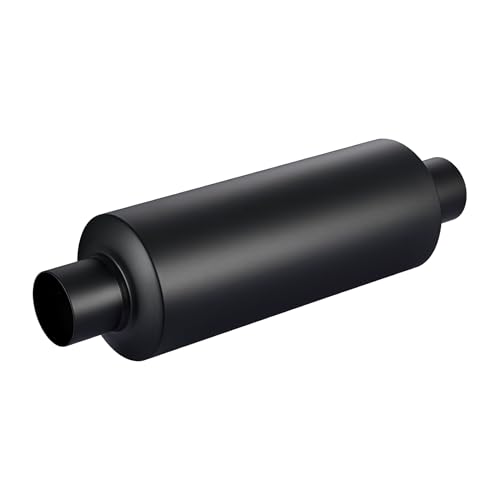
EVIL ENERGY 2" Resonator Muffler, 2" Inlet…
- Size: OD of inlet/outlet:2.0 inch; Overall length:13.77 inch; Body diameter:3.97 inch; The color is Black
- Application: Universal fits 2.0" exhaust pipes as long as there is sufficient installation space
- Material: 201 stainless steel housing, 430 stainless steel inner mesh
As an Amazon Associate I earn from qualifying purchases.
We’ll make it super simple to understand the purpose and presence of resonators. Get ready for clear answers and easy steps.
Do All Cars Have a Resonator?
Many people ask, “Do all cars have a resonator?” The simple answer is not necessarily. While many cars do have them, it’s not a universal part found on every single vehicle. A resonator is part of your car’s exhaust system.
Its main job is to make your car quieter by reducing noise.
Think of it like a muffler, but for different kinds of sounds. Mufflers handle the loud bangs and pops from the engine. Resonators focus on smoothing out the humming or droning noises that can be annoying.
They work by using the air inside them to cancel out certain sound waves. It’s a clever bit of engineering to give you a more pleasant ride.
What Is a Car Resonator?
A car resonator is an extra chamber or pipe section in the exhaust system. It’s placed before or after the muffler. Its main purpose is to remove specific sound frequencies.
These are often the low-frequency hums or drones that can travel through the car. By having this extra space, sound waves bounce around inside. This bouncing creates opposing sound waves that cancel out the unwanted noise.
Imagine blowing air across the top of a bottle. You get a humming sound. A resonator works on a similar principle but in a more controlled way.
It’s designed to target and quiet down particular pitches. This makes your car’s exhaust sound smoother and less intrusive. It’s a key component for a quiet and comfortable driving experience.
How Does a Resonator Work?
The way a resonator works is quite interesting. It’s based on the science of sound wave cancellation. When exhaust gases flow through the resonator, they enter a specific chamber or a specially designed pipe.
This chamber has a precise volume and shape.
As the sound waves travel through the exhaust gases, they hit the internal surfaces of the resonator. Some waves are reflected. These reflected waves are timed and shaped to be the opposite of the original sound waves.
When these opposite waves meet, they cancel each other out. This reduces the overall noise level, particularly the unwanted drone.
Think of it like pushing a swing. If you push at the right time, the swing goes higher. If you push at the wrong time, you can stop it.
A resonator is engineered to “push” the sound waves at the exact wrong time to cancel them. This makes the exhaust sound much quieter and more refined.

Why Do Cars Have Resonators?
Cars have resonators primarily to improve the quality of the exhaust sound. While mufflers are for loud noises, resonators are for finer tuning. They aim to eliminate specific pitches that can be irritating.
This is especially true for modern cars designed for comfort and quiet operation.
A car with just a muffler might still have a noticeable drone at certain speeds. This drone can make long drives tiring. The resonator acts as a secondary sound dampener.
It addresses those specific annoying frequencies that mufflers don’t fully address. This results in a smoother, more pleasant exhaust note. It also helps meet stricter noise regulations in many areas.
So, the main reasons are:
- To reduce unwanted exhaust drone.
- To create a smoother, more refined exhaust sound.
- To help meet noise emission standards.
- To enhance the overall driving comfort.
Are Resonators Required by Law?
Resonators themselves are not directly required by law in most places. However, laws do require vehicles to meet certain noise limits. The muffler is the primary component that ensures these limits are met for loud noises.
Resonators help fine-tune the sound to be even quieter and more pleasant.
In many regions, exhaust systems must pass noise tests. If a car’s exhaust is too loud or has an irritating drone, it might fail these tests. A resonator can be a vital part of ensuring the exhaust system meets these legal requirements for a quiet operation.
Without it, some vehicles might be too loud for legal compliance, especially at certain engine speeds.
Do All Cars Have Resonators? The Truth
The answer to “Do all cars have a resonator?” is no. Not every car is equipped with one from the factory. Smaller, less expensive cars might omit them to save on manufacturing costs.
Also, some performance cars might choose to have a louder, more aggressive exhaust note, and they might skip the resonator or use a different type of exhaust tuning.
Older vehicles or some truck models might also not have a resonator. Their exhaust systems might rely solely on the muffler to control noise. In these cases, the exhaust might be louder or have a different sound profile compared to cars that do have resonators.
However, many modern cars, especially sedans and luxury vehicles, do include resonators as standard equipment. They are considered important for providing a quiet and comfortable ride. If you’re unsure about your specific car, checking the exhaust system is the best way to know for sure.
What If My Car Doesn’t Have a Resonator?
If your car was not manufactured with a resonator, it’s likely designed to function perfectly fine without one. The muffler is the primary component responsible for muffling loud exhaust noises. For many vehicles, the muffler alone is sufficient to keep the exhaust noise at acceptable levels.
However, if you notice a persistent drone or an unpleasantly loud hum from your exhaust, especially at highway speeds, your car might benefit from having a resonator added. Adding an aftermarket resonator can help quiet down these unwanted sounds. This can significantly improve the comfort of your driving experience.
It’s a common modification for people seeking a quieter ride.
It’s also possible that a resonator has been removed or has rusted away on an older vehicle. If your exhaust suddenly became louder, it’s worth inspecting the entire system for damage or missing parts. A missing resonator would directly contribute to increased exhaust noise.
Resonator vs. Muffler
It’s common to confuse a resonator and a muffler. They both affect exhaust sound, but they do so differently. Think of them as a team working together for the best sound quality.
Muffler: The muffler is the main noise suppressor. It’s designed to reduce the loud, sharp noises produced by the engine’s combustion. It usually contains baffles or chambers that force exhaust gases to take a longer, more winding path.
This expansion and redirection of gases slow them down and break up the sound waves, making the loud noises quieter.
Resonator: The resonator, on the other hand, focuses on a specific range of sound frequencies. It’s like a fine-tuner for the exhaust note. It targets humming or droning sounds that the muffler might not fully eliminate.
Resonators use the principles of resonance and anti-resonance to cancel out these specific sound waves, leading to a smoother, quieter exhaust tone.
In essence:
- Muffler reduces overall loud noise.
- Resonator fine-tunes the sound, reducing specific drones.
Many cars have both to achieve the quietest and most refined exhaust sound.
Can You Remove a Resonator?
Yes, you can remove a resonator from your car’s exhaust system. Many people do this, especially those looking for a sportier or louder exhaust sound. Removing the resonator will typically make your car’s exhaust noticeably louder and give it a deeper tone.
However, there are a few things to consider. Removing the resonator might make your car too loud for local noise regulations. It could also alter the exhaust note in a way you don’t prefer, potentially introducing an undesirable drone.
It’s a modification that should be done with awareness of the potential consequences.
If you remove a resonator, the muffler will still be in place to handle the primary noise reduction. But the specific frequencies the resonator was designed to cancel will now pass through. This is why the sound changes.
Always check local laws regarding exhaust noise levels before making such modifications.
Signs of a Bad Resonator
A resonator can get damaged or fail over time, just like any other part of your car. If you suspect your resonator might be bad, there are a few signs to look out for. The most common symptom is a change in your car’s exhaust sound.
Increased Drone: If you start hearing a loud humming or droning noise, especially when cruising at steady speeds, this is a strong indicator. This is the exact type of sound the resonator is supposed to eliminate. When it fails, this drone becomes prominent.
Louder Exhaust: While not as dramatic as a completely failed muffler, a damaged resonator can make your exhaust sound louder overall. You might notice a deeper, more aggressive tone than you’re used to.
Rust or Damage: Visually inspect your exhaust system. If the resonator appears rusted through, cracked, or has holes in it, it’s likely failing. Any damage to the housing or internal components will affect its ability to cancel sound waves.
Performance Issues (Rare): In very rare cases, a severely damaged or clogged resonator could slightly impact exhaust flow, potentially affecting engine performance. However, this is uncommon, and the primary symptom is always a change in sound.
How to Check Your Car’s Exhaust System for a Resonator
Checking if your car has a resonator is usually straightforward. You don’t need to be a mechanic to do it. The best way is to visually inspect your exhaust system.
First, ensure your car is parked on a level surface and the engine is cool to avoid burns. Get down and look under the car at the exhaust pipes. You’ll see the exhaust pipe coming from the engine, usually leading to a larger component called the muffler.
The muffler is typically the furthest component towards the rear of the car.
A resonator is often a smaller, cylindrical or oval-shaped chamber located somewhere along the exhaust pipe, typically between the engine’s exhaust manifold and the muffler. It might be a separate pipe section with a different internal structure than a straight pipe. It’s often positioned in front of the muffler.
If you’re unsure, consult your car’s owner’s manual. It often has diagrams of the exhaust system. You can also search online for diagrams or images of your specific car’s exhaust system.
If you can’t find a distinct component that looks like a resonator, your car likely doesn’t have one from the factory.
Can You Add a Resonator?
Yes, you can absolutely add a resonator to your car’s exhaust system. This is a popular modification for car owners who want to reduce exhaust drone and achieve a smoother, quieter sound. If your car came without one, or if the original has been removed, an aftermarket resonator can be installed.
When adding a resonator, it’s important to choose one that’s designed for your vehicle’s make and model, or at least one with similar dimensions and characteristics. The size and type of resonator will affect the sound. You might want to consult with an exhaust shop for advice on which resonator would best suit your needs.
Adding a resonator is generally a less drastic modification than changing the muffler. It’s a good option if you want to improve sound quality without making your car excessively loud. It can help bring back the refined sound you might be missing, especially if you’ve noticed an increase in drone.

Frequently Asked Questions
Question: Do all exhaust systems have a resonator?
Answer: No, not all exhaust systems have a resonator. Many cars are designed with only a muffler, while others have both a muffler and a resonator for finer sound control.
Question: What is the main purpose of a car resonator?
Answer: The main purpose of a car resonator is to remove specific sound frequencies, particularly unwanted drone and humming noises, to create a smoother and quieter exhaust sound.
Question: Will removing a resonator make my car louder?
Answer: Yes, removing a resonator will generally make your car’s exhaust sound noticeably louder and deeper.
Question: How can I tell if my resonator is broken?
Answer: Signs of a broken resonator include a loud humming or droning noise at steady speeds, or a general increase in exhaust loudness.
Question: Is it better to have a resonator or just a muffler?
Answer: It depends on your preference. A muffler is essential for reducing loud noises. A resonator is for fine-tuning the sound to be quieter and smoother, reducing specific drones.
Final Thoughts
To answer the question “Do all cars have a resonator? Complete Guide” clearly, not every car comes with one. Resonators help quiet down specific sounds like drones.
They work with mufflers to make your car sound smoother. If your car is loud or drones, adding a resonator is a good fix. It’s a smart way to enjoy a quieter ride.
Related pick: Check today's price on Amazon