Is It Possible to Hollow Out Car Resonators: Discover How
Imagine cruising down the highway, the purr of your engine harmonizing perfectly with the rhythm of the road. But what if you could tweak that tune to suit your personal taste?
If you’ve ever wondered about customizing the sound of your car, you might have stumbled upon the concept of hollowing out car resonators. This idea might sound intriguing, especially if you’re keen on enhancing your vehicle’s auditory presence. But is it really possible?
And if so, what does it mean for your car’s performance and longevity? Stick around, because we’re about to delve into the nitty-gritty of this automotive curiosity. Whether you’re a car enthusiast looking to boost your vehicle’s sound profile or just someone curious about the mechanics involved, this exploration promises insights that could steer your perspective in a whole new direction.
What Are Car Resonators?
Car resonators are often overlooked, yet they play a vital role in your vehicle’s exhaust system. You may wonder, what exactly is a car resonator? If you’ve ever been intrigued by the sound your car makes or have considered modifying it for a different auditory experience, understanding car resonators is essential. They are designed to enhance the sound quality of your car, making it either more aggressive or refined, depending on your preference. But before you decide to hollow them out for a unique sound, it’s important to know their function and the types available.
Function And Purpose
The primary function of a car resonator is to optimize the sound waves emanating from your engine. It works by tuning these waves to reduce noise, improve tone, and sometimes enhance performance. Imagine driving on a highway; the resonator acts as a filter, ensuring the sound from your exhaust is pleasant rather than overwhelming. It does not directly influence the power of your car but can make the driving experience more enjoyable. Considering altering the resonator? Reflect on the changes it might bring to your driving comfort.
Types Of Resonators
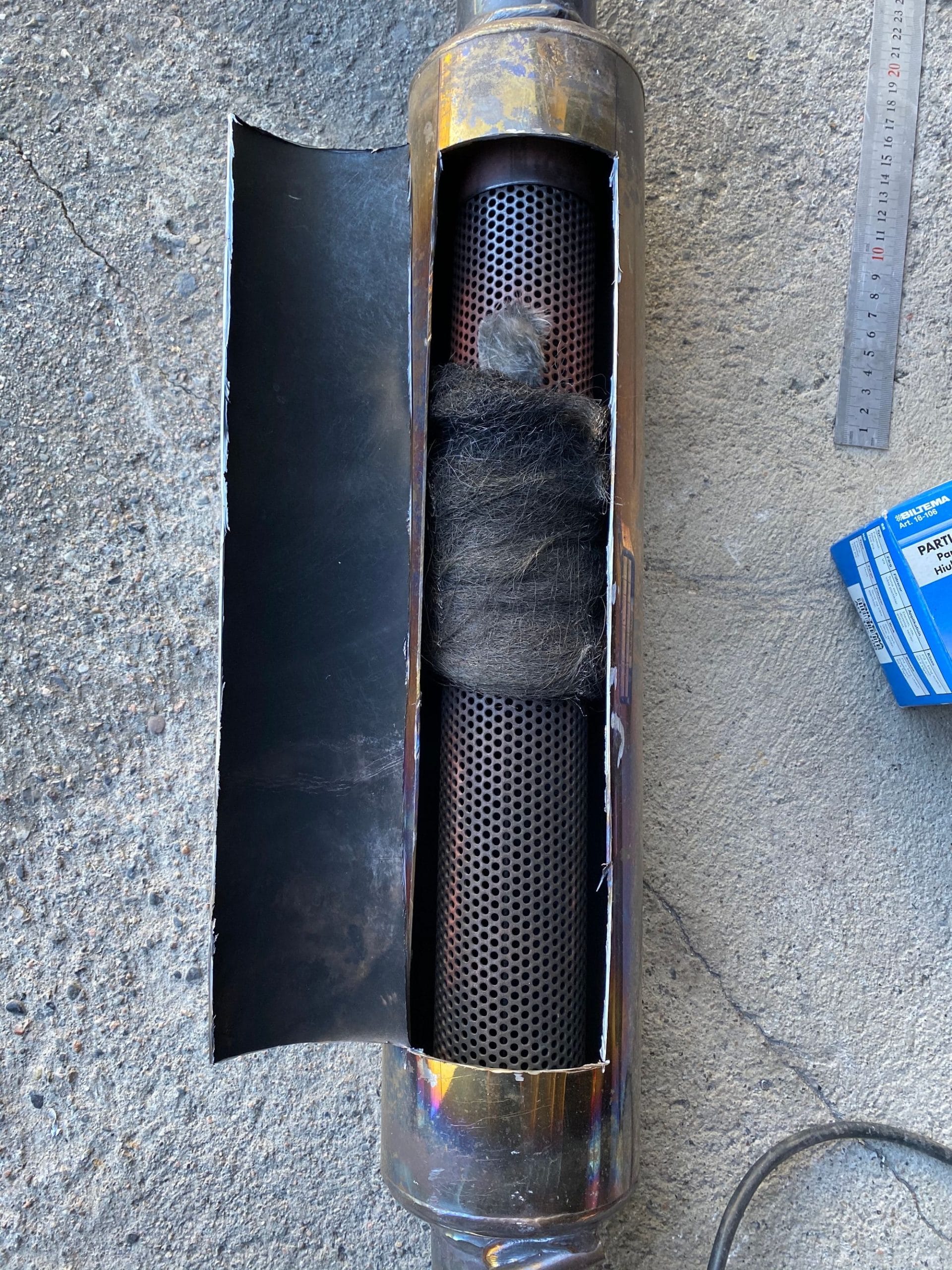
Resonators come in various forms, each tailored to deliver a specific sound effect. Some common types include the chambered resonator, which is excellent for reducing noise and providing a deeper tone. There’s also the glasspack resonator, known for its distinctive, throaty sound that car enthusiasts often seek. If you’re after a more aggressive sound, the perforated tube resonator might be your choice, offering a louder and more raw auditory experience. Each type serves a unique purpose, so knowing what sound you’re aiming for is crucial before making modifications.
Have you ever modified your car’s exhaust system? How did it change your driving experience? Share your stories and insights about car resonators in the comments below!

Credit: www.dhgate.com
Hollowing Out Resonators
Hollowing out car resonators is a topic that often intrigues car enthusiasts looking to enhance their vehicle’s sound and performance. The process might sound straightforward, but it requires a careful approach to avoid damaging your exhaust system. Whether you’re aiming for a deeper exhaust note or trying to improve airflow, understanding the tools and steps involved is crucial. Let’s dive into the essentials of hollowing out resonators and explore the potential risks you should consider before embarking on this mechanical adventure.
Tools Needed
Before you start, gather the necessary tools to make the process smooth and efficient. You will need a wrench set to detach the resonator from the exhaust system. A drill with metal bits is essential for hollowing out the insides. Safety goggles and gloves are a must to protect yourself from flying debris and sharp edges. Having a sturdy workbench or platform to secure the resonator during the process can also make your task easier.
Step-by-step Process
Begin by safely elevating your car using jack stands or ramps to access the exhaust system. Once you have clear access, use your wrench to remove the bolts attaching the resonator. Place the resonator on a secure surface where it won’t roll or shift. Carefully use the drill to remove the internal baffles, ensuring you follow the resonator’s contours. Once hollowed, reattach the resonator, ensuring all bolts are tightly secured to prevent any exhaust leaks.
Potential Risks
Hollowing out resonators isn’t risk-free. You might inadvertently damage the exhaust system, leading to costly repairs. There’s also the possibility of negatively impacting your car’s performance if not done correctly. Consider whether altering the resonator could affect your vehicle’s compliance with local noise regulations. Reflect on these risks and weigh them against the potential benefits before proceeding with the modification.
Have you ever considered the impact of modifying your car’s exhaust system on its overall performance? Think about how changing one component can ripple through the entire system. It’s fascinating how a small tweak can alter your driving experience, but is it worth the risk?
Impact On Vehicle Performance
Car enthusiasts often explore modifications to enhance vehicle performance. Hollowing out a car’s resonator is one such alteration. This practice can significantly affect the car’s behavior on the road. Understanding these impacts can help in making informed decisions about vehicle modifications.
Sound Changes
Hollowing out a resonator alters the car’s exhaust sound. The vehicle often sounds louder and deeper. This change appeals to those seeking a sportier sound. The modification can make the car more noticeable on the road. Sound changes are immediate and noticeable.
Engine Efficiency
Removing the resonator can affect engine efficiency. It may influence how exhaust gases flow. Some believe it can improve airflow and performance. Others argue it might reduce efficiency. The effect on engine performance varies by car model.
Legal Considerations
Modifying exhaust components can have legal implications. Laws vary based on location. Excessive noise from altered exhausts might violate regulations. Vehicle owners must check local laws before hollowing out resonators. Legal issues can arise from non-compliance.
Alternatives To Resonator Modification
Hollowing out car resonators is possible, offering a way to alter exhaust sound without full modification. Alternatives like resonator deletes or using adjustable resonators can also change vehicle acoustics. These options can be simpler and more affordable.
If you’ve ever pondered the idea of hollowing out your car’s resonator, you might have found yourself wondering about alternatives. Perhaps you’re seeking a different sound, or maybe you’re looking to enhance performance. Whatever your motivation, there are several options to consider that don’t involve altering your existing resonator. Let’s explore some of these possibilities and see how they might fit your needs.
Replacement Options
Consider replacing your stock resonator with a more suitable option. This can be an effective way to achieve the sound and performance you’re after without the hassle of modifying your current setup. Brands like MagnaFlow and Flowmaster offer resonators designed specifically for enhanced sound and performance. These replacements can be installed without the need for complex modifications, making the process smoother and more efficient. Replacing rather than modifying might also help maintain the integrity and value of your vehicle, which is a bonus if you ever plan to sell it.
Aftermarket Solutions
Aftermarket solutions offer a treasure trove of possibilities. You can find a wide range of resonators and exhaust components that cater to different sound profiles and performance goals. For instance, high-performance mufflers can provide a deeper, more aggressive sound. They are often designed with advanced technology to reduce backpressure, improving your car’s power and efficiency. Ever attended a car meet and heard an exhaust note you loved? Chances are, it’s the result of an aftermarket setup. Investing in quality aftermarket components can transform your driving experience in ways you might not have considered. Have you thought about how much your car’s sound can affect your driving enjoyment? The right aftermarket solution can make every drive feel like an adventure. By exploring these alternatives, you open up a world of possibilities beyond simply hollowing out your resonator. What path will you choose to enhance your ride?
Expert Opinions
Car resonators are an essential part of the exhaust system. They help in reducing noise. But many wonder about hollowing them out. Opinions differ on this topic. Experts provide insights that can guide enthusiasts.
Mechanics’ Views
Many mechanics advise against hollowing out resonators. They believe it can harm your car. Removing the resonator might increase noise. It could also affect engine performance. Mechanics stress the importance of a balanced exhaust system. They emphasize that manufacturers design resonators for a reason. Altering them might lead to unwanted results.
Enthusiast Perspectives
Car enthusiasts often seek more sound from their vehicles. Some enjoy the louder exhaust note. They find hollowing out resonators appealing. Enthusiasts argue it can enhance the driving experience. Yet, they acknowledge potential drawbacks. Increased noise might attract unwanted attention. Some enthusiasts caution about legal concerns. Local laws might restrict exhaust modifications. Enthusiasts suggest weighing pros and cons carefully.
Diy Vs Professional Services
Exploring the possibility of hollowing out car resonators raises the question of DIY versus professional services. DIY might save money, but risks damaging the car. Professional services ensure expertise and proper tools, potentially offering a more reliable outcome.
Have you ever thought about hollowing out your car’s resonator to change its sound? It’s a tempting idea, especially if you’re a car enthusiast looking for a unique exhaust note. But when it comes to getting this done, you face a choice: should you tackle it yourself or seek professional services? Each option has its pros and cons, and understanding them can guide you to the best decision for your situation.
Cost Analysis
Choosing between DIY and professional services often boils down to cost. If you decide to go the DIY route, you might save money initially. Basic tools and some elbow grease can get you started. However, unexpected expenses can arise, such as buying specific tools or correcting mistakes. On the other hand, professional services might seem pricier upfront. But think about the value of expertise and assurance. Professionals can handle the job efficiently, reducing the risk of costly errors. They often offer warranties, providing peace of mind that your investment is protected.
Quality And Reliability
Quality can vary significantly between DIY and professional jobs. When you do it yourself, the outcome depends on your skill level. There’s a learning curve, and mistakes can happen. If you’re not familiar with car mechanics, you might end up with a less-than-perfect result or even damage your vehicle. Professional services guarantee a certain level of quality. Skilled technicians have the experience and tools to deliver consistent results. They understand the nuances of car resonators, ensuring your car sounds as intended. Ultimately, the question is: how much risk are you willing to take for a potentially lower cost? Consider your priorities and abilities carefully. Would you rather spend your weekend tinkering with your car, or enjoy the reliability of professional work done right the first time?
Credit: www.dhgate.com
Frequently Asked Questions
Can You Remove A Car Resonator?
Yes, you can remove a car resonator. However, doing so may alter your vehicle’s exhaust sound and performance. Resonators are designed to reduce certain frequencies and noise. Removing them might increase exhaust noise and potentially affect engine efficiency. Always consult a professional before making modifications.
What Happens If You Hollow A Resonator?
Hollowing a resonator changes the exhaust sound and flow. It could make the exhaust louder and alter the car’s performance. The resonator reduces noise and vibrations, so hollowing may lead to increased noise levels. This modification might not comply with local regulations.
Check legalities before proceeding.
How Does A Resonator Affect Car Performance?
A resonator impacts exhaust sound and efficiency. It reduces noise by eliminating certain sound frequencies. This can lead to smoother engine performance. Removing or modifying it might change exhaust dynamics, potentially affecting engine efficiency. Consult a professional to understand performance implications before altering your resonator.
Is Resonator Removal Legal?
Resonator removal legality varies by location. Some regions have strict regulations on exhaust modifications. Removing or altering a resonator might lead to non-compliance with noise regulations. Always check local laws and regulations before modifying your vehicle’s exhaust system to avoid potential legal issues.
Conclusion
Hollowing out car resonators is possible but comes with risks. It may alter sound and affect performance. Some find the noise appealing, but it might annoy others. Check local laws before modifying your vehicle. Safety should always be a priority.
Consult a professional if unsure. They can guide you properly. Weigh the pros and cons carefully. Each choice impacts your car’s longevity and functionality. Always aim for a balanced approach. Your car’s health matters. Consider all aspects before making a decision.
Make informed choices for the best outcomes.