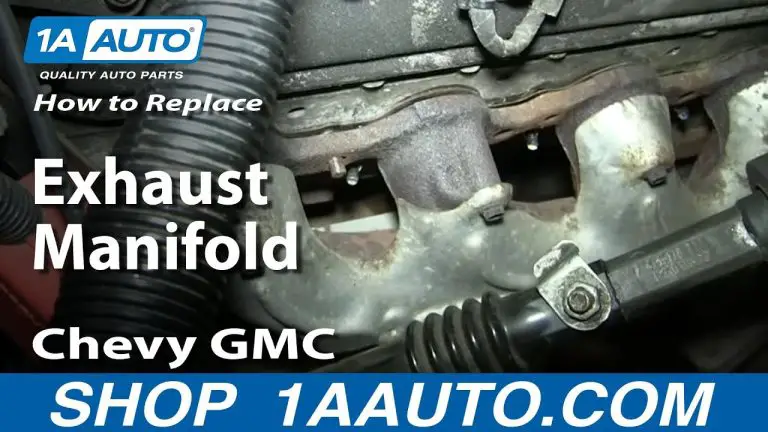
Does Autozone Have Exhaust Manifolds? Essential Finds
Yes, AutoZone typically stocks exhaust manifolds for a wide range of vehicles, often offering both OEM-quality replacement parts and budget-friendly aftermarket options. Check their online inventory first or visit a store to confirm availability for your specific year, make, and model.
When your car starts making strange rattling noises or you smell exhaust fumes inside the cabin, the exhaust manifold is often the culprit. Dealing with exhaust issues can feel intimidating, especially for new car owners. You might wonder where to find the right part without emptying your wallet. Will a major parts store like AutoZone carry such a crucial component? The good news is that AutoZone is a fantastic first stop for many common repairs. We are going to demystify the exhaust manifold situation and show you exactly what you need to look for when shopping there. Let’s get your vehicle running quietly and safely again!
The Quick Answer: Does AutoZone Have Exhaust Manifolds?
For the vast majority of popular makes and models sold in North America, the answer is a resounding yes. AutoZone stocks a wide variety of replacement automotive parts, and the exhaust manifold—a critical piece of the engine’s breathing system—is usually on that list. However, because manifolds are specific to the engine design (not just the car model), availability can vary.
It’s essential to understand that AutoZone primarily focuses on commonly needed, high-turnover parts. While they will have manifolds for a 2010 Honda Accord, a very rare, specialized classic car might require ordering the part through their system or looking elsewhere.
Understanding the Exhaust Manifold: What It Does
Before we dive into where to buy one, it helps to know exactly why you need one. Think of the exhaust manifold as the engine’s “exhaust collector.”
Every cylinder in your engine produces hot, spent gases after combustion. The manifold’s job is simple but vital:
- Collect the Gas: It gathers these hot exhaust gases from each cylinder port.
- Direct the Flow: It funnels all these gases into a single pipe, which then leads to the rest of the exhaust system (like the catalytic converter and muffler).
- Seal Tightly: It must create a perfect, leak-free seal against the engine block while dealing with extreme heat cycles.
When a manifold cracks or the gasket fails, you get exhaust leaks. This can cause rough running, reduced fuel efficiency, and, critically, the danger of allowing toxic carbon monoxide gas into the car’s cabin. This is why replacing a failed manifold quickly is important for your safety.

Types of Exhaust Manifolds AutoZone Might Carry
AutoZone doesn’t just stock one type of manifold. They typically offer several quality tiers to fit different budgets and performance needs. Knowing these tiers helps you make the best choice when browsing their shelves or website.
1. OEM-Quality Replacements (Original Equipment Manufacturer)
These are built to meet or exceed the specifications of the original part your car came with from the factory. They are usually made of durable cast iron or thick stainless steel. They are the most reliable option for a standard repair.
2. Aftermarket Options
These parts are made by third-party companies. They can often be more budget-friendly than OEM equivalents. AutoZone stocks many reputable aftermarket brands known for good quality materials that stand up to heat. Always check customer reviews on these brands.
3. Performance Headers (Less Common at Standard Stores)
If you are looking for headers instead of a standard manifold, you are usually moving into specialized performance upgrades. Headers use smoother bends and tuned tubing lengths to help the engine evacuate gases faster, improving horsepower. While AutoZone focuses on direct replacements, their “Duralast Professional Grade” or special order options might include header-style manifolds for certain vehicles, though performance-oriented stores are usually a better bet for true headers.
Verifying Availability: The AutoZone Process
Because the exhaust manifold is an engine-specific part, you cannot just walk in and expect them to have one for every single car under the sun on the shelf. Here is the step-by-step guide to confirming if AutoZone has the manifold you need.
Step 1: Know Your Vehicle Details
You absolutely must have this information ready. A 2005 Ford F-150 with a 4.6L V8 engine needs a different manifold than one with a 5.4L V8. Make sure you know:
- Year of the vehicle
- Make (e.g., Toyota, Chevrolet)
- Model (e.g., Camry, Silverado)
- Engine Size and Type (e.g., 2.5L 4-cylinder, 6.0L V8)
- Often, whether it is Federal or California Emissions compliant (especially crucial for newer vehicles).
Step 2: Check Online Inventory First
AutoZone’s website is the most efficient tool for checking stock without walking to the store. The process is straightforward:
- Navigate to AutoZone.com.
- Use the “Shop by Vehicle” lookup tool at the top of the page. Enter all the details you gathered in Step 1.
- Once your vehicle is selected, search for “Exhaust Manifold.”
- The system will show you available parts, prices, and—most importantly—the stock status for nearby stores based on your ZIP code.
Step 3: Call the Local Store
Even if the website says “In Stock,” it’s wise to call the specific store location you plan to visit. Confirm they have the exact part number in hand. Sometimes inventory systems lag, or the last one sold just minutes before your search.
When you call, ask the associate to verify how many they have and the brand name. This saves you time and ensures you get the correct replacement for your specific engine configuration.
Manifold Gaskets and Hardware: The Forgotten Essentials
This is a crucial piece of advice from an automotive guide: Never replace an exhaust manifold without also replacing the gaskets and checking the bolts.**
The manifold gasket is what seals the heavy metal manifold to the lighter, thinner cylinder head of your engine. Over time, heat cycles warp both the gasket and sometimes the mating surface itself. Installing a brand-new manifold onto an old, compressed, or warped gasket is a recipe for an immediate leak.
| Component | Why You Need to Replace It | Check Availability at AutoZone? |
|---|---|---|
| Exhaust Manifold | The primary component, cracked or warped from heat. | Yes (Commonly stocked) |
| Manifold Gasket(s) | Seals the manifold to the engine block; degrades over time. Mandatory replacement. | Yes (Usually stocked right next to the manifold) |
| Exhaust Manifold Bolts/Studs | Often rust, seize, or snap during removal due to excessive heat exposure. | Yes (Often sold in hardware kits) |
AutoZone typically sells manifold gasket sets that include gaskets specifically matched to the manifold they sell. They also sell specialized high-temperature thread locker compounds and often have replacement manifold bolts/studs in their hardware section.
AutoZone’s Part Quality and Warranties (Duralast Focus)
AutoZone heavily promotes its house brand, Duralast. When you buy an exhaust manifold from them, it will usually fall under this umbrella or a specific aftermarket brand they carry.
The Duralast Promise
Duralast parts are generally engineered for durability and direct fitment. For exhaust components that face high thermal stress, quality matters. AutoZone often provides a strong warranty on their Duralast replacement manifolds—sometimes a limited lifetime warranty. This warranty can be a significant selling point compared to buying a cheaper, no-name part somewhere else.
Understanding the Warranty
Always read the fine print on the warranty. For performance parts, warranties might be shorter. For standard replacement manifold assemblies, a good warranty offers great peace of mind, particularly since removing and replacing an exhaust manifold can be a labor-intensive job.
Tips for a Successful Manifold Replacement (Even If You Hire the Work Out)
As a beginner, knowing a few things about the replacement process can help you manage expectations—whether you DIY or pay a technician.
- Heat is the Enemy of Bolts: Exhaust manifold bolts are notorious for rusting and seizing onto the engine block. A professional mechanic uses penetrating oil (like PB Blaster or Kroil) and often heat cycling (warming the engine slightly) to help loosen them without shearing them off inside the head. Broken manifold studs often turn a one-day job into a multi-day ordeal.
- Check Other Components: Since you are in there, this is the perfect time to inspect the oxygen sensors (O2 sensors) threaded into the old manifold. If your sensors are old or the check engine light was on related to fuel trim, replacing them now saves immense labor costs later. AutoZone carries O2 sensors, too!
- Surface Preparation is Key: The old gasket material must be completely scraped off the engine head surface before the new gasket is laid down. Any leftover debris will cause a leak.
- Torque Matters: When installing the new manifold, the bolts must be tightened in a specific crisscross pattern and to a specific tightness (measured in foot-pounds—torque specifications). This uneven tightening causes warping and leaks. If you are doing this yourself, consult a reliable source for the exact torque specification for your engine, such as the technical reference guides available through the National Highway Traffic Safety Administration (NHTSA) for general vehicle safety standards, or specialized repair manuals for the precise engine specs.
When AutoZone Might Not Be the Best Source
While AutoZone is excellent for most standard replacements, there are a few scenarios where you might want to check specialized distributors:
- High-Performance Builds: If you are building a highly modified engine that requires tubular stainless steel headers with specific equal-length runners, a specialized performance shop will have a wider selection than AutoZone’s standard inventory.
- Very Old or Specialty Engines: Classic cars (pre-1980) or vehicles built for very limited regional markets might not have their manifolds stocked on the shelf, though AutoZone can still order them.
- Complete Exhaust System Replacement: If you need the entire system—downpipe, catalytic converter, muffler, and manifold—a specialized exhaust shop might offer better bundled pricing or more robust, heavy-gauge metal pipes designed for extreme longevity.
AutoZone Exhaust Manifold Compatibility Example
To illustrate how specific these parts are, here is an example comparing two popular V6 engines. Note how the stock supplier (which AutoZone uses or mimics) changes based on the engine.
| Vehicle | Engine Size | Side | Typical Material (OEM Style) | Stock Status Likelihood at AutoZone |
|---|---|---|---|---|
| 2015 Ford F-150 | 3.5L EcoBoost V6 | Driver/Passenger | Cast Iron | High (Standard Replacement) |
| 2008 Chevy Silverado | 5.3L V8 | Driver/Passenger | Cast Iron | Very High (Extremely common part) |
| 2012 Toyota RAV4 | 2.5L I4 | Front Outlet | Cast Iron or Stainless-Steel Coated | Medium to High (Check online first) |
FAQ: Beginner Questions About Exhaust Manifolds
Q1: How do I know if my manifold is bad?
A: The most common signs are a loud ticking or puffing noise coming from the engine bay, especially when the engine is cold. You might also notice a decrease in performance or fuel economy. If the leak is severe enough, you may smell exhaust fumes inside the car.
Q2: Is it safe to drive with a cracked manifold?
A: It is generally not safe for long periods. While a small leak might seem minor, it means toxic carbon monoxide gas is potentially leaking into your cabin. Also, exhaust leaks disrupt the sensitive air/fuel mixture readings for the O2 sensors, causing your car to run inefficiently or even cause damage to the catalytic converter over time.
Q3: Can I just replace the gasket instead of the whole manifold?
A: You should only replace the gasket if you are certain the manifold itself is perfectly flat and not cracked. If the manifold has warped due to heat—which is common—installing a new gasket on a warped surface will only result in a leak again almost immediately. It is best practice to replace both the manifold and the gasket together.
Q4: Does AutoZone stock parts for all engine types (e.g., Diesel vs. Gas)?
A: AutoZone stocks heavily for gasoline engines. While they will certainly have parts for popular diesel trucks (like Ford Power Strokes or Cummins engines), the selection for manifolds might be smaller than for similar gas engines, requiring an online order rather than an in-store pickup.
Q5: What is the approximate cost of an AutoZone manifold?
A: Prices vary widely based on your vehicle simplicity. A very basic, standard replacement manifold can range from $80 to $150 per side for common cars. For trucks or complex V-engine designs requiring a manifold assembly with integrated catalytic converters (common in newer models), this price could easily jump to $250–$500+ per side.
Q6: Do I need to return my old manifold (core charge)?
A: Most exhaust manifolds purchased at AutoZone come with a “core charge.” This is a refundable deposit charged when you buy the new part. You must return your old, failed manifold to recover this deposit. This is because the metal of the old manifold can be recycled by the parts manufacturer.
Conclusion: Your Trusted Parts Source
Finding an exhaust manifold shouldn’t be a scavenger hunt that causes you stress. As we’ve established, AutoZone is a very reliable and convenient first stop for acquiring the necessary replacement exhaust manifold, gaskets, and hardware for the vast majority of everyday vehicles.
Your next steps are clear: gather your vehicle’s specific engine details, jump online to verify the exact stock at your nearest location, and be sure to purchase the corresponding new gaskets. By prioritizing a quality replacement—whether it’s their Duralast house brand or a trusted aftermarket name—and remembering the crucial hardware like bolts and O2 sensors, you are setting yourself up for a successful repair or a smooth hand-off to your trusted mechanic. Maintaining your exhaust system correctly keeps your car safe, efficient, and running smoothly for years to come.