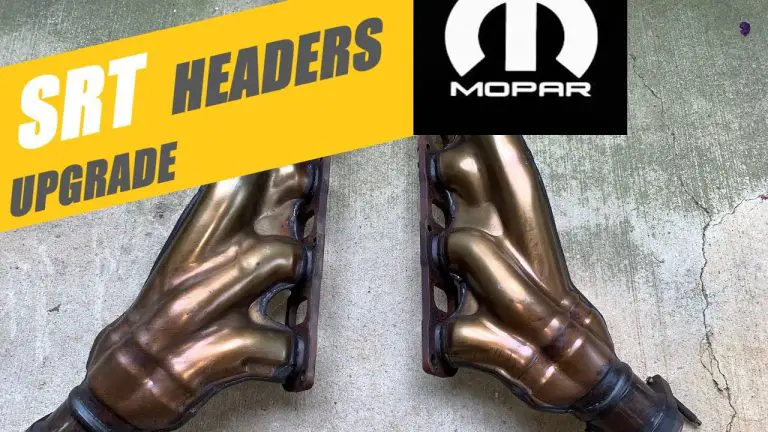
Do F Body Exhaust Manifolds Flow? Proven Gains!
Yes, F-body exhaust manifolds generally offer better flow than their truck counterparts, especially when upgraded. Stock F-body manifolds can be restrictive, but aftermarket headers designed for F-bodies significantly improve exhaust gas scavenging, leading to noticeable gains in horsepower and torque for your muscle car.
Ever popped the hood of your F-body and wondered if its exhaust manifolds are holding back its true muscle? You’re not alone! Many car owners, especially those new to performance upgrades, often question if their car’s stock parts are really doing the job. It can be a bit confusing when you hear terms like “exhaust scavenging” or “backpressure,” but at its heart, it’s all about helping your engine breathe freely. A happy engine breathes well, and a well-breathing engine means more power and a better driving experience. We’re going to explore just how well F-body exhaust manifolds flow, what makes them different from others, and how you can unlock some proven performance gains. Get ready to understand your exhaust system and see how simple upgrades can make a big difference!
Understanding Exhaust Manifolds: The Basics
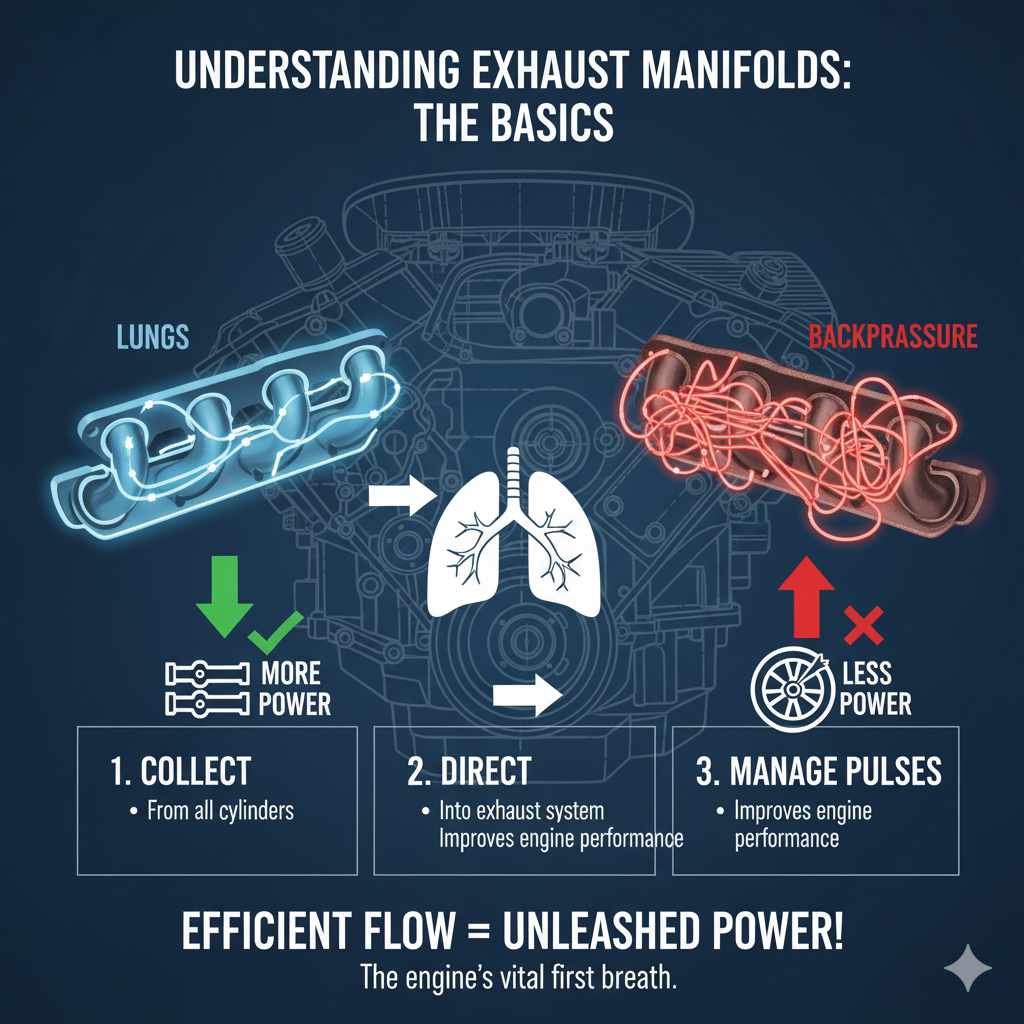
Think of your engine’s exhaust manifold as its lungs. Just like you need to take deep breaths to feel energized, your engine needs to expel exhaust gases efficiently to perform at its best. The exhaust manifold is the very first part of the exhaust system, collecting the hot gases from each cylinder’s exhaust port and routing them into a single pipe.
The main job of an exhaust manifold is to:
- Collect exhaust gases from all the cylinders.
- Direct these gases into the rest of the exhaust system.
- Help manage exhaust pulses to improve engine performance.
Why is this important for performance? Well, if the manifold is too small or poorly designed, it creates “backpressure.” This is like trying to exhale through a narrow straw – it’s harder work for the engine, and less power gets to the wheels. Better flowing manifolds means less backpressure and more unleashed power.
F-Body vs. Truck Exhaust Manifolds: What’s the Difference?
When we talk about “F-body,” we’re usually referring to iconic performance cars like the Chevrolet Camaro and Pontiac Firebird. These cars are built with performance in mind. Truck exhaust manifolds, on the other hand, are designed more for durability and quiet operation, often under heavy load. This difference in design philosophy leads to some key distinctions in how they flow.
Here’s a simple breakdown:
- F-Body Design: Typically designed for higher RPM power and faster gas evacuation. They often feature smoother bends and potentially larger internal diameters within the constraints of the engine bay.
- Truck Design: Often prioritize low-end torque, durability, and noise reduction. This can sometimes mean they are more restrictive, with smaller internal passages and more abrupt bends to dampen sound.
In the context of “do f body exhaust manifolds flow between than truck,” the answer is generally yes, when comparing stock F-body manifolds to stock truck manifolds from similar eras and engine displacements. F-body manifolds are engineered with performance intent, aiming to get exhaust gases out quickly to make room for the next intake charge, especially at higher engine speeds.
Stock F-Body Exhaust Manifold Flow: Good, But Room for Improvement
Stock exhaust manifolds on F-bodies have come a long way over the years, especially with advancements in material and design. For many everyday drivers, the stock manifolds might provide adequate performance. However, for enthusiasts looking to squeeze every bit of power out of their V8, the stock setup can be a bottleneck.
Common limitations of stock F-body manifolds include:
- Internal Obstructions: Casting seams, rough surfaces, and welds inside the manifold can create turbulence and restrict flow.
- Limited Diameter: The internal diameter might not be optimized for the amount of exhaust gas produced by a performance-oriented engine, especially if it’s been modified.
- Design for Emissions and Noise: Manufacturers often have to balance performance with strict emissions regulations and noise reduction targets, which can lead to less aggressive designs.
While stock F-body manifolds are generally better for performance than stock truck manifolds, they are rarely the optimal solution for maximizing engine output.
Proven Gains: The Power of Aftermarket Headers
This is where the magic happens! For significant performance gains, most F-body owners turn to aftermarket headers. Headers are designed specifically to improve exhaust flow. They replace the restrictive stock manifolds with a more efficient system, and the results can be quite dramatic.
Types of Aftermarket Headers
There are a few main types of headers you’ll encounter:
- Shorty Headers: These are designed as direct replacements for stock manifolds, fitting into the O.E. (Original Equipment) exhaust system configuration. They offer a modest performance improvement but are easier to install.
- Long Tube Headers: These extend further down the exhaust path, with individual tubes for each cylinder runner that are designed to “scavenge” exhaust gases more effectively. This process uses the momentum of the exiting exhaust pulse from one cylinder to help pull the exhaust from another, clearing the combustion chamber faster. Long tube headers typically offer the most significant horsepower and torque gains but often require modifications to the rest of the exhaust system and can be trickier to install.
- Tri-Y Headers: These collect exhaust gases in a collector that ties two pipes together, then ties those two into one, and so on. They aim to balance the scavenging effect of long tube headers with a slightly more compact design.
How Headers Improve Flow and Performance
Aftermarket headers work by:
- Smoother Bends: They use mandrel bends, which maintain a consistent diameter throughout the bend, unlike crush bends used in some cheaper systems. This smooth flow path is crucial.
- Optimized Tube Diameter and Length: Engineers calculate the ideal size and length for each runner based on the engine’s displacement, RPM range, and intended use.
- Improved Scavenging: Long tube headers specifically are designed to create a vacuum effect that pulls exhaust gases out of the cylinders more efficiently. This means more fresh air and fuel mixture can enter for the next combustion cycle.
- Reduced Backpressure: By evacuating gases more quickly, headers lower the backpressure that the engine has to work against.
These improvements translate directly to Dyno-proven gains. For many V8 engines, especially those found in F-bodies, a good set of long tube headers can add anywhere from 15 to 30 horsepower and a similar amount of torque, particularly in the mid-range and top end. This is a substantial gain for what is essentially a bolt-on modification.
Performance Metrics: What to Expect
When installing performance headers, you’re looking for tangible improvements. These gains are usually measured in horsepower and torque. While exact figures vary greatly depending on the specific engine, the headers chosen, the quality of the installation, and any other modifications present, we can look at general expectations.
Typical Horsepower and Torque Gains
For a stock or mildly modified V8 F-body (think something like a 5.7L LS1 or a classic small-block Chevy), here’s what you might expect:
| Modification Type | Typical HP Gain | Typical Torque Gain | Notes |
|---|---|---|---|
| Stock F-Body Manifolds (vs. Stock Truck) | Slightly Better | Slightly Better | Baseline comparison, less restrictive design |
| Aftermarket Shorty Headers | 5-15 HP | 5-10 lb-ft | Easier install, minimal other mods needed |
| Aftermarket Long Tube Headers | 15-30+ HP | 15-25+ lb-ft | Significant gains, may require exhaust mods, tuning |
It’s important to remember these are estimates. For a truly optimized system and to take full advantage of the increased airflow, you may also need to consider:
- A high-flow catalytic converter or cat-back exhaust system to match the headers’ breathing capacity.
- A PCM (Powertrain Control Module) tune. This is crucial! The engine’s computer needs to be recalibrated to take advantage of the new airflow characteristics. Without a tune, you might not see the full potential gains and could even run into issues.
For more information on engine tuning and its importance, the U.S. Department of Energy provides excellent resources on improving vehicle efficiency through proper engine operation: Vehicle Maintenance.
Installation: DIY or Professional?
Installing exhaust headers can range from a straightforward DIY job to a challenging undertaking, depending on your vehicle, the type of headers, and your mechanical skill level. As your automotive guide, I always recommend assessing your comfort and the complexity of the job before diving in.
Tools You Might Need
Even for a seemingly simple header installation, having the right tools makes the job safer and smoother. For a typical F-body header swap, you might need:
- A comprehensive socket and wrench set (metric and standard)
- Breaker bar and torque wrench
- Penetrating oil (like PB Blaster or Kroil) for rusty bolts
- Exhaust gasket set
- Torque sequences and specifications
- Jack and jack stands (never rely solely on a jack!)
- Protective gloves and eye protection
- Possibly a reciprocating saw or exhaust cutter if you are modifying existing exhaust piping.
- For long tube headers, you might also need exhaust clamps, a new exhaust mid-pipe, and possibly an O2 sensor extension harness.
The Installation Process (General Steps)
- Safety First: Park the car on a level surface, engage the parking brake, and disconnect the negative battery terminal.
- Safely Lift the Vehicle: Use jack stands to support the car securely.
- Access the Manifolds: This might involve removing heat shields, smog pump components (if applicable), or other obstructing parts.
- Carefully Remove Manifold Bolts: Spray rusty bolts with penetrating oil beforehand and let them soak. Work them loose gradually to avoid breaking.
- Remove Stock Manifolds: Once all bolts are out, carefully detach the manifolds. You may need to gently pry them away from the cylinder heads.
- Clean Mating Surfaces: Thoroughly clean the exhaust port surfaces on the cylinder heads.
- Install New Gaskets: Place the new exhaust gaskets onto the cylinder head ports.
- Install Headers: Position the new headers and loosely install the header bolts or nuts. Hand-tighten first to ensure proper alignment.
- Tighten Bolts Evenly: Follow a criss-cross torque pattern and tighten the bolts to the manufacturer’s specifications using a torque wrench. This ensures an even seal and prevents warping.
- Reinstall Other Components: Reattach any heat shields, smog equipment, or sensors removed earlier.
- Connect Exhaust System: For long tube headers, ensure the rest of your exhaust system is properly connected and sealed.
- Lower the Vehicle: Safely lower the car back to the ground.
- Reconnect Battery: Reconnect the negative battery terminal.
- Start and Check for Leaks: Start the engine and listen carefully for any exhaust leaks around the manifold gaskets or connections. A small puff of smoke from your fingertips (carefully!) can sometimes help detect small leaks when the engine is cold before starting.
If you’re not comfortable with any of these steps, especially working with potentially rusted exhaust components or dealing with exhaust system modifications, it’s always best to have a professional mechanic handle the installation. Many reputable performance shops specialize in exhaust work and can ensure a proper, leak-free installation. Organizations like the National Institute for Automotive Service Excellence (ASE) certify technicians, so looking for ASE-certified professionals can be a good indicator of expertise.

FAQs: Your Burning Questions Answered
Let’s address some common questions beginners have about F-body exhaust manifolds and headers.
Are F-body exhaust manifolds always better than truck exhaust manifolds?
Generally, yes, especially when comparing stock performance-oriented F-body vehicle manifolds to stock truck manifolds. F-body designs tend to prioritize better exhaust flow for performance, while truck manifolds often focus on durability and quietness, which can sometimes lead to more restrictive designs.
What is “backpressure” and why is it bad for performance?
Backpressure is the resistance the engine encounters when trying to push exhaust gases out. High backpressure makes the engine work harder, reducing power and efficiency. It’s like trying to breathe out through a straw; it’s difficult and less air gets out. Less backpressure means the engine can exhale freely, allowing more fresh air and fuel to enter for a more powerful combustion.
Do I need to tune my car after installing headers?
Yes, it is highly recommended. Aftermarket headers significantly change how your engine breathes. The car’s computer (ECU/PCM) needs to be reprogrammed (tuned) to adjust fuel and ignition timing maps to take advantage of the improved airflow. Without a tune, you might not get the full performance benefits and could even cause engine issues.
What’s the difference between shorty headers and long tube headers?
Shorty headers are designed to bolt directly in place of stock manifolds with minimal changes to the rest of the exhaust system. They offer modest performance gains. Long tube headers have individual pipes that extend much further down, designed for maximum exhaust scavenging and performance gains, but they often require modification or replacement of the mid-pipe and potentially other exhaust components.
Will headers make my car louder?
Yes, generally. By improving exhaust flow and often reducing the number of mufflers and resonators in the system (especially when paired with a performance exhaust kit), headers will typically make your car’s exhaust note more aggressive and louder. The specific sound will depend on the type of headers, the rest of your exhaust system, and the engine itself.
Can I install headers myself?
For some, yes, if they have basic mechanical skills, the right tools, and a safe workspace. However, header installation can be challenging due to rusted bolts, tight spaces, and the potential need to modify the existing exhaust system. If you have any doubts about your abilities, it’s safer and often more effective to have a professional mechanic install them.
How much horsepower can I expect from headers on my F-body?
For a typical V8 F-body, installing long tube headers can realistically add anywhere from 15 to 30+ horsepower and a similar amount of torque, especially when combined with a proper tune. Shorty headers will provide more modest gains, typically in the 5-15 horsepower range.
Conclusion: Unleashing Your F-Body’s Potential
So, to circle back to our main question: Do F-body exhaust manifolds flow? Stock ones do an okay job, generally better than stock truck manifolds due to their performance-oriented design. But the real story, the one that leads to those exciting “proven gains,” lies in the world of aftermarket headers. By replacing restrictive stock manifolds with carefully engineered headers, you’re essentially giving your F-body’s engine the ability to breathe much more freely. This improved airflow means less strain on your engine, more power at the throttle, and a more exhilarating driving experience. Whether you opt for the simpler shorty headers or the power-maximizing long tubes, the benefits are clear. With the right modifications and, crucially, a proper tune, you can unlock significant horsepower and torque, truly letting your F-body’s V8 spirit shine. It’s a rewarding upgrade for any enthusiast looking to get more performance out of their beloved muscle car.