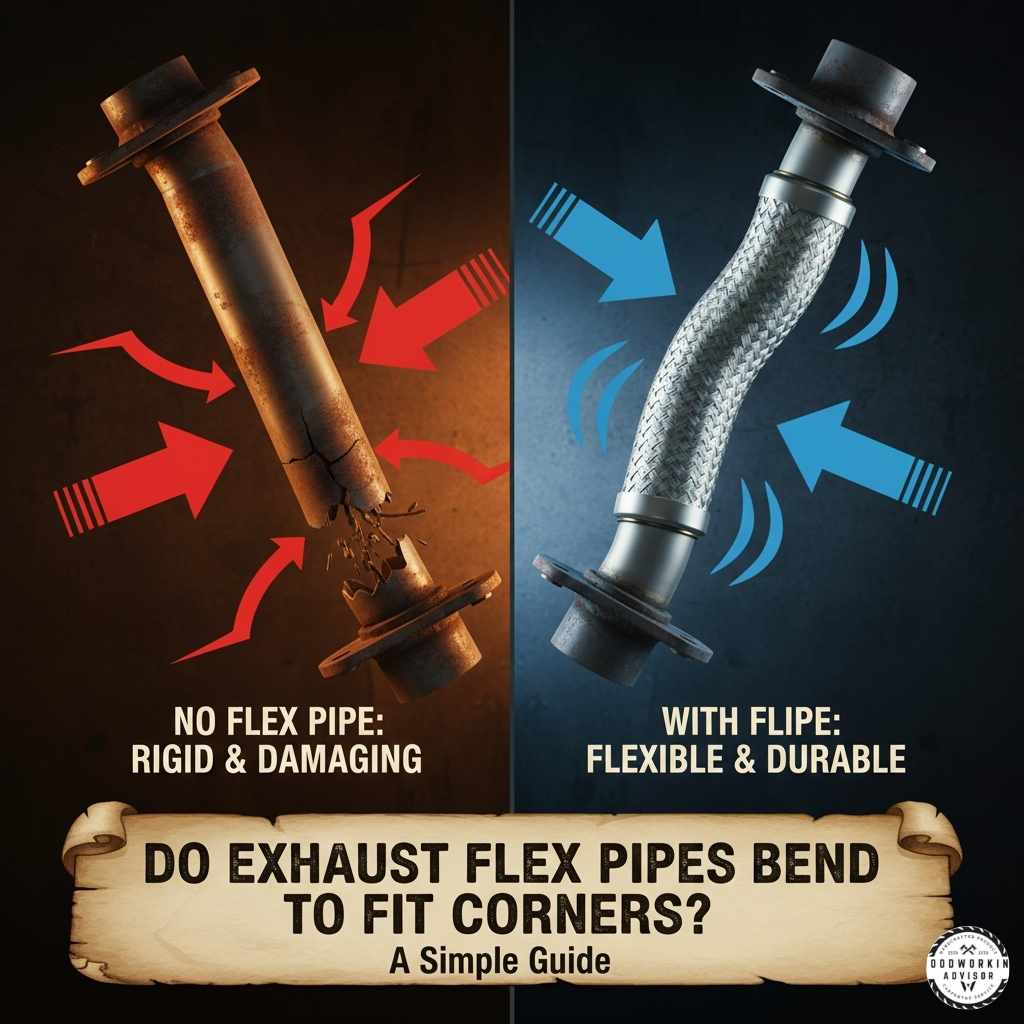
Do Exhaust Flex Pipes Bend to Fit Corners? A Simple Guide
If you’re tinkering with your car’s exhaust system, you might be asking, Do Exhaust Flex Pipes Bend to Fit Corners? It’s a common question, especially for beginners. The challenge lies in making sure everything fits just right without leaks or restrictions. Don’t worry, it’s totally achievable! This guide will break down the process step by step, so you can tackle those corners with confidence. We’ll start by exploring what flex pipes are and how they work. Get ready to learn!
Northeastern Exhaust
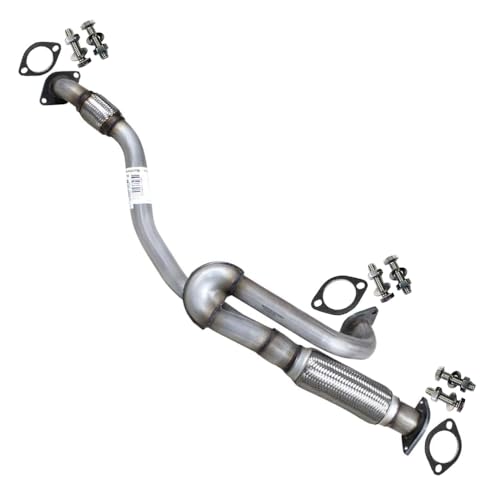
Exhaust Front Flex Y Pipe Compatible for…
- COMPATIBLE WITH: Chevy Traverse 2009 2010 2011 2012 2013 2014 2015 2016 2017 3.6L, Models.
- STAINLESS STEEL 409 GRADE: Our Exhaust Part/Exhaust System Kit/Assembly is meticulously engineered from durable stainless steel, e…
- OPTIMIZED EXHAUST FLOW: Designed to enhance exhaust flow, the Exhaust Part/Exhaust System Kit/Assembly minimizes back pressure, po…
As an Amazon Associate I earn from qualifying purchases.
What Are Exhaust Flex Pipes and Why Use Them?
Exhaust systems are complex, with pipes snaking around various car components. Flex pipes are a specific type of exhaust component designed to add flexibility to these systems. These pipes can be bent to accommodate tight spaces or unusual angles. They often use a corrugated metal construction, which is a series of ridges and grooves, enabling them to compress, expand, and bend without breaking or restricting the flow of exhaust gases. This ability is incredibly useful when fitting pipes around the engine, transmission, or other parts.
Flex pipes also help to reduce vibrations. The flexible nature absorbs some of the engine’s movement, preventing it from transferring directly to the rest of the exhaust system. This is especially helpful in older vehicles where engine mounts might be worn. Moreover, flex pipes can sometimes be a cheaper and simpler solution than custom-bending rigid pipes for specific angles. They are often used as a direct replacement for damaged sections of exhaust pipes, offering a quick fix for leaks or deterioration.
Exhaust Pipe Basics: Rigid vs. Flexible
Exhaust systems include both rigid and flexible pipes. Rigid pipes are typically made from steel or stainless steel and provide structural support. They are generally less expensive to manufacture but offer very little give. Flexible pipes, on the other hand, are constructed with corrugated or braided materials. They bend and flex to absorb vibrations and fit around tight areas. The choice between rigid and flexible pipes depends on the location in the system and the design requirements.
- Rigid Pipes: These are the workhorses of the exhaust system. They’re strong and can handle high temperatures. However, they don’t bend easily, making precise alignment crucial. Rigid pipes are found in straight sections, and they connect components like catalytic converters and mufflers.
- Flex Pipes: They are like the acrobats of the exhaust world. They provide the flexibility needed to maneuver around obstructions and absorb vibrations. They’re typically found near the engine, where movement is most pronounced.
- Material Differences: Rigid pipes are commonly made from mild steel or stainless steel. Flex pipes usually use stainless steel for its durability and resistance to corrosion. The corrugated design of the flex portion makes it able to handle movement without fatigue.
- Placement and Purpose: Rigid pipes focus on carrying exhaust gases. Flex pipes are placed strategically to absorb vibration and handle slight misalignment. They’re particularly useful when connecting the exhaust manifold to the rest of the system.
- Cost and Installation: Rigid pipes are usually cheaper to buy. Flex pipes may cost more but can be easier to install, especially in tricky spots. The specific needs of your car’s exhaust design often dictate the mix of pipe types used.
Construction of Exhaust Flex Pipes
Understanding how flex pipes are made helps in knowing how they can bend. Most flex pipes consist of several layers, each contributing to their functionality. The core is often a corrugated stainless steel tube. This wavy structure provides the necessary flexibility. A braided outer layer, also stainless steel, reinforces the core and protects against external damage. This layer helps the pipe maintain its shape and prevents it from expanding excessively under pressure. Depending on the model, an inner lining might be present to improve flow characteristics and reduce noise.
The ends of the flex pipe are typically fitted with solid metal collars or flanges that can be welded or clamped to the rest of the exhaust system. These connection points are designed to be strong and leak-proof. The manufacturing process involves careful welding or brazing to ensure the corrugated core and outer braid are securely connected. Quality control is essential to prevent leaks or premature failure. Advanced flex pipes may use interlock designs for added durability, where the corrugations are intertwined instead of simply welded.
Advantages of Using Flex Pipes
Flex pipes offer numerous advantages that make them a popular choice in exhaust systems. Their main benefit is, of course, their flexibility. This permits them to be used in areas where rigid pipes wouldn’t fit, such as near the engine where space is limited. They also help to reduce vibration, which can significantly extend the life of other exhaust components by reducing stress. Flex pipes can improve ride quality by preventing vibrations from the engine from being felt inside the car.
- Vibration Dampening: The primary function of a flex pipe is to absorb vibrations from the engine. This protects other exhaust components, such as the catalytic converter and muffler, from cracking or failing prematurely.
- Offsetting Misalignment: Flex pipes can handle minor misalignments in the exhaust system. This is useful during installation, allowing for some play when connecting various parts. This also helps with the car’s natural settling.
- Easy Installation: Flex pipes are often simpler to install than custom-bent rigid pipes. They can fit a wider range of vehicles without needing specific angles, saving time and money.
- Durability: Flex pipes, particularly those made of stainless steel, are resistant to rust and corrosion. They can withstand high temperatures and harsh conditions, leading to a longer lifespan.
- Noise Reduction: The construction of flex pipes also can contribute to noise reduction by absorbing sound waves, making the exhaust system slightly quieter.
Bending Exhaust Flex Pipes: What to Know
While flex pipes are designed to bend, there are limits to how much they can be manipulated without causing damage. The ability of Do Exhaust Flex Pipes Bend to Fit Corners? relies on the specific design and the materials used. Understanding these limitations ensures you don’t over-bend the pipe, which could lead to leaks, restrictions, or even complete failure. Several factors affect how much a flex pipe can be bent, including its length, diameter, and the type of construction.
Always inspect the flex pipe before bending it. Check for any signs of damage like cracks or deformation, as these can make the pipe more likely to fail. Use appropriate tools to bend the pipe gently. Avoid excessive force, which can distort the corrugations and reduce its effectiveness. Remember, the goal is to make a smooth bend, not to kink or crush the pipe. Careful planning and execution are key to a successful fit.
Factors Affecting Bendability
Several factors affect how well a flex pipe bends to fit a corner. The material plays a major role; stainless steel is commonly used for its flexibility and resistance to corrosion, but even the best materials have limitations. The design of the pipe, specifically the depth and pattern of the corrugations or braiding, is critical. Deeper corrugations often provide more flexibility. The length of the flex pipe also makes a difference; longer pipes can accommodate larger bends, as the bend’s radius will be greater.
- Material Type: Stainless steel is commonly used for its flexibility and resistance to corrosion. Different grades of steel may have slightly different bending characteristics.
- Corrugation Design: The pattern and depth of corrugations impact flexibility. Pipes with deeper and more closely spaced corrugations bend more easily.
- Pipe Diameter: Smaller diameter pipes are generally easier to bend than larger ones. The larger the diameter, the greater the force needed to bend the pipe.
- Length of Pipe: Longer flex pipes have more surface area and can accommodate a greater bend. Shorter pipes may be restricted by the amount they can bend.
- Wall Thickness: Thicker-walled flex pipes are more durable but may be harder to bend. Thinner walls offer greater flexibility.
Tools and Techniques for Bending
Bending a flex pipe requires the right tools and techniques to prevent damage. You can use a variety of tools, ranging from simple hand tools to more sophisticated equipment. The right method depends on the desired bend and the space you’re working with. Always wear safety glasses and gloves when working with exhaust components. Bending a flex pipe can be a straightforward process with careful preparation and the correct tools.
- Hand Bending: For small adjustments, hand bending might be sufficient. This method involves using your hands to gently curve the pipe. Be careful not to apply too much force, which can kink or flatten the pipe.
- Pipe Benders: Pipe benders come in various types, including lever-type and hydraulic benders. These tools provide leverage to make precise bends. They typically have a series of formers that match the pipe’s diameter.
- Cutting and Welding: For more complex bends, you might need to cut the flex pipe and re-weld it at the desired angle. This method requires a welding machine and expertise to avoid leaks.
- Heat Application: In certain instances, applying heat to the flex pipe can make it more pliable, but this is usually not recommended, as it can damage the pipe’s structure. If you need to use heat, do it carefully.
- Safety First: Always wear safety glasses and gloves when working with exhaust components. Ensure proper ventilation, especially when welding or working with heat.
Avoiding Common Mistakes
When bending flex pipes, avoiding common mistakes is important. Over-bending is a frequent problem that can lead to kinks or crushed areas. Avoid forcing the pipe beyond its limits, as this can reduce exhaust flow and damage the internal structure. Another mistake is using the wrong tools. Using tools designed for rigid pipes can damage a flex pipe. Always choose the correct size and type of tools. It’s also critical to make sure the cuts are clean, especially if you need to cut and weld the pipe. Improper cuts can make welding more difficult.
- Over-Bending: Over-bending can restrict exhaust flow and damage the internal structure. Always check the bend radius and ensure you’re not going past the pipe’s limits.
- Using the Wrong Tools: Using tools designed for rigid pipes can damage a flex pipe. Always use the right type of tools for the job.
- Poor Cutting: Make sure the cuts are clean, especially if you need to cut and weld the pipe. Rough cuts can make welding difficult.
- Ignoring Safety: Always wear safety glasses and gloves when working with exhaust components. Provide good ventilation, especially when welding or using heat.
- Improper Clamping: When connecting the flex pipe to other components, be sure that the clamps are snug but not too tight. Over-tightening can damage the flex pipe.
Installing Exhaust Flex Pipes for the Best Fit
Correct installation is key to ensuring that flex pipes perform as intended and last for a long time. This is where precision and some careful planning come into play. Before you begin, get everything ready: tools, safety gear, and the new flex pipe. Measure the old pipe and the space where the new one will go. You should always get the correct size. Taking measurements accurately will make the installation process easier. Ensure that the pipe is well-aligned with the rest of the exhaust system, as this helps to reduce stress on the flex pipe and connections.
When positioning the flex pipe, consider the movement of the engine. The flex pipe’s placement should account for this movement. It should not be so tight that it can’t absorb vibrations. Secure the connections using the appropriate clamps or welding techniques to get an airtight seal. Once the installation is complete, test the system for any leaks. This is essential for both performance and safety. A visual inspection along with checking for any exhaust noise can detect any problems quickly.
Preparation for Installation
Before installing a flex pipe, some preparation is needed. First, gather all the necessary tools and equipment. This usually includes a jack, jack stands, wrenches, a pipe cutter or saw, and a welding machine if you are going to weld. Always wear safety glasses and gloves. Inspect the new flex pipe to make sure it is the correct size and type for your vehicle. Measure the original pipe and the space available to make sure the flex pipe will fit correctly. Cleaning the existing exhaust system, where the new flex pipe will connect, helps ensure a good seal. This can involve wire brushing the ends of the pipes to remove rust and debris. Preparing the area around the exhaust system is also important.
- Gather Tools and Equipment: Collect all necessary tools, including jack, jack stands, wrenches, a pipe cutter, and a welding machine (if welding).
- Safety Gear: Wear safety glasses, gloves, and appropriate clothing to protect yourself during the process.
- Measurement and Inspection: Measure the original pipe and the space available to ensure the flex pipe is the correct size. Inspect the new flex pipe for any defects.
- Cleaning the System: Clean the existing exhaust system, especially where the new flex pipe will connect. Use a wire brush to remove rust and debris.
- Vehicle Preparation: Lift and secure the vehicle using jack stands. Provide adequate space to work under the car.
Connecting the Flex Pipe
Connecting a flex pipe involves a few key steps. After positioning the flex pipe in the exhaust system, it must be properly secured. The method for attaching the flex pipe depends on the connection type. This includes welding or clamping. If welding, ensure all welds are strong and leak-proof. If you’re using clamps, tighten them securely without over-tightening. Over-tightening can deform the pipe and reduce its effectiveness. Always check for proper alignment to make sure the flex pipe isn’t being stressed or bent unnaturally.
- Positioning: Place the flex pipe in its intended location, making sure it aligns with the rest of the exhaust system and allows for engine movement.
- Welding (If Applicable): If you are welding, secure the flex pipe with clamps. Apply the welds, ensuring they’re continuous and fully seal the connections.
- Clamping: If clamping, use the right size clamps and tighten them evenly. Make sure the clamps are snug but not over-tightened to avoid damage.
- Alignment Check: Verify the flex pipe is correctly aligned and the exhaust system isn’t under stress. Make any necessary adjustments.
- Final Inspection: Check for any leaks around the welds or clamps, and make sure everything is secure before lowering the vehicle.
Troubleshooting Common Issues
After installing a flex pipe, problems can sometimes arise. Leaks are a frequent issue and are often caused by poor welding or improperly tightened clamps. If you detect a leak, check the welds or clamps and reseal them. Another problem is unusual noises, which may result from the flex pipe rubbing against other components. Ensure there is enough clearance between the pipe and other parts of the vehicle. Incorrect size of flex pipe can restrict the flow of exhaust gases. Always ensure the flex pipe matches the system’s specifications.
- Leaks: Inspect the welds or clamps if you find a leak. Reseal them as needed.
- Unusual Noises: Check for any rubbing against other parts. Ensure there’s adequate clearance.
- Flow Restriction: Ensure the flex pipe is the correct size and not kinked or crushed.
- Vibration: If the flex pipe is failing to absorb engine vibrations, make sure it’s installed correctly and isn’t too rigid.
- Material Failure: Check for signs of rust or physical damage. Replace the flex pipe if you see significant deterioration.
Frequently Asked Questions
Question: Can I bend a flex pipe with just my hands?
Answer: It depends on how much bending is required. For minor adjustments, you might get by with your hands, but for significant angles, you’ll need the right tools.
Question: Will a flex pipe restrict my exhaust flow?
Answer: A properly sized and installed flex pipe shouldn’t restrict flow. Make sure you get the right diameter for your car.
Question: What’s the main difference between a flex pipe and a regular pipe?
Answer: Flex pipes are designed to bend and absorb vibrations, while regular pipes are rigid and provide structural support.
Question: How do I choose the correct size flex pipe?
Answer: Measure the diameter and length of the old pipe. Also, check the manufacturer’s specs for your car.
Question: Can I weld a flex pipe myself?
Answer: Yes, you can weld a flex pipe if you have experience and the correct equipment. Always wear protective gear.
Final Thoughts
So, Do Exhaust Flex Pipes Bend to Fit Corners? The answer is a qualified yes. Flex pipes are designed to accommodate bends, but there are limitations. The level of bend that a flex pipe can achieve depends on the material, design, and size of the pipe itself. Knowing the factors that influence bendability, using the right tools, and avoiding installation mistakes are all key to successful results. By following these suggestions, you’ll be well-prepared to deal with those corners. Remember, take your time, plan your approach, and prioritize safety. Good luck with your exhaust system project, and enjoy the satisfaction of getting the job done right!
Related pick: Check today's price on Amazon