Are Catless Downpipes Louder Than Catted WRX? Proven Answer!
Yes, catless downpipes are significantly louder than catted downpipes on a WRX. The catalytic converter in a catted downpipe acts as a muffler, reducing exhaust noise. Removing it, as with a catless downpipe, allows more sound to escape, resulting in a much more aggressive and louder exhaust note.
So, you’re looking to give your WRX that signature rumble, but you’re wondering about the noise difference between having a catalytic converter and going without. It’s a common question among WRX owners, and understanding this can save you from unwanted attention or a sound that isn’t quite what you imagined. Don’t worry, we’ll break down exactly what makes them different in terms of sound, plus what else you need to know. We’ll make it super simple so you can decide with confidence.
Unlocking the Sound: Catless vs. Catted Downpipes on Your WRX
When you’re thinking about exhaust upgrades for your Subaru WRX, the downpipe is often one of the first components people consider. It’s a key part of your exhaust system, sitting right after the turbocharger. The big question for many is about the sound: just how much louder are catless downpipes compared to those with a catalytic converter? As your friendly automotive guide, I’m here to give you the clear, straightforward answer.
Imagine your exhaust system as a highway for exhaust gases. The downpipe is like the on-ramp from the turbo. What’s in that downpipe makes a world of difference to the soundtrack your WRX makes. Let’s dive into why.
What Exactly is a Downpipe?
Before we talk about sound, let’s quickly define what a downpipe is and why it matters. The downpipe connects your turbocharger to the rest of your exhaust system, which typically includes the mid-pipe and muffler. It’s a crucial component for performance because it’s the first restriction the exhaust gases encounter after leaving the turbo. Reducing this restriction can improve horsepower and torque.

The Role of the Catalytic Converter
Now, let’s talk about its contents. A catalytic converter, often called a “cat,” is a device in your exhaust system that uses a precious metal catalyst to convert toxic exhaust gases into less harmful ones. Think of it as a specialized filter. For emissions control, it’s essential. But for sound, it’s a major silencer. It honeycomb structure helps to muffle and absorb the sound waves generated by the engine’s combustion, similar to how a muffler works.
You can learn more about how catalytic converters work from a reliable governmental source like the Environmental Protection Agency (EPA), which explains their impact on vehicle emissions.
Catless Downpipes: The Unfiltered Roar
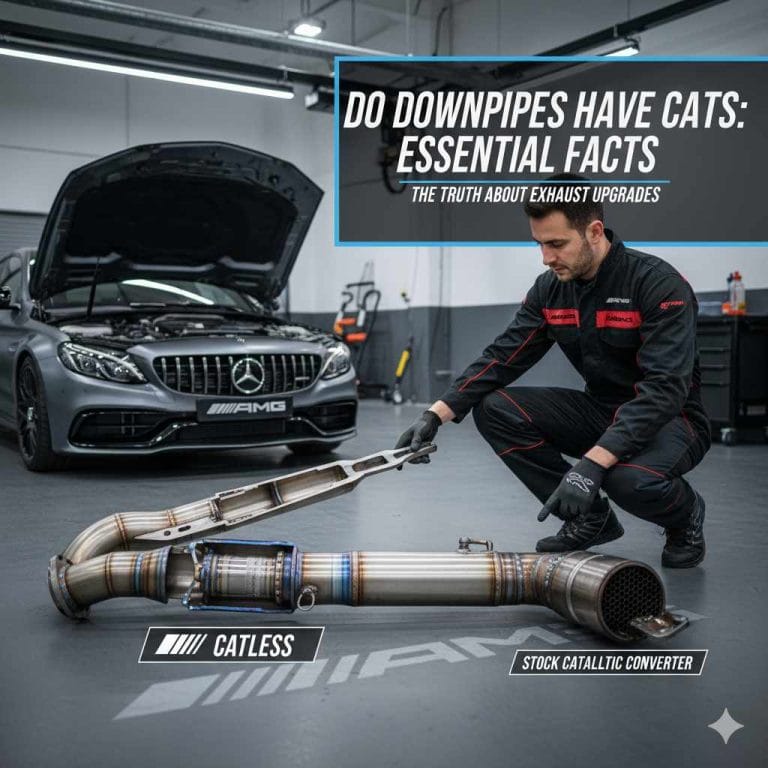
A catless downpipe, as the name suggests, does not have a catalytic converter. When exhaust gases leave the turbo, they pass through a straight pipe. This means there’s nothing to impede the flow or absorb the sound waves.
The Result:
- Significantly louder exhaust notes.
- A more aggressive, raspy, and often deeper tone.
- Increased exhaust “burble” and “pops” during deceleration.
On a WRX, this often translates to a much more pronounced boxer engine sound, which many enthusiasts desire. However, it’s important to remember that this comes with legal and environmental considerations.
Catted Downpipes: The Controlled Growl
A catted downpipe includes a catalytic converter. This converter is designed to handle the heat and flow of exhaust gases. While it does add some restriction compared to a catless pipe, modern high-flow catalytic converters are designed to minimize this impact on performance.
The Result:
- A more subdued and controlled exhaust note.
- Less aggressive overall volume.
- Reduces the intensity of pops and burbles.
- Still provides a noticeable improvement in sound quality over the stock exhaust.
For many, a catted downpipe strikes a good balance, offering an improved exhaust note without being excessively loud or drawing unwanted attention from law enforcement or emissions testing.
The Sound Difference: A Comparative Look
To illustrate the difference, let’s think about it visually and aurally. Imagine an open pipe versus a pipe with a special mesh and chambers inside. The presence of the catalytic converter’s internal structure breaks up the sound waves, making them quieter. Without it, those waves travel straight out, amplified.
Here’s a simple way to think about the sound intensity:
| Downpipe Type | Sound Level Relative to Stock | Note Characteristic |
|---|---|---|
| Stock (with factory cat) | 1x | Muted, designed for comfort and emissions. |
| Catted Aftermarket (High-Flow Cat) | 1.5x – 2x | Deeper, sportier, more pronounced boxer rumble, noticeably louder but still manageable. |
| Catless Aftermarket | 2.5x – 3.5x (or more) | Aggressive, loud, raw, often with rasp and increased pops. Much more attention-grabbing. |
These are general estimations, as the actual sound difference can also depend on other factors like the muffler design, exhaust piping diameter, and the specific engine tune. However, the trend is clear: removing the catalyst dramatically increases volume.
Factors Influencing WRX Exhaust Sound (Beyond the Downpipe)
While the downpipe is a major player, other parts of your WRX’s exhaust system contribute to its overall sound. Understanding these can help you fine-tune your desired exhaust note:
- Muffler: This is the primary component designed to silence exhaust. A high-performance muffler will allow more sound through than a stock one, even with a catted downpipe.
- Mid-pipe: The section of pipe connecting the downpipe to the muffler. Resonators in the mid-pipe can further reduce drone and certain frequencies.
- Exhaust Tip: While mostly aesthetic, the size and design of the tip can subtly influence the final sound and how it projects.
- Material: Stainless steel tends to produce a cleaner, brighter tone, while titanium can offer a sharper, more exotic sound.
The Pros and Cons: Making the Right Choice
Deciding between a catless and catted downpipe involves weighing performance gains against other important factors like noise, emissions, and legality.
Catless Downpipes:
Pros:
- Maximum Sound: Achieves the loudest and most aggressive exhaust note.
- Performance Gains: Offers the least restriction, potentially leading to slightly higher horsepower and torque gains, especially when combined with tuning.
- Cost: Often slightly cheaper upfront than catted versions due to simpler manufacturing.
Cons:
- Legality: In many regions, it is illegal to remove or tamper with catalytic converters. This can lead to failed emissions tests and hefty fines.
- Environmental Impact: Releases more harmful pollutants into the atmosphere.
- Offensive Drone: Can produce an unpleasant droning sound at certain RPMs, especially on the highway.
- Smell: Unfiltered exhaust gases can carry a stronger, more noticeable odor.
- Check Engine Light: Often triggers a “Check Engine” light due to sensor readings.
Catted Downpipes:
Pros:
- Improved Sound: Offers a significant improvement in sound over stock, providing a sportier and more aggressive tone.
- Legality: Meets emissions requirements in most areas, allowing you to pass inspections.
- Reduced Drone: Generally produces less intrusive drone than catless setups.
- Environmental Friendliness: Helps reduce harmful emissions.
- Sensor Compatibility: Less likely to trigger a “Check Engine” light if installed correctly.
Cons:
- Slightly Less Loud: Won’t achieve the extreme volumes of a catless pipe.
- Minor Performance Restriction: A high-flow cat still offers slightly more restriction than a straight pipe, though often minimal with quality products.
- Cost: Typically more expensive due to the added cost of the catalytic converter and its manufacturing.
Installation Considerations and Tips
Whether you choose a catted or catless downpipe, proper installation is key. While this guide focuses on the sound, it’s essential to be aware of the process. For beginners, most WRX owners opt for professional installation to ensure safety and correct fitment.
If you’re feeling adventurous and have the right tools, here’s a simplified overview of what’s involved. Remember to always prioritize safety.
Tools You Might Need:
- Jack and jack stands suitable for your WRX
- Socket set with extensions (metric sizes)
- Wrench set
- Gasket scraper or putty knife
- New exhaust gaskets and hardware
- Penetrating oil (for stubborn bolts)
- Torque wrench
- Safety glasses and gloves
General Installation Steps (Simplified):
- Safety First: Park on a level surface, engage the parking brake, and block the rear wheels.
- Safely Lift the Vehicle: Use your jack to lift the front of the car and secure it with jack stands at the designated support points.
- Locate Stock Downpipe: It’s the pipe directly behind the turbocharger.
- Remove Heat Shields: You’ll need to unbolt or remove heat shields covering the downpipe.
- Unbolt the Downpipe: Carefully unbolt the downpipe from the turbocharger flange and from the mid-pipe. Be prepared for some exhaust leaks as you break the seals.
- Remove the Old Downpipe: Gently maneuver the stock downpipe out of the way.
- Prepare for New Downpipe: Clean the turbo flange and mid-pipe connection points. Install new gaskets.
- Install the New Downpipe: Carefully position the new downpipe and hand-tighten the bolts to the turbo and mid-pipe.
- Tighten Securely: Once everything is aligned, tighten all bolts to manufacturers’ specifications using a torque wrench. Reinstall any heat shields.
- Final Check: Lower the vehicle and start the engine. Listen for any leaks or unusual noises.
For a more in-depth visual guide, consider checking out videos from reputable Subaru modification channels or resources like SubiSpeed’s guides, which often cover installation procedures for various parts.

FAQ: Your Burning Questions Answered
Q1: Are catless downpipes illegal?
A: In most places, yes. Tampering with or removing emissions control devices like catalytic converters is often illegal and can result in fines or failure to pass emissions tests. Always check your local laws.
Q2: Will a catless downpipe void my WRX warranty?
A: It’s highly likely. Manufacturers can deny warranty claims if they can prove an aftermarket part, like a catless downpipe, caused the failure.
Q3: How much louder is a catless downpipe than a catted one on a WRX?
A: Catless downpipes are significantly louder, often increasing exhaust volume by 50-100% or more compared to a catted downpipe, resulting in a much more raw and aggressive sound.
Q4: Can I pass an emissions test with a catless downpipe?
A: Almost certainly not. The catalytic converter is what cleans the exhaust gases. Without it, your car will fail emissions tests designed to measure these pollutants.
Q5: Will a catless downpipe affect my WRX’s performance?
A: Yes, it can improve performance slightly by reducing exhaust restriction, leading to modest gains in horsepower and torque. However, these gains are often maximized when paired with a proper ECU tune.
Q6: Does a catless downpipe cause a “Check Engine” light?
A: Very often, yes. The car’s sensors monitor the output of the catalytic converter, and removing it can cause these sensors to report abnormal readings, leading to a “Check Engine” light. A tune or a “cheater” module is often needed to prevent this.
Conclusion: Sound, Legality, and Your WRX
So, to recap: yes, catless downpipes are undeniably louder than their catted counterparts on a Subaru WRX. This difference comes from the absence of the catalytic converter, which acts as a natural sound dampener. If maximum volume and an aggressive, raw exhaust note are your primary goals, a catless downpipe will deliver that. However, it’s crucial to weigh this desire against the significant considerations of legality, environmental impact, potential for a “Check Engine” light, and the possibility of voiding your vehicle’s warranty.
For many WRX owners, a high-flow catted downpipe offers a superb compromise. It provides a noticeably sportier and louder exhaust note than stock, enhancing the boxer engine’s character without the extreme volume and legal drawbacks of a catless setup. This option allows you to enjoy an upgraded sound while remaining compliant with emissions regulations and minimizing potential headaches.
Ultimately, the choice depends on your priorities. Understand the trade-offs, check your local regulations, and decide which path aligns best with your vision for your WRX. Whichever you choose, enjoy the journey of making your car uniquely yours!