Are 330i Headers Same: Essential Guide
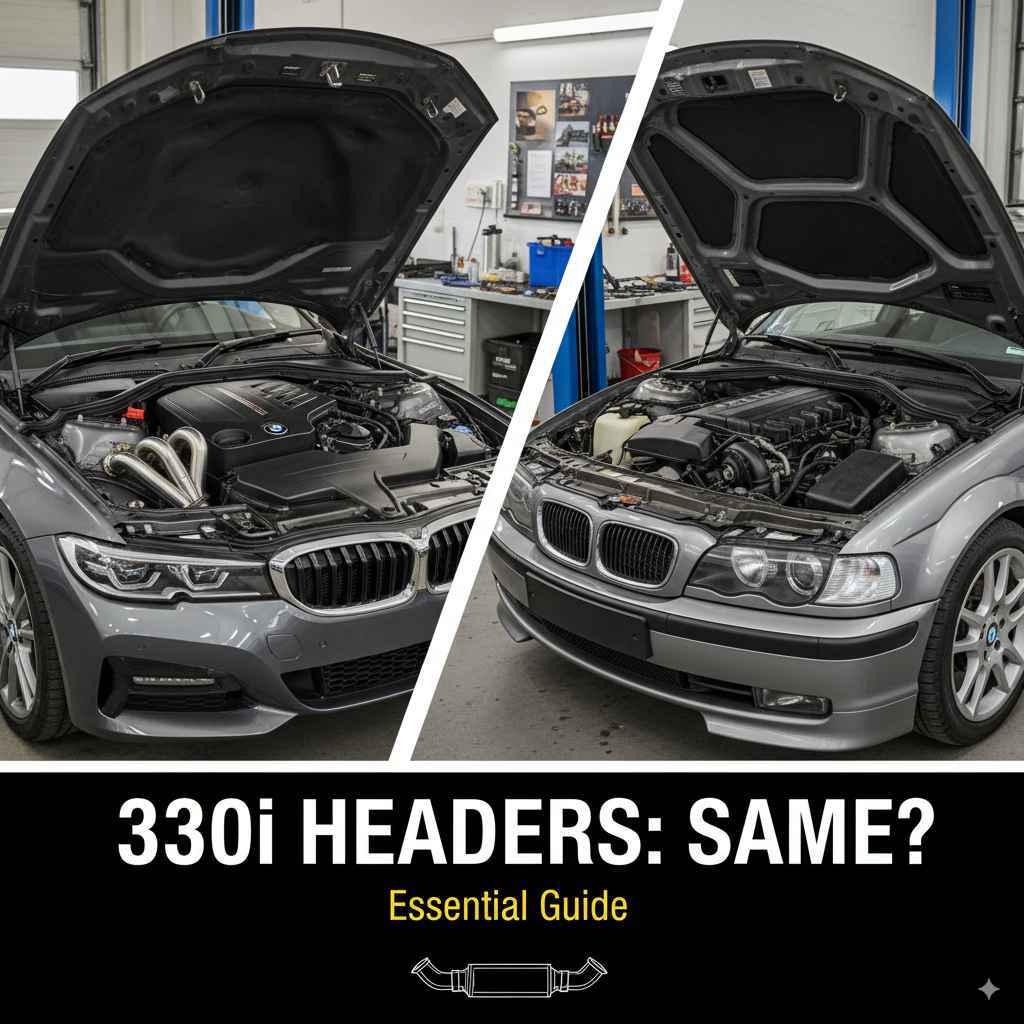
Are 330i Headers the Same? Yes, for specific generations and engine types, but there are crucial distinctions. This guide will clarify which 330i headers are interchangeable and when you need to be cautious.
Are you wondering if the exhaust headers on a BMW 330i will fit your car? It’s a common question for many BMW owners looking to upgrade or replace parts. The world of car parts can sometimes feel like a puzzle, and getting the right piece is important for your car’s performance and your peace of mind. Don’t worry, we’ll break down exactly what you need to know about 330i headers, making it simple to understand if they’ll work for you. Get ready to learn which headers are a match and which ones aren’t quite right!
Understanding BMW Exhaust Headers
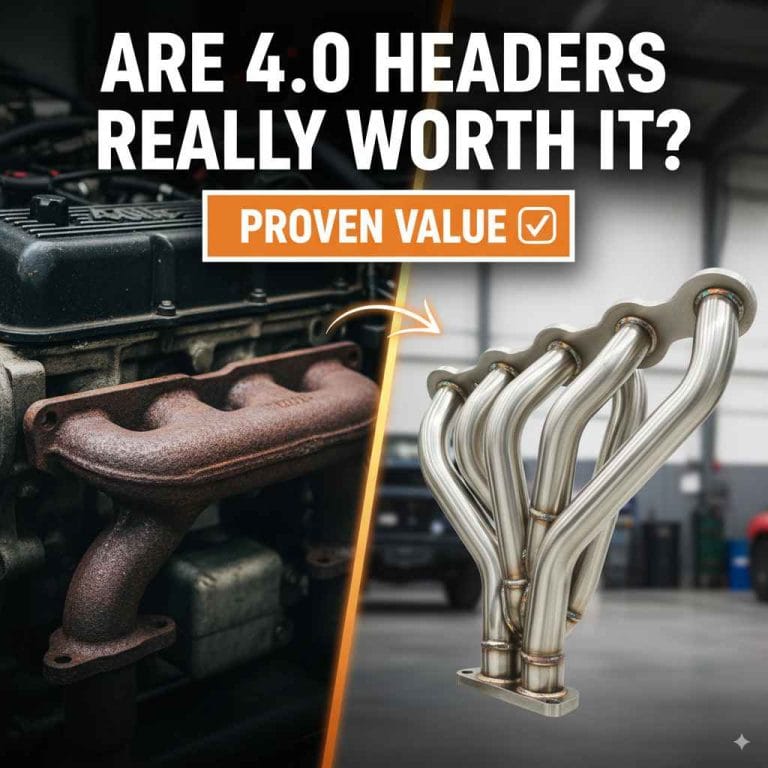
Exhaust headers, often called exhaust manifolds, are a vital part of your car’s engine. They collect exhaust gases from each cylinder and guide them into a single pipe, which then leads to the rest of your exhaust system. Think of them as the engine’s way of breathing out. The design of these headers can significantly impact how efficiently your engine breathes, which in turn affects power, sound, and even fuel economy.
For a car like the BMW 330i, which has a reputation for performance, the exhaust headers play a crucial role. They are built to handle the high temperatures and pressures of the engine’s combustion process. When looking at compatibility, especially between different models or drivetrain configurations (like the 330i versus the 330xi), it’s essential to understand some key differences that might exist.
Why Header Compatibility Matters
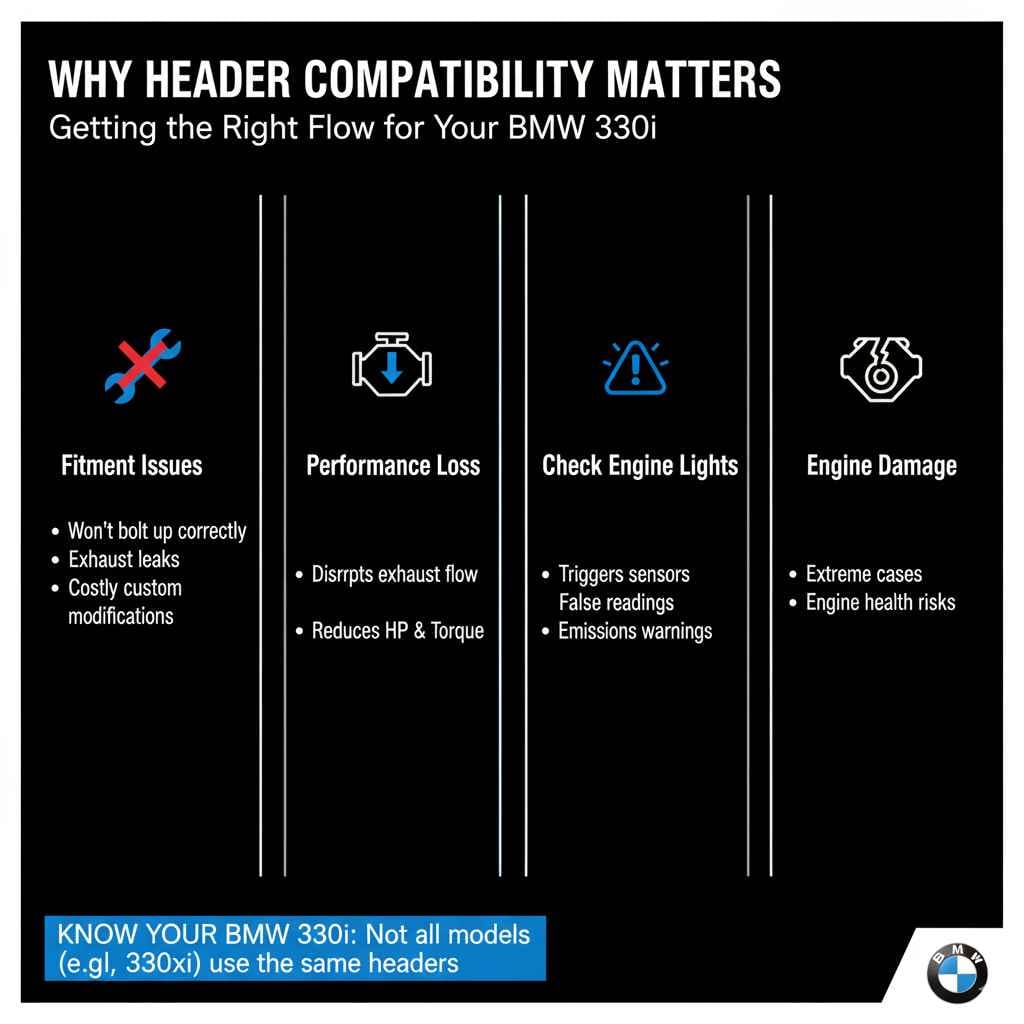
Getting the right headers is more than just a cosmetic change. If you install headers that aren’t designed for your specific car, you can run into a host of problems. These can include:
- Fitment Issues: Headers might not bolt up correctly to the engine or the rest of your exhaust system. This could mean exhaust leaks or the need for custom modifications, which can be costly.
- Performance Loss: Incorrect headers can disrupt the flow of exhaust gases, potentially hurting your engine’s performance instead of improving it.
- Check Engine Lights: Modern cars have sensors that monitor emissions and engine performance. An incompatible header can trigger these sensors, leading to warning lights.
- Engine Damage: In extreme cases, a very poor fit or design could lead to issues that affect the engine’s health.
This is why knowing if “330i headers are the same” as, for example, “330xi headers” is so important.
The BMW 330i and its Engine Lineup
To understand header compatibility, we first need to look at the engines that powered different BMW 330i models over the years. BMW has a history of using different inline-six engines, and the “330i” badge has been applied to various generations. The most common engines associated with the 330i are:
- M54B30 Engine: Found in the E46 generation (2001-2006 330i, 330Ci, 330xi). This is a naturally aspirated 3.0L inline-six.
- N52B30 Engine: Found in the E90/E91/E92/E93 generation (2006-2013 330i and variants). This is also a naturally aspirated 3.0L inline-six, known for its Valvetronic technology.
The headers are designed specifically for the engine’s cylinder head port layout and the space available in the engine bay. Therefore, headers designed for an M54 engine will not fit an N52 engine, and vice versa. This is the first major hurdle for compatibility.
Are 330i Headers the Same as 330xi Headers?
This is where things get interesting and require a closer look. The “xi” designation in BMW models typically indicates xDrive, which is BMW’s all-wheel-drive system. The “i” designation simply means it’s fuel-injected.
E46 Generation (M54 Engine): 330i vs. 330xi
For the E46 generation (roughly 2001-2006), both the 330i and the 330xi use the M54B30 engine. On the surface, you might think the headers are identical. However, there’s a significant difference: the drivetrain.
- 330i (RWD): The standard rear-wheel-drive 330i has plenty of space for its exhaust headers.
- 330xi (AWD): The all-wheel-drive 330xi has a front differential and driveshaft running underneath the engine. This setup occupies space that is otherwise free in the RWD model.
Because of the different undercarriage layout due to the all-wheel-drive system, the exhaust headers for the 330i and the 330xi are not the same. The headers for the 330xi are often designed with bends and routing that accommodate the additional drivetrain components. Trying to fit RWD headers onto an AWD model, or vice versa, will likely result in clearance issues and improper fitment.
E90/E91/E92/E93 Generation (N52 Engine): 330i vs. 330xi
Similarly, for the E90 generation (roughly 2006-2013), the 330i and 330xi models utilize the N52B30 engine. Again, the presence of the xDrive system in the 330xi models means that the physical space around the exhaust manifold is different due to the front driveshaft and related components.
Therefore, the answer for the E90 generation is also no, the 330i headers are not the same as the 330xi headers. The routing and possibly the shape of the manifold will differ to ensure clearance for the AWD system.
Key Differences Summarized
Let’s put this into a clear table to highlight the critical differences:
| BMW Model Generation | Engine Type | 330i Headers vs. 330xi Headers | Reason for Difference |
|---|---|---|---|
| E46 (2001-2006) | M54B30 (3.0L Inline-6) | Not the same | 330xi has AWD system (front driveshaft) which requires different header routing and clearance. |
| E90/E91/E92/E93 (2006-2013) | N52B30 (3.0L Inline-6) | Not the same | 330xi has AWD system (front driveshaft) which requires different header routing and clearance. |
This table should give you a quick and clear understanding of the compatibility differences between 330i and 330xi headers.
What About Headers for Other 3 Series Models?
The question often extends beyond just the 330i and 330xi. You might see headers advertised for a 325i, 328i, or even other BMW models. Are any of those compatible with a 330i?
Generally, no, headers designed for a different engine displacement or engine code will not be a direct fit for your 330i. For example:
- E46: Headers for the 330i (M54B30) will not fit a 325i (M54B25) or 323i (M52TU) or 328i (M52TU) because the cylinder head port spacing and exhaust manifold design are different.
- E90: Headers for the 330i (N52B30) will not fit a 328i (N52B30, but often different configurations) or a 335i (which uses the twin-turbo N54 or N55 engines, with entirely different exhaust manifolds).
The specific engine code and generation are the primary determinants of header fitment. Always confirm the exact engine and model year your part is designed for.
Types of Exhaust Headers for the 330i
When you’re ready to upgrade your 330i headers, you’ll encounter a few different types:
Stock/OEM Headers
These are the original equipment manufacturer (OEM) headers that came with your car. They are designed for quiet operation, emissions compliance, and moderate performance. If you need a replacement, sticking with OEM is the safest bet for direct fitment.
Aftermarket Headers (Performance Headers)
These are designed to improve exhaust flow and thus engine performance. They come in various designs:
- Tubular Headers: These typically consist of individual pipes (tubes) for each exhaust port, which are then merged into a collector. They are designed to optimize exhaust scavenging (the process where exiting exhaust pulses help pull the next pulse out), leading to increased horsepower and torque.
- Equal-Length vs. Unequal-Length:
- Equal-Length: All exhaust runners have the same length from the port to the collector. This is generally preferred for naturally aspirated engines as it creates a more consistent scavenging effect across all cylinders, leading to a smoother powerband.
- Unequal-Length: The exhaust runners have different lengths. This design is sometimes adopted for packaging reasons or to achieve a specific exhaust note, but it can lead to less optimal scavenging and a narrower powerband.
For the BMW 330i, which is renowned for its smooth inline-six power delivery, performance header manufacturers often focus on equal-length designs to complement the engine’s characteristics.
What to Look For When Buying 330i Headers
Since we’ve established that 330i headers aren’t the same as 330xi, and generally not interchangeable with other models, here’s what discerning owners should look for:
1. Fitment Guarantee
Always buy headers that explicitly state they are designed for your specific BMW 330i model year and engine code. Reputable manufacturers will offer a fitment guarantee. For example, if you own a 2004 BMW 330i (E46 chassis, M54B30 engine), ensure the headers are listed for that exact configuration.
2. Material Quality
Exhaust headers are subjected to extreme heat and corrosive elements. Look for headers made from high-quality materials:
- Stainless Steel:
- 304 Stainless Steel: This is a premium choice, known for its excellent corrosion resistance and durability. It’s often polished to a mirror finish.
- 16-gauge vs. 18-gauge: Thicker gauge (like 16-gauge) generally means more durability but also more weight.
- Mild Steel with Coating: Some headers are made from mild steel and then coated (ceramic or high-temperature paint). This can be a more budget-friendly option but may not last as long as stainless steel in harsh environments.
3. Design and Performance Goals
Consider what you want to achieve:
- Sound: Different header designs can slightly alter exhaust tone.
- Power: Equal-length tubular headers generally offer the best performance gains for naturally aspirated engines like the M54 and N52.
- Emissions: Ensure any aftermarket headers you choose meet local emissions regulations. Some headers may require modifications to emissions equipment or may not be street-legal in certain areas. It’s always a good idea to check with your local Department of Motor Vehicles or equivalent agency.
4. Brand Reputation
Stick with well-known brands that have a proven track record in the BMW tuning community. Brands like ESS Tuning, Active Autowerke, Supersprint, and others often produce high-quality components specifically for BMWs. Research reviews and forums to see what other owners are using and recommending.
5. Installation Considerations
Installing headers can be a challenging DIY job. It often requires lifting the car on a lift or jack stands, disconnecting the exhaust system, and potentially dealing with seized bolts. If you’re not comfortable with mechanical work, factor in the cost of professional installation. Specialized tools might be necessary for stubborn bolts, so ensure you have access to them or a mechanic who does.
Common Issues and Solutions
Even with the correct headers, some issues can arise. Being prepared can save you a lot of hassle.
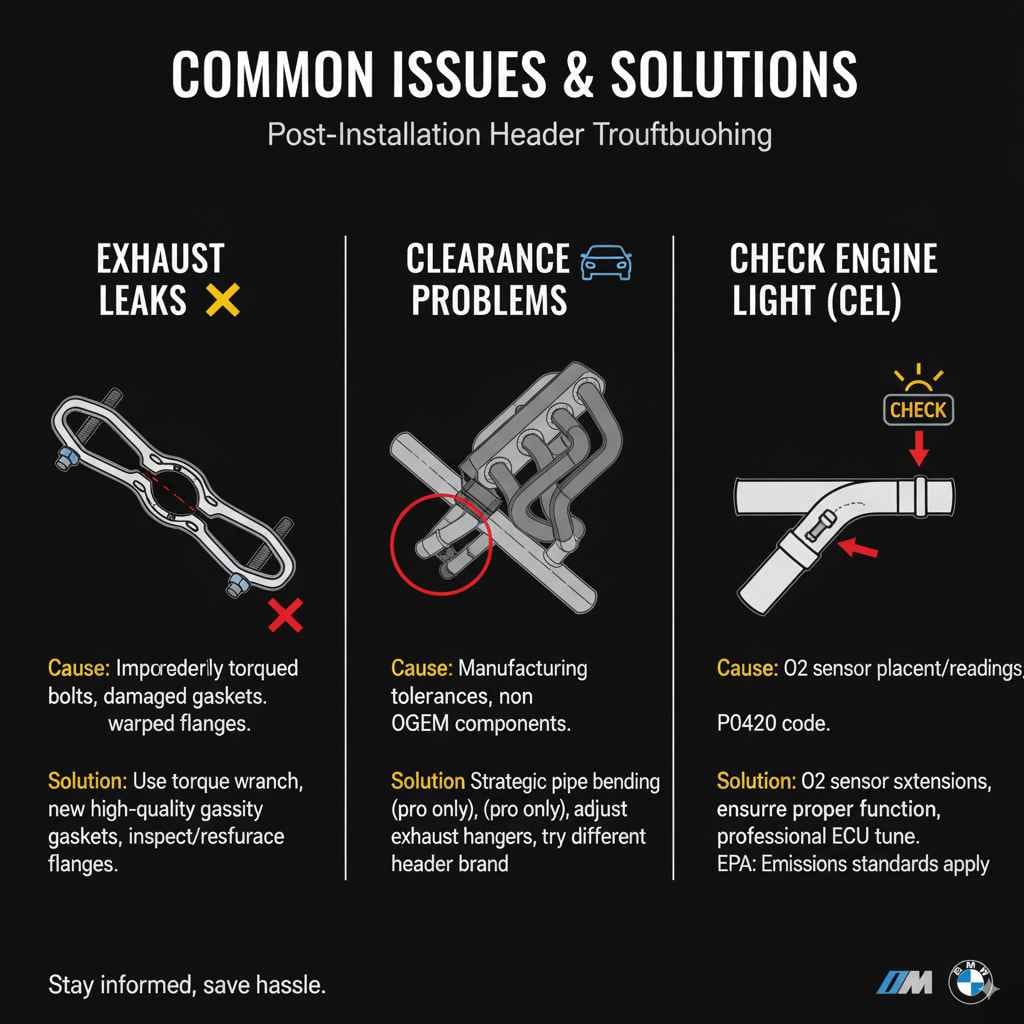
Exhaust Leaks
The most common problem after header installation is an exhaust leak. This can happen at the cylinder head flange or the connection to the mid-pipe.
- Cause: Improperly torqued bolts, damaged gaskets, warped flanges, or inadequate sealing.
- Solution: Ensure all bolts are tightened to the manufacturer’s specifications using a torque wrench. Use new, high-quality gaskets. Inspect the header flanges for flatness; if they aren’t perfectly flat, they may need to be resurfaced or replaced. Some aftermarket headers might require specific exhaust clamps or slip-fit connections to seal properly.
Clearance Problems
Even if a header is listed for your car, sometimes slight variations in manufacturing or the presence of aftermarket engine mounts can cause clearance issues.
- Cause: Minor manufacturing tolerances, non-OEM components in the engine bay.
- Solution: Very minor contact might be acceptable if it’s not causing noise or vibration. For more significant interference, you might need to carefully bend or slightly modify a pipe (this should only be done by someone experienced to avoid weakening the header) or use exhaust hangers strategically. In some cases, a different brand of header might be needed.
Check Engine Light (CEL)
Many performance headers are designed to work with the factory oxygen sensors (O2 sensors). However, changes in exhaust flow can sometimes affect sensor readings.
- Cause: The O2 sensors might be placed differently or are picking up readings that the car’s ECU interprets as abnormal.
- Solution: Some headers come with extensions or relocated bungs for the O2 sensors. If you’re getting a CEL that seems related to the exhaust (e.g., P0420 – Catalyst System Efficiency Below Threshold), you might need to install O2 sensor spacers or ensure the sensors are properly installed and functioning. A professional tune can sometimes adjust the ECU to account for the new header’s flow characteristics. Organizations like the Environmental Protection Agency (EPA) provide information on emissions standards for vehicle modifications.
FAQ Section
Q1: Are 2005 BMW 330i headers the same as 2007 BMW 330i headers?
A: No, they are not. The 2005 330i is an E46 generation with the M54 engine, while the 2007 330i is an E90 generation with the N52 engine. The engines and chassis are different, so the headers are not interchangeable.
Q2: Can I use headers from a 330Ci on a 330i?
A: Generally, yes, if they are from the same generation and have the same engine. For example, if both are E46 models with the M54B30 engine, the headers should be compatible, assuming both are RWD models. Always double-check the specific year and chassis code.
Q3: What are the benefits of aftermarket headers for a 330i?
A: Aftermarket headers can help improve engine breathing, leading to increased horsepower and torque, a more aggressive exhaust note, and potentially better throttle response. They are designed to optimize exhaust gas flow compared to stock headers.
Q4: Will installing 330i headers void my car’s warranty?
A: Yes, installing aftermarket performance parts like headers will typically void the warranty on your exhaust system and potentially other engine-related components. It’s always best to consult your BMW dealer or warranty documentation.