
Are 3.1 Headers Compatible with Case 3.0?
Hey there! If you’re wondering, “Are 3.1 headers compatible with Case 3.0?”, I’ve got you covered. As someone who’s spent countless hours tinkering with exhaust systems and diving into the nitty-gritty of headers, I’m excited to share what I’ve learned. The short answer is: it depends. Compatibility hinges on several factors like fitment, design, and your vehicle’s setup. Let’s break it down step-by-step so you can make the right choice for your ride.
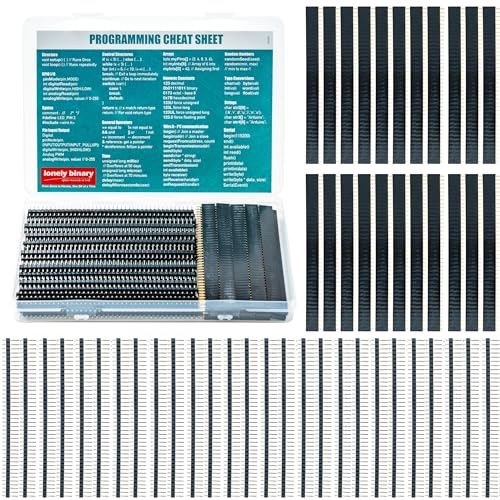
LONELY BINARY
Lonely Binary 75-Piece 2.54mm Pin Header Kit,…
- 【Comprehensive 75-Piece Set】20x40-pin female headers, 55x40-pin male headers; ideal for prototyping
- 【2.54mm Pitch Compatibility】Ensures seamless fit with Arduino IDE, Raspberry Pi, ESP32, PCBs, and breadboards
- 【Customizable 11mm Pins】Snap or cut headers to custom lengths for PCB prototyping and circuit modifications
As an Amazon Associate I earn from qualifying purchases.
Understanding Headers and Their Role in Your Vehicle
I remember the first time I looked under the hood and saw those shiny exhaust headers. They’re not just fancy pipes; they play a huge role in how your engine performs. Headers collect exhaust gases from your engine’s cylinders and direct them to the exhaust system. The better they do this, the more power and efficiency your engine can churn out.
The term “3.1 headers” refers to headers designed for a 3.1-liter engine, often found in vehicles like older GM models (think Chevy Lumina or Pontiac Grand Prix). Meanwhile, “Case 3.0” typically refers to a specific aftermarket or OEM exhaust system configuration, often tied to a 3.0-liter engine or a compatible chassis. The challenge is figuring out if headers built for a 3.1-liter engine will work with a Case 3.0 setup. Spoiler alert: it’s not always a simple yes or no.
Key Factors for Header Compatibility
When I first started swapping parts, I thought headers were plug-and-play. Boy, was I wrong! Here’s what you need to check to see if 3.1 headers will work with a Case 3.0 setup:
Engine Block Design
The 3.1-liter and 3.0-liter engines often share similar block designs, especially in GM vehicles from the 80s and 90s. Both are typically V6 engines, and many use the same bolt patterns for headers. But small differences in cylinder head design or exhaust port shape can cause fitment issues. I’ve seen cases where a 3.1 header’s flange didn’t align perfectly with a 3.0’s exhaust ports, leading to leaks or poor performance.
Mounting Points and Clearance
Headers need to fit snugly in your engine bay. The Case 3.0 exhaust system might have different mounting points or clearances compared to a 3.1 setup. For example, I once tried installing aftermarket headers on a friend’s car, only to find they rubbed against the frame. Always check the header’s tube routing and how it aligns with your vehicle’s chassis.
Exhaust System Integration
Your headers don’t work alone—they connect to the rest of the exhaust system. The Case 3.0 might use a specific catalytic converter or mid-pipe that doesn’t match the 3.1 headers’ outlet size or flange. I’ve had to use adapters in the past, but they’re not always ideal. A mismatched connection can cause exhaust leaks or backpressure issues, which hurt performance.
Vehicle Model and Year
Even if the engine sizes are close, the vehicle’s model and year matter. A 3.1-liter engine in a 1995 Chevy Lumina might not use the same headers as a 3.0-liter engine in a 1997 Pontiac Grand Prix, even if both are GM V6s. Always double-check your vehicle’s specs. I learned this the hard way when I ordered headers online without verifying the model year!

Comparing 3.1 Headers and Case 3.0 Requirements
To make things clearer, I’ve put together a table comparing key aspects of 3.1 headers and Case 3.0 compatibility. This is based on my experience working on GM vehicles and researching exhaust setups.
| Feature | 3.1 Headers | Case 3.0 Setup |
|---|---|---|
| Engine Size | Designed for 3.1L V6 engines | Designed for 3.0L V6 or similar chassis |
| Flange Design | Matches 3.1L exhaust ports | May vary slightly; check port alignment |
| Tube Diameter | Typically 1.5–1.75 inches | May require similar or adapted diameter |
| Mounting Points | Specific to 3.1L engine bay layout | Check chassis compatibility |
| Material | Stainless steel or mild steel | Must match exhaust system material |
| Performance Impact | Optimized for 3.1L powerband | May need tuning for 3.0L efficiency |
This table isn’t exhaustive, but it gives you a starting point. If you’re swapping headers, always measure twice and order once!
Common Challenges When Swapping Headers
I’ve run into my fair share of headaches when trying to fit headers across different engine sizes. Here are the common issues you might face:
Mismatched Flanges
The exhaust ports on a 3.1L engine might not line up perfectly with a Case 3.0’s setup. I once spent an entire Saturday trying to bolt on headers that were off by just a few millimeters. A gasket might help, but it’s not a perfect fix.
Clearance Problems
Headers are bulky, and engine bays are tight. The 3.1 headers might bump into steering components or other parts in a Case 3.0 setup. I’ve had to grind down brackets or even return headers that just wouldn’t fit.
Tuning Requirements
Swapping headers can change your engine’s air-fuel ratio. When I upgraded headers on my old Chevy, I noticed the engine ran lean until I adjusted the tune. If you’re not comfortable with tuning, you might need a mechanic’s help to avoid damaging your engine.
Legal Considerations
In the U.S., especially in states like California, emissions regulations are strict. Aftermarket headers might not be CARB-compliant, which could cause issues during inspections. I always check local laws before making exhaust mods.
How to Ensure Compatibility
So, how do you make sure 3.1 headers work with a Case 3.0? Here’s my step-by-step process based on years of trial and error:
- Check Your Vehicle’s Specs
Pull out your owner’s manual or check online for your car’s exact engine and chassis details. Websites like AutoZone or RockAuto have detailed part compatibility lists. - Measure Everything
Get under the hood with a tape measure. Check the exhaust port spacing, header flange size, and clearance in the engine bay. I’ve saved myself a lot of hassle by measuring before buying. - Consult the Manufacturer
If you’re eyeing aftermarket headers, call or email the manufacturer. Most brands, like Flowmaster or Hedman, have tech support who can confirm compatibility. I’ve had great luck getting answers this way. - Test Fit Before Final Installation
Don’t fully tighten those bolts until you’re sure everything fits. I always do a dry fit to check for clearance issues or leaks. - Consider Professional Help
If you’re not sure, take it to a shop. I’ve had mechanics save me time and money by spotting issues I missed.
Performance Benefits of Upgrading to 3.1 Headers
If you can make 3.1 headers work with your Case 3.0, the benefits can be awesome. Here’s why I love upgrading headers:
More Horsepower
Headers improve exhaust flow, which can add 5–15 horsepower, depending on your setup. I noticed a nice kick in acceleration after installing headers on my old Pontiac.
Better Fuel Efficiency
When exhaust gases flow freely, your engine doesn’t work as hard. I’ve seen small improvements in gas mileage after swapping to high-quality headers.
Enhanced Sound
Let’s be honest—headers give your car that deep, throaty exhaust note. It’s one of my favorite parts of any exhaust upgrade.

When to Avoid Using 3.1 Headers on Case 3.0
Sometimes, it’s just not worth the hassle. Here are a few scenarios where I’d skip trying to make 3.1 headers work:
- Major Modifications Required: If you need to cut, weld, or heavily modify parts, it might be cheaper to buy headers designed for the Case 3.0.
- Emissions Concerns: If your state has strict laws, stick with OEM or CARB-approved headers.
- Budget Constraints: Adapters, tuning, and labor can add up. I’ve been there, thinking I’d save money, only to spend more fixing issues.
Alternatives to 3.1 Headers for Case 3.0
If compatibility is too tricky, don’t worry—there are other options. Here are my go-to alternatives:
OEM Headers
Factory headers for the Case 3.0 are a safe bet. They’re designed to fit perfectly and meet emissions standards. I’ve used OEM parts when I didn’t want to deal with aftermarket headaches.
Universal Headers
Some brands offer universal headers that can be adapted to multiple engines. They’re not my first choice, but they can work with some tweaking.
Custom Headers
If you’ve got the budget, custom headers are the way to go. I had a shop build headers for a project car once, and they fit like a glove. Just be ready to spend a bit more.
My Personal Experience with Header Swaps
I’ll never forget the first time I tried swapping headers on my 1996 Chevy Lumina. I thought I’d scored a great deal on some 3.1 headers, only to find they didn’t quite fit my buddy’s 3.0-liter setup. We spent hours troubleshooting, adjusting, and eventually using an adapter to make it work. The car ran great afterward, but it taught me to do my homework first. Since then, I’ve swapped headers on several GM V6s, and I’ve learned that patience and research are key.
FAQs
Are 3.1 headers a direct fit for Case 3.0?
It depends on the vehicle and exhaust setup. In many cases, 3.1 headers can fit a Case 3.0 with minor adjustments, but you’ll need to check flange alignment, clearance, and exhaust system compatibility.
Will 3.1 headers improve performance on a Case 3.0?
Yes, if they’re compatible, 3.1 headers can boost horsepower and improve exhaust flow. You might need tuning to get the most out of them.
Do I need special tools to install 3.1 headers?
Basic tools like a socket set, wrenches, and a torque wrench are usually enough. I also recommend having a gasket scraper and some anti-seize for easier installation.
Are aftermarket headers legal for Case 3.0?
It depends on your state’s emissions laws. In places like California, you’ll need CARB-approved headers to stay legal. Always check local regulations.
How much do 3.1 headers cost?
Prices vary, but you can find 3.1 headers for $150–$500, depending on the brand and material. Stainless steel costs more but lasts longer.
Conclusion
Figuring out if 3.1 headers are compatible with a Case 3.0 can feel like a puzzle, but it’s one worth solving. With the right research, measurements, and maybe a little elbow grease, you can unlock better performance, a sweeter exhaust note, and even improved fuel efficiency. I’ve been down this road myself, and while it’s not always smooth, the payoff is worth it. Whether you’re a weekend warrior or just want to boost your ride’s potential, take your time to check compatibility, explore alternatives, and maybe even consult a pro. Your car will thank you with every rev!
Related pick: Check today's price on Amazon