Are Aftermarket Headers Legal in Massachusetts? Essential Guide
As of my last update, aftermarket headers are generally legal in Massachusetts for daily driving, provided they do not cause your vehicle to exceed emissions standards or create excessive noise. The key is compliance with Massachusetts’ specific emissions and noise regulations, not always the presence of aftermarket parts themselves. Proper installation and ensuring your vehicle still passes inspection are crucial.
Thinking about upgrading your car’s exhaust headers? It’s a common question for Massachusetts drivers who want a bit more performance or a different sound from their ride. You might have heard whispers or read conflicting information about whether these popular upgrades are allowed on the road here. It can be a bit of a headache trying to figure out the rules, especially when you just want to enjoy your car!
But don’t worry, we’re here to clear the air. This guide will break down the laws and regulations in Massachusetts so you can make an informed decision about aftermarket headers. We’ll look at what’s allowed, what might cause trouble, and how to ensure your vehicle stays compliant and safe. Let’s get your exhaust system questions answered!
Understanding Exhaust Headers: What Are They and Why Upgrade?
Before diving into the legalities, let’s quickly touch on what exhaust headers are and why some car owners opt for them. Think of your engine as the heart of your car. As it burns fuel, it creates exhaust gases. These gases need to escape efficiently.
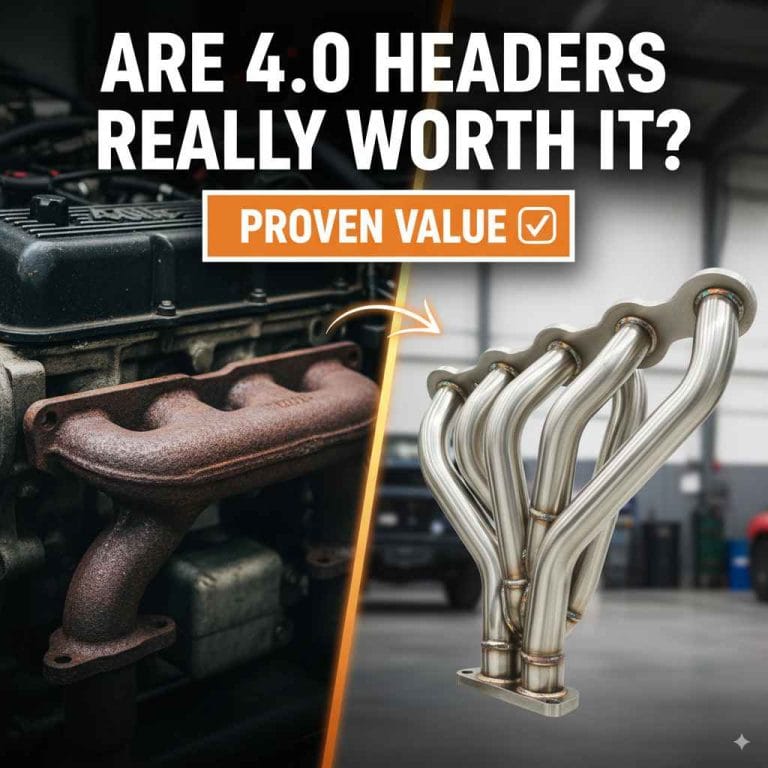
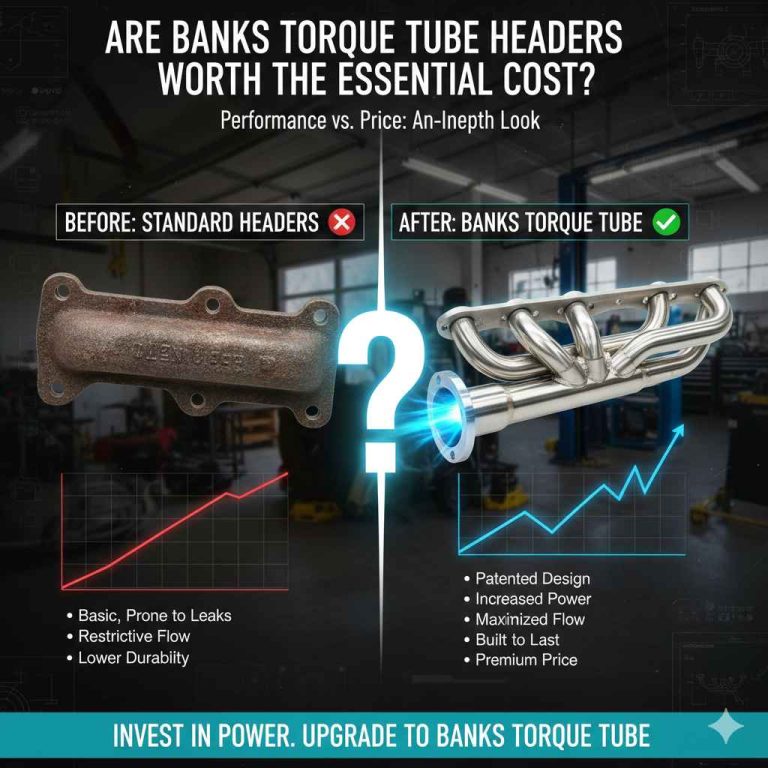
Your car’s factory exhaust system has “exhaust manifolds” that collect these gases from each cylinder and funnel them into a single pipe. Aftermarket headers are essentially an upgraded version of these manifolds. They are typically made of smoother, larger diameter tubing that is often bent in specific ways to help exhaust gases flow out of the engine more freely and quickly.
Why Do People Install Aftermarket Headers?
Improved Performance: By allowing gases to exit the engine faster, headers can increase horsepower and torque. This is often what car enthusiasts are looking for.
Better Sound: Headers can subtly change the exhaust note, often making it deeper and more aggressive.
Weight Reduction: Some aftermarket headers are made from lighter materials than stock manifolds.
Aesthetics: In some cases, the look of polished or specially coated headers can be appealing.
It’s an exciting upgrade, but as we’ll explore, the excitement needs to be tempered with knowledge of local law.

Massachusetts Vehicle Emissions Standards: The Big Picture
Massachusetts is serious about air quality. To help keep the air cleaner, the state has strict laws about vehicle emissions. The Registry of Motor Vehicles (RMV) oversees these regulations, and they are designed to ensure that vehicles on the road are not polluting excessively.
The core of these regulations revolves around the concept of “tampering” – making modifications that would defeat the purpose of your car’s emissions control system. The specific laws are detailed in the Massachusetts General Laws and the Code of Massachusetts Regulations.
For someone looking at aftermarket headers, the key question is: does installing these headers cause the vehicle to violate emissions standards or tamper with emissions control equipment? Generally, the headers themselves don’t directly control emissions; that’s the job of the catalytic converter. However, if headers are designed in a way that necessitates removing or disabling the catalytic converter, that’s where trouble arises.
Key Regulations to Be Aware Of
Massachusetts follows the federal Clean Air Act standards. Here are some critical points for vehicle owners:
- Tampering Prohibited: It is illegal to remove or alter any device or component that is part of your vehicle’s certified emissions control system. This includes catalytic converters.
- Emissions Performance: Your vehicle must meet the original emissions standards for which it was designed.
- Inspection Requirements: Massachusetts has an annual safety and emissions inspection program. Vehicles must pass this inspection to be registered and legally driven.
You can find more detailed information on the Massachusetts Department of Environmental Protection (MassDEP) website, which often has resources and fact sheets related to vehicle emissions. For instance, their Massachusetts RMV section provides excellent resources regarding vehicle inspections and requirements.
Are Aftermarket Headers Legal in Massachusetts? The Nuance
Now, let’s get to the heart of your question: Are aftermarket headers legal in Massachusetts? The answer, like many things in automotive law, is not a simple yes or no. It depends on how they are used and if they comply with state regulations.
In most cases, aftermarket headers themselves are not inherently illegal in Massachusetts. The state’s focus is on emissions and noise, not necessarily the brand or type of header installed, as long as it doesn’t compromise these. What is illegal is any modification that:
- Causes your vehicle to fail its emissions inspection.
- Requires the removal or disabling of your catalytic converter.
- Violates noise pollution laws.
Catalytic Converters: The Crucial Component
The catalytic converter is a vital part of your car’s exhaust system. Its job is to convert harmful pollutants in the exhaust gases (like carbon monoxide, hydrocarbons, and nitrogen oxides) into less harmful substances (like water vapor and carbon dioxide). Massachusetts inspections rigorously check for the presence and functionality of the catalytic converter.
Many aftermarket headers are designed to give a more direct path for exhaust gases. Some “off-road” or “cat-less” headers are specifically designed to be used without a catalytic converter. Installing such headers and removing your catalytic converter is illegal in Massachusetts and will cause your vehicle to fail inspection.
Fortunately, many aftermarket header manufacturers produce “direct-fit” or “high-flow” headers that are designed to work with your stock catalytic converter or allow for the installation of a high-flow aftermarket converter. These are generally the types of headers that may be compliant.
Noise Regulations in Massachusetts
Beyond emissions, noise is another factor. Massachusetts has laws against excessive vehicle noise. While headers can change the sound of your exhaust, they should ideally not make your vehicle excessively loud, especially to the point where it becomes a public nuisance or fails a noise ordinance test if one were to be conducted (though specific noise testing is less common than emissions in standard inspections).
The exact decibel limits can be found, but generally, modifications should keep the exhaust sound within a reasonable range. Your exhaust system should not be altered to produce noises that are significantly louder than factory stock, or in a manner that is obviously intended to be disruptive.
Types of Aftermarket Headers and Their Legality
Let’s break down the common types of aftermarket headers and how they usually stand up to Massachusetts law:
1. High-Flow Headers with Provisions for Catalytic Converter
Description: These headers are designed with smoother bends and often larger pipes than stock manifolds. Crucially, they are designed to connect to your factory catalytic converter or allow for the installation of an aftermarket high-flow catalytic converter in the stock location.
Legality in MA: Generally legal and the recommended choice for compliance. If your car passes emissions with these headers installed (by retaining a functional catalytic converter), you should be fine. Many performance headers fall into this category, offering a performance boost without sacrificing emissions compliance.
2. “Cat-Back” Systems
Description: These systems replace the exhaust components from the catalytic converter all the way back to the tailpipe. They do not involve the exhaust manifold or usually the catalytic converter itself.
Legality in MA: Almost always legal, as they do not affect emissions control equipment. The legality here hinges purely on noise levels.
3. “Cat-less” or “Race” Headers
Description: These headers are explicitly designed to bypass or eliminate the catalytic converter. They are for off-road use only and often lack any provision for installing a converter.
Legality in MA: Illegal for use on public roads in Massachusetts. These will cause your vehicle to fail emissions inspection and are a direct violation of environmental regulations.
4. Headers Requiring Catalytic Converter Removal
Description: Some headers, even if not explicitly “cat-less,” might be designed in a way that makes it impossible or impractical to retain the stock catalytic converter, or they might move the converter to a position where it is ineffective.
Legality in MA: Illegal. If the installation of headers means your car no longer has a functional catalytic converter in its proper place, it’s a violation.
The Massachusetts Vehicle Inspection Imperative
Massachusetts has a mandatory annual vehicle inspection program. This inspection doesn’t just check if your brakes work; it’s a critical gateway for ensuring your vehicle meets environmental standards.
Here’s what the inspection typically involves regarding your exhaust system:
- Visual Inspection: Inspectors will look for obvious signs of tampering. This includes checking if the catalytic converter is present and appears functional. They will also check the general condition of the exhaust system for leaks.
- Emissions Test: On-board diagnostics (OBD-II) are used for most vehicles manufactured after 1996. The inspection station plugs into your car’s OBD-II port. This system communicates with the engine’s computer and checks for any trouble codes, monitor readiness, and overall emissions performance. If your catalytic converter has been removed or is malfunctioning, the OBD-II system will detect this.
- Gas Cap Test: A loose or faulty gas cap can also cause emissions issues.
If your vehicle, with aftermarket headers installed, cannot pass the Massachusetts emissions inspection, it is not legal to drive on public roads. This means that even if the headers themselves aren’t the direct cause of failure, the result of their installation and any associated modifications (like tampering with the catalytic converter) makes them non-compliant.
Finding Compliant Aftermarket Headers
So, how do you find headers that are likely to be legal in Massachusetts? The key is to look for headers that are specifically designed to work with your factory emissions equipment.
What to Look For:
- “C.A.R.B. Compliant” or “EPA Approved”: While Massachusetts often aligns with federal standards, looking for parts that are certified by the California Air Resources Board (C.A.R.B.) or have EPA approval can be a good indicator of compliance. These certifications mean the part has been tested and proven not to negatively impact emissions.
- Direct-Fit for Stock Catalytic Converter: Headers that bolt up to your original catalytic converter location, or are designed to accept an aftermarket high-flow converter, are the safest bet.
- Product Descriptions: Reputable manufacturers will clearly state if their headers are intended for off-road use only or if they are street-legal. Always scrutinize the product description.
- Consult with a Reputable Installer: A knowledgeable shop specializing in exhaust systems or performance upgrades in Massachusetts can guide you. They are familiar with local laws and can recommend header brands and installation methods that are compliant.
Reputable Manufacturers Often Offer Compliant Options:
Many well-known aftermarket exhaust companies offer street-legal header options. It’s always wise to check their specific product lines and ensure they are compatible with your vehicle’s emissions systems.
For instance, brands like Holley and Borla often provide detailed information about the emissions compliance of their products on their websites. Always verify the specific part number and its intended use.
DIY Installation vs. Professional Installation
Installing aftermarket headers can be a challenging DIY project for someone new to car mechanics. While the desire to save money is understandable, mistakes can lead to exhaust leaks, improper fitment, or, more importantly, illegal modifications.
DIY Considerations:
- Tools: You’ll need specialized tools like exhaust manifold wrenches, penetrating oil, and possibly a torque wrench.
- Complexity: Working in tight engine bay spaces can be difficult.
- Risk of Damage: There’s a risk of stripping bolts or damaging nearby components.
- Legal Compliance: Ensuring the catalytic converter is reattached correctly and securely is paramount.
Professional Installation Benefits:
- Expertise: Certified mechanics have the knowledge and experience to install parts correctly.
- Proper Fitment: They can ensure a perfect seal, preventing exhaust leaks which can affect performance and emissions.
- Legal Assurance: A reputable shop will ensure the installation adheres to all state regulations, including proper catalytic converter placement.
- Warranty: Many shops offer warranties on their labor and parts.
If you are not highly confident in your mechanical skills, investing in professional installation is strongly recommended. It’s a small price to pay for peace of mind and legal operation.
Table: Aftermarket Header Types and Massachusetts Legality
Here’s a quick reference table to help you understand the legal standing of different header types in Massachusetts:
| Header Type | Description | Legality in MA for Daily Driving | Installation Notes for Compliance |
|---|---|---|---|
| High-Flow Headers (Catalytic Converter Compatible) | Designed to improve exhaust flow while retaining or allowing for the installation of a catalytic converter. | Generally Legal | Must include provisions for a functional catalytic converter in the correct location. |
| “Cat-Back” Systems | Replace exhaust from catalytic converter back. Does not affect headers or converter. | Generally Legal (Noise Dependent) | Ensure the system does not create excessive noise. |
| “Cat-less” or “Race” Headers | Designed and intended to be used without a catalytic converter. | Illegal | Prohibited for use on public roads. |
| Headers Requiring Converter Removal | Headers where installation means the catalytic converter is removed or made ineffective. | Illegal | Violates emissions compliance. |
Tips for a Smooth Inspection After Header Installation
Installing compliant headers is only one part of the equation. You still need to pass your inspection. Here are some tips:
- Drive Responsibly: After installing new headers, drive your vehicle normally for a few days before your inspection. This allows the engine’s computer to go through its diagnostic cycles and confirm that all emissions monitors are ready. Avoid aggressive driving right before your inspection.
- Check for Leaks: Even minor exhaust leaks can affect emissions readings and increase noise. Ensure all connections are tight during installation.
- Maintain Your Catalytic Converter: Make sure your catalytic converter is in good working order. If it’s old or clogged, consider replacing it with a high-flow, compliant aftermarket unit or an OEM replacement.
- Keep Stock Parts: If you have a performance header that can be switched back to stock manifolds (e.g., for inspection), keep your original manifolds and associated hardware. Sometimes the most straightforward way to pass is to temporarily revert to stock.
- Educate Yourself on OBD-II Monitors: For vehicles 1996 and newer, the car’s computer must show that its emissions monitors have completed their self-tests. If a monitor is “not ready,” the vehicle will fail. Sometimes, disconnecting the battery can reset these, requiring you to drive for a bit to get them ready again. Aftermarket headers usually don’t prevent monitors from becoming ready, as long as the catalytic converter is functioning.
Remember, passing inspection is a requirement for registering and operating your vehicle legally in Massachusetts.

Frequently Asked Questions (FAQ)
Here are answers to some common questions about aftermarket headers in Massachusetts:
Q1: Can I install aftermarket headers and keep my catalytic converter?
A1: Absolutely! Many aftermarket headers are designed to work with your factory catalytic converter or allow space for an aftermarket high-flow unit. This is the most common and legally compliant way to upgrade headers in Massachusetts. Always ensure the catalytic converter is properly installed and functional.
Q2: What happens if my car fails inspection due to aftermarket headers?
A2: If your vehicle fails emissions inspection, it means either the headers themselves have caused a violation (e.g., removal of cat) or the system is not performing to standard. You will need to correct the issue, which might involve reinstalling the stock exhaust components or ensuring your aftermarket setup is fully compliant and functional. You’ll then need to get it reinspected.
Q3: Are “cat-less” headers legal in Massachusetts?
A3: No, “cat-less” or “race” headers are illegal for use on public roads in Massachusetts. They are designed to circumvent emissions controls and will cause your vehicle to fail inspection.