Catalytic Converter Installation Cost
Catalytic converter installation cost is usually $200 to $600 for labor alone, but a complete replacement often lands at $900 to $3,000+ once the converter, gaskets, hardware, and diagnostics are included. Skip a proper install, and you can pay twice for leaks, check-engine lights, failed emissions tests, or a return visit. This guide breaks down part price, access time, compliance requirements, and the diagnostic charges that should be in a fair quote.
What you pay


A catalytic converter quote usually mixes parts, labor, and the checks needed to confirm the failed part. That is why two shops can quote very different totals for the same warning light. The converter itself is only one piece of the bill.
Part price versus labor charge
The converter is part of the exhaust and emissions system, so the part choice matters first. Labor is billed separately at many shops, and the time depends on access, rust, and whether the unit is direct-fit or built into the manifold. Shop hourly labor rates vary by location and shop type.
On a simple underbody job, installation is often about one hour. On a cramped engine bay or rusted exhaust, the labor clock can climb fast. That is why a cheap part can still produce a high total quote.
Direct-fit, universal, and manifold-mounted units
Direct-fit converters are made to match a specific vehicle layout and usually save time at installation. Universal converters may cost less up front, but they can require more fabrication or fitment work. Manifold converters are built into the exhaust manifold, and that usually makes them more expensive than direct-fit or universal converters.
The labor gap matters as much as the part gap. A converter that sits low and open under the car is one job. A manifold-mounted unit can demand extra disassembly before the old part even comes out.
Why the same job can quote very differently
ConsumerAffairs reports sample replacement quotes averaging about $900 to $4,500, with sample vehicle replacement costs ranging from $933 to $4,414. RepairPal data cited by ConsumerAffairs places average converter replacement at $2,293 to $2,468. Those figures show the spread, but they do not tell you which part, labor, or compliance issue is pushing the price.
Say your sedan needs a direct-fit converter and the shop can reach it from underneath. That bill may look ordinary. Suppose the same warning light appears on a V6 with the converter built into the manifold. The part and the labor both rise.
How much does it cost?
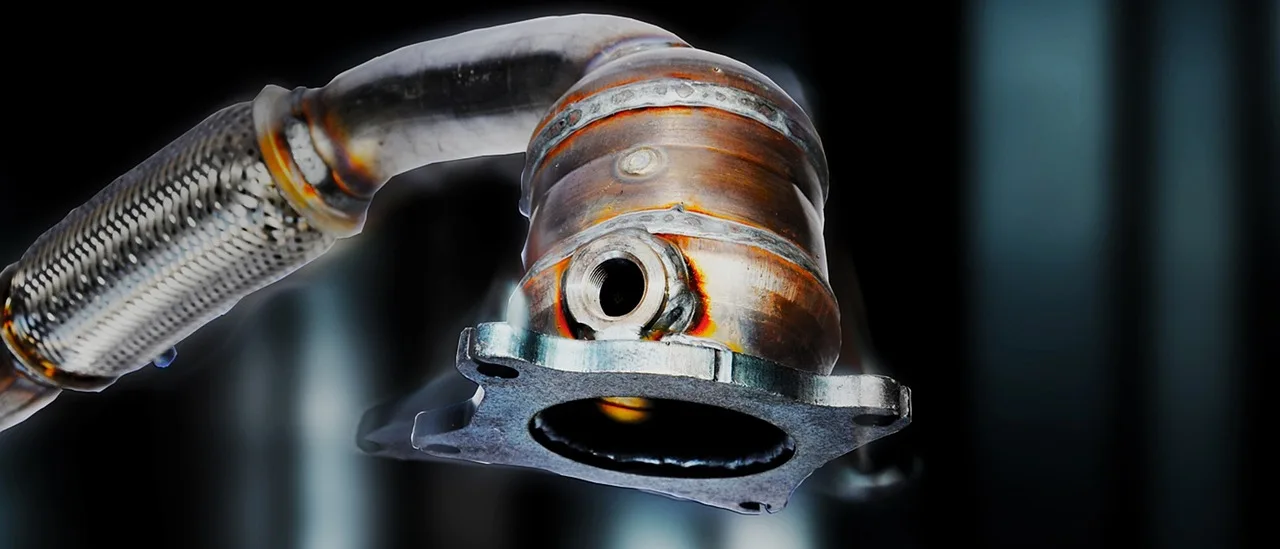
For many drivers, the key question is not the full replacement total but the install bill they are being asked to approve today. Installation-only pricing can make a quote look modest, while parts and diagnostics add the rest. If a shop only lists labor, ask for the part type and every extra charge in writing.
What changes the total bill
The total usually shifts with vehicle layout, converter style, emissions rules, and diagnosis time. CostHelper says a three-way catalytic converter can cost $200 to $2,500 or more, and that installation generally takes about an hour depending on the vehicle. Those two facts explain why the same symptom can produce very different quotes.
Vehicle-specific fitment is the biggest price driver after labor. A small four-cylinder with easy access is one thing. A large engine, tight underbody routing, or a manifold-mounted design is another.
When installation-only pricing matters
Installation-only pricing matters when the converter has already been sourced or when the estimate separates labor from parts. That separation lets you compare labor rates honestly. It also helps you see whether a low quote hides a high diagnostic fee, extra hardware, or a part that does not meet the needed emissions standard.
Why some quotes look low at first
A low quote can reflect a bare labor number with no gaskets, oxygen-sensor work, hardware, or inspection fee included. It can also mean the shop is pricing a universal part rather than a direct-fit unit. A quote that looks cheap up front may end up higher once the missing items are added.
A common first-timer mistake is approving the first number without asking whether it covers diagnosis, replacement hardware, and the emissions-compliant part needed for the state where the car is registered.
Why vehicle layout changes labor
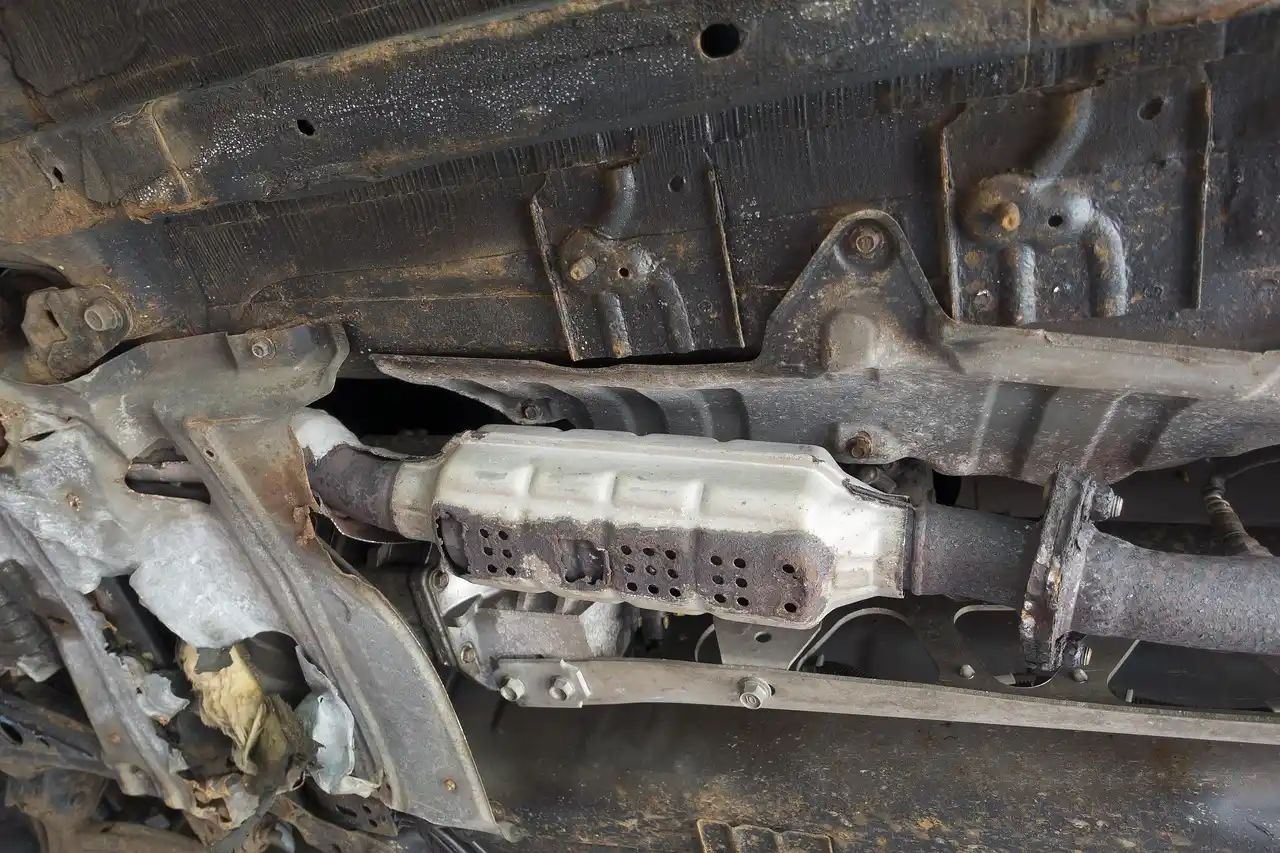
The same converter job can be quick on one vehicle and slow on another because packaging changes the amount of disassembly needed. Access time matters. So does rust, engine size, and whether the converter sits in an open section of the exhaust or tucked against the engine.
Easy access versus tight exhaust routing
When the converter sits in a straight exhaust section with clear fasteners, labor can stay near the one-hour mark CostHelper cites. When the exhaust is crowded, the technician may need to remove shields, loosen adjoining pipes, or work around heat-sensitive parts. Each step adds time.
Manifold converters and added disassembly
Manifold-mounted converters are usually more expensive than direct-fit or universal converters because they are harder to reach and remove. More disassembly means more labor, more seized hardware risk, and a higher chance of needing replacement gaskets or studs. That is why a low-priced part does not always mean a low-priced job.
Engine size and underbody packaging
Engine size affects how much room a technician has around the exhaust. Larger engines and tighter engine bays often leave less room for tool access. Underbody packaging matters too, because fuel lines, shields, braces, and sensors can all add steps to the removal and installation process.
OEM or aftermarket parts?
OEM catalytic converters usually cost more than aftermarket parts, but they are factory-spec replacements and may be required for emissions compliance in some states. Aftermarket converters often cost less, but they still need to match the vehicle and the local emissions rules. The cheapest part is not always the one you can legally install.
Factory-spec parts and higher parts cost
OEM parts are built to the manufacturer’s specification, which can raise the part price. That extra cost may be worth it when a state inspection, dealer-level fitment, or warranty question makes part choice less flexible. The tradeoff is cost, not guesswork.
Aftermarket parts and EPA fitment
Aftermarket converters can lower the part total, especially on older or common models. They still need to meet EPA standards for the intended application. Fitment matters as much as emissions labeling, because a poorly matched part can create repeat labor and a new fault code.
California jobs and CARB-compliant options
California jobs can require CARB-compliant parts, and that choice can narrow available options and change the price. If the car is registered in a CARB state, the shop should verify the part before installation. Otherwise, you may pay for a part that cannot pass inspection.
When is replacement needed?
Replacement should follow a diagnosis, not just a dashboard light. A check engine light can point to the converter, but it can also point to misfires, oxygen-sensor issues, exhaust leaks, or fuel-control problems. The right part should be confirmed before anyone replaces it.
Check engine light diagnostics
A diagnostic scan is often the first step. A technician should read the fault code, inspect the exhaust, and check for damage or contamination before recommending replacement. If the converter is not actually the failed part, the new one may not fix the warning light.
Failed emissions test
A failed emissions test often sends drivers toward replacement, but the failed test alone does not prove the converter is bad. The job should still start with inspection and code diagnosis. That protects you from replacing a working converter because another system caused the failure.
Theft damage and inspection
Theft is a common reason for replacement because converters are often cut out of the exhaust. In that case, the damage is usually visible and the job is less about diagnosis and more about replacement and fitment. Even then, the shop still needs to confirm the correct part and emissions rule for the vehicle.
- Read the fault code and confirm the symptom.
- Inspect the exhaust for leaks, theft damage, or loose hardware.
- Check whether the vehicle is still within the EPA emissions warranty window.
- Confirm whether the state requires an OEM or CARB-compliant part.
- Ask the shop to separate part price, labor, and diagnostic charges.
- Approve the work only after the part choice and total are clear.
Warranty and compliance checks
The EPA Federal Emissions Warranty covers the catalytic converter for eight years or 80,000 miles. That is worth checking before you pay out of pocket, especially on a newer vehicle. State rules also matter, because emissions compliance can limit which replacement part is legal.
EPA emissions warranty limits
If the vehicle is within the warranty window, the converter may be covered even when the estimate looks steep. The key is to verify the in-service date and mileage before authorizing replacement. A warranty check can change the bill from a repair invoice to a covered claim.
State rules before you approve the job
California and other CARB states may require a CARB-approved converter. That requirement can change part choices and price. It can also rule out a part that would otherwise be fine under EPA fitment rules.
Why warranty status can cut the bill
If the converter is covered, the main savings come from the part cost. Labor may still apply in some cases, but the biggest expense is often the converter itself. Checking warranty status first can prevent an unnecessary out-of-pocket replacement.
Converter quote audit table
This table shows how five common scenarios can change the estimate. Use it to compare a shop quote against the factors that actually move price: part type, access time, and compliance rules.
| Vehicle layout | Part type | Labor hours | Likely cost drivers | Fair quote check |
|---|---|---|---|---|
| Compact sedan, underbody converter | Direct-fit aftermarket | 1.0 to 1.5 | Easy access, standard hardware, one sensor swap | Ask whether the estimate includes gaskets and diagnostic time, then compare the labor rate to other local shops. |
| Mid-size SUV, rusted exhaust flange | Direct-fit OEM | 1.5 to 2.5 | Seized fasteners, extra removal time, higher part price | Check whether rust-related time is built in or billed as extra labor. |
| V6 sedan, manifold-mounted converter | OEM manifold converter | 2.5 to 4.0 | Added disassembly, tight access, manifold hardware, gasket set | Compare the quote against the labor hours; a cheap part can still produce a high total here. |
| California-registered compact car | CARB-compliant aftermarket | 1.0 to 2.0 | Approved part selection, fitment verification, emissions compliance | Confirm the part number is legal for the vehicle and state before authorizing the work. |
| Truck with theft damage and cut pipes | OEM or EPA-approved direct-fit | 1.5 to 3.0 | Pipe repair, weld work, inspection, hardware replacement | Make sure the quote separates theft damage repair from converter installation. |
Frequently asked questions
How much does catalytic converter replacement cost?
The total depends on converter type, labor time, and compliance requirements. A vehicle with a manifold-mounted converter or California emissions rules can land at the high end quickly.
How much should catalytic converter replacement cost?
A fair quote should separate the part, labor, diagnostics, and any emissions-compliance requirement. If the estimate only gives one number, ask for the breakdown. RepairPal data cited by ConsumerAffairs places average replacement at $2,293 to $2,468, but your vehicle layout can still push the price higher or lower.
How much does it cost to have a new catalytic converter installed?
Installation alone is often a few hundred dollars, and labor commonly takes about an hour on simpler jobs. The total rises when access is tight or the converter is manifold-mounted. Part cost, gaskets, and diagnostic charges can move the final invoice well above the labor line.
How much to install a new catalytic converter?
If you already have the part, the shop still needs to bill labor, hardware, and any inspection or scan time. The install-only number is usually much lower than a full replacement quote, but access can change it fast. Ask whether the shop is pricing a simple bolt-in job or a more involved removal.
Is it easy to install a catalytic converter?
It can be easy on a vehicle with open access and standard fasteners. It is much less easy when the converter is built into the manifold, rusted in place, or surrounded by heat shields and sensors. The part style and vehicle packaging decide how simple the job really is.
How long does it take to install a catalytic converter?
The same source says installation generally takes about an hour, depending on the vehicle. That timeline fits easier direct-fit jobs. Add rust, tight routing, or manifold mounting, and the time can rise enough to change the quote significantly.
Does catalytic converter installation cost include labor and parts?
Sometimes yes, but not always. Many estimates separate labor from parts, and some leave out diagnostics, sensors, gaskets, or compliance-related part changes. Ask for a line-item estimate so you can tell whether you are comparing full replacement pricing or install-only pricing.
Should I replace a catalytic converter or repair it?
Replacement is the usual answer when the converter is damaged, melted, stolen, or no longer meets emissions function. But a code or failed test alone does not prove the converter is bad. Start with diagnostics so a wiring fault, misfire, or exhaust leak does not send you into an unnecessary replacement.
How much catalytic converter replacement cost
The cost can range widely by vehicle, with ConsumerAffairs sample quotes averaging between $900 and $4,500. Smaller jobs with easy access sit lower. Trucks, luxury cars, and manifold-mounted units can go much higher. Always compare the part type and labor hours before judging the quote.
How much should catalytic converter replacement cost?
A sensible quote should reflect the vehicle, the converter type, and the state compliance rule that applies. If the car needs CARB approval or OEM fitment, the part price will rise. If the converter is easy to reach, labor should stay closer to the lower end of the range.