Best Exhaust Setup for V6 Engines: Based on Specs and Reviews
For daily-driving V6s, a resonated cat-back is usually the best starting point. It gives deeper tone, better drone control, broad fitment coverage, and only modest power gains. Poorly chosen exhausts can add drone, rasp, and very little usable power. The right setup depends on engine type, sound goal, and how much cabin comfort you want to keep.
Quick comparison
| Product | Badge | Best for | Price | ||
|---|---|---|---|---|---|
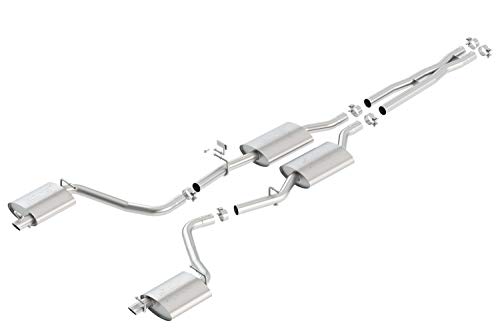 | BORLA 140686 Cat-Back Perf. Exhaust System for 2015-2023Borla | Our pick | T-304 steel · cat-back · dual split rear exit | $1,985.14 Price as of 31 Oct 2026 | View |
 | MBRP S5529AL 2.5" Axle Back, Dual Rear Exit Exhaust SystemMBRP | Budget pick | 2.5-inch · axle-back · dual rear exit | $394.99 Price as of 31 Oct 2026 | View |
 | MagnaFlow Performance Cat-Back Exhaust System Kit 15781 |MagnaFlow Exhaust Products | Also great | Street Series · cat-back · dual same-side exit | $999.99 Price as of 31 Oct 2026 | View |
 | Walker Quiet-Flow SS 21456 Direct Fit Exhaust Muffler 2.25"Walker | Pair with it | 2.25-inch outlet · direct-fit · muffler | $105.62 Price as of 31 Oct 2026 | View |
Use this as the shortest path to a choice: cat-back for the broadest balance, axle-back for the cheapest mild change, and dual layouts only when the chassis supports them cleanly. The best answer changes with engine type, because a naturally aspirated V6, turbo V6, and supercharged V6 react differently to pipe size and muffler choice.
How we chose
We compared setups on five things: tone control, drone risk at cruise, fitment complexity, cost, and realistic power expectations by engine type. That matters more than loudness alone.
Daily-driving comfort carried extra weight, because many V6 owners want a deeper note without a tiring cabin at 70 mph.
Also keep emissions and legal constraints in view, since catalytic converters stay part of the system in many street builds.
V6 exhaust decision matrix
This matrix maps engine type, use case, and sound goal to a sensible setup. It is the most practical way to avoid a hollow tone, excessive drone, or overspending on parts that do little for your platform.
| Engine type | Use case | Sound goal | Recommended setup | Pipe diameter | Muffler style | Resonator choice | Tune worth considering? |
|---|---|---|---|---|---|---|---|
| Naturally aspirated V6 | Quiet daily driving | Cleaner tone, low drone | Resonated cat-back or mild axle-back | 2.25 to 2.5 in. | Turbo-style or large straight-through | Keep resonators | No, unless other mods are present |
| Naturally aspirated V6 | Deeper tone | More presence, little cabin noise | Cat-back with resonators and moderate muffler | 2.25 to 2.5 in. | Straight-through with adequate packing | Keep or add resonators | Usually no |
| Naturally aspirated V6 | Louder street use | More volume, less refinement | Cat-back with freer muffler and retained resonators | 2.5 in. common | Straight-through | Keep at least one resonator | Maybe, if throttle mapping feels soft |
| Turbocharged V6 | Daily driving | Deeper tone, controlled spool noise | Resonated cat-back | 2.5 to 3.0 in. | Straight-through or turbo-style | Keep resonators | Often yes after major flow changes |
| Turbocharged V6 | Performance focus | Lower restriction, still livable | High-flow cat-back or full exhaust with legal cats | 2.75 to 3.0 in. | Straight-through | Keep resonators if drone appears | Yes, especially for boost control and fueling |
| Supercharged V6 | Daily driving | Clean tone without harshness | Cat-back with resonators | 2.5 to 3.0 in. | Turbo-style or straight-through | Keep resonators | Sometimes, depending on pulley and intake changes |
| Supercharged V6 | Higher-output build | Stronger sound and better flow | Cat-back with careful pipe sizing | 2.75 to 3.0 in. | Straight-through | Delete only if tone stays clean | Often worth pairing with supporting mods |
Say your 3.6-liter naturally aspirated V6 is a commuter that spends about an hour a day at 2,000 to 2,400 rpm on the highway. A resonated cat-back with 2.25- to 2.5-inch piping usually gives a deeper tone without turning that cruise band into a boom box.
Suppose your turbo V6 already has more exhaust energy and sharper note changes. In that case, keeping resonators is often smarter than chasing volume, because the extra flow can add rasp and cabin resonance if you go too open too soon.
Cat-back vs axle-back exhaust
A cat-back replaces piping from the catalytic converter rearward. An axle-back replaces only the rear muffler section. For most V6 owners, cat-back is the better all-around choice because it changes tone more, usually fits better as a system, and gives a cleaner path to mild performance gains.
When axle-back is enough
An axle-back makes sense when you want the smallest common change, lower cost, and easier installation. It is often the right call if your V6 already sounds decent and you mainly want a little more volume or a different tip layout.
The drawback is simple: limited horsepower gain and limited control over drone, because the mid-pipe and resonator sections stay in place.
When cat-back is the better buy
Choose a cat-back when you want a deeper tone, better tuning of cabin noise, or a more complete change in sound character. It often includes the muffler and mid-pipe sections, which gives you more control over tone than an axle-back can offer.
The tradeoff is cost and install effort. You also need to match the system to the platform, because not every V6 chassis has the same routing, hanger placement, or tip clearance.
How mufflers and resonators change V6 tone
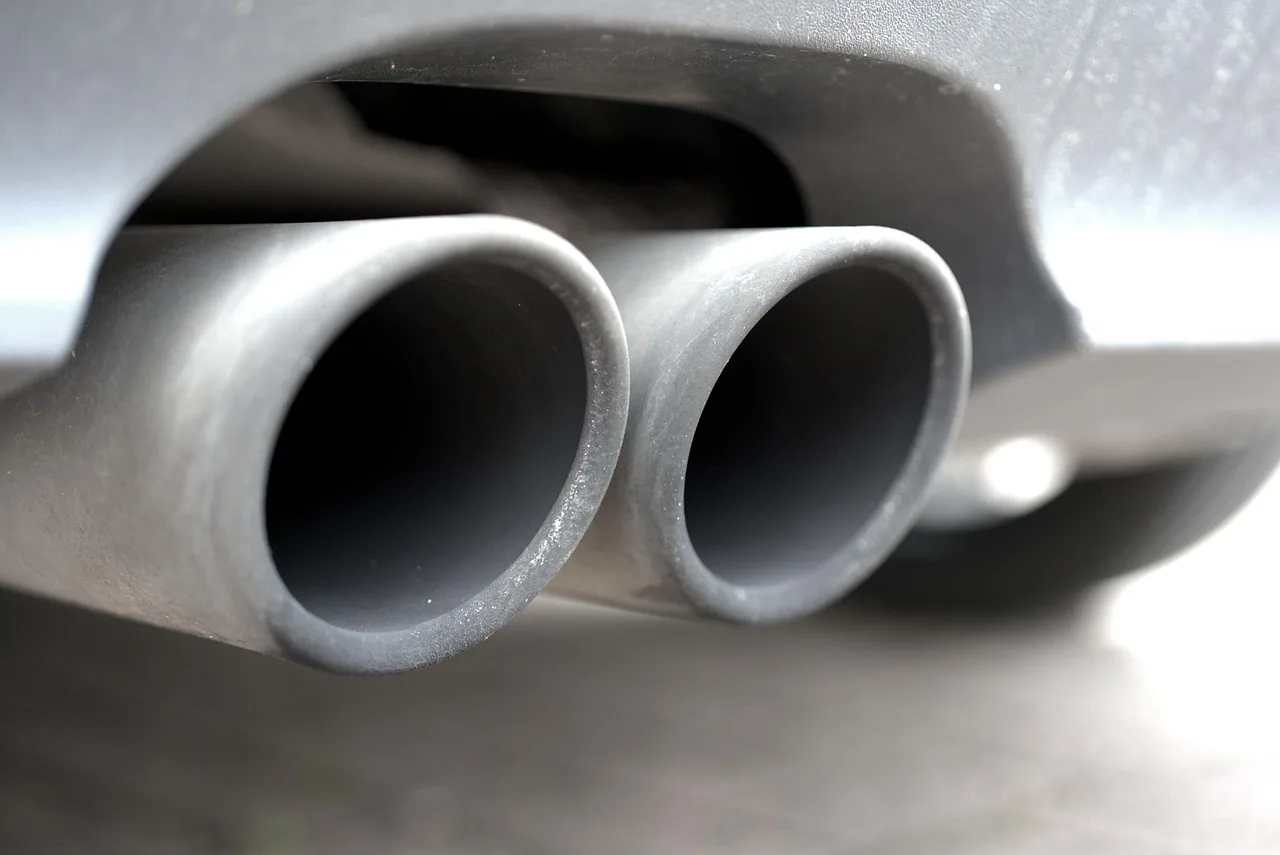
Muffler design and resonator choice are the two biggest sound shapers after pipe size. On a V6, they decide whether the exhaust sounds smooth, busy, raspy, or droning at cruise.
Chambered, straight-through, and turbo-style mufflers
Chambered mufflers reflect sound waves and can give a sharper, more old-school note, but they often raise drone risk on V6s. Straight-through mufflers flow well and can sound deeper, though they may be loud if the rest of the system is too open. Turbo-style mufflers usually split the difference, with more control and less cabin fatigue.
If your daily commute includes steady highway speeds, a turbo-style or well-packed straight-through design is usually easier to live with than a chambered setup.
How resonators change drone and rasp
Resonators reduce specific frequencies. That makes them useful for cutting the low-frequency boom that shows up near cruising rpm and for taming the sharp rasp some V6s produce under load. Retaining resonators is usually the safer choice for a refined street build.
Deleting resonators can work on some engines, but it is a gamble. The result may sound deeper, or it may create a tinny edge that gets old fast.
The best mix for a louder but livable V6
The best compromise is usually a cat-back with a straight-through or turbo-style muffler and at least one resonator. That combination gives more presence outside the car while keeping cabin noise under control.
If your goal is loudness first, you still do better with a resonator in place than with a fully open mid-pipe on most V6s.
Dual exhaust on a V6
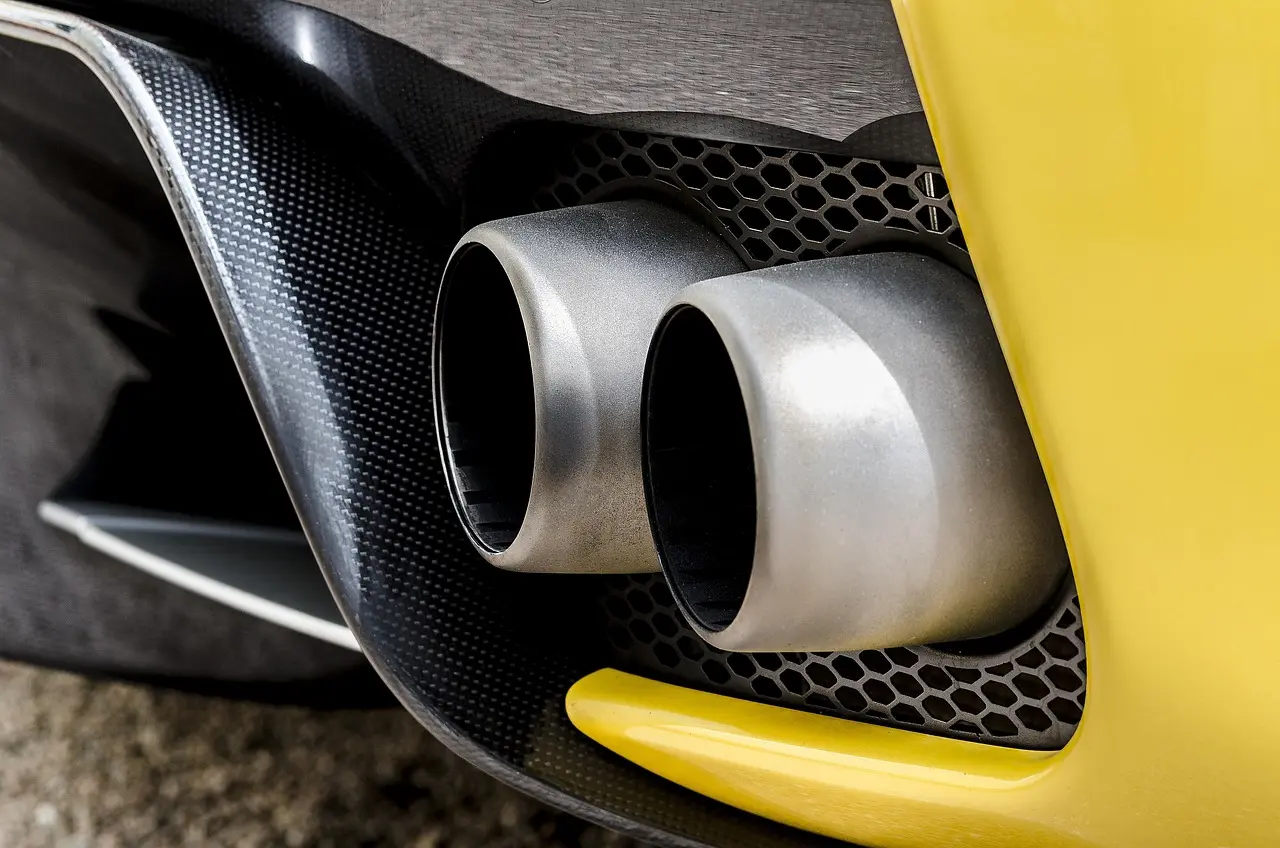
Dual exhaust can improve appearance and change the way a V6 sounds, but it is not always a power upgrade. Packaging, pipe routing, and actual flow paths matter more than the number of visible tips on many V6 platforms.
Single-in dual-out versus true dual
Single-in dual-out uses one inlet feeding two outlets, so it can give the rear end a more aggressive look without requiring a full split system. True dual uses separate paths farther forward, which can improve flow on some layouts and create a fuller sound.
On many V6 cars and SUVs, true dual is limited by underbody space, rear suspension routing, and catalytic converter placement. That is why dual exhaust is often more about tone and styling than a large power change.
When dual exhaust is mostly for looks
If the factory system already flows well enough for the engine output, dual exhaust mainly changes appearance and acoustics. That is common on lower-output naturally aspirated V6s, where the gain is usually modest.
When dual exhaust can help flow
Dual can help when the engine makes enough exhaust volume to justify the extra path, especially on higher-output turbocharged or supercharged V6s. Even then, the layout must be sized correctly, or it can sound hollow and lose velocity.
Best exhaust setups by budget and use
The right purchase depends on whether you care most about price, daily comfort, deeper tone, or measurable flow. The cleanest decision is to match the part to the engine and the way you drive.
Best choice by budget
For the lowest spend, an axle-back is the safest starting point. It changes the sound with the least complexity and usually costs less than a full cat-back, but it also brings the smallest common sound change.
Best choice for daily driving
For a daily-driven V6, a resonated cat-back is the best all-around buy. It keeps drone in check, improves tone more than an axle-back, and leaves room for modest gains without making highway trips tiring.
Best choice for the deepest tone with the least drone
Choose a cat-back with a straight-through or turbo-style muffler, retain the resonators, and avoid oversized piping. That recipe usually gives the deepest clean tone without turning the cabin into a constant bass chamber.
Best choice if you want real performance gains
On naturally aspirated V6s, exhaust-only gains are usually modest, so expectations should stay modest too. On turbocharged and supercharged V6s, a freer-flowing cat-back or full exhaust can matter more, and a tune becomes more relevant after major changes.
Borla cat-back: best for refined daily sound
- Bolt-on installation
- All-welded stainless construction
- No-drone guarantee
This Borla cat-back is for V6 owners who want a serious tone change without guessing at quality. Based on the published details, it uses T-304 stainless steel, a dual split rear exit, and a bolt-on layout, which makes it a strong fit for a daily driver that still needs a sharper note.
The main appeal is balance. A cat-back like this replaces the system rearward from the catalytic converter, so it can change sound more than an axle-back while staying within a common upgrade path.
The drawback is cost. At $1,985.14, it is a premium buy, and the ATAK character may be louder than some commuters want if they are especially sensitive to drone.
MBRP axle-back: best for budget sound
- Axle-back design
- Dual rear exit layout
- 4-inch OD tip included
This MBRP axle-back suits a buyer who wants a smaller sound change at a much lower entry price. Based on the listed specs, it is a 2.5-inch axle-back with a dual rear exit layout and a 4-inch outer diameter tip, so it can add presence without replacing the full rear section of the exhaust.
It is the easy choice when the goal is a mild tone shift and simple installation. Because it only replaces the rear muffler section, it is cheaper than a cat-back and usually brings the least change in cabin character of the common upgrades.
The drawback is the limit on gains. An axle-back typically offers limited horsepower improvement and less control over drone than a full cat-back with resonators.
MagnaFlow cat-back: best for balanced street tone
- Moderate Street Series sound
- Bolt-on installation
- Stainless steel construction
This MagnaFlow cat-back is aimed at drivers who want moderate sound with straightforward installation. The published details describe a Street Series stainless steel cat-back with a dual same-side behind-passenger-rear-tire exit, which points to a more controlled street setup than a wide-open performance system.
That kind of layout fits the guide’s main recommendation well: a resonated or otherwise moderated cat-back that improves tone without making daily use harsh. It is a sensible route for a V6 that needs better sound and tidy packaging.
The drawback is fitment specificity. The product is listed for select Toyota 4Runner applications, so it is not a universal V6 answer and must be checked carefully against the vehicle platform.
Walker muffler: best for restoring a quiet V6
- Direct-fit bolt-on replacement
- Stainless steel construction
- Built to minimize distortion
This Walker direct-fit muffler is the right sort of part when the goal is repair or a mild tone reset rather than a loud exhaust build. The listed design uses a 2.25-inch outlet and is built to minimize distortion, which makes it more about factory-like refinement than aggressive sound.
It can be useful if a V6 owner wants to keep drone low and restore a calm cabin after a damaged or corroded muffler. A direct-fit replacement also keeps install complexity lower than a custom system.
The drawback is obvious for performance shoppers: it is not a full cat-back or axle-back system, so it will not deliver the broader sound change many buyers want from an upgrade.
Will a V6 exhaust upgrade add horsepower?
Usually, only modestly on a naturally aspirated V6. Gains are often small enough that sound and drivability matter more than peak numbers. Forced-induction V6s can benefit more because the exhaust has a bigger job to do, and backpressure control matters more when boost is part of the setup.
Do not assume a louder system means more power. A poorly sized or overly open exhaust can sound bigger while doing little for acceleration, especially if the rest of the intake and tuning side is unchanged.
Can an exhaust make my V6 sound like a V8?
Not really. A V6 has a different firing pattern and note shape, so exhaust changes can make it deeper, smoother, or more aggressive, but they cannot fully change the engine’s fundamental sound. The goal should be a cleaner V6 tone, not imitation.
That is why muffler and resonator choice matter so much. The wrong setup often makes a V6 raspy or boomy instead of muscular.
How to install exhaust system
Start by confirming the exact platform, exhaust path, and emissions equipment. Then match the part to the catalytic converter location, hanger points, and tip clearance before unbolting anything. A bolt-on cat-back or axle-back is much easier when the fitment is verified first.
- Check vehicle-specific fitment and verify emissions legality.
- Inspect hangers, clamps, gaskets, and hardware before installation.
- Support the exhaust evenly so sections do not bind under load.
- Install from the front or rear as the kit instructions require.
- Align tips, tighten clamps in stages, and check for leaks after startup.
Frequently asked questions
What is the best exhaust setup for a V6 engine?
The best all-around setup is usually a resonated cat-back. It gives the broadest balance of tone, fitment range, and drone control, while still leaving room for modest gains. For daily driving, it is usually the safest choice unless your platform needs a specific layout.
Should I choose a cat-back or axle-back exhaust for my V6?
Choose a cat-back if you want the better overall sound change and more control over tone. Choose an axle-back if you want the smallest common upgrade, lower cost, and a simpler install. For most V6 owners chasing a cleaner street note, cat-back wins.
How do I get a deeper V6 exhaust sound without drone?
Keep resonators, use a straight-through or turbo-style muffler, and avoid oversized pipe diameter. On many V6s, 2.25 to 2.5 inches is enough for naturally aspirated engines, while turbo or supercharged setups may need more. Deep sound without drone is mostly a tuning exercise in hardware.
What muffler is best for a V6 if I want it louder but livable?
A well-packed straight-through or turbo-style muffler is usually the best compromise. Chambered designs can sound aggressive, but they often bring more drone on V6s. Pair the muffler with a resonator if you want volume outside the car without a tiring highway drone.
How much should I spend on a V6 exhaust setup?
Spend enough to match your goal, not just your budget. A mild axle-back is the lower-cost route, while a full cat-back costs more but gives better sound control. If you want daily comfort and a deeper note, paying more for a resonated cat-back is usually the smarter spend.