

Best Exhaust Setup for Naturally Aspirated Cars
For most naturally aspirated street cars, start with a cat-back or axle-back that keeps the factory manifold and catalytic converters in place. Move to long-tube headers only if you can live with more noise and possible tune work. Bad fitment or oversized piping costs torque, adds drone, and can trigger emissions trouble. This guide compares the best exhaust setups by engine layout, sound, torque, drone control, and street use.
This guide is part of our How exhaust resonators affect sound and drone series.
Top pick for NA street cars

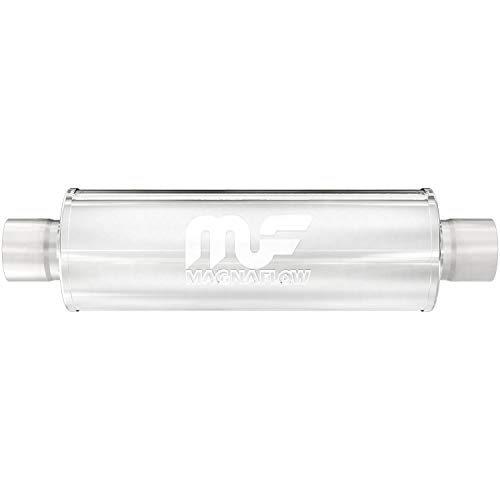

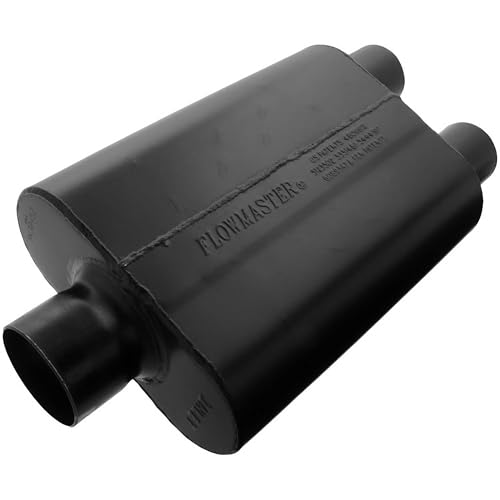
A commonly recommended all-around setup for a daily-driven naturally aspirated car is usually a well-sized cat-back with a resonator and a straight-through or mild turbo muffler. That keeps flow better than stock, preserves low-speed drivability, and avoids the harsher tradeoffs that come with oversized pipe or long-tube headers.
Best all-around setup by goal
If you want a modest sound change and cleaner cruising manners, start with the cat-back. If you want the biggest power-oriented change and can accept more install effort, move to headers plus a matching mid-pipe and resonator. If you only want tone, a muffler swap is the smallest step.
For naturally aspirated engines, exhaust changes work because they affect airflow out of the cylinders, which changes volumetric efficiency, exhaust evacuation, and throttle response. Tuning-X notes that naturally aspirated engines rely completely on atmospheric pressure, so they do not have forced-induction pressure to help push exhaust through a bad layout.
When a milder setup beats headers
A milder setup is usually the better buy for commuting, mixed traffic, and winter road use. Headers can help, but they also raise cost, add clearance concerns, and can create a sharper sound that gets tiring on long drives. A resonated cat-back often gives the best balance of value and comfort.
Quick picks by engine and use case
Engine size matters. So does rpm range. A pipe that works on a small high-revving inline-4 can feel lazy on a torquey V8 if you copy the same diameter and header size without checking the rest of the system.
- Inline-4 daily driver: 2.0-2.25-inch cat-back, resonator, straight-through muffler, stock manifold or mild shorty header.
- V6 street build: 2.25-2.5-inch cat-back, resonator, straight-through or turbo muffler, headers only if clearance and legality are sorted.
- Small-block V8 street and track: 2.5-inch system, long-tube headers sized to the engine, resonator for drone control, straight-through muffler if track noise rules allow.
Say your 2.5L NA four-cylinder sees mostly city miles and a few highway trips. A 2.5-inch system can sound bigger, but a smaller, better-matched diameter often keeps better low-speed response and feels smoother leaving stoplights.
Suppose a small-block V8 owner wants a deeper note for weekend use and autocross. Long-tube headers plus a resonator and a straight-through muffler can work well, but an oversized pipe or short, empty exhaust can trade away the low-end pull that makes the car pleasant off the line.
Exhaust setup decision table
This table gives the quickest way to match engine layout and use case to a sensible exhaust combination. It keeps the focus on flow, sound, drone risk, and street use rather than chasing the loudest result.
| Engine type and use case | Pipe diameter | Header type | Muffler style | Resonator need | Expected sound | Low-end torque risk | Street legality notes |
|---|---|---|---|---|---|---|---|
| Inline-4 daily driver | 2.0-2.25 in. | Stock manifold or shorty header | Turbo or mild straight-through | Recommended for highway drone | Deeper, cleaner, not overly sharp | Low if diameter stays modest | Keep catalytic converters and exact vehicle fit in mind |
| Inline-4 autocross or spirited street | 2.25 in. | Shorty or equal-length header | Straight-through | Strongly recommended | Sharper at wide-open throttle | Moderate if pipe is too large | Check local noise and emissions rules |
| V6 daily driver | 2.25-2.5 in. | Shorty header or stock manifold | Turbo or straight-through | Recommended | Deeper, smoother, less rasp | Low to moderate | Exact converter and inspection rules vary by application |
| Small-block V8 street cruiser | 2.5 in. | Long-tube header | Straight-through or chambered | Recommended for drone control | Deep, strong, can be loud | Moderate if primaries or pipe are oversized | May need emissions-legal converter configuration by area |
| Small-block V8 track use | 2.5-3.0 in. only if the combo calls for it | Long-tube header with matched primaries | Straight-through | Optional if rules permit noise | Harder, louder, more open | Higher if the system is too large for displacement | Track-only setups may fail street inspection |
Should you choose headers, a cat-back, or a muffler?
If you want the largest airflow gain, choose headers. If you want the easiest fitment and a cleaner sound change, choose a cat-back. If you want the smallest and cheapest change, swap the muffler. For most NA street cars, the cat-back is the best first step.
Headers for the biggest airflow gain
Headers matter because they change how the cylinders scavenge exhaust. Long-tube headers can improve exhaust flow and are the more aggressive choice. Long-tube headers can add 15-25 horsepower, but that should be read as a setup-specific claim, not a universal promise.
Cat-back for sound and fitment ease
A cat-back usually changes tone more than it changes peak power. It is also simpler to fit than a full header swap because it leaves the manifolds and converters alone. That makes it a safer buy for a daily driver where you want fewer surprises.
Muffler swap for the smallest change
A muffler swap is the right move when the car already feels strong enough and you mainly want a deeper or quieter note. It will not fix a restrictive manifold or a badly chosen pipe diameter, but it can clean up a tinny factory sound with little risk.
What pipe diameter is best for a naturally aspirated engine?

The best pipe diameter is the smallest size that still supports the engine’s airflow target. Bigger pipe can improve airflow, but the wrong size can hurt low-end torque because exhaust velocity drops. A good match keeps backpressure in check without slowing scavenging.
How diameter affects backpressure
Backpressure is not the goal by itself, but some exhaust velocity is useful on NA engines. When diameter gets too large, flow slows, scavenging weakens, and low-rpm response can soften. That is why a larger pipe is not automatically better on a street car.
Practical diameter ranges by engine size
For most inline-4 engines, 2.0 to 2.25 inches is a sensible street range. For many V6 layouts, 2.25 to 2.5 inches is the better match. For many small-block V8 street builds, 2.5 inches is a common starting point before you step up for higher-rpm use or larger displacement.
The page for one QPCRAP kit notes a dual muffler Y-pipe, gaskets, reinforced hangers, and bolts, and says the system is a direct fit with no modifications required. It also says the system targets Subaru Forester 2009-2013 2.5L naturally aspirated models, which is a good reminder that exact application matters as much as diameter.
When over-piping hurts low-end torque
Over-piping usually shows up as softer throttle response below midrange rpm, less urgency leaving a stop, and more cabin boom without a matching gain in drivability. A too-large pipe can also make the car sound busy without actually feeling quicker.
Long-tube headers: when they are the right pick
Long-tube headers are the best choice when you want a real exhaust-flow change and the car can tolerate the extra cost, clearance checks, and tuning work. They suit higher-rpm NA engines better than stock manifolds or shorty headers, especially when the rest of the system is matched.
Primary tube diameter and length
Carresource says 1-5/8-inch primaries suit 350-400 ci street V8s, while 1-3/4 to 1-7/8-inch primaries suit larger or higher-rpm engines. That gives you a practical sizing rule: do not copy a big primary just because it looks more serious.
Equal-length tuning and RPM range
Equal-length tubing helps pulse timing and scavenging. Long-tube headers generally move the useful effect higher in the rpm band than stock manifolds, which is why they often feel better on engines that spend time above the midrange rather than on low-speed towing or stop-and-go duty.
The same source lists exhaust system improvement as one of several NA tuning methods, alongside chip tuning that can adjust ignition timing, fuel delivery, throttle response, and the rev limiter. That pairing matters because a header swap may need calibration support to work as intended.
Fitment and clearance issues
Long-tubes are the most likely part to create clearance trouble around steering shafts, subframes, starters, and ground height. If the car is low, or if the engine bay is tight, a shorty header or a quality manifold plus cat-back may be the wiser buy.
How do you get a deeper note without drone?
Use a resonator, choose the right muffler, and avoid oversizing the pipe. A deeper note comes from sound control, not from deleting every restriction. The goal is a lower-pitched exhaust with less cabin boom at steady highway speeds.
Straight-through vs chambered vs turbo mufflers
Straight-through mufflers usually flow well and keep the note clean, but they can be louder. Chambered mufflers often add a harder, classic muscle-car tone, with more chance of drone. Turbo mufflers usually mute sharpness better and are often the safest choice for daily use.
Where to place a resonator
A resonator belongs in the mid-pipe, not as an afterthought at the tip. Its job is drone control and sound refinement, especially on cars that cruise at a narrow rpm band. It is often the best fix when the setup sounds good at full throttle but wears you out on the highway.
Exhaust tips and sound myths
Tip shape changes the final tone less than pipe size, muffler design, and resonator choice. A large tip can make the system look aggressive, but it will not correct a bad pipe diameter or a harsh muffler choice. Spend money on the parts that affect flow first.
Materials, legality, and install details
Material choice affects corrosion resistance, weight, and cost. Installation details matter too, because leaks or broken hangers can ruin the sound and make a good system feel cheap. For a street car, fit quality often matters as much as the spec sheet.
Stainless vs aluminized vs titanium
The QPCRAP page compares stainless steel, aluminized steel, and titanium exhaust materials. Stainless steel usually brings the best corrosion resistance for the money. Aluminized steel is cheaper but less durable in salty climates. Titanium saves weight, but it costs more and is usually harder to justify on a daily driver.
Catalytic converter rules by vehicle and area
Do not assume one converter choice is legal everywhere. EPA compliance and state rules can differ, and the QPCRAP page specifically notes limits in California, Colorado, and New York. High-flow catalytic converters can help flow, but legality still depends on the exact vehicle application and local rules.
Gaskets, hangers, and bolt kits
Good fitment hardware is not optional. Gaskets prevent leaks, reinforced hangers keep the system from sagging, and proper bolt kits make removal possible later without broken studs or stripped threads. The QPCRAP kit’s included gaskets, reinforced hangers, and bolts are the kind of details that make installation less painful.
- Match the pipe diameter to engine size and rpm range.
- Choose header type based on how much clearance and noise you can accept.
- Add a resonator if highway drone matters.
- Pick a muffler for the tone you want, not for the loudest number.
- Verify catalytic converter rules for the exact vehicle and state before buying.
- Use quality gaskets, hangers, and bolts so the system stays sealed.
What should you consider before buying an exhaust for a daily-driven naturally aspirated car?
For a daily driver, the best exhaust is the one that keeps torque, controls drone, and stays compatible with your inspection rules. Give more weight to fitment, resonator use, and pipe sizing than to peak loudness. A quieter, well-matched system is usually faster to live with.
Frequently asked questions
What is the best exhaust setup for a naturally aspirated car?
For most NA street cars, a resonated cat-back with a sensible pipe diameter is the safest all-around choice. It improves tone and flow without the torque loss and clearance issues that can come from oversized piping or long-tube headers on a daily driver.
Should I choose headers, a cat-back, or a muffler swap on my NA engine?
Choose headers if you want the biggest airflow gain and can handle install complexity. Choose a cat-back if you want a balanced sound and fitment-friendly upgrade. Choose a muffler swap if you only want a modest tone change with the least cost and labor.
Will a louder exhaust hurt low-end torque on a naturally aspirated car?
Loudness by itself does not cause torque loss, but the parts that often make an exhaust louder can. Oversized pipe, weak scavenging, and a bad header match can soften low-rpm response and make the car feel flatter in normal traffic.
Which exhaust parts add the most horsepower on a naturally aspirated engine?
Headers usually add the most when the stock manifold is restrictive, especially on engines that breathe well at higher rpm. After that, the pipe diameter, catalytic converter choice, and overall system design matter more than a muffler change alone.
Do long-tube headers work better than stock manifolds on naturally aspirated V8s?
On many small-block V8s, yes, long-tubes can work better because they improve scavenging and support higher-rpm power. The gain depends on primary size, tube length, camshaft, and the rest of the exhaust, so a mismatched long-tube is still a bad choice.


