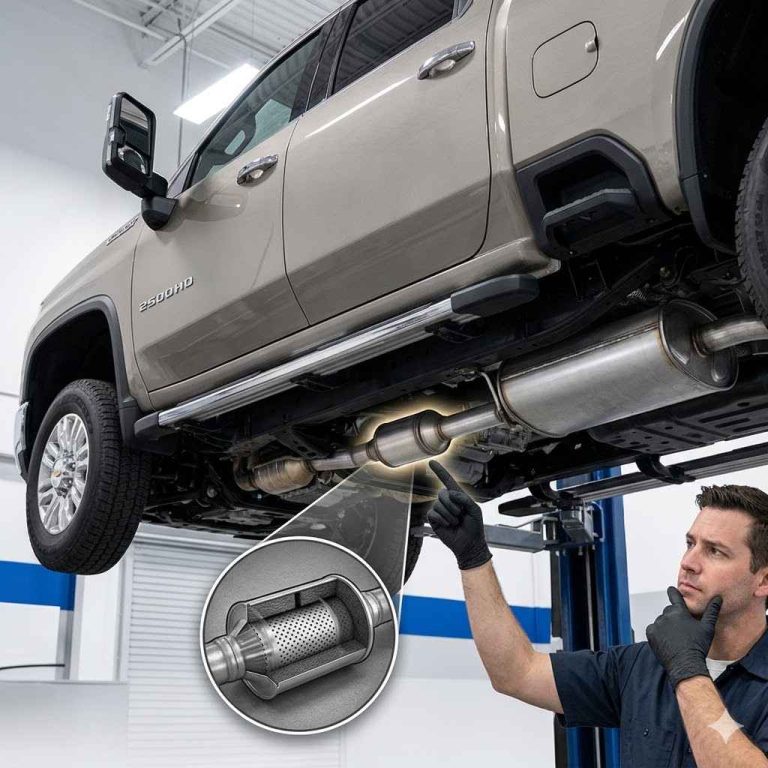
Are Vibrant Resonators Legal In Finland? Essential Guide
Vibrant resonators, often sought for performance gains and sound changes, are generally not legal for on-road use in Finland if they alter the vehicle’s noise level beyond approved limits or remove required emission control devices. Compliance with strict Finnish vehicle inspection (Katsastus) standards is mandatory.
Changing your car’s exhaust system is exciting. You might hear about parts like Vibrant resonators promising better sounds or power. But when you live in Finland, the rules about vehicle modifications can feel confusing. You want your car to sound great and perform well, but you definitely don’t want trouble at the annual vehicle inspection (Katsastus).
Worry not! I’m Monowar Shohag, and I’m here to clear up the mystery surrounding these parts. We will break down exactly what Finnish law says about exhaust noise and modifications. This guide will give you simple, step-by-step clarity so you can upgrade safely and confidently. Let’s find out what you need to know to keep your ride legal on Finnish roads.
Understanding Exhaust Modifications in Finland: The Basics
In Finland, the government takes vehicle noise and emissions very seriously. This is not just about being strict; it’s about protecting public health and the environment. For any car owner thinking about aftermarket parts, understanding the baseline rules is the first, most important step.
The Role of the Resonator in Your Exhaust System
Before diving into legality, let’s quickly look at what a resonator actually does. Many beginners confuse resonators with mufflers. They are related but different!
- Muffler (Äänenvaimennin): This is the main device designed to quiet the engine’s loud exhaust pulses down to an acceptable level.
- Resonator (Resonaattori): This is a smaller chamber placed usually before or after the muffler. Its job is finer tuning. It cancels out specific, high-pitched drone frequencies (like that annoying hum you get at highway speeds) without drastically reducing overall volume.
When people install aftermarket resonators—especially “straight-through” or high-flow types—they often do so to achieve a deeper, throatier sound or to slightly improve exhaust flow, which can lead to minor performance gains. However, changing the system’s natural balance is where legal issues arise in Finland.

Finnish Vehicle Inspection (Katsastus) Standards
The core of exhaust legality in Finland rests on the Katsastus inspection. If your car fails this inspection, you cannot legally drive it until the modification is either removed or brought into compliance. The key regulations focus on two main areas:
1. Noise Emissions (Äänirajat)
Finnish law is very specific about how loud your car can be. This is measured in decibels (dB). The maximum allowed noise level depends heavily on when your car was first registered and its engine size. Newer cars generally have stricter limits.
The Ministry of Transport and Communications (Liikenne- ja viestintäministeriö) sets the framework, which is implemented through inspections overseen by Traficom (Finnish Transport and Communications Agency). A standard passenger car usually has a limit around 90–95 dB when tested under specific conditions.
2. Emissions and Component Integrity
Any modification that interferes with the factory-installed emission control equipment is strictly forbidden. This includes the catalytic converter (which must remain in place) and, often, the factory resonator if its removal significantly impacts sound damping or throws off the system’s designed backpressure.
If a Vibrant resonator replaces a factory component and makes the car louder than the allowed limit, it is illegal for road use.
Are Vibrant Resonators Legal in Finland? The Direct Answer
This is the million-dollar question for many enthusiasts. The answer is nuanced, but generally leans toward caution. A Vibrant resonator is only legal in Finland if, after installation, your vehicle meets all current noise and emission standards set by Traficom and passes the mandatory annual inspection (Katsastus).
Most aftermarket, high-flow resonators are designed to change the sound signature, which almost always pushes the noise level closer to—or over—the legal limit. Therefore, in practice, while the part itself might be purchased legally, its installation for road use is often problematic.
When Might a Vibrant Resonator Be Allowed?
There are very limited scenarios where adding or replacing a resonator might pass inspection:
- Direct OEM Replacement: If you replace a broken factory resonator with an identical aftermarket part that produces the exact same sound and flow characteristics, it should be fine.
- Sound Level Compliance: If you install a high-flow resonator, but the overall exhaust system—including the muffler—still measures significantly under the legal dB limit during Katsastus. This is rare with performance-oriented parts.
- Track/Off-Road Use Only: If the vehicle is never intended for public roads and is registered as a competition vehicle, the rules change drastically. However, standard passenger cars must comply.
The Risk of Non-Compliance
Driving a vehicle that fails noise regulations in Finland can lead to several negative outcomes:
- Failing Katsastus: The immediate result. You receive a notice to repair the issue and re-inspect within a short timeframe.
- Police Stop and Fines: Police officers (Poliisi) can issue on-the-spot fines if they determine your vehicle is excessively noisy or modified illegally under the Traffic Act (Liikennelaki).
- Insurance Issues: In the unlikely event of an accident, if your illegal modification is found to be a contributing factor, your insurance coverage could be affected.
| Modification Type | Likely Legality in Finland | Primary Concern |
|---|---|---|
| Vibrant Resonator Replacing Stock | High Risk of Failure | Exceeding noise limits (dB) |
| Vibrant Resonator in Addition to Stock Muffler | Moderate Risk | Overall system noise output |
| Catalytic Converter Removal | Illegal (Certain Failure) | Emissions standards |
| Vibrant Muffler/Resonator Setup for Racing | Legal Only for Track Use | Roadworthiness Certification |
How to Legally Upgrade Your Exhaust Sound in Finland
If you want a better sound without risking a failed inspection, you need to focus on parts designed specifically for compliance or work within the system rather than radically altering it.
Step 1: Research Approved Aftermarket Parts
Not all performance parts are created equal when it comes to European road laws. Look for manufacturers who specifically design parts for the EU/Finnish market. These companies often engineer their mufflers and resonators to produce a deeper tone while staying within the 95 dB limits.
Look for parts that have official E-markings or Finnish type-approval certifications, although this is much more common for mufflers than for resonators.
Step 2: Focus on the Muffler, Not Just the Resonator
The muffler does the heavy lifting for noise reduction. If you are upgrading for sound, often replacing the main muffler with a higher-quality, low-restriction unit that is still acoustically tuned for street use is safer than messing with the resonator.
A common, slightly riskier approach involves installing a high-flow resonator and ensuring your primary muffler is a high-quality, non-straight-through unit designed to balance tone and volume.
Step 3: Document Everything
If you do install a performance resonator, keep every receipt and record of the installation. If you can prove the part was professionally installed and that you took steps to maintain compliance, it helps in any discussion with authorities.
Step 4: Pre-Inspection Sound Check
If you plan to install a Vibrant resonator, consider getting a “pre-Katsastus” sound check done at a specialized garage that has calibrated testing equipment. This way, you know your exact decibel reading before the official inspection.
For reference on vehicle standards, you can often find detailed technical documents via the Finnish Transport Agency’s resources, though these are highly technical. For the everyday driver, knowing the dB limits is key.
Troubleshooting Common Exhaust Modification Issues
Even if you purchase a part you believe is compliant, issues can arise during inspection. Here are common problems related to resonators and how a beginner can approach them.
Issue 1: Drone Sound at Cruising Speed
This is often the unintended side effect of removing or altering the factory resonator. The factory setup cancels out specific frequencies that cause an annoying “hum” during steady highway driving. A new resonator might change the note but introduce a different drone.
Fixing the Drone:
- Check the resonator welds for leaks. Even a tiny leak can change the sound pattern.
- If the drone is unbearable, you might need to install a second, small absorption-type resonator slightly further down the pipe, though this requires custom welding.
- The simplest (though often disappointing) fix is reverting to the original factory resonator.
Issue 2: Failing the Visual Inspection
Inspectors check that no critical component has been removed. If your Vibrant resonator looks drastically different from the factory part or appears to completely replace the space where the catalytic converter once sat (even if it hasn’t), the inspector might flag it.
Safety Check: Ensure all hanging components are secure. Vibrations from an aftermarket setup can sometimes loosen clamps that the factory system held tight. A loose exhaust pipe scraping the road is an instant fail and a safety hazard.
Understanding Backpressure: A Quick Lesson
Backpressure sounds complicated, but think of it like breathing. The engine needs to push exhaust gases out, but it needs some resistance to run efficiently, especially at lower RPMs. Stock systems are tuned for this balance. High-flow resonators aim to reduce this resistance significantly.
For naturally aspirated (non-turbo) engines, removing too much backpressure can sometimes hurt low-end torque. For turbocharged cars, less backpressure is generally better, but the noise consequences remain the main hurdle in Finland.
The Legal Difference: Resonator vs. Straight Pipe
It is crucial to distinguish between installing a resonator and installing a “straight pipe.”
A straight pipe replaces a factory component (like the muffler or resonator) with a simple, open tube of the same diameter. This is almost universally illegal in Finland for street cars because it results in extreme noise output and emissions bypass.
A Vibrant resonator is, technically, still a chambered piece of metal. While it is a performance upgrade intended to flow better than stock, it still offers some level of sound modification and internal baffling. This small difference is what sometimes allows for grey-area compliance, whereas a straight pipe offers zero ambiguity—it fails.
When you purchase a Vibrant component, look carefully at its description. If it’s marketed as a “muffler delete” or “resonator delete,” it’s essentially a straight pipe substitute and should be avoided for Finnish road use.
DIY Installation Considerations for Finnish Roads
If you are handy and plan to install the resonator yourself, remember that installation quality directly impacts your ability to pass Katsastus.
Tools You Might Need (For a Basic Bolt-On/Weld Job):
- Jack and jack stands (Crucial for safety!)
- Wrenches and sockets appropriate for your car’s exhaust bolts.
- Welding equipment (if you need to cut and weld the new resonator in place).
- High-temperature exhaust sealant or anti-seize compound.
- A reliable torque wrench to ensure fittings are tight enough to prevent leaks.
Safety First: Never work under a car supported only by a factory jack. Always use rated jack stands placed on solid ground. Exhaust gases are dangerous; ensure the car is cool before starting work.
The Welder’s Role in Compliance
If your Vibrant resonator requires welding, the quality of the weld matters immensely for passing inspection. A professional weld ensures:
- No immediate leaks that cause excessive noise.
- Structural integrity so the exhaust doesn’t drop off later on the road.
- A clean appearance that doesn’t raise suspicion during a visual inspection.
If you are unsure about welding, paying a professional garage to fit the component correctly is an investment in passing your next Katsastus.
Alternatives to Performance Resonators for Finnish Drivers
Since the legality of aftermarket resonators is shaky, let’s look at other approved ways to enhance your driving experience in Finland.
1. High-Quality Muffler Upgrade
This is the most recommended route. Invest in a reputable brand (like Eisenmann, Borla, or specialized EU manufacturers) that produces an aftermarket muffler designed to be street legal. These systems are engineered to balance flow improvements with noise suppression, often providing a deeper tone than stock while remaining under the dB ceiling.
2. Exhaust Tips and Tailpipe Aesthetics
Changing only the exhaust tip—the very end piece—rarely affects noise significantly, provided the tip diameter does not drastically increase the exit diameter of the whole system. This is a purely cosmetic change that is almost always legal.
3. Tuning the Engine Software (ECU Remapping)
If your goal is performance, focusing on ECU tuning or air intake upgrades can yield better, more reliable power gains without touching the noise-producing parts of the exhaust system. Engine performance tuning is regulated differently than noise output.
This keeps your exhaust system legally compliant while still boosting power. You can research legal limits and standards for engine modifications through resources maintained by organizations like the Finnish Automobile Association (AKL) or official Traficom documentation regarding vehicle type approvals.
| Upgrade Method | Primary Benefit | Risk of Failing Katsastus | Cost Expectation |
|---|---|---|---|
| Vibrant Resonator Installation | Sound Tuning | High (Due to unpredictable noise changes) | Medium |
| Approved Street Muffler Replacement | Improved Tone & Flow | Low (If E-marked/Type Approved) | High |
| Exhaust Tip Only Change | Aesthetics | Very Low | Low |
| ECU Tune / Air Intake | Performance Increase | Zero (For the exhaust system) | Medium to High |

FAQs: Beginner Questions About Finnish Exhaust Laws
Q1: If I install a Vibrant resonator and it sounds fine now, can I still fail inspection later?
Yes. The noise level can change over time due to temperature, altitude, or aging of the material. More importantly, the inspector tests the sound under specific conditions that might differ from your normal driving. Always aim to be significantly quieter than the legal maximum.
Q2: Does the material of the Vibrant resonator affect its legality?
No. The legality in Finland is based on the final sound output (decibels) and the presence of required emission components, not the material (like stainless steel) the resonator is made from.
Q3: Can I just put the old stock resonator back in before inspection?
This is a common tactic. If the aftermarket resonator is easily removable and the original stock part is in good condition, swapping it back for the inspection is the safest way to ensure compliance. Just ensure all your clamps and bolts are secure when you reinstall the stock part.
Q4: Are there any specific laws about resonator delete pipes in Finnish vehicle codes?
While the law might not specifically name “Vibrant resonators,” it strictly prohibits modifications that cause excessive noise or remove mandatory safety/emission equipment. A resonator delete pipe is effectively a straight pipe, which violates the noise level requirements.
Q5: What is the official noise limit for a standard 2015 petrol car in Finland?
Official limits vary based on the vehicle’s original type approval certificate (CoC). Generally, for newer passenger cars, the tested limit is often around 93–95 dB(A). Always refer to your vehicle’s specific registration documents or Traficom guidelines for the precise figure applicable to your car.
Q6: If the police pull me over for noise, what happens immediately?
The police can assess the noise level roadside. If they deem it clearly excessive, they can issue an immediate fine and may require you to have the vehicle inspected immediately or prohibit you from driving it further until the issue is rectified. This is based on the general provisions of the Traffic Act regarding vehicle condition.
Q7: If I only drive my modified car on private land, do I still need to worry about Finnish laws?
If the car is registered for road use, the modifications must comply with road laws even if you only drive it rarely on public roads to get to the private land. If the vehicle is permanently de-registered or registered solely for closed-circuit competition use, the regulations change, but standard passenger cars must always meet road standards.
Conclusion: Making the Right Choice for Your Finnish Ride
Navigating vehicle modifications in Finland requires balancing passion for your car with respect for strict regulations. As we’ve established, while Vibrant resonators offer an attractive proposition for sound enthusiasts, their use on public roads carries a significant risk of failing the mandatory Katsastus inspection due to noise limits.
My advice as your automotive guide is always to prioritize compliance. The temporary thrill of a louder exhaust isn’t worth the headache of fines, failed inspections, or the hassle of repeatedly reinstalling factory parts. For the everyday driver in Finland, the safest and most rewarding upgrade path involves choosing high-quality, officially approved mufflers or focusing on engine performance where possible.
If you choose to install a performance resonator, understand that you are operating outside the standard, safe compliance zone. Always be prepared to revert to stock before inspection day. By understanding the noise limits and focusing on professional, documented work, you can maintain a safe, legal, and enjoyable vehicle for all the beautiful Finnish roads ahead.