How to Keep Exhaust Bolts From Rusting Shut
Use stainless or zinc-coated hardware, apply nickel- or copper-based anti-seize to the threads, and inspect exhaust fasteners after each winter, as a common maintenance step. Replace badly corroded bolts before they lock up. Skip that, and a basic gasket or muffler job can turn into snapped studs, warped flanges, and drilled-out hardware. This guide explains how to stop exhaust bolts from rusting shut, with separate steps for clamps, flange bolts, and manifold bolts.
How exhaust bolts rust shut
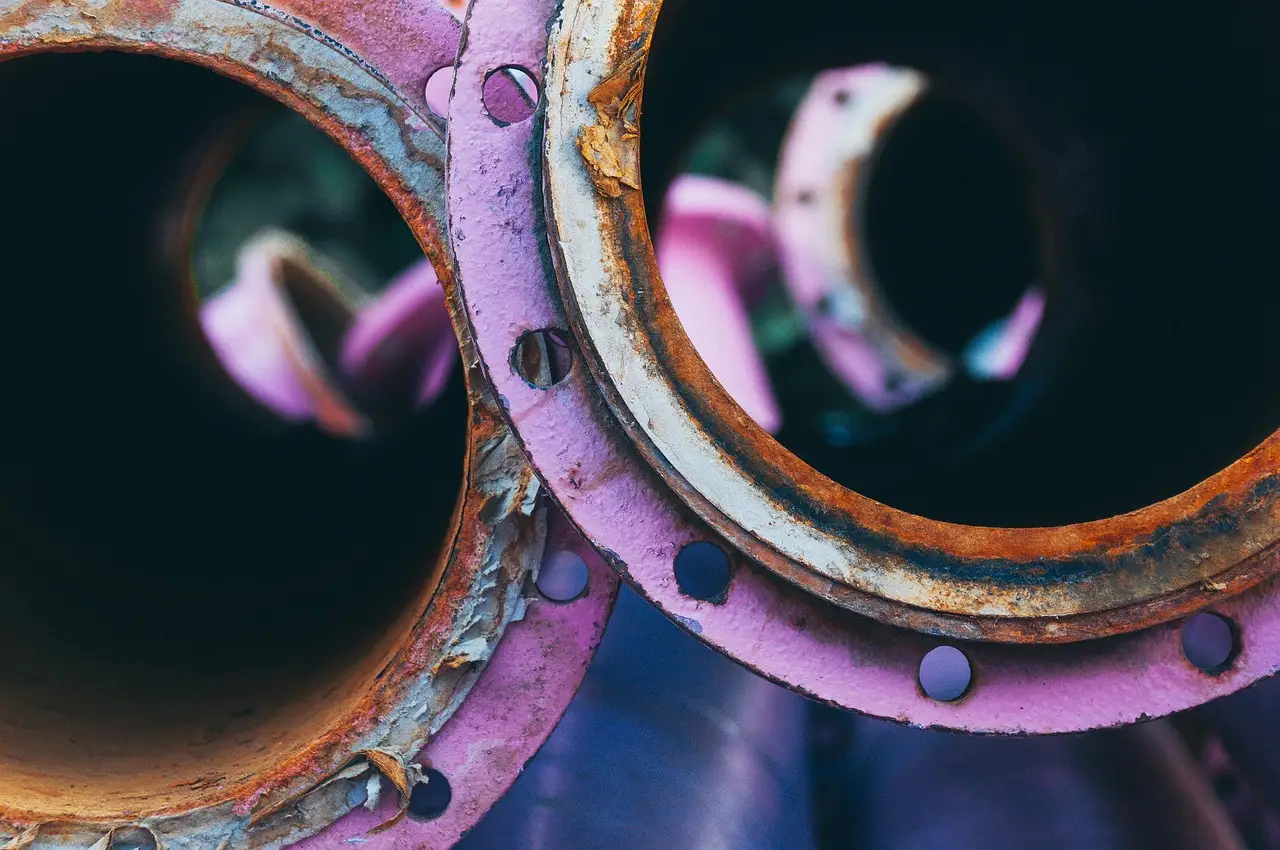


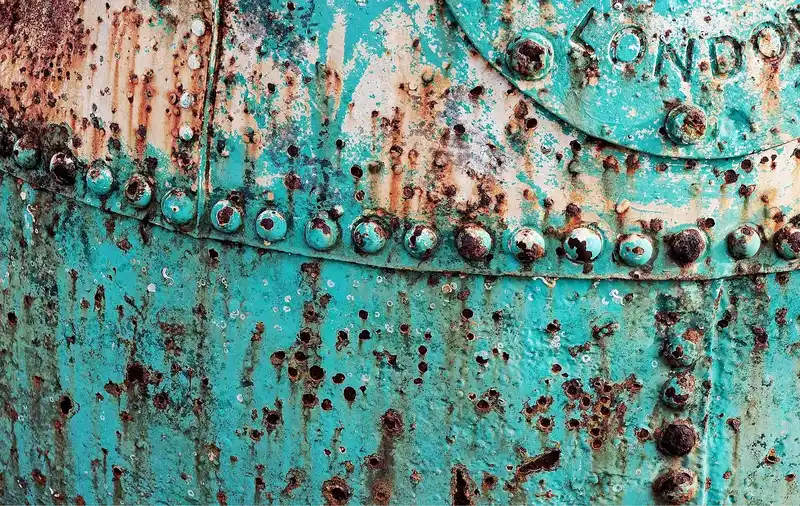
Exhaust bolts rust shut when water, oxygen, heat cycling, and road salt attack the threads at the same time. Clamp hardware often fails first because many exhaust clamps use mild steel, which rusts quickly. Manifold bolts face a different problem: they sit near the cylinder head, see repeated heat cycling, and are more likely to seize or snap.
That difference matters. A clamp can usually be serviced with normal hand tools if you catch it early. A manifold bolt may need penetrating oil, heat, patience, and extraction tools once corrosion locks the threads.
Say your muffler clamp looks scaly after one salty winter, but the flange bolts still turn. That is the time to clean, coat, and reassemble. Wait until the bolt head rounds off, and a routine repair often becomes cut-off hardware and a new gasket set.
Why road salt makes it worse
Road salt is one of the main drivers of underbody corrosion in winter climates. It clings to fasteners, stays wet, and keeps feeding rust even after the road surface looks dry. The longer it sits on the underbody, the more likely the threads are to bond together.
Why manifold bolts fail differently
Exhaust manifold bolts see high heat, repeated expansion and contraction, and corrosion from the outside and the thread interface. Normal exhaust operating temperature is typically 600°F to 900°F, so hardware in that area needs more than casual spray-and-pray prevention. A manifold fastener that looked fine last season can still seize after a few heat cycles.
What you’ll need
- Penetrating oil for seized threads
- Wire brush or thread chaser
- Brake cleaner or a similar residue remover
- New exhaust bolts, nuts, and washers matched to the joint
- Nickel- or copper-based anti-seize compound
- Torque wrench and the correct sockets or wrenches
- Heat source for stubborn manifold hardware, if the manual allows it
- Safety glasses and gloves
Choose the right fastener
The best fix depends on where the bolt sits. Mild steel is usually the least expensive, but it tends to rust faster. Coated steel is a better middle ground for many clamp and flange joints. SS304 stainless resists corrosion far better in salty, wet environments because it contains 17.5% to 19.5% chromium and 8% to 10.5% nickel. It also maintains oxidation resistance up to about 1,598°F in intermittent service.
That still does not make stainless the answer for every exhaust joint. Some manifold hardware needs OEM-spec strength, a locking feature, or an exact alloy match. If the factory design uses a specific stud, prevailing torque nut, or coated fastener, keep that requirement in the decision.
Galvanized coating has a narrow role here. Zinc protection can lose usefulness around 400°F, while exhaust temperatures are typically 600°F to 900°F. That means galvanized hardware may help in cooler locations, but it is not a long-term solution for hot joints near the manifold.
When OEM-style hardware is the safer call
Use OEM-style coated hardware when the joint depends on a specific clamp load, stud strength, or anti-loosening feature. That is especially true on manifold bolts and other high-heat joints. Stainless can resist corrosion better, but it is not always the right answer if the original design depends on a different material or locking method.
| Fastener material or coating | Suitable use on the exhaust | Expected corrosion risk | Reserviceability notes |
|---|---|---|---|
| Mild steel | Low-cost clamps and low-heat joints only | High; rusts readily and can seize fast | Easy to source, but often the first to fail during removal |
| Coated steel | Clamp bolts and many flange bolts | Moderate until the coating wears or burns off | Good middle ground if the coating and torque spec fit the joint |
| 304 stainless steel | Salt-prone clamps and many flange locations, if OEM spec allows | Low in wet, salty service compared with mild steel | Easier to service later, but watch for galling and verify strength class |
Exhaust bolt protection matrix
This matrix helps you match the fastener to the job instead of treating every exhaust joint the same. Clamp bolts live in a cooler, more accessible spot than manifold hardware. Flange bolts sit between the two. Manifold bolts get the harshest heat load and the highest failure risk.
| Fastener option | Clamp bolts | Flange bolts | Manifold bolts | Protection and reserviceability notes |
|---|---|---|---|---|
| Mild steel | Acceptable only for short-term replacement | Poor choice in salted climates | Not recommended | Lowest corrosion resistance; most likely to rust seizure and snap on next removal |
| Coated steel | Good match for many OEM-style clamps | Good when the coating suits the heat level | Use only if the factory calls for it | Better than plain steel, but the coating can wear or burn away with heat cycling |
| 304 stainless steel | Strong choice for salty, wet service | Often the best corrosion-resistant option if the joint allows it | Use only if the joint design, strength, and locking method are appropriate | Very good corrosion resistance, but watch galling and do not force it into a spec it does not meet |
How to remove rusted exhaust bolts
Start with penetrating oil, not brute force. Give the oil soak time, then work the fastener gently with back-and-forth movement and tapping before you add heat or extraction tools. If the bolt is on the manifold and already rounded or swollen with rust, move sooner to controlled heat and the correct removal tool.
Soak the threads. Spray penetrating oil at the exposed threads and the nut-to-bolt interface, then let it sit before you try to turn anything. Soak time matters more than immediate force because the oil needs time to creep into the corrosion bond.
Tap and work gently. Lightly tap the fastener, then try small tightening and loosening movements. This can break the rust bond without twisting the bolt off, especially on clamp hardware and flange bolts.
Escalate to heat. Use heat only if the manual allows it and the surrounding parts are safe. Exhaust manifold bolts often need this step because repeated heat cycling locks the threads hard.
How should you install new exhaust hardware?
Clean the threads and mating surfaces, use anti-seize only where it belongs, and torque the fasteners to the manufacturer’s spec. That sequence protects the threads without creating a clamp-load problem. On hot exhaust hardware, anti-seize can change how the bolt tightens, so the torque value may need adjustment per the fastener, coating, and manual guidance.
Do not coat every surface. Anti-seize belongs on the threads unless the manual says otherwise, and too much can make the joint harder to clamp correctly. Sealing washers help only where the joint design calls for them, such as certain flange or sensor-style locations that need a seal and a stable clamp load. They do not solve rust by themselves.
Clean every contact surface. Remove rust, old compound, and carbon from the threads and the flange faces. A clean joint clamps more evenly and gives the new hardware a fair start.
Apply anti-seize sparingly. Put a thin film on the threads only, then wipe away visible excess. Use nickel- or copper-based compound where the heat level and manual allow it, and keep it off friction surfaces unless the specification calls for it.
Torque to spec. Tighten the fastener to the manufacturer’s listed value for that joint, then install any required lock feature. If the manual gives a different value for lubricated threads, follow that value instead of guessing.
How do you protect bolts after winter driving?
Wash road salt off the underbody, inspect clamps and flanges while the hardware is still fresh, and recheck fasteners before corrosion has another season to work. That routine matters most after snowy or salted driving, because winter residue keeps attacking the metal even after the road dries out.
Rinse the underbody. Wash the exhaust run, hangers, clamps, and nearby brackets after salted driving when conditions allow. The point is to remove salt before it dries on the hardware and keeps pulling moisture into the threads.
Inspect the hardware. Look for red rust, swelling around the nut, missing coating, and fresh soot at flange joints. Clamp hardware is often one of the first places corrosion is noticed, so it is worth checking early.
Recheck before summer. If a fastener looks rough, clean and re-torque it before the next heat cycle locks it further. A common first-timer mistake is waiting until the next repair, which leaves a serviceable bolt to become a broken one.
Hypothetical examples
Suppose a rear exhaust clamp on a daily driver shows orange rust but still turns with a wrench. Cleaning the threads, replacing the clamp with coated steel, and applying a thin anti-seize film will usually make the next removal much easier than reusing the old clamp.
Picture a manifold bolt that has already rounded and shows crusted rust at the head. That joint usually needs penetrating oil, controlled heat if allowed, and the right extraction tool; forcing it cold often snaps the stud and raises the repair cost fast.
Common mistakes
The most common mistake is treating every exhaust joint the same. Clamp bolts, flange bolts, and manifold bolts live at different temperatures and fail in different ways. Another mistake is using anti-seize everywhere and then tightening by feel; that can change clamp load enough to create leaks or loose joints.
- Using galvanized hardware on hot exhaust joints and expecting the zinc to last
- Choosing stainless without checking strength class or OEM requirements
- Skipping thread cleaning before reassembly
- Using too much anti-seize on the threads
- Ignoring winter salt buildup on underbody hardware
- Waiting until a bolt snaps before replacing obviously corroded hardware
Frequently asked questions
How to remove rusty exhaust manifold bolts
Use penetrating oil first, let it soak, and then apply controlled heat if the surrounding parts allow it. Manifold bolts often need more than hand force because they live in a high-heat zone and corrode after repeated cycling.
What is the best way to keep exhaust bolts from seizing?
For many clamp and flange joints, coated steel or 304 stainless with proper thread preparation gives the best service life in salty climates. The key is still the same: keep salt off the hardware, use anti-seize carefully, and follow the torque spec for that exact joint.
How to remove exhaust bolts without breaking them
Soak the threads, tap the fastener lightly, and use small tightening and loosening movements before you escalate. If the bolt feels spongy or starts to twist, stop and move to heat or extraction instead of powering through.