What Blue Exhaust Smoke Means and How to Fix It
Blue exhaust smoke usually means engine oil is burning. If it shows up only on startup, suspect valve seals or PCV; smoke under load or after decel points to rings or turbo seals. Ignore it, and you can foul plugs, clog the catalytic converter, and turn a small oil leak into major engine damage. This guide matches smoke timing to likely faults, then ranks the quickest checks and next fixes.
Spotting and distinguishing blue smoke from white and black

Blue or bluish-gray smoke usually means oil is entering the combustion chamber. That differs from thin white vapor on a cold morning, which can be normal for the first few minutes, and from black soot, which points more toward excess fuel.
FixMyCar says blue smoke often means the engine is burning oil, and APEX Driver notes that blue smoke can appear on startup, under hard acceleration, or when decelerating. The timing matters because it often points to where the oil is getting in.
How to tell it from white vapor and black soot
White vapor that fades quickly after a cold start is usually water vapor from condensation. Persistent thick white smoke is more concerning for coolant burning. Blue smoke looks oilier, hangs around longer, and can leave an oily smell or residue at the tailpipe.
If you see black smoke instead, think fuel mixture or injection issues first. Blue smoke is a lubrication problem. That is why the repair path is different.
Why oil burning matters
Oil burning does more than make smoke. It can foul spark plugs, contaminate oxygen sensors, and load the catalytic converter with ash. If the smoke is heavy or the oil level keeps dropping, the engine may already be on the way to a larger repair.
| Smoke pattern | Most likely cause | Fastest check | Urgency |
|---|---|---|---|
| Cold-start puff | Valve stem seals or valve guides | Let it sit overnight, then watch the first startup and look for smoke that fades after a few seconds | Moderate unless oil loss is rising fast |
| Acceleration smoke | Piston rings, worn cylinder sealing, or turbo oil-seal failure | Check oil level, then run a compression test if the smoke appears under load | High if smoke is heavy or constant |
| Deceleration smoke | Valve seals or turbo-related oil draw | Coast downhill in gear and watch for a puff after throttle lift | Moderate to high |
| Constant smoke | Severe ring wear, turbo failure, or internal oil leak | Check oil consumption, plug condition, and compression across cylinders | Stop-and-check-now level |
| Post-repair smoke | Residual oil in exhaust or intake after service | Inspect for spilled oil, overfilled crankcase, or oil pooled in the intake tract | Often short-lived, but verify before driving far |
| Recent oil change or overfilled oil false alarm | Overfilled crankcase or spilled oil on hot exhaust parts | Check dipstick level with the engine off on level ground | Low if smoke fades quickly |
Why does blue smoke come out on startup?
Blue smoke on startup most often points to valve stem seals or valve guides. Oil can leak past the top-of-cylinder seals while the engine sits, then burn off after the first few seconds of running. It is a classic pattern when the car has sat overnight.
That pattern is different from a problem that happens under load. Startup-only smoke usually clears faster and does not keep building with throttle.
What overnight sitting changes
After the engine sits, oil can seep down through worn valve guides and collect near the combustion chamber. On the next start, that oil burns in a brief puff. If the smoke is worst after a long park and then improves, valve seals climb the list.
Say your car sits in the driveway overnight, then emits a blue puff for three seconds the next morning and clears by the time you reach the end of the block. That pattern fits valve seals more closely than piston rings.
Quick checks before teardown
- Check the oil level on level ground with the engine off.
- Look for oily spark plugs or oily deposits at the tailpipe.
- Watch whether the smoke fades quickly or keeps going.
- Note whether the engine has been sitting overnight or only a few minutes.
If startup smoke is brief and the oil level is stable, the issue may be manageable for now. If the smoke persists or oil use is climbing, a deeper diagnosis is the next step.
Why is my car smoking blue when I accelerate?
Blue smoke during acceleration can point to piston rings, worn cylinder sealing, or turbocharger oil-seal failure on turbocharged engines. The same source says damaged piston rings are the most likely explanation when blue smoke appears during acceleration. Load makes the leak show itself.
This is the pattern that most often needs a compression test. If multiple cylinders are low, ring wear rises on the list. If the engine is turbocharged, the turbo itself also needs a close look.
Piston rings and cylinder sealing
Piston rings seal the cylinder against crankcase oil. When they wear, oil can move into the combustion chamber, especially under hard throttle when cylinder pressure rises. That is why acceleration smoke often tracks with worn ring sealing.
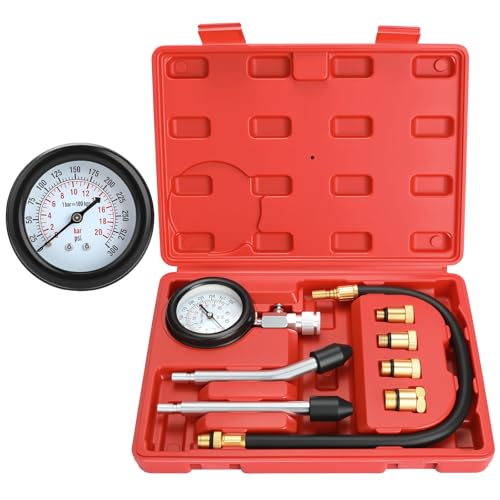
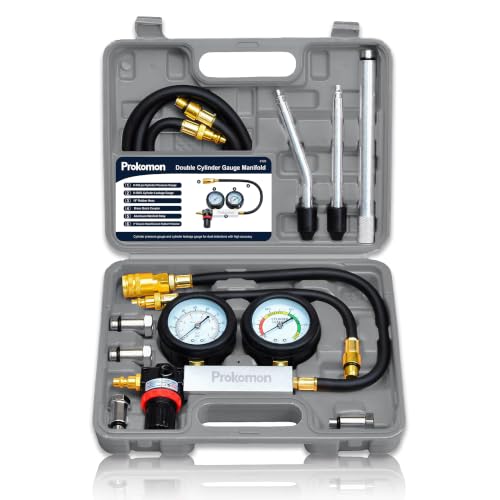
A compression test is the key confirmation step. It compares cylinder health and helps separate ring wear from a one-cylinder issue such as a valve or gasket fault.
Turbocharger oil seals and housings
On turbocharged engines, blue smoke can come from failed turbo oil seals or a damaged housing. Oil may enter the intake manifold or the exhaust side, and the smoke is often heavy. Turbo faults can also leave oil in the intercooler piping or intake tract.
Check the compressor inlet, charge pipes, and intercooler for wet oil film. A light mist is common in some turbo systems; pooled oil is not.
When a compression test matters
If smoke only appears under load and the oil level is dropping, a compression test is a strong next step. It is especially useful when the issue affects multiple cylinders, because that pattern often points toward ring wear rather than a single seal.
Suppose a four-cylinder engine smokes blue only when merging onto the highway, and two cylinders show low compression. That combination makes ring wear more likely than a simple valve seal problem.
Can a bad PCV valve cause blue smoke?
Yes. A faulty PCV valve can cause blue exhaust smoke. The PCV valve controls crankcase pressure and vapors, and a stuck or clogged valve can push oil vapor where it should not go. It is cheap, easy to inspect, and worth checking early.
Because it is simple, the PCV system is one of the first places to look before you assume major internal wear. A blocked hose or valve can make a healthy engine burn oil more than it should.
How crankcase pressure drives oil burning
If crankcase pressure builds, oil mist can get pulled through intake passages and into the combustion chamber. That can create blue smoke, especially at idle, on startup, or during light throttle changes. It can also worsen existing seal leaks.
F1 notes that blue exhaust smoke can be caused by a faulty PCV valve. That makes it a practical first check, not a last resort.
Simple inspection and hose checks
- Remove the PCV valve and shake it if the design allows it.
- Check for sludge, blockage, or collapsed hoses.
- Inspect the valve cover breather and intake hose for oil buildup.
- Replace any brittle or clogged hose before moving to deeper diagnosis.
APEX Driver lists PCV valve repair at $20-$75. That makes it the cheapest plausible fix in this guide, which is why it should be checked before engine teardown.
How do you separate rings, seals, and turbo faults?
The quickest way is to match smoke timing with the test that best exposes that fault. Startup smoke leans toward valve seals, acceleration smoke leans toward rings or turbo seals, and constant smoke raises concern for major ring wear or a turbo problem. Head gasket oil leaks are less common but more serious when they appear with coolant symptoms.
Compression test clues
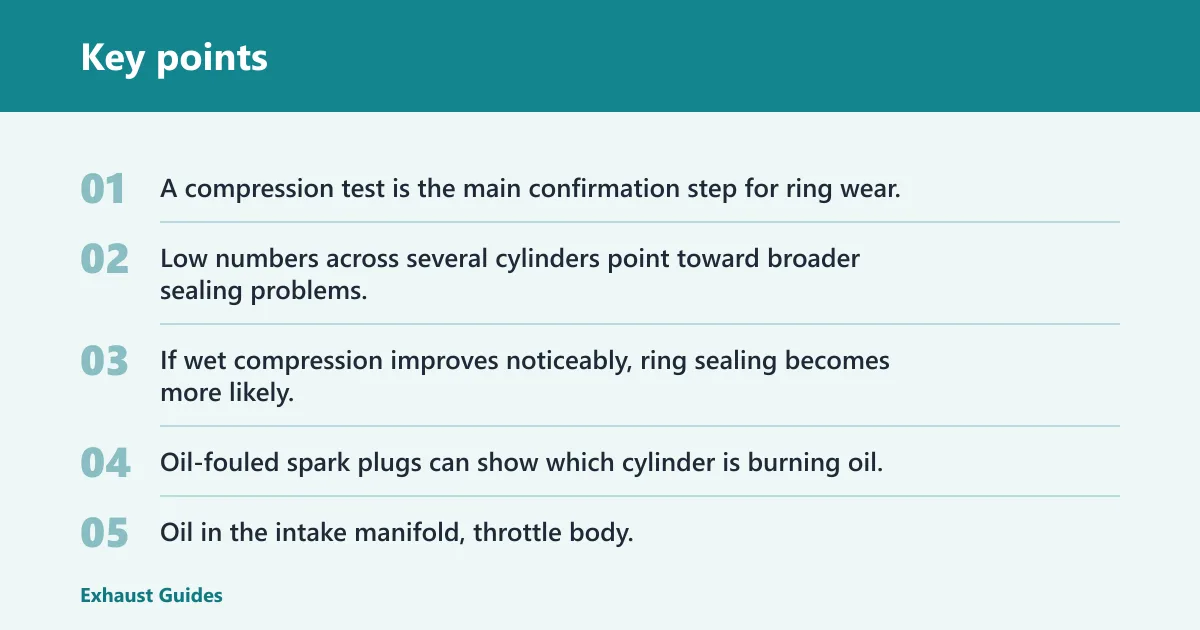
A compression test is the main confirmation step for ring wear. Low numbers across several cylinders point toward broader sealing problems, while one weak cylinder can point to a local fault. If wet compression improves noticeably, ring sealing becomes more likely.
Spark plug and intake oil clues
Oil-fouled spark plugs can show which cylinder is burning oil. Oil in the intake manifold, throttle body, or intercooler piping points more toward PCV carryover or turbo inlet-side problems. Oil on the exhaust side of a turbo points more toward turbine-side seal failure.
Turbo inlet-side versus exhaust-side clues
Inlet-side oil pooling usually means oil is getting drawn into the compressor side, often from crankcase pressure or a failing seal. Exhaust-side oil leakage can create heavier smoke and may leave oily residue downstream. A turbo fault can mimic ring wear, so the oil path matters.
Head gasket clues
A head gasket can leak oil internally, and the warning signs often include coolant loss, overheating, a sweet smell, or white residue symptoms. If you also see thick white smoke, think coolant first. The same source lists an average head gasket repair cost of £798.27, which is why this fault should not be ignored.
Oil consumption as a severity clue
Oil consumption rate helps separate mild seepage from major wear. Loss of about 1 quart per 1,000 miles is often treated as a warning threshold. If the engine uses more than that, especially with visible blue smoke, the fault is usually beyond a minor seal issue.
Common first-timer mistake: blaming every blue puff on the same cause. A car that smokes for two seconds after an overnight sit, then stays clean under throttle, needs a different path than one that smokes hard every time the driver climbs a hill.
What fixes blue smoke, and what can wait?
The safest order is to correct easy faults first, then move to deeper repairs if the smoke pattern stays the same. Start with the PCV system, correct oil level if it is overfilled, and only then decide whether the engine needs seal, ring, turbo, or gasket work.
PCV valve and hose repairs
If the valve is clogged or the hoses are damaged, replace them first. That repair can reduce oil burning quickly and cheaply, and it often changes the smoke pattern enough to clarify the real fault.
Oil level correction after overfill
An overfilled crankcase can push oil into places it should not be. If the smoke started right after an oil change, check the dipstick before assuming a mechanical failure. Also look for oil spilled onto hot exhaust parts, which can smoke for a short time and then stop.
Valve seal, ring, and turbo repairs
The same source lists valve seal replacement at $500-$1,500 and piston ring replacement at $1,500-$3,500. Those figures reflect the jump from a top-end seal job to a deeper engine repair. Turbo replacement averages £747.06 according to FixMyCar, and that repair becomes more likely when a turbocharger is the source.
Valve seals are often the next step after a startup-only smoke pattern. Rings are a larger repair and usually need compression confirmation. Turbo repairs depend on where the oil is leaking and whether the housing is damaged.
When to stop driving
Stop driving now if the smoke is heavy and constant, if oil loss is rapid, or if you have coolant loss, overheating, or a strong sweet smell along with white residue symptoms. These signs suggest a fault that can damage the engine quickly.
Persistent smoke plus oil loss near 1 quart per 1,000 miles is a warning threshold. Worse loss, especially with rough running or plug fouling, points to a repair that should not wait.
Frequently asked questions
What does blue exhaust smoke mean?
Blue exhaust smoke usually means engine oil is entering the combustion chamber and burning there. The timing matters: startup smoke often points to valve seals or PCV issues, while smoke under acceleration or load often points to piston rings or turbo seals.
Is blue smoke from exhaust safe to drive with?
Short trips are sometimes possible if the smoke is light and the oil level is stable, but heavy or constant blue smoke is not safe to ignore. If oil loss is fast, the engine runs rough, or coolant symptoms appear, stop driving and inspect it.
Why does blue smoke come out of the exhaust on startup?
Startup blue smoke usually points to valve stem seals or valve guides, especially after the car has sat overnight. Oil can leak past the top of the cylinder while parked, then burn off in the first few seconds after the engine starts.
How do I tell if blue smoke is from piston rings or valve seals?
Valve seals usually cause brief startup smoke that fades quickly after sitting. Piston rings more often cause smoke under hard acceleration and may show lower compression on one or more cylinders. If the smoke happens in both cases, a compression test is the best next step.
How much does it cost to fix blue exhaust smoke?
Cost depends on the fault. PCV valve repair can be low-cost, valve seal replacement often sits in the midrange, and piston ring work is usually the most expensive. The same source lists an average head gasket repair cost of £798.27, and turbo replacement averages £747.06.
Will thicker oil stop blue smoke from the exhaust?
Thicker oil may reduce smoke for a short time, but it does not fix the leak path. It can hide the symptom while wear keeps getting worse. The better move is to find the cause, correct the oil level, and repair the faulty part.
Can a turbocharger cause blue exhaust smoke?
Yes. A turbocharger can cause blue smoke if its oil seals fail or if the housing is damaged. Oil can enter the intake manifold or the exhaust side, and turbo faults often create heavy smoke. Check inlet piping and the intercooler for pooled oil.