Does a Turbo Always Fail on the Exhaust Side? Find Out
Have you ever wondered why your car’s turbo might not be performing as it should? You’re not alone.

Subaru
Genuine Subaru Exhaust Gasket Kit Turbo Manifolds…
- Genuine Oem Subaru Sealed items
- Exhaust Gasket 14038AA000 X2
- DOWN PIPE Gasket 44022AA180 X1
As an Amazon Associate I earn from qualifying purchases.
Many car enthusiasts and everyday drivers question whether a turbo always fails on the exhaust side. It’s a common concern that could affect your vehicle’s performance and your peace of mind. Picture this: you’re cruising down the highway, expecting that familiar burst of power, but instead, you’re met with a disappointing lag.
Frustrating, right? This article is here to shed light on this mystery. We’ll dive into the reasons behind turbo failures, focusing on the exhaust side. By understanding these factors, you’ll be better equipped to keep your turbo running smoothly. Stay tuned, because the insights you gain could save you from costly repairs and enhance your driving experience.
Turbocharger Basics
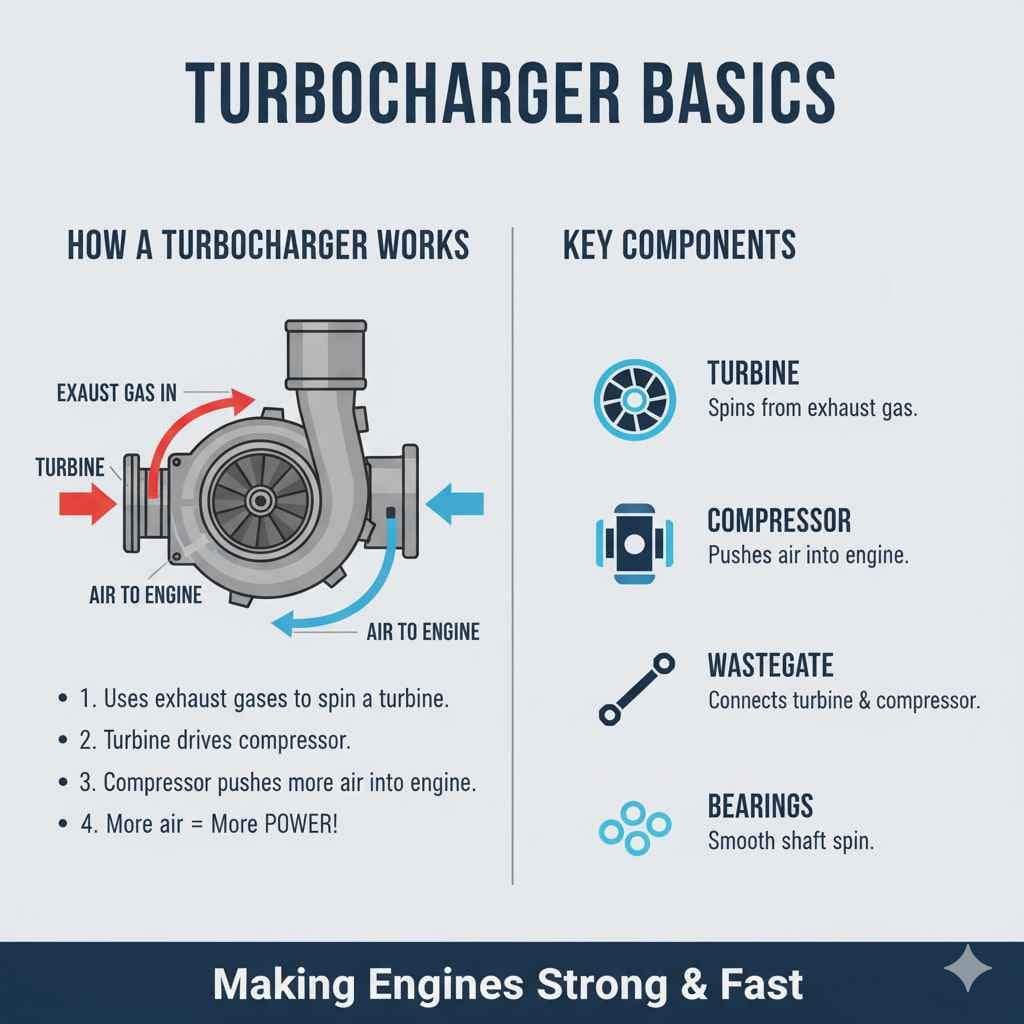
Turbos make cars go faster. They use exhaust gasesto spin a fan. This fan is called a turbine. The turbine helps the engine get more air. More air means more power. Turbos can make engines strong and fast. They are important for racing cars.
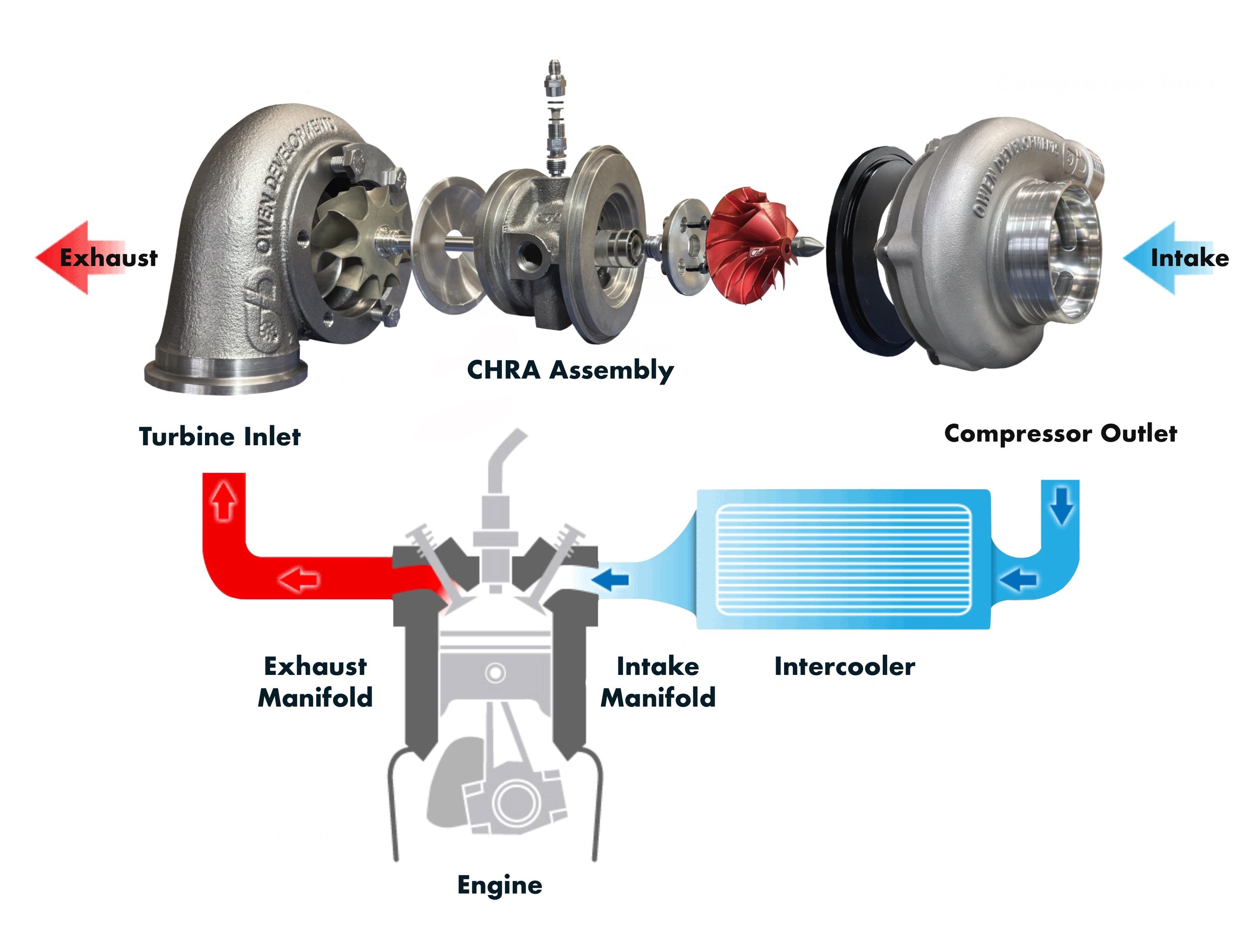
Turbos have many parts. The turbineis one part. The compressoris another part. It pushes more air into the engine. There is a wastegatetoo. It controls pressure. The shaftconnects turbine and compressor. Bearingshelp the shaft spin smoothly. All parts must work well together. If one part breaks, the turbo might fail.
Exhaust Side Explained
The exhaust sideof a turbo plays a key role. It manages the flow of gases. These gases drive the turbo. The exhaust sideis critical for turbo efficiency. Without it, the turbo won’t work properly. It channels exhaust gases into the turbine. This spins the turbine wheels. Then, the turbo boosts engine power. If the exhaust side fails, performance drops.
Role Of The Exhaust Side
The exhaust side controls how fast gases exit. This affects turbo speed. If gases leave too fast, the turbo can spin too quickly. This causes damage over time. Slow gas flow means less turbo power. A balanced flow is vital. It ensures the engine runs smoothly. It keeps the turbo healthy.
Signs Of Exhaust Side Failure
- Loss of power during acceleration
- Strange noises from the engine
- Increased smoke from the exhaust
- Drop in fuel efficiency
- Visible damage or leaks
Common Causes Of Turbo Failure
Many turbos fail due to mechanical wear and tear. Parts can break or get worn out. Moving parts suffer a lot. They face constant friction and stress. Over time, parts lose strength. This can cause the turbo to fail.
Oil contaminationcan damage turbos. Dirty oil harms the turbo’s parts. Clean oil is crucial for its health. Dirty oil can cause blockages. This leads to poor performance. Turbos need clean oil to work well.
Exhaust gas temperaturesaffect turbo health. High temperatures can be harmful. They stress the turbo’s materials. Turbos need to stay cool. High heat can cause them to crack or warp. Managing temperatures is vital for longevity.
Diagnosing Turbo Issues
Turbo failures can occur on both the exhaust and intake sides. The exhaust side isn’t always the problem. Diagnosing turbo issues requires inspecting both areas to identify the root cause. Regular maintenance helps prevent unexpected failures and keeps the turbo running efficiently.
Inspection Techniques
Regular checks can help find turbo problems. Look for oil leaks or strange noises. A loud whistling sound can mean trouble. Feel for excess heat on the turbo. Check bolts and clamps for tightness. Loose parts can cause issues. Visual inspection is key. Look for cracks or damaged parts. A clean turbo works better. Remove any dirt or debris.
Diagnostic Tools
Diagnostic tools help find problems fast. Use a code reader to check for errors. Pressure testers find leaks easily. They ensure the turbo holds pressure. Temperature guns check heat levels. High heat can mean a problem. Smoke machines find leaks too. Smoke shows where air escapes. Multimeters check electrical parts. They test sensors and wires. Always have the right tools ready.
Preventing Turbo Failures
Regular checks keep turbos healthy. Small issues grow into big problems. Inspect the turbine and compressor often. Listen for unusual sounds. Watch for smoke from the exhaust. Clean parts as needed. Replace worn-out parts quickly. This keeps the engine running smooth. A small effort can save big repair bills.
Quality oils protect your turbo. Cheap oils break down fast. They leave harmful deposits. Use oils with high temperature resistance. These oils last longer. They keep the turbo cool. Change the oil regularly. Old oil loses its strength. Fresh oil keeps the engine happy. It makes the turbo last longer.
Repair And Replacement
There are many ways to fix a turbo. Professional mechanics can often help. Rebuilding the turbo is one way. This can save money. It involves fixing or changing broken parts. Sometimes, cleaning the turbo is enough. Dirt can cause problems. Removing dirt can make the turbo work well again. Always check for leaks in the system. Leaks can be a big issue.
Sometimes, replacing the turbo is the best choice. If the damage is severe, repairs may not help. Old turbos might not work well, even after fixing. A new turbo can last longer. Noise and smoke are bad signs. If the car makes strange sounds, get help. Replacing is better than risking more damage. Safety comes first. Always choose what is best for the car.
Myths And Misconceptions
Many think turbos always break on the exhaust side. This is not true. Turbos can fail in different ways. Both the intake and exhaust sides can have problems. Heat and pressure affect both sides. Dirt and debris can damage the intake side.
Turbos use air and gases to make cars faster. They have two main parts: the compressor and the turbine. The compressor handles air intake. The turbine handles exhaust gases. Each part is important. Damage can happen anywhere. It depends on many factors. Care and maintenance help prevent issues.
Credit: www.turbo-reman.co.uk
Frequently Asked Questions
Why Do Turbos Fail On The Exhaust Side?
Turbo failures on the exhaust side often result from extreme heat. Over time, this heat can cause cracks or warping. Regular maintenance and proper cooling can mitigate these issues. Ensuring your turbo’s health involves checking for exhaust leaks and maintaining optimal engine temperatures.
Can Exhaust Leaks Damage A Turbo?
Yes, exhaust leaks can damage a turbo. Leaks disrupt the exhaust flow, causing the turbo to work harder. This increased strain can lead to premature wear and failure. Regularly inspecting and repairing exhaust leaks can prolong turbo life.
How To Prevent Turbo Failures?
Prevent turbo failures by ensuring proper maintenance. Regularly check oil levels and quality, as oil lubricates the turbo. Avoid aggressive driving habits that strain the turbo. Proper cooling systems and routine inspections help keep the turbo in good condition.
Are All Turbo Failures Heat-related?
Not all turbo failures are heat-related. Some are due to poor lubrication or foreign object damage. Ensuring a clean oil supply and avoiding debris can prevent these issues. Regular inspections help identify early signs of trouble.
Conclusion
Turbo failure can happen on the exhaust side. It’s not always the case, though. Regular maintenance helps prevent issues. Check for signs of wear and tear. Address problems early to avoid costly repairs. Keep an eye on performance changes. Listen for unusual noises.
These can be warning signs. Also, ensure proper installation. Incorrect fitting causes failures. Quality parts matter too. They last longer and perform better. Understanding these factors can help. It keeps your turbo running smoothly. So, take care of your turbo.
It ensures longevity and efficiency.
Related pick: Check today's price on Amazon