What Cars Had Ram Horn Exhaust Manifolds
Wondering about What Cars Had Ram Horn Exhaust Manifolds From Factory? It can seem tricky to find this specific info. Many people look for this because these parts give cars a cool look and sound.
Don’t worry, this post will make it super easy. We will go through it step by step. Get ready to learn about these unique car parts.
Exploring Ram Horn Exhaust Manifolds On Factory Cars
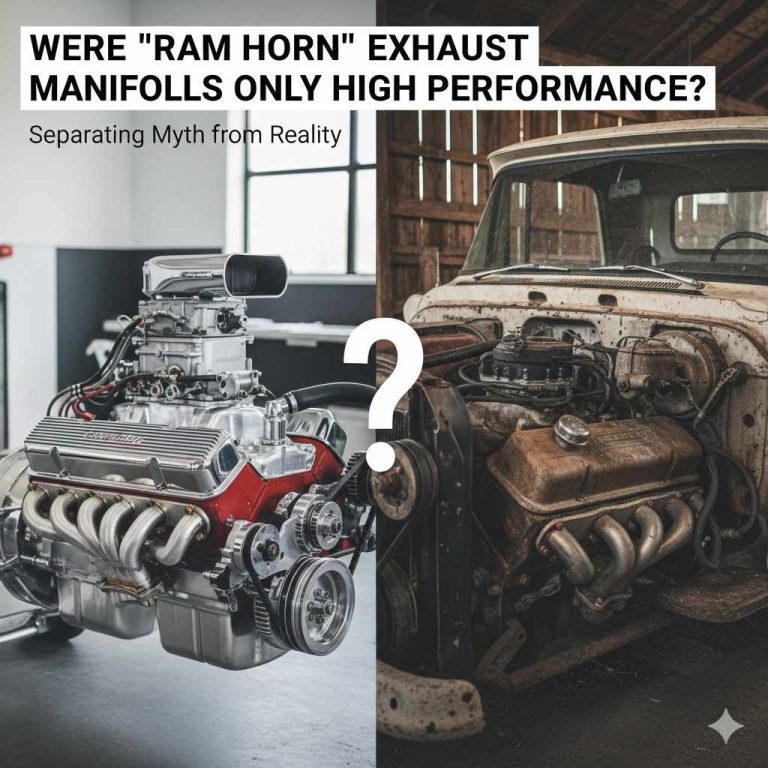
Ram horn exhaust manifolds are a special kind of exhaust part. They look like curved horns. These were not on all cars, but on some famous ones.
Knowing which cars had them helps car fans and collectors. It is a key detail for anyone interested in classic car performance and style. This section will show you the main types of cars that featured these manifolds from the start.
Origins and Design of Ram Horn Manifolds
Ram horn exhaust manifolds have a distinctive shape. This shape helps engines breathe better. It directs exhaust gases away from the engine in a smooth way.
This design can help improve engine power and sound. It also looks pretty cool under the hood.
The unique curves are designed to reduce backpressure. Backpressure is like a traffic jam for exhaust fumes. Less backpressure means the engine can push out gases more easily.
This makes the engine run more efficiently.
These manifolds are often made of cast iron. This material is strong and can handle high heat. The shape is not just for looks; it plays a functional role in how the engine performs.
It’s a classic piece of automotive engineering.

Performance Benefits of Ram Horn Designs
The primary benefit of ram horn exhaust manifolds is improved exhaust flow. This means the engine can expel exhaust gases faster and with less resistance. This reduction in backpressure allows the engine to operate more efficiently.
Better exhaust flow can lead to modest gains in horsepower and torque. These gains are not massive, but they are noticeable, especially in performance-oriented engines. The smooth, curved runners help maintain exhaust gas velocity.
This velocity is important for scavenging exhaust from the cylinders.
Additionally, ram horn manifolds often produce a desirable exhaust note. Many enthusiasts find the sound associated with these manifolds to be appealing. It adds to the overall character of the vehicle.
Reducing Exhaust Backpressure
Backpressure occurs when exhaust gases have trouble exiting the engine. It’s like trying to blow through a straw with a kink in it. This resistance makes the engine work harder.
Ram horn manifolds help straighten out the exhaust path. They use smooth, large-diameter tubes.
This smooth path allows exhaust gases to flow freely. The gases move out of the engine cylinders more quickly. This reduces the amount of spent gas left behind.
It also prevents new, fresh air and fuel mixture from being pushed out too early.
A common statistic in automotive engineering is that reducing backpressure by just 10% can lead to a 1-2% increase in horsepower. Ram horn manifolds are designed to achieve significant backpressure reduction compared to restrictive exhaust designs.
Enhancing Engine Scavenging
Engine scavenging is the process of clearing exhaust gases from the cylinder after combustion. When the exhaust valve opens, the outgoing gas pulse can help pull out the remaining exhaust. Ram horn manifolds are designed to create specific exhaust pulse timings.
The length and shape of the manifold runners influence these pulses. The curved design helps create a vacuum effect. This vacuum helps “scavenge” the cylinder more effectively.
This means more residual exhaust is removed.
Better scavenging means the cylinder is cleaner for the next intake stroke. This allows for a more complete filling with fresh air and fuel. This improved filling leads to a more powerful combustion event.
Iconic Cars Featuring Factory Ram Horn Exhaust Manifolds
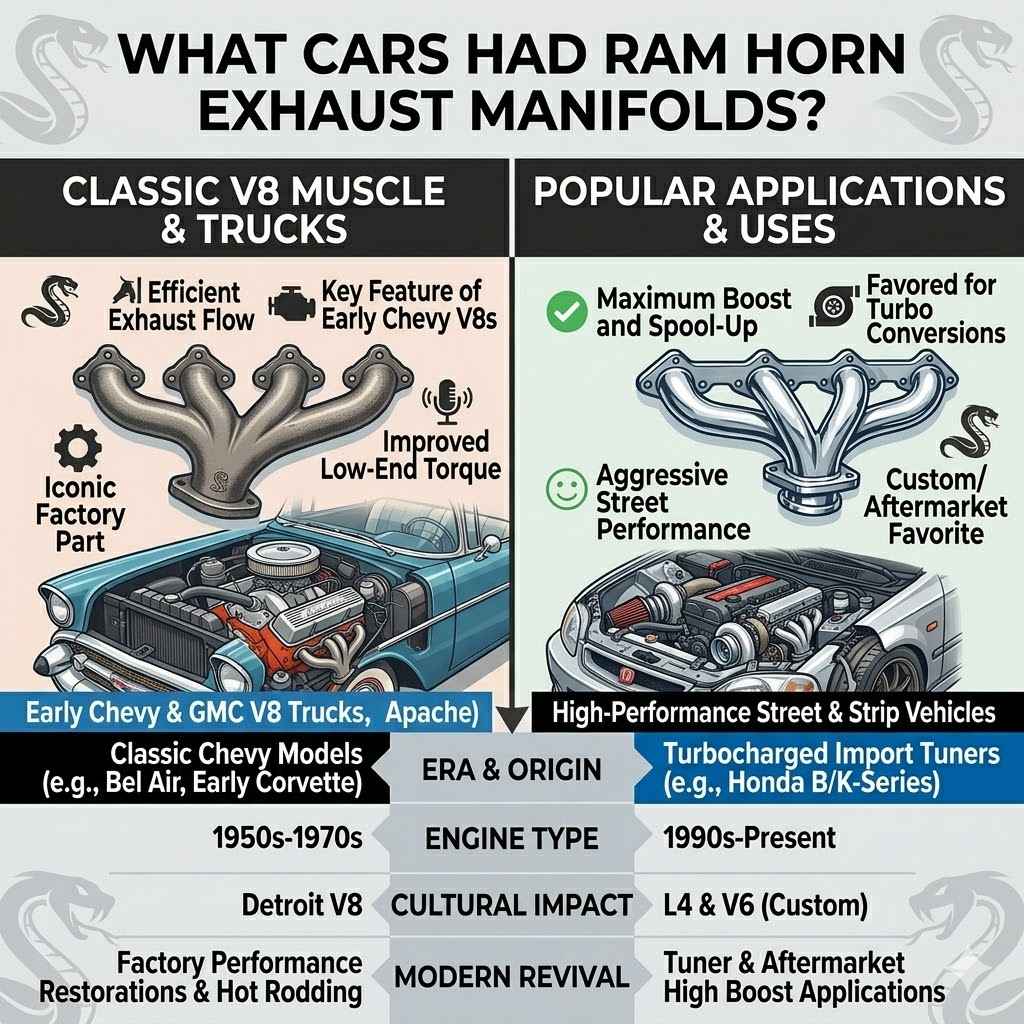
Ram horn exhaust manifolds are most commonly associated with American muscle cars and performance vehicles. These were often V8 engines designed for power and a distinctive sound. Their presence on these cars is a hallmark of their era.
Some of the most famous examples come from manufacturers like Chevrolet, Ford, and Mopar. These automakers equipped their high-performance models with these manifolds to boost output and appeal. They are a key visual and functional element of these classic machines.
Identifying these vehicles helps collectors and enthusiasts appreciate the engineering. It’s also a common point of interest for restoration projects. Let’s look at some specific models.
Chevrolet Models
Chevrolet used ram horn exhaust manifolds on many of its performance-oriented models, particularly those with V8 engines. These were often found on the Corvette and various Camaro and Chevelle models. The Chevrolet small-block V8 engine was a frequent recipient of this exhaust setup.
For instance, many L79 engines in the 1960s Chevelles and Novas featured ram horn manifolds. These engines were known for their strong performance for their displacement. The exhaust system was a key part of achieving that.
Camaros also saw ram horn manifolds on various performance packages. This was especially true for models aimed at racing or spirited driving. The distinctive look and sound were part of the performance appeal.
Ford Models
Ford also incorporated ram horn exhaust manifolds into some of its performance vehicles. While perhaps less prevalent than on some Mopar or Chevy offerings, they did appear on certain V8 engines. These were often on models where enhanced exhaust flow was a design goal.
Some early Mustang models with performance V8s might have been equipped with them. This would be on engines aiming for a bit more power than the base offerings. They were part of the overall performance package.
Other Ford performance cars from the 1960s and 1970s could also feature them. These would typically be the larger displacement V8s. The aim was always to get the most out of the engine’s potential.
Mopar Vehicles (Chrysler Dodge Plymouth)
Mopar vehicles, from Chrysler, Dodge, and Plymouth, are perhaps most famous for their widespread use of ram horn exhaust manifolds. These were a staple on many of their high-performance V8 engines, particularly the legendary HEMI and big-block engines.
Models like the Dodge Charger, Challenger, Plymouth Barracuda, and Super Bee often came factory-equipped with these. This was especially true for their more powerful engine options. They were integral to the performance reputation of these cars.
The distinctive “log” style manifold on some Mopar big blocks is a prime example of the ram horn design philosophy. These were built for maximum flow and power.
Distinguishing Ram Horns From Aftermarket Headers
It’s important to know the difference between factory ram horn exhaust manifolds and aftermarket headers. While they both aim to improve exhaust flow, their origin and typical design differ. Aftermarket headers are usually made from bent tubing, not cast iron.
Factory ram horns are cast iron. They have a more compact, integrated look. Aftermarket headers are often shiny and made of stainless steel or mild steel tubing.
They are typically designed for maximum performance, often sacrificing some low-end torque for high-end horsepower.
Understanding this distinction is key for restorers and enthusiasts. It helps in identifying original components. It also guides choices for performance upgrades.
Construction Materials
The materials used for exhaust manifolds and headers are quite different. Factory ram horn exhaust manifolds are almost always made of cast iron. Cast iron is a heavy, durable metal that can withstand the extreme temperatures and pressures of exhaust gases.
This material is also relatively inexpensive to cast into complex shapes. The casting process allows for the signature “horn” or “log” shape that is characteristic of ram horns. This casting method also gives them a solid, substantial feel.
Aftermarket headers, on the other hand, are typically made from bent metal tubing. Common materials include stainless steel, mild steel, or sometimes exotic alloys for racing applications. Tubing allows for smoother, less restrictive paths for exhaust gases compared to the internal passages of a cast manifold.
Design Philosophies
The design philosophy behind factory ram horns is often a balance. They aim for improved flow over standard exhaust manifolds. However, they also consider packaging constraints, durability, and cost.
The cast iron construction means the internal runners might not be as perfectly smooth or as ideally tuned as some tubular headers.
Aftermarket headers are usually designed with performance as the absolute priority. Engineers use precise tube lengths and diameters. They aim to optimize exhaust pulse scavenging at specific engine RPM ranges.
This often results in a more aggressive exhaust note and potentially higher peak horsepower.
However, this focus on peak performance can sometimes come at the cost of low-end torque or drivability. Some header designs can also be more prone to cracking or corrosion if not made from high-quality materials.
Why Some Drivers Prefer Ram Horn Manifolds
Many car enthusiasts prefer ram horn exhaust manifolds for several reasons. The primary draw is often the authentic vintage look. They are a period-correct part that enhances the originality of classic cars.
They also contribute to a specific, desirable exhaust sound.
For restorations or builds aiming for historical accuracy, ram horns are essential. They maintain the car’s factory appearance and character. This is important for show cars and collectors.
The robust nature of cast iron also appeals to some.
Beyond aesthetics and sound, some drivers find that ram horns offer a good balance of performance and practicality. They can provide a noticeable improvement over stock manifolds without the extreme nature of some aftermarket headers.
Authenticity and Restoration
For owners of classic cars, authenticity is often paramount. When restoring a vehicle to its original condition, using factory-specified parts is crucial. Ram horn exhaust manifolds are a key component of the original exhaust system on many performance models.
Using genuine or reproduction ram horns helps preserve the car’s historical integrity. It ensures the vehicle looks and sounds as it did when it left the factory. This is especially important for collector cars and vehicles intended for concours d’elegance events.
A properly restored car with its original ram horn manifolds is highly valued. It signifies a commitment to originality and attention to detail. This can significantly increase a car’s appeal and market value.
Unique Exhaust Sound
The shape and material of ram horn exhaust manifolds contribute to a distinctive exhaust note. Many describe the sound as a deep, throaty rumble that is characteristic of classic V8 engines. This sound is often more mellow than the aggressive bark produced by some tubular headers.
This sound profile is highly sought after by enthusiasts who want their classic car to have an authentic and appealing auditory experience. It complements the visual presence of the car. It’s a sensory element that defines the classic muscle car era.
While subjective, the sound produced by ram horns is often considered a pleasant balance. It’s powerful enough to be exciting but not so loud or raspy that it becomes annoying for daily driving. This balance is a major part of their appeal.
Practicality and Durability
Ram horn exhaust manifolds are built to last. Their cast iron construction makes them very durable and resistant to damage from road debris or impact. They are also less prone to leaking than some header designs, especially at the manifold-to-head connection.
Their design also means they are generally easier to install and fit within the engine bay of classic vehicles. They require less modification to the chassis or other components compared to some elaborate header systems. This makes them a more practical choice for many owners.
The robust nature of cast iron means they can handle years of heat cycles without significant degradation. This long-term durability is a significant advantage for drivers who want a reliable exhaust system for their classic car.
Identifying Ram Horn Exhaust Manifolds
Spotting ram horn exhaust manifolds is relatively easy once you know what to look for. They have a distinct shape that resembles ram’s horns or a log. They are typically made of dark grey cast iron.
They bolt directly to the cylinder head. The exhaust pipes then connect to the outlets of these manifolds. They are generally quite compact compared to some aftermarket headers.
If you are looking at a classic American V8, especially from the 1960s or 1970s, there’s a good chance it might have had them from the factory. Researching specific models and engine options is the best way to be sure.
Visual Characteristics
The most striking visual characteristic of ram horn exhaust manifolds is their shape. They typically feature two distinct, curved outlets that sweep downwards or outwards from the main manifold body. These curves resemble the horns of a ram, hence the name.
Another common visual is the “log” style, where the outlets are more integrated into a single casting, appearing like a thick, sturdy log. The material is invariably cast iron, giving them a heavy, solid appearance. They are not shiny like polished headers; they usually have a dull, dark grey or black finish, often with a slight texture from the casting process.
You can also often see the individual exhaust ports on the cylinder head where the manifold bolts up. The connection points are usually very sturdy, with multiple bolts securing the manifold to the head.
Common Engine Configurations
Ram horn exhaust manifolds are almost exclusively found on V8 engines. Their design is suited for the exhaust port arrangements of V8 cylinder heads. Small-block and big-block V8s from American manufacturers are the prime candidates.
This includes engines like the Chevrolet small-block (283, 327, 350), big-block (396, 427, 454), Ford FE engines (352, 390, 428), Windsor V8s (289, 302), and Mopar V8s (318, 340, 360, 383, 440, 426 HEMI).
If a vehicle has one of these engine types and is from the classic muscle car era, it’s highly likely that ram horn exhaust manifolds were an available factory option, or standard on performance versions.

Frequently Asked Questions
Question: What is the main advantage of ram horn exhaust manifolds?
Answer: The main advantage is improved exhaust flow, which can lead to better engine performance and a distinctive exhaust sound.
Question: Are ram horn exhaust manifolds good for racing?
Answer: They offer some performance benefits but are generally not as extreme as specialized racing headers designed for maximum horsepower.
Question: Can I buy new ram horn exhaust manifolds?
Answer: Yes, reproduction ram horn exhaust manifolds are available for many popular classic car models.
Question: Are ram horn manifolds made of metal?
Answer: Yes, they are typically made of cast iron, which is a strong metal that can withstand high engine temperatures.
Question: Which car brands commonly used ram horn exhaust manifolds?
Answer: Chevrolet, Ford, and Mopar (Chrysler, Dodge, Plymouth) are the most common brands that featured ram horn exhaust manifolds on their performance vehicles.
Summary
You’ve learned about What Cars Had Ram Horn Exhaust Manifolds From Factory. These cast iron parts offered better exhaust flow and a cool look. Chevrolet, Ford, and Mopar V8 engines were famous for them.
They are great for authenticity and sound on classic cars. If you own one of these cars, you might have them already or can find them.