Does a Slash-Cut Exhaust Pipe Improve Scavenging Performance?
Thinking about how to tweak your car’s exhaust can feel tricky! Many people wonder, Does a Slash-Cut Exhaust Pipe Improve Scavenging? It’s a common question, especially for those just starting with car modifications. Don’t worry, though; it doesn’t have to be hard. This article will break it down simply. We’ll explore the basics of exhaust systems and how different designs affect your engine. Get ready to discover the truth about slash-cut pipes, and how they work. Let’s get started!
Exhaust Basics: What is Scavenging?
Before exploring specific exhaust pipe designs, you must grasp the fundamental concept of “scavenging.” Scavenging is the process by which an engine clears out exhaust gases from the cylinders. This process helps create room for fresh air and fuel mixture to enter. It’s like sweeping out the old to make way for the new. The more efficiently this happens, the better your engine performs. It means more power and fuel efficiency. It directly impacts how your car breathes. The design of your exhaust system plays a massive role in this process. A well-designed system can actually “pull” exhaust gases out, creating a vacuum effect.
How Exhaust Systems Work
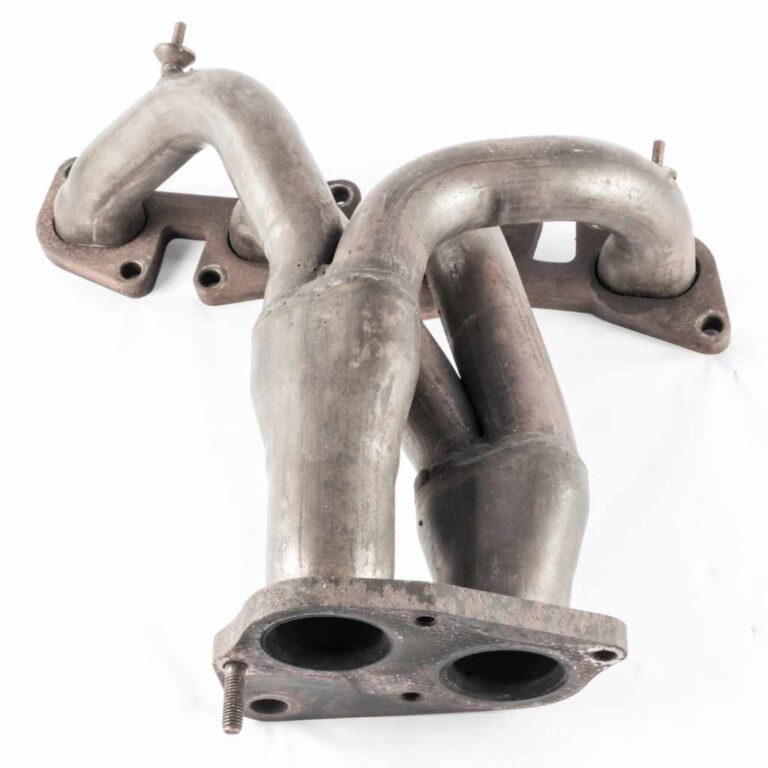
The exhaust system’s job is to take the burned gases from the engine and get rid of them. It starts with the exhaust manifold, which collects the gases from each cylinder. After that, the gases move into the exhaust pipe, often with a catalytic converter. The converter reduces harmful emissions before the gases exit. Finally, the gases go through the muffler. It reduces noise before they are released into the atmosphere. The entire system is built to safely and efficiently get rid of exhaust.
- Exhaust Manifold: This part gathers exhaust gases directly from the engine. Its design helps to channel the flow from each cylinder to a single pipe.
- Catalytic Converter: This component is vital for reducing pollution. It uses a chemical reaction to convert harmful gases like carbon monoxide and hydrocarbons into less harmful substances.
- Exhaust Pipe: This pipe carries exhaust gases away from the engine. The size, shape, and length of the exhaust pipe influence how effectively the engine breathes.
- Muffler: The muffler’s purpose is to reduce the sound produced by the engine. It does this by using chambers and sound-absorbing materials to quiet the exhaust.
The exhaust system isn’t just about getting rid of gases; it directly influences engine performance. The backpressure—the resistance to exhaust flow—can impact how efficiently the engine breathes. A well-designed exhaust system minimizes backpressure, enabling more effective scavenging, leading to improved power output and fuel economy. Choosing the right exhaust design is essential for optimized engine performance. Understanding each component is important to grasp the overall effect on how exhaust gases flow.
The Role of Backpressure
Backpressure in the exhaust system is a resistance to the flow of exhaust gases. Too much backpressure can restrict the engine’s ability to get rid of exhaust, hurting performance. Imagine trying to breathe through a narrow straw. It takes more effort, and you get less air. Similarly, high backpressure can reduce engine power. However, some backpressure is sometimes necessary. It can help maintain a balance in the engine’s combustion process. The goal is to find an optimal balance between removing exhaust gases and maintaining the engine’s functionality.
Engineers carefully design exhaust systems to manage backpressure effectively. A larger diameter exhaust pipe generally reduces backpressure, allowing exhaust gases to flow more freely. Conversely, a smaller diameter or components that restrict flow can increase backpressure. Factors such as the size of the engine, the engine’s power output, and the desired performance characteristics all influence the ideal level of backpressure. Understanding the effect of backpressure is key to modifying an exhaust system to improve performance.
Scavenging Explained
Scavenging is a crucial part of how an engine operates. It is all about removing the exhaust gases from the cylinder after combustion. The goal is to make room for a fresh mixture of air and fuel. Efficient scavenging means that the engine can breathe better. It leads to more power and improved fuel efficiency. The design of the exhaust system is key to this process. It affects how effectively the exhaust gases are pulled out of the cylinders. This process is most important when the exhaust valve is opened, and the piston is on its way up.
To scavenge effectively, engineers often use techniques that create a “siphoning” effect. This can be done through the design of the exhaust header, pipe diameter, and even the positioning of the exhaust tip. When the exhaust gases leave the cylinders, they create a pressure wave that travels down the exhaust pipe. By carefully tuning the exhaust system’s dimensions, this pressure wave can be timed to help pull the remaining exhaust gases out. As the exhaust gases exit the cylinders, a vacuum is created. This vacuum helps to draw out the remaining exhaust gases, which also pulls in the fresh air/fuel mixture. The more effective scavenging is, the better the engine’s overall performance. It all comes down to controlling the pressure and flow within the exhaust system.

Slash-Cut Exhaust Pipes: Design and Function
A slash-cut exhaust pipe is one that ends with a slanted or angled cut. This design is often seen in performance cars and motorcycles. The cut gives the exhaust pipe a distinctive look, but it also influences the way exhaust gases exit. The angle of the cut can affect the exhaust’s flow and, potentially, the scavenging effect. While the appearance of a slash-cut pipe is a common mod, its actual effect on performance is often debated. It is important to explore the potential pros and cons.
The Physics Behind the Design
The design of a slash-cut exhaust pipe has a real impact on how gases exit. When the exhaust gases flow out of a standard, straight-cut pipe, they generally disperse more widely. This can result in some energy loss as the gases expand. A slash-cut pipe directs the gases in a specific direction. The angle of the cut influences how the gases exit. It can create a slight jet effect. This effect can help to pull the exhaust gases away from the pipe’s opening. This might help with scavenging in a limited way.
The precise impact of a slash-cut design depends on various factors. It is essential to consider the angle of the cut, the pipe’s diameter, and the overall design of the exhaust system. While a slash-cut can, in theory, improve the flow slightly, it is not as significant as other factors like pipe diameter. The primary purpose of the slash-cut is usually aesthetic. Understanding the physics behind the design helps to decide if it is appropriate for your application.
Benefits of Slash-Cut Pipes
The primary advantage of slash-cut pipes is the improvement of how they look. However, there are some potential practical benefits. The angled cut helps to direct exhaust gases away from the vehicle. This can prevent soot from building up on the bumper or other components. The angled cut can also alter the exhaust sound slightly. It can affect how the sound waves reflect and disperse. For some people, this subtle change in sound is a pleasant addition to the car’s overall character.
- Improved Aesthetics: Slash-cut pipes are often considered to be more visually appealing. The angled cut provides a sporty or customized look that appeals to many vehicle enthusiasts.
- Directing Exhaust Flow: The slash-cut helps to direct exhaust gases away from the vehicle’s body. This can help to prevent soot and carbon buildup on bumpers and other surfaces.
- Potential Sound Alteration: The angled cut can slightly change the exhaust sound. This can change how the exhaust waves reflect and disperse, potentially leading to a unique sound profile.
- Easy Installation: Slash-cut exhaust tips are relatively simple to install. They can often be added to an existing exhaust system with minimal modifications.
The benefits of a slash-cut exhaust pipe are usually minor, especially when compared to other design choices. While it improves the visual design, the functional advantages, such as altered exhaust flow, are generally more subtle than dramatic. Despite these slight benefits, the slash-cut’s impact on scavenging is limited.
Drawbacks and Limitations
Despite their appeal, slash-cut exhaust pipes have some drawbacks. One key limitation is their minimal impact on overall engine performance. Other modifications, such as the exhaust pipe diameter or the design of the headers, have a much bigger effect. The slash-cut design is mainly about appearance, and its contribution to scavenging is marginal. Moreover, if the slash-cut is not properly designed or aligned, it can create a slight increase in backpressure. This can slightly reduce engine efficiency.
- Limited Performance Gains: Slash-cut exhaust pipes offer minimal performance improvements. Any effect on scavenging is typically insignificant compared to other exhaust system components.
- Potential Backpressure Increase: A poorly designed or positioned slash-cut can sometimes slightly increase backpressure. This may slightly reduce engine efficiency.
- Aesthetic Preference: The look of the slash-cut exhaust is a matter of personal taste. Some people may not find it aesthetically pleasing.
- Cost Considerations: While the exhaust tips themselves are not expensive, they add cost to the system. The money might be better spent on other modifications with more obvious performance benefits.
The limitations of a slash-cut exhaust are important to consider. While it can enhance the look and provide slight benefits, it offers minimal performance gains. The small cost, potential for increased backpressure, and the aesthetic-based design all contribute to the drawbacks. Owners should carefully think about their goals for exhaust modifications to determine if a slash-cut is the most appropriate option.
Does a Slash-Cut Exhaust Pipe Improve Scavenging? The Verdict
When you ask, Does a Slash-Cut Exhaust Pipe Improve Scavenging?, the answer is usually no, or at best, very little. While the slash-cut design can change the direction of exhaust flow, it has a minimal impact on scavenging compared to other elements of the exhaust system. The diameter of the exhaust pipes, the design of the headers, and the overall construction play a more significant role in optimizing exhaust flow and enhancing engine performance. It should not be the sole focus if you want to increase performance. More important factors are at play.
Comparing Slash-Cut to Other Designs
To grasp the true effect of a slash-cut exhaust, it helps to compare it to other exhaust designs. Standard, straight-cut pipes have been the baseline for many years. They allow exhaust gases to exit with little interference, but they lack the visual appeal of the slash-cut. Other exhaust designs, such as those with larger diameter pipes, merged collector systems, and performance headers, can have a more significant impact on scavenging. These designs help to reduce backpressure. This makes the exhaust flow more smoothly. It also boosts engine efficiency and power.
| Exhaust Component | Impact on Scavenging | Considerations |
|---|---|---|
| Slash-Cut Exhaust Pipe | Minimal | Mainly aesthetic, small effect on exhaust flow direction. |
| Larger Diameter Pipes | Significant | Reduces backpressure, improves exhaust flow. |
| Performance Headers | High | Optimizes exhaust gas collection and flow from individual cylinders. |
| Muffler Design | Moderate | Can impact scavenging by altering backpressure. |
Comparing these design elements reveals that the slash-cut design’s impact on scavenging is minor. Exhaust pipe size and performance headers have a greater effect on the scavenging process and overall engine performance. Owners that are looking to make real improvements should focus on these aspects first.
Here are some examples of real-world results that show the impact of different exhaust modifications. These can help to clarify the differences.
- Case Study 1: Pipe Diameter Modification. A common upgrade to increase power and flow is to increase the diameter of the exhaust pipe. A test performed on a car with a 4-cylinder engine showed that going from a 2-inch pipe to a 2.5-inch pipe resulted in a horsepower increase of about 8%.
- Case Study 2: Performance Header Installation. A different test was performed by installing performance headers on the same engine. The headers provided a more efficient way for the engine to breathe by optimizing the exhaust flow. The result was a horsepower gain of about 15%.
- Case Study 3: Comparing Slash-Cut to Straight-Cut. A slash-cut versus straight-cut exhaust tip was tested on a dyno. While the slash-cut made a visual difference, the power gain was negligible. There was no measurable difference in horsepower or torque.
Key Factors that Influence Scavenging
Many factors come into play when it comes to scavenging. The design of the exhaust manifold and headers is very important. They directly affect how exhaust gases collect from the cylinders. A well-designed header helps create a smoother flow of exhaust. The diameter of the exhaust pipes is another critical factor. Larger diameter pipes generally reduce backpressure. This, in turn, boosts exhaust flow and scavenging. The length of the pipes also affects scavenging by influencing the timing of pressure waves within the system. Optimizing these factors is key to improving engine performance.
- Exhaust Manifold/Headers Design: Well-designed headers can collect and direct exhaust gases from each cylinder efficiently.
- Exhaust Pipe Diameter: Larger diameter pipes reduce backpressure and improve exhaust flow.
- Exhaust Pipe Length: The length of the exhaust pipes affects scavenging.
- Catalytic Converter Design: The converter can affect backpressure and flow if it is a restricting factor.
- Muffler Design: Muffler design can affect exhaust flow.
These elements have a much greater effect on scavenging compared to the exhaust tip design. Focusing on these areas will lead to more noticeable improvements in engine performance.
Making Informed Choices
To determine if a slash-cut exhaust pipe is right for you, consider your goals. If you’re mainly looking for an aesthetic upgrade, a slash-cut pipe is a good choice. However, if performance improvement is your main objective, you should focus on other parts of the exhaust system. Start with pipe diameter, header design, and other components. It is essential to balance aesthetics with function. This ensures that your exhaust modifications meet your needs. Understanding the role of each component of the exhaust system will allow you to make the most informed choices.

Frequently Asked Questions
Question: Does a slash-cut exhaust affect engine sound?
Answer: Yes, a slash-cut can subtly change the sound of the exhaust. The change, however, is not as pronounced as other modifications like changing the muffler or headers.
Question: Can a slash-cut exhaust improve fuel efficiency?
Answer: The impact on fuel efficiency is minimal. Other elements of the exhaust system play a more significant role in fuel economy.
Question: Are slash-cut exhausts legal?
Answer: Yes, slash-cut exhaust tips are legal in most areas. However, exhaust noise and emissions regulations must be followed.
Question: Is it hard to install a slash-cut exhaust tip?
Answer: No, it is usually easy to install. It can often be attached to an existing exhaust system with a clamp.
Question: What’s better, a single or dual slash-cut exhaust?
Answer: The choice between a single or dual slash-cut exhaust is a matter of personal taste. The performance benefits are negligible. The choice will be driven by your visual preferences.
Final Thoughts
When weighing your exhaust system modifications, remember that the answer to, “Does a Slash-Cut Exhaust Pipe Improve Scavenging?” is usually a gentle “no.” While these pipes are nice to look at, the real performance gains come from other parts of the system. Think about the diameter of your pipes, the design of your headers, and the overall flow. If you’re starting, focus on those components first. Explore the benefits of larger pipes or performance headers before worrying about the exhaust tip’s angle. Make smart choices, do your research, and enjoy the process of improving your car’s performance!