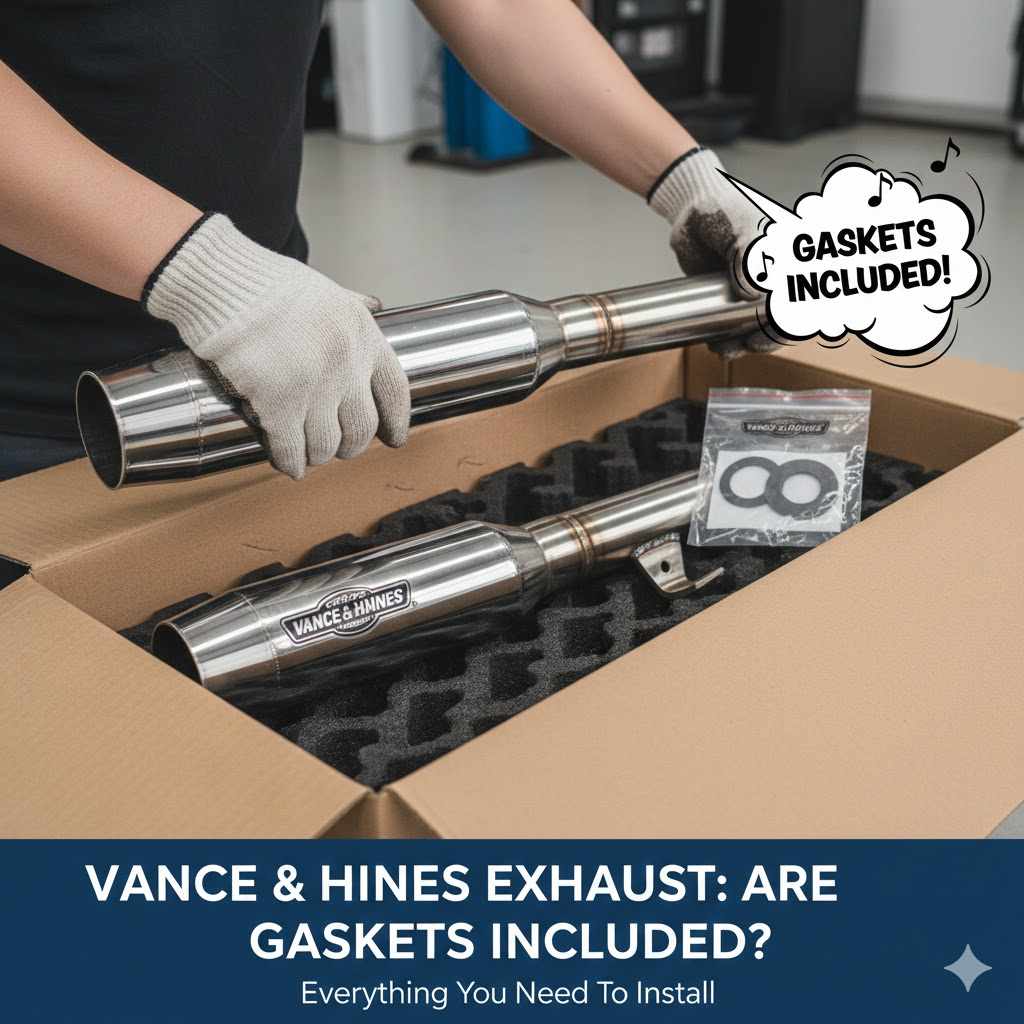
Do Vance and Hines Exhausts Include Gaskets
Getting new exhaust pipes for your motorcycle can be super exciting. You’re looking at Vance and Hines, which are known for making bikes sound and look better. But a small but common question pops up for people getting started: Do Vance and Hines Exhausts Come With Gaskets? It might seem like a tiny detail, but it can cause a bit of confusion when you’re buying. Don’t worry, though. We’re going to break this down nice and easy, step by step, so you know exactly what to expect. Let’s find out what’s in the box.
Vance And Hines Exhausts Gasket Inclusion
This section explains whether Vance and Hines exhaust systems typically include the necessary gaskets for installation. It covers the general practice of exhaust manufacturers regarding gaskets and what riders should anticipate when purchasing their products. Knowing this upfront helps in preparing for the installation process and avoids last-minute trips to the auto parts store.
What Are Exhaust Gaskets and Why They Matter
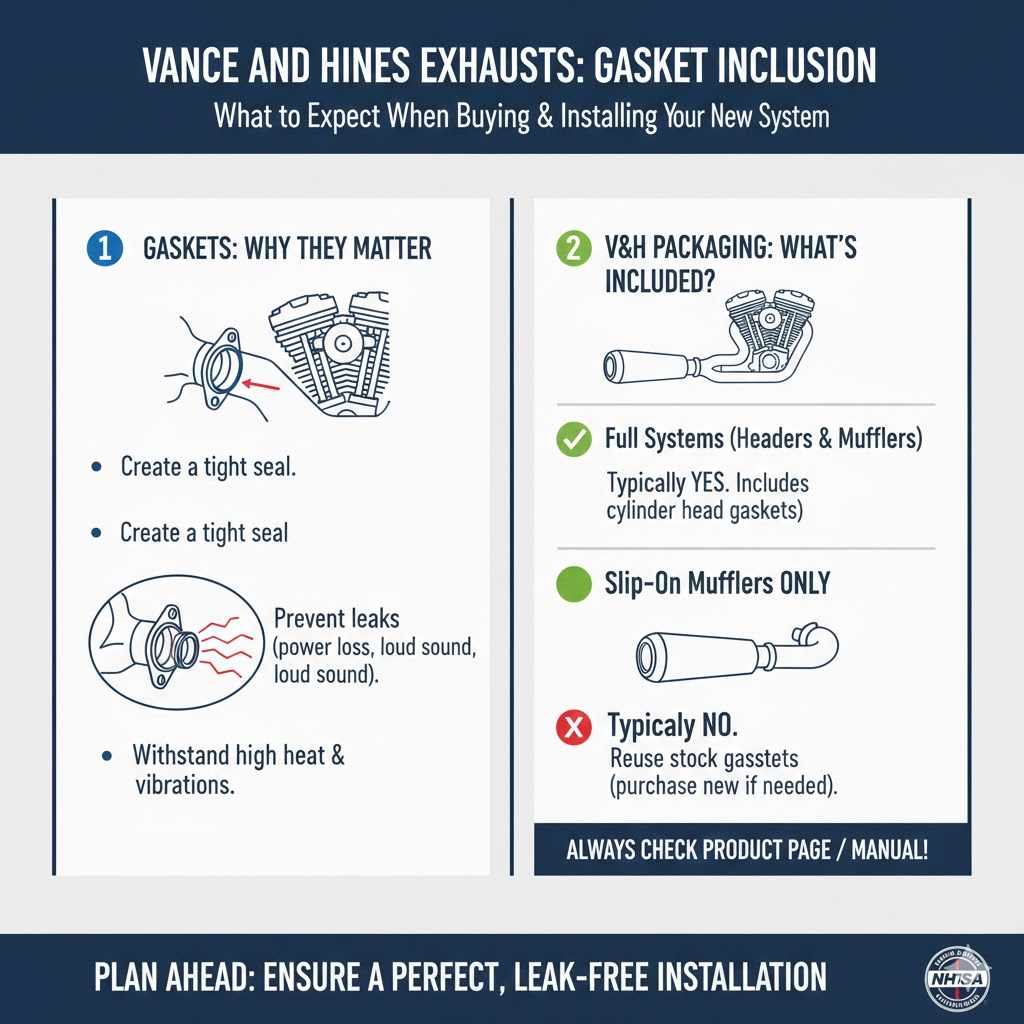
Exhaust gaskets are vital components in your motorcycle’s exhaust system. They are essentially seals placed between two mating surfaces, typically the exhaust pipe and the cylinder head or muffler. Their main job is to create a tight seal, preventing exhaust gases from leaking out. Leaks can cause several problems, including a loss of engine performance, a change in the exhaust note (often to a louder, raspier sound), and in some cases, can even lead to engine damage over time if the leaks are severe and consistent. They also help to dampen vibrations between the connected parts.
A proper seal ensures that all the exhaust gases are directed through the intended path, which includes the catalytic converter (if present) and the muffler. This is crucial for emissions control and for achieving the desired sound and performance characteristics Vance and Hines systems are known for. Without a good seal, the exhaust gases escape before they have gone through the full exhaust system, making it less effective.
The materials used for exhaust gaskets vary, but they are generally made from heat-resistant materials like composite fibers, metal alloys, or a combination of both. This is because the exhaust system operates at very high temperatures, and the gaskets must withstand these conditions without degrading or failing. Over time, these gaskets can wear out or become brittle, especially with exposure to heat cycles and vibrations. This is why it’s often recommended to replace them whenever you remove and re-install an exhaust component, even if they look okay initially.
Understanding Vance and Hines Product Packaging
Vance and Hines, as a prominent manufacturer of aftermarket exhaust systems, often provides a comprehensive package to their customers. However, the inclusion of gaskets can vary depending on the specific exhaust system model and the part of the exhaust system it
On the other hand, if you are purchasing only mufflers or slip-on systems, they might assume you are reusing your existing header pipe gaskets, or that those are sold separately by the vehicle manufacturer. This is a common practice in the aftermarket industry. It’s always best to check the product description on Vance and Hines’ official website or the retailer’s page where you are making the purchase. Look for a “what’s included” section or a parts list. If it’s not explicitly mentioned, it’s wise to assume they may not be included.
This attention to detail in checking the product’s contents can save you significant time and frustration during installation. Encountering a situation where you’ve installed half of your new exhaust system only to realize you’re missing a crucial sealing component can put your project on hold.
Do Vance and Hines Exhausts Come With Gaskets The Definitive Answer
The direct answer to the question “Do Vance and Hines Exhausts Come With Gaskets?” is not a simple yes or no for every single product. Vance and Hines’ offerings are quite diverse, ranging from full systems that replace everything from the head pipes to the mufflers, to slip-on mufflers that attach to your existing head pipes. For their full exhaust systems, it is more common for them to include the gaskets needed for the connection points, especially at the cylinder head.
However, for slip-on mufflers, Vance and Hines generally expects you to reuse the stock gaskets that connect the slip-on mufflers to the head pipes. If your original gaskets are old, damaged, or you simply want new ones to ensure a perfect seal, you will likely need to purchase these separately. The same applies if you are replacing just a section of the exhaust. Always refer to the specific product’s parts list or installation instructions, which are usually available for download on the Vance and Hines website. This is the most reliable way to confirm what’s in the box for your particular purchase.
Common Scenarios for Gasket Inclusion
When purchasing a Vance and Hines exhaust, the inclusion of gaskets often depends on the scope of the system you’re buying. For instance, if you’re opting for a full system that replaces your motorcycle’s stock header pipes, collector box (if applicable), and mufflers, Vance and Hines is more likely to supply the necessary gaskets for the connections between the new head pipes and the engine cylinders. They aim to provide a complete installation solution for their top-tier products.
However, if you’re buying a slip-on muffler system, which is designed to bolt onto your existing stock header pipes, the expectation is typically that you will reuse the original gaskets that connect the headers to the mufflers. This is a standard industry practice because the fitment is designed around the original header pipe dimensions. In these cases, new gaskets are usually not included, and it’s up to the rider to determine if their current gaskets are in good condition or need to be replaced.
This distinction is crucial for riders to understand. It helps in budgeting for the installation and ensuring you have all the required parts before you start the job. A quick look at the product’s manual or online description will clarify this for any specific Vance and Hines exhaust you consider.
Benefits Of New Exhaust Systems
This section will delve into the advantages of upgrading to a new exhaust system, such as Vance and Hines. It will cover improvements in performance, sound, aesthetics, and potentially weight savings, highlighting why riders choose aftermarket exhausts.
Performance Gains Explained
Upgrading to a performance exhaust system like those from Vance and Hines can significantly impact your motorcycle’s performance. Aftermarket exhausts are designed with smoother internal tubing, optimized pipe diameters, and more efficient muffler designs compared to stock systems. These improvements reduce backpressure, allowing the engine to breathe more freely.
When an engine can intake air and expel exhaust gases more easily, it can generate more power. This often translates to noticeable increases in horsepower and torque, especially in the mid-range and top end of the RPM band. For example, a rider might experience quicker acceleration and a higher top speed after installing a Vance and Hines system. These gains are not just theoretical; they are a direct result of better airflow dynamics within the exhaust system.
The specific performance gains can vary greatly depending on the motorcycle model, the specific exhaust system chosen, and whether other engine modifications, such as an engine management system or air filter upgrade, are also made. Vance and Hines systems are engineered to complement the specific characteristics of various engines, aiming to unlock their full potential without compromising reliability.
The Signature Vance And Hines Sound
One of the most appealing aspects of Vance and Hines exhausts is the distinctive sound they produce. They are renowned for creating a deep, throaty, and aggressive exhaust note that many riders find far more pleasing than the often muted sound of stock systems. This unique sound is achieved through careful design of the muffler baffling and the overall length and diameter of the exhaust pipes.
The sound is not just about being loud; it’s about the quality and tone. Vance and Hines engineers work to produce a sound that is rich and resonant, enhancing the riding experience. Whether it’s a rumbling idle or a roaring acceleration, the sound contributes significantly to the character of the motorcycle and the rider’s connection to it.
Many riders choose Vance and Hines specifically for this signature sound. It’s a part of the brand’s identity and a key reason for its popularity in the motorcycle aftermarket. The sound can also serve as an audible signal to other vehicles, potentially increasing safety.
Aesthetic Enhancements For Your Motorcycle
Beyond performance and sound, Vance and Hines exhausts are also celebrated for their stylish designs, which can dramatically enhance the overall look of a motorcycle. They offer a wide variety of finishes, shapes, and styles, from sleek and minimalist to bold and aggressive, allowing riders to customize their bikes to match their personal taste.
A new exhaust can transform the profile of a motorcycle. Replacing bulky, utilitarian stock mufflers with custom-designed Vance and Hines pipes can make a bike appear leaner, sportier, and more modern. Popular finishes include chrome, black ceramic, and brushed stainless steel, each offering a different aesthetic appeal.
The attention to detail in the craftsmanship of Vance and Hines exhausts means they not only perform well but also look like a high-quality upgrade. This visual transformation is a significant part of the appeal for many motorcycle enthusiasts who see their bikes as an extension of their personal style.
Weight Savings Opportunities
Stock exhaust systems are often made from heavier materials like steel to meet durability and cost requirements. Aftermarket exhausts, like those from Vance and Hines, frequently utilize lighter materials such as stainless steel, titanium, or aluminum. This material choice can lead to substantial weight reduction for the motorcycle.
Reducing the overall weight of a motorcycle can improve its handling, acceleration, and braking performance. A lighter bike is generally more agile, easier to maneuver at low speeds, and can feel more responsive. For sportbikes or performance-oriented cruisers, weight savings can be a critical factor in optimizing the riding dynamics.
Vance and Hines often provides detailed specifications for their exhaust systems, including weight comparisons with stock parts. This allows riders to see the tangible benefits of shedding pounds from their motorcycle. The combined improvements in power, sound, looks, and weight make Vance and Hines a compelling choice for many riders looking to elevate their riding experience.
Installation Considerations For Vance And Hines
This section focuses on the practical aspects of installing a Vance and Hines exhaust system. It will cover the tools, skills, and common challenges encountered, along with advice on ensuring a smooth and successful installation.
Essential Tools For Exhaust Installation
To successfully install a Vance and Hines exhaust system, having the right tools is essential. Most installations will require a basic socket set with various metric sizes, along with a few specific tools. You’ll likely need wrenches, including an adjustable wrench, and possibly Allen keys or Torx bits depending on the fasteners used by Vance and Hines and your motorcycle’s manufacturer.
A torque wrench is a critical tool for exhaust installation. Proper torque specifications are vital for ensuring a secure fit and preventing leaks. Over-tightening can damage components or strip threads, while under-tightening can lead to leaks and rattles. It’s important to consult the installation manual for the correct torque values for each fastener.
Other helpful tools might include a pry bar to gently position pipes, a wire brush to clean mounting surfaces, and a lubricant or anti-seize compound to ease installation and prevent future seizing of fasteners. Safety equipment, such as gloves and eye protection, should always be worn during any mechanical work. Having a service manual for your specific motorcycle model is also highly recommended as it provides detailed diagrams and torque specifications.
Preparing Your Motorcycle For Installation
Before you begin installing your new Vance and Hines exhaust, proper preparation of your motorcycle is key. First, ensure the bike is stable. Using a motorcycle stand or a secure lift is highly recommended. This provides safe access and prevents the bike from tipping over during the process.
Next, allow the exhaust system to cool down completely if the motorcycle has been recently ridden. Exhaust components can become extremely hot, posing a burn risk. Once cooled, you’ll need to gather all the necessary tools and parts, including your new Vance and Hines exhaust system, any included hardware, and, importantly, any gaskets you may need to purchase separately.
Cleanliness is also important. Before removing the old exhaust, take the opportunity to clean the areas around the mounting points. This will make it easier to see what you’re doing and prevent dirt and debris from contaminating new connections. Inspect the connection points on the engine where the new exhaust will attach. If there’s any rust or carbon buildup, clean these surfaces thoroughly to ensure a good seal with your new exhaust.
The Step-By-Step Installation Process
The installation of a Vance and Hines exhaust generally follows a logical sequence. First, carefully remove the stock exhaust system. This usually involves loosening and removing bolts and clamps holding the headers and mufflers in place. Keep track of all the removed parts and fasteners, as some might be reusable, though it’s often best to use new hardware provided with the aftermarket system or purchased separately.
Once the old exhaust is off, prepare the connection points on the engine. Clean any old gasket material or carbon buildup from the cylinder head ports. Install any new gaskets that came with your Vance and Hines system, or the ones you purchased. If no gaskets are specified for a particular connection in the instructions, ensure the mating surfaces are clean and smooth.
Next, begin installing the new Vance and Hines components, usually starting with the header pipes. Loosely attach all fasteners at this stage. This allows for adjustment to ensure proper alignment of all parts. Once the headers are in place, attach the mid-pipe or collector, and then the mufflers. After everything is loosely assembled and aligned, go back and tighten all fasteners according to the manufacturer’s torque specifications. Double-check all connections for tightness and proper fitment.
Common Installation Challenges And Solutions
One of the most common challenges during exhaust installation is dealing with seized or rusted bolts. Motorcycle exhaust components are exposed to heat, moisture, and road salt, which can cause fasteners to become incredibly difficult to remove. A penetrating oil, applied generously and allowed to soak in, can help loosen rusted bolts. Gentle tapping with a hammer on the bolt head can also break the rust bond. If a bolt head strips, specialized bolt extractors might be necessary.
Another challenge is achieving proper alignment of the new exhaust pipes. Sometimes, the new pipes might not perfectly line up with the mounting brackets or the rest of the exhaust. This is where loosely fitting fasteners initially becomes important. You can often manipulate the pipes to get them into the correct position. Ensuring the motorcycle is on a level surface and that the exhaust is supported correctly can also aid in alignment.
Sometimes, exhaust leaks can occur even after installation. This is often due to improper seating of gaskets, overtightened or undertightened fasteners, or damaged mating surfaces. If you suspect a leak, you can often hear it as a hissing or puffing sound. A common method to check for leaks is to carefully run the engine and feel around the connections for escaping exhaust gases, or use a soapy water solution to look for bubbles. If leaks persist, re-checking torque values and ensuring all mating surfaces are clean and flat is crucial.
Troubleshooting And Maintenance Tips
This section provides guidance on common issues that may arise after installing an exhaust system and offers tips for its long-term care and maintenance to ensure optimal performance and longevity.
Identifying And Fixing Exhaust Leaks
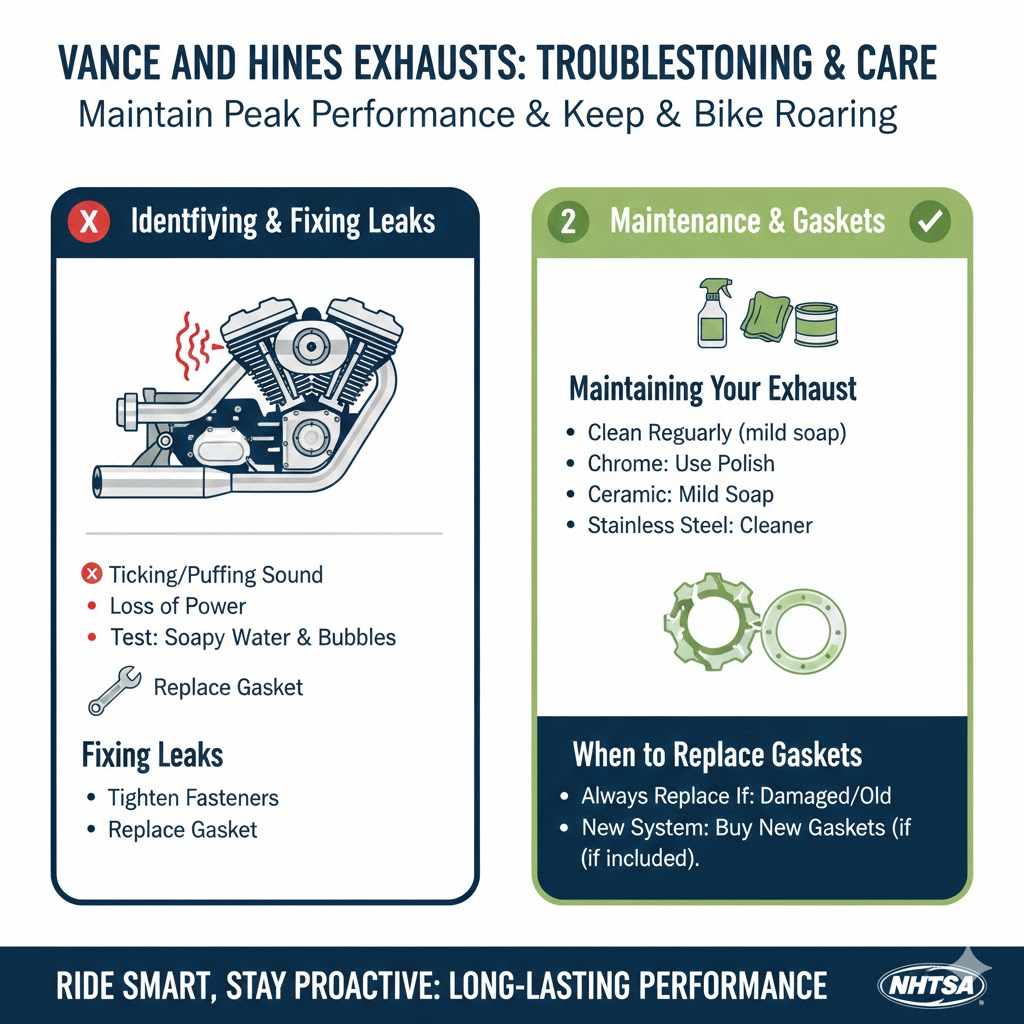
Exhaust leaks are a primary concern after any exhaust system installation, including Vance and Hines. A leak typically sounds like a ticking or puffing noise, often more pronounced when the engine is cold and diminishing as it warms up and materials expand. You might also notice a loss of power or a change in the exhaust note.
To identify a leak, first ensure the engine is cool. Then, start the motorcycle and listen carefully around all connection points—where the headers meet the engine, where pipes join together, and where mufflers attach. You can use a piece of paper or a shop rag to waft around these areas; if the paper is blown away or the rag flutters, you’ve likely found a leak. Another method is to spray a soapy water solution onto the suspect areas. Bubbles forming indicate escaping gases.
Fixing leaks usually involves tightening the fasteners at the leaking joint. If tightening doesn’t resolve the issue, the gasket may be damaged or improperly seated. In this case, you’ll need to disassemble the joint, clean the mating surfaces,
Maintaining Your Vance And Hines Exhaust
Regular maintenance will keep your Vance and Hines exhaust looking and performing its best. For chrome finishes, regular cleaning with a soft cloth and a mild soap solution is recommended. For stubborn carbon buildup or discoloration, specialized chrome polishes can restore shine. Avoid abrasive cleaners or pads, which can scratch the chrome.
Black ceramic finishes are generally durable but can be sensitive to certain chemicals. Cleaning with mild soap and water is usually sufficient. For more challenging marks, consult Vance and Hines’ recommendations or use products specifically designed for ceramic-coated exhausts. Avoid harsh solvents that can damage the coating.
Stainless steel exhausts are corrosion-resistant and relatively low maintenance. Regular washing will keep them clean. For brushed finishes, polishing with a stainless steel cleaner can help maintain the brushed look and remove swirl marks. Over time, exhaust systems can accumulate soot and carbon deposits internally. While this is a normal part of operation, very heavy buildup could potentially affect performance. Periodic checks, especially if you notice a decline in performance, are a good idea.
When To Replace Exhaust Gaskets
Exhaust gaskets are wear items and have a finite lifespan. They are subjected to extreme heat, pressure, and vibration, which can cause them to degrade, harden, crack, or compress over time. It is generally recommended to replace exhaust gaskets whenever you remove and re-install exhaust components, especially if the old gaskets show any signs of wear or damage.
If you are installing a new Vance and Hines exhaust system and the product does not explicitly state that new gaskets are included for all connection points, it is prudent to purchase a new set. This is particularly true for slip-on mufflers where stock gaskets are intended to be reused. Old, brittle gaskets are a common cause of exhaust leaks and can compromise the performance gains from your new exhaust.
Even if your existing gaskets look intact, if they are several years old or have been subjected to many heat cycles, their sealing ability might be compromised. Replacing them proactively is a small investment that can prevent the frustration and performance issues associated with exhaust leaks. Always refer to your motorcycle’s service manual or the Vance and Hines installation guide for recommended gasket replacement intervals or procedures.
Dealing With Corrosion And Discoloration
Exhaust systems, even high-quality ones like Vance and Hines, can be susceptible to corrosion and discoloration due to the harsh operating environment. Discoloration, often appearing as blue or brown hues on stainless steel or chrome, is usually caused by excessive heat. This is a common occurrence and not necessarily a sign of a defect, but it can affect the aesthetic appeal.
For chrome, specialized chrome polish can help mitigate discoloration and restore shine. However, some heat-induced bluing can be permanent. Stainless steel can also discolor, but often responds well to specific stainless steel cleaners. Some high-performance exhausts are coated to prevent or delay discoloration.
Corrosion, such as rust, is more common on lower-quality materials or on components that are constantly exposed to moisture and road salt. Vance and Hines uses quality materials, but protecting them is still important. Keeping the exhaust clean and dry, and applying protective coatings or polishes designed for automotive or motorcycle exhausts, can help prevent rust and other forms of corrosion. Regular inspection for any signs of rust, especially around welds and seams, is advisable. Promptly addressing any surface rust with a wire brush and a suitable protective coating can prevent it from spreading.
Frequently Asked Questions
Question: Do Vance and Hines exhaust systems always come with new header pipe gaskets?
Answer: Not always. While some full systems might include them, slip-on mufflers typically assume you will reuse your stock header pipe gaskets. Always check the product’s contents list.
Question: What happens if I don’t replace my old exhaust gaskets?
Answer: You are likely to experience exhaust leaks. This can lead to a loss of engine performance, increased noise, and potentially engine damage over time.
Question: Can I buy Vance and Hines exhaust gaskets separately?
Answer: Yes, Vance and Hines often sells replacement gaskets and hardware kits separately. You can also find universal exhaust gaskets at most auto parts stores.
Question: How can I tell if my current exhaust gaskets are bad?
Answer: Signs include ticking or puffing noises from the exhaust, a noticeable loss of power, or visible signs of damage like cracking or crumbling on the old gasket.
Question: Are the installation instructions for Vance and Hines exhausts detailed enough for a beginner?
Answer: Vance and Hines generally provides clear installation instructions. However, if you are a complete beginner, watching installation videos for your specific motorcycle model and exhaust can be very helpful.
Final Thoughts
When purchasing Vance and Hines exhausts, it’s important to verify if gaskets are included for your specific model. While some full systems do, slip-on mufflers often require you to reuse your old ones or buy new ones separately. Always check the product details or contact the seller to avoid surprises during installation. This ensures a proper seal for optimal performance and sound.