Do Carb Heat Shields Work on Hot Engines? Exploring the Science
Thinking about how to keep your engine running smoothly? You might be wondering, Do Carb Heat Shields Work on Hot Engines? It’s a common question, especially for those just starting out with engine maintenance. Don’t worry, it’s not as tricky as it sounds! This post will break it down in a simple, step-by-step way. We’ll explore exactly what carb heat shields do, why they matter, and how they can affect your engine’s performance. Next, we will check some of the essential parts of the process, ensuring you have the information you need.
What Carb Heat Shields Are and Why They’re Used
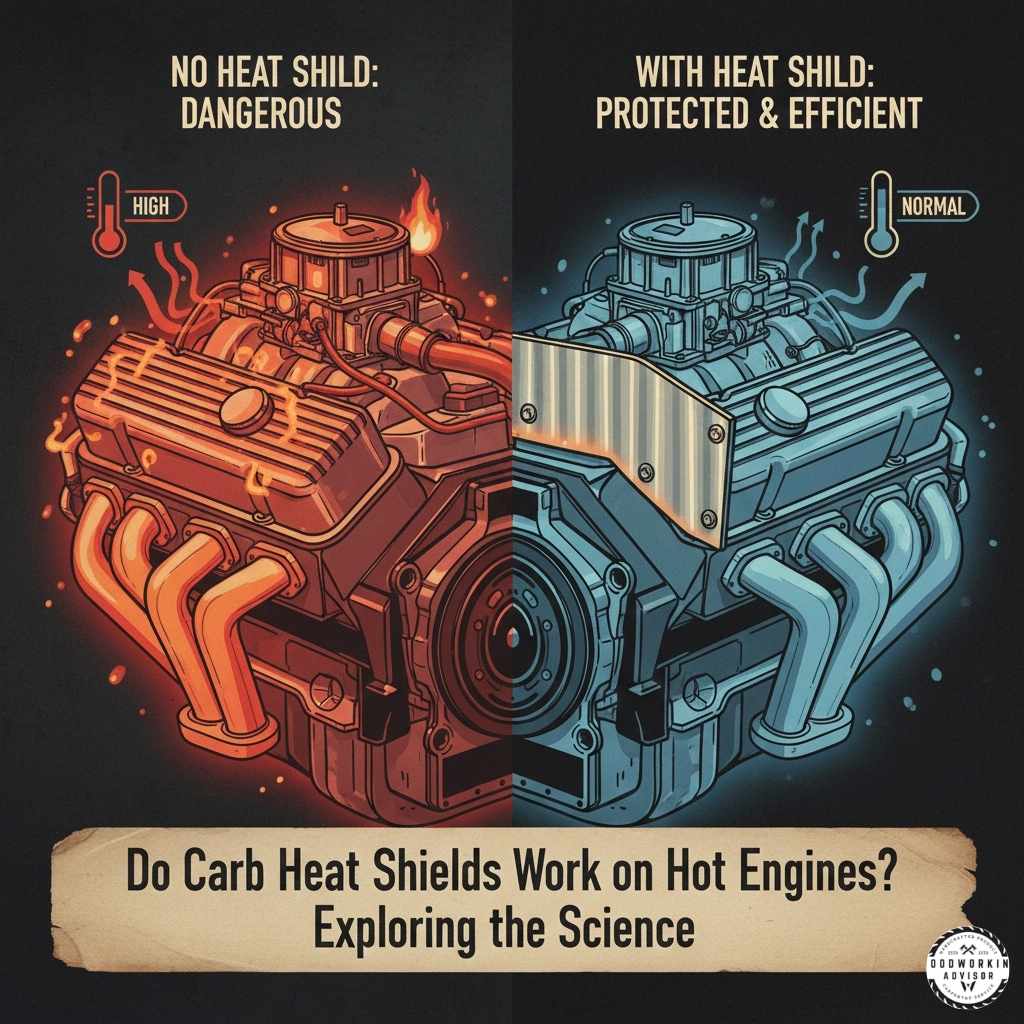
A carb heat shield is like a protective blanket for your engine’s carburetor. It’s usually made from metal and sits between the carburetor and the engine’s exhaust manifold. Its main job is to block heat from the engine from reaching the carburetor. The carburetor mixes air and fuel, and if it gets too hot, the fuel can vaporize before it’s supposed to, causing engine problems. Essentially, it helps the engine run more efficiently by keeping the fuel at the right temperature.
These shields are particularly important in older cars and vehicles with carburetors, where the carburetor can be directly exposed to the engine’s heat. By reducing heat transfer, the shield helps maintain the correct air-fuel mixture, improving engine performance and preventing issues like vapor lock. This simple component plays a significant role in keeping your engine running smoothly and reliably, especially under demanding conditions.
The Purpose of Carb Heat Shields
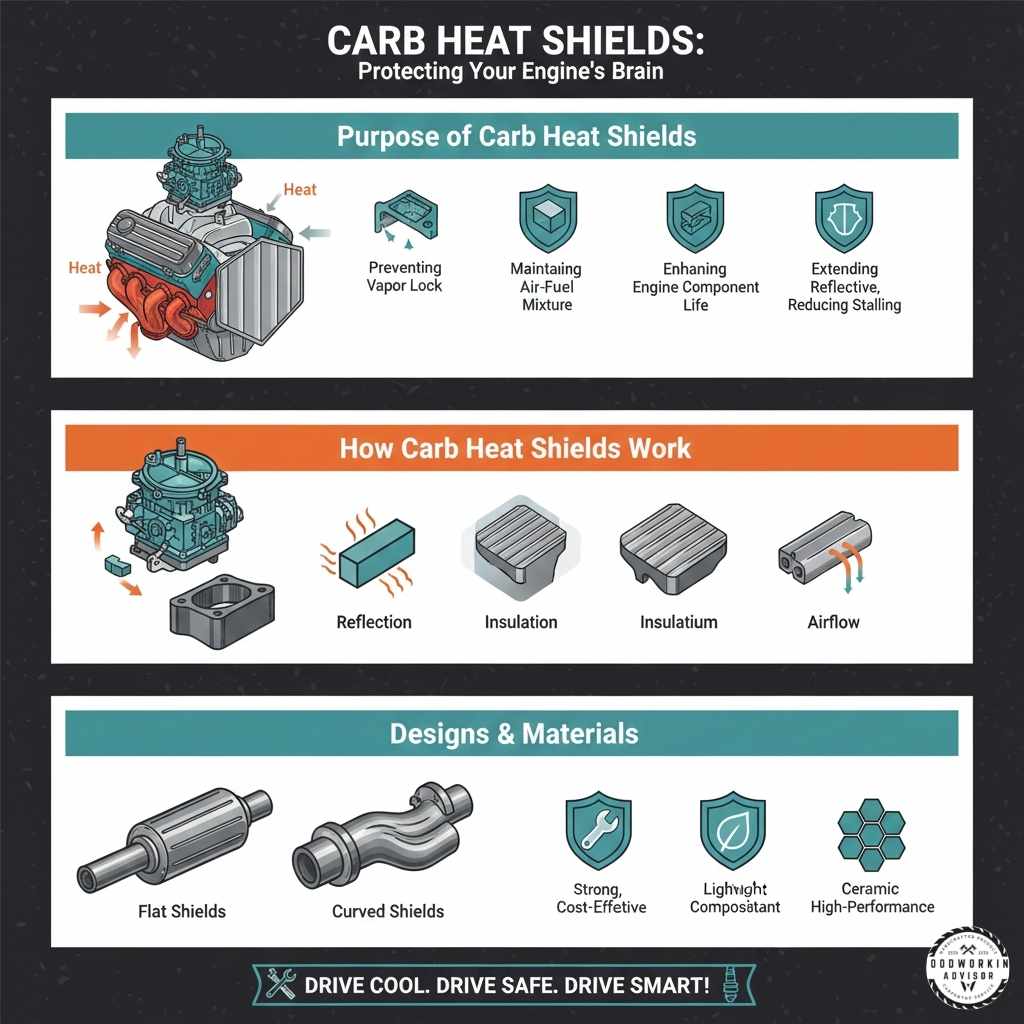
The primary function of carb heat shields is heat management. They are specifically designed to minimize the impact of engine heat on the carburetor, safeguarding optimal performance. This is achieved by creating a barrier, reflecting heat away from the carburetor and maintaining fuel temperatures within a favorable range. By doing this, the shield ensures that the air-fuel mixture remains consistent, preventing common issues related to overheating.
- Preventing Vapor Lock: Vapor lock occurs when the fuel in the fuel lines turns into vapor due to excessive heat, blocking the flow of liquid fuel to the carburetor. A carb heat shield prevents this.
- Maintaining Air-Fuel Mixture: A stable temperature is vital for the carburetor’s fuel metering. A shield helps the carburetor maintain the correct air-fuel ratio, resulting in better engine performance and efficiency.
- Enhancing Engine Efficiency: By keeping the carburetor cool, the engine burns fuel more efficiently. This leads to better gas mileage and reduced emissions.
- Extending Component Life: The constant heat exposure can degrade carburetor components over time. Shields reduce this wear and tear, extending the lifespan of the carburetor.
- Reducing the Risk of Stalling: Overheated carburetors can cause engines to stall, especially in hot weather or heavy use. Carb heat shields can reduce this.
The importance of a carb heat shield is hard to overstate. It’s an essential part, designed to manage the heat generated by the engine. Without it, you might face issues like engine stalling or poor performance. The heat shield’s function is centered on providing a reliable layer of protection, which is essential for ensuring your vehicle runs smoothly.
How Carb Heat Shields Work
Carb heat shields operate on simple principles of heat transfer. They use a combination of reflection and insulation to protect the carburetor from excess heat. The design is engineered to reflect radiant heat away from the carburetor, reducing its exposure to extreme temperatures. Simultaneously, the materials used in their construction serve as an insulator, reducing heat transfer through direct contact. This dual approach ensures that the carburetor remains within a safe operating temperature, improving overall engine performance.
- Reflection: The surface of the heat shield, usually metal, is designed to reflect radiant heat away from the carburetor.
- Insulation: The materials used in the shield provide some insulation, preventing heat from directly transferring to the carburetor.
- Airflow: The design may also incorporate air gaps, allowing for some airflow around the carburetor to further cool it.
By preventing excessive heat from reaching the carburetor, heat shields help maintain the correct air-fuel mixture. They prevent the fuel from vaporizing prematurely, thus avoiding issues like engine stalling or poor performance. This is the simple but effective technology that goes into maintaining your engine’s health.
Materials Used in Carb Heat Shields
The type of material used for carb heat shields is essential to their effectiveness. Materials are chosen for their heat-resistant properties, strength, and ability to reflect heat. Several materials are commonly used, each bringing its benefits to the table. These materials are chosen to withstand high temperatures and ensure the shield lasts. The right materials are what allows the shields to do their job, keeping your engine safe.
Here are some of the materials typically found in carb heat shields, along with their characteristics.
Common Materials and Their Properties
Carb heat shields are constructed from materials chosen for their heat-resistant capabilities. These materials need to withstand high temperatures without degrading. The choice of material impacts how effective the shield is at blocking heat. Different materials have different levels of heat reflection, insulation, and durability. These characteristics will decide the overall performance of the shield and how well it protects the engine.
- Steel: Steel is a popular material for carb heat shields due to its strength and ability to withstand high temperatures. It’s often coated with a reflective material to enhance its heat-reflecting properties.
- Durability: Steel provides a sturdy barrier against heat and physical damage.
- Cost-Effectiveness: It is generally an affordable option compared to more specialized materials.
- Aluminum: Aluminum is lightweight and has excellent heat-reflecting properties. It’s frequently used in performance applications and can be highly effective at deflecting heat away from the carburetor.
- Lightweight: Helps to reduce the overall weight of the vehicle.
- Heat Dissipation: Aluminum quickly dissipates heat, keeping the carburetor cooler.
- Ceramic Fiber: Ceramic fiber is a highly effective insulator. It is often used in combination with other materials to provide an additional layer of thermal protection.
- Thermal Insulation: This helps to minimize heat transfer.
- Temperature Resistance: It can withstand extremely high temperatures.
- Stainless Steel: Similar to regular steel, stainless steel is durable and corrosion-resistant. This makes it a great choice for areas with harsh conditions.
- Corrosion Resistance: It resists rust and other forms of corrosion, extending the shield’s lifespan.
- Heat Resistance: Stainless steel can handle high temperatures without losing its strength.
These materials work together to create an effective barrier. They ensure that the carburetor remains at the right temperature for optimal performance. The choice of material affects the shield’s durability, heat resistance, and efficiency.
Comparing Shield Materials
The performance of a carb heat shield is determined by the material. Factors like heat reflection, insulation capacity, and resistance to corrosion play a key role. While various materials can be used, their efficiency varies based on their characteristics. This comparison assists in better understanding the trade-offs.
| Material | Key Features | Pros | Cons |
|---|---|---|---|
| Steel | Durability, Coated for reflection | Strong, affordable | Can be heavy, may corrode without coating |
| Aluminum | Lightweight, High reflectivity | Light, efficient heat reflection | Can be more expensive, less durable than steel |
| Ceramic Fiber | Insulation, Heat resistance | Excellent thermal barrier | Typically used with other materials, may be less durable on its own |
| Stainless Steel | Corrosion resistance, Heat resistance | Long-lasting, resistant to rust | More expensive than standard steel |
The ideal material for a carb heat shield should balance heat reflection, insulation, and durability. Your choice should take into account the conditions and the specific needs of your engine.
Performance Effects: Do Carb Heat Shields Work on Hot Engines?
The impact of carb heat shields on engine performance is clear. They help regulate the carburetor’s temperature, which leads to improvements in several areas. The shield prevents the fuel from vaporizing before combustion, ensures better fuel efficiency, and can extend the life of engine parts. These shields play a role in making sure the engine runs smoothly and efficiently.
By protecting the carburetor from excessive heat, these shields help maintain the correct air-fuel mixture, crucial for optimal engine function. The shields support better combustion and prevent common issues such as vapor lock or engine stalling. This makes the engine run efficiently.
Improving Engine Efficiency and Performance
By regulating the temperature, the shields help improve fuel efficiency and overall engine performance. The shields keep the fuel from vaporizing too early, which ensures that the engine is getting the right mixture of air and fuel. This is important for smooth and efficient engine operation. Carb heat shields contribute to a more efficient and effective engine.
- Enhanced Fuel Efficiency: Shields prevent fuel vaporization, resulting in more complete combustion.
- Consistent Engine Performance: A stable fuel supply ensures consistent engine operation.
- Reduced Risk of Stalling: Shields lower the chances of stalling, especially in hot conditions.
- Better Throttle Response: They help the engine respond more smoothly to throttle input.
- Lower Emissions: Proper fuel mixing can lead to reduced emissions.
By controlling the temperature near the carburetor, these shields ensure the engine’s performance. The result is better fuel efficiency, smoother operation, and reduced issues like stalling.
Real-World Examples and Case Studies
The effects of carb heat shields can be seen in various applications. These examples show how the shields can affect engine performance and efficiency. They illustrate the practical benefits of using carb heat shields to protect engines from overheating. These case studies highlight the real-world advantages of carb heat shields.
- Classic Car Restoration: A mechanic restores a vintage car with a carburetor. They add a carb heat shield. The owner notices better fuel economy, and the engine starts more reliably in hot weather.
- Performance Tuning: A driver wants to modify the engine in their car. They install a high-performance carburetor and a carb heat shield. They see improved acceleration and smoother engine operation under heavy loads.
- Hot Rod Builds: Enthusiasts building a hot rod with a powerful engine pay careful attention to heat management. They include a carb heat shield to prevent vapor lock and ensure consistent performance during drag races.
These real-life examples highlight the practical benefits of carb heat shields. They illustrate how these simple components can improve engine performance.
Installation and Maintenance of Carb Heat Shields
Proper installation is key to ensuring that carb heat shields function correctly. Whether you are adding a new shield or maintaining an existing one, following the right steps is essential. Careful installation guarantees that the shield will work effectively. Regular maintenance extends the shield’s life and effectiveness. This section provides insights into installing and maintaining these components.
By following these steps, you can ensure that your carb heat shield works efficiently, providing reliable engine performance and protection. Correct installation and maintenance of these shields are critical for maximum performance.
Installing a Carb Heat Shield
Installing a carb heat shield is a straightforward process. The basic steps will help you install the shield correctly. This process usually involves attaching the shield to the exhaust manifold or directly to the carburetor. Proper installation assures that the shield functions effectively. Following these steps can help you get the job done right.
- Preparation: Ensure the engine is cold. Gather all necessary tools and the carb heat shield.
- Positioning: Place the shield between the carburetor and the engine’s exhaust manifold.
- Mounting: Secure the shield using the provided hardware, ensuring it fits snugly.
- Alignment: Verify that the shield is aligned correctly to maximize heat protection.
- Final Check: Inspect the installation to make sure all parts are secure.
By following these steps, you can set up a carb heat shield that will provide dependable heat protection. Taking these simple steps is a good way to improve the performance of your engine.
Maintenance and Inspection
Regular maintenance is essential to keep a carb heat shield working. Routine inspections can help identify any wear or damage. Proper care will extend the shield’s effectiveness and its lifespan. Regular maintenance ensures the shield operates at its peak level. These inspections are useful for making sure the shield is in good shape.
- Regular Inspection: Inspect the shield for any signs of damage or corrosion.
- Cleaning: Remove any dirt or debris that might reduce the shield’s efficiency.
- Tightening: Check and tighten any bolts or fasteners to ensure a secure fit.
- Replacement: Replace a shield if it shows significant wear or damage.
- Professional Check: Have your mechanic inspect the shield during regular service checks.
By performing these maintenance steps, you can extend the life and effectiveness of your carb heat shield. Taking care of your equipment is the best way to keep your engine running smoothly.
Frequently Asked Questions
Question: Why is a carb heat shield needed?
Answer: A carb heat shield is needed to protect the carburetor from engine heat, preventing issues such as vapor lock, maintaining the proper air-fuel mixture, and improving overall engine performance.
Question: What materials are carb heat shields made of?
Answer: Carb heat shields are often made of steel, aluminum, ceramic fiber, or stainless steel, chosen for their heat resistance and reflective properties.
Question: How do carb heat shields affect engine performance?
Answer: Carb heat shields improve engine performance by increasing fuel efficiency, ensuring consistent engine operation, reducing the risk of stalling, and improving throttle response.
Question: How do you install a carb heat shield?
Answer: Installing a carb heat shield usually involves positioning it between the carburetor and exhaust manifold, then securing it with the correct hardware.
Question: What maintenance is required for a carb heat shield?
Answer: Maintenance includes regular inspections for damage, cleaning off any debris, and tightening any loose bolts or fasteners.
Final Thoughts
So, Do Carb Heat Shields Work on Hot Engines? The short answer is, absolutely! Carb heat shields are a smart addition to your engine system, helping maintain optimal temperature levels. They are key to preventing fuel-related issues and ensuring your engine operates smoothly. They boost efficiency and extend the life of your engine parts. Think of it as a small investment that delivers significant returns in terms of performance and reliability. By adding one, you’re taking a step toward more dependable performance.
If you’re looking to improve your engine’s operation, consider adding a carb heat shield. Regularly check and maintain your shield. These are simple steps to ensure your engine runs at its best. Taking care of your equipment is a great way to ensure a smooth, efficient ride.