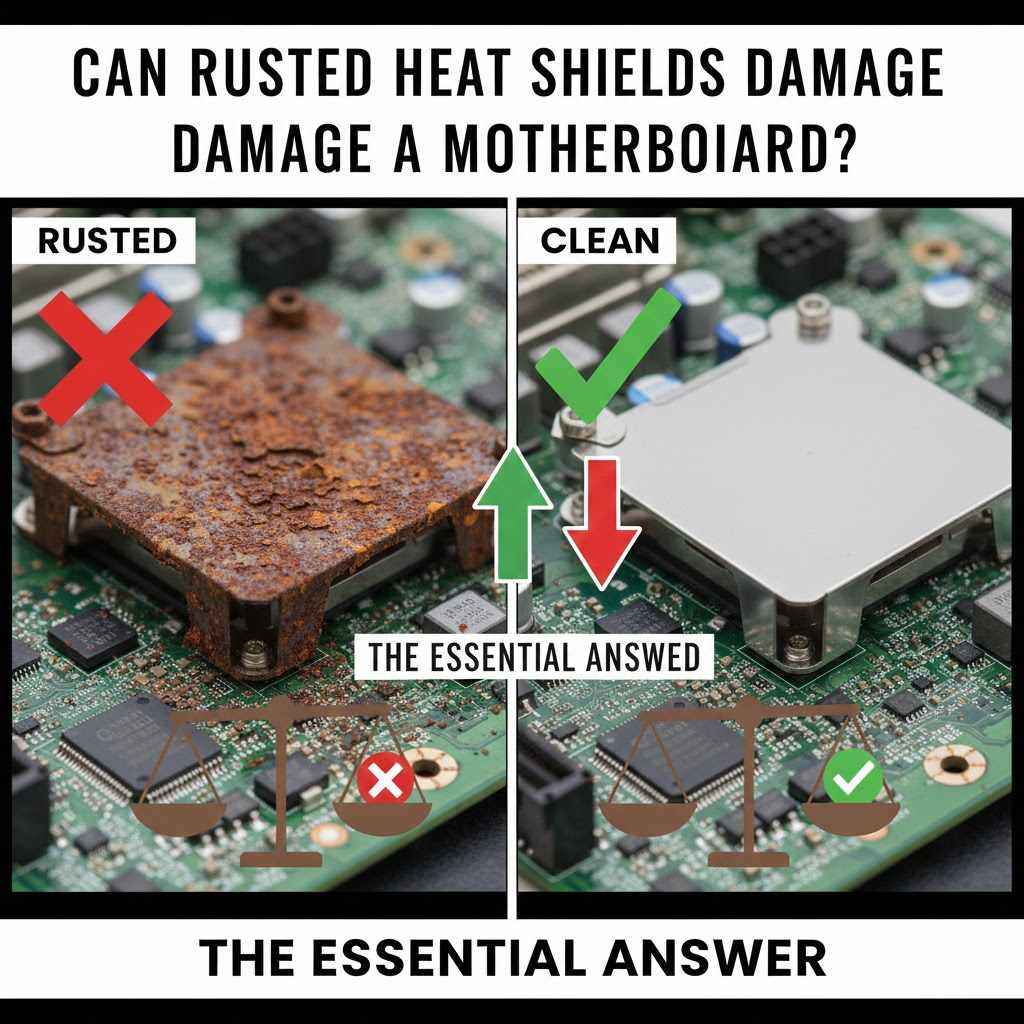
Can Rusted Heat Shields Damage a Motherboard
It’s a question many PC builders wonder about: can rusted heat shields hurt your motherboard? If you’ve ever looked at an older computer part, you might have seen rust. It can look concerning. For people new to building or fixing computers, this can be a confusing worry. But don’t fret! We will break down this problem easily and show you exactly what to do. Let’s figure out if those rusty bits are really a threat to your precious motherboard.
Understanding Rusted Heat Shields and Motherboard Health
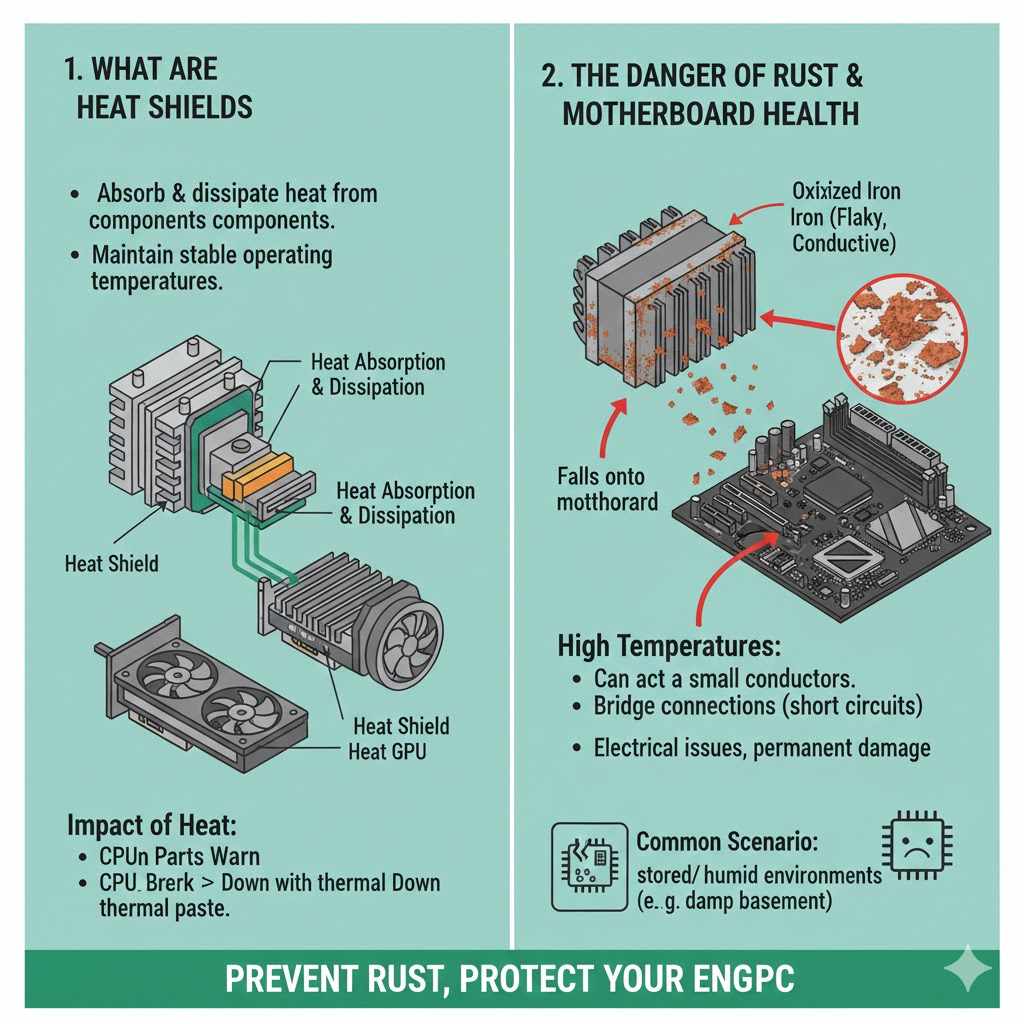
When we talk about heat shields on computer components, like graphics cards or CPUs, their main job is to keep things cool. They help spread out heat so sensitive parts don’t get too hot. Over time, especially in humid or unclean environments, metal parts can rust. This rust can be powdery or flaky. If this rust gets loose, it might fall onto other parts of your computer, including the motherboard. The big question is whether this rust causes harm.
Rust is basically oxidized iron. When iron meets oxygen and moisture, it degrades. This flaky rust can act like a small conductor. It’s not metal anymore in its pure, safe form. This can be a problem for delicate electronic circuits on a motherboard. Imagine tiny metal particles getting into places they shouldn’t be. They could bridge connections that aren’t supposed to be connected, causing shorts or other electrical issues.
This concern is more common with older hardware or systems that have been stored improperly. For instance, a computer that sat in a damp basement for years might develop rust on its heat sinks. When you try to turn it on, you might worry about the rust. It’s a valid concern for anyone who wants to keep their computer running smoothly for a long time. We’ll explore how this rust can form and what dangers it might pose. We’ll also cover ways to prevent it and what to do if you find it.
What Are Heat Shields and Their Function
Heat shields are pieces of metal, often aluminum or copper, designed to absorb and dissipate heat from electronic components. Think of the large metal fins on a CPU cooler. Those are heat sinks, a type of heat shield. They help to move heat away from the processor, preventing it from overheating. Without effective heat management, components can suffer performance issues or even permanent damage.
These shields are vital for maintaining stable operating temperatures. Modern CPUs and GPUs generate significant heat during demanding tasks. The heat shields work in tandem with fans to ensure this heat is expelled from the computer case. They are usually directly attached to the component they are cooling, often with thermal paste in between to ensure good contact. This direct contact is crucial for efficient heat transfer.
Can Rusted Heat Shields Damage a Motherboard
Yes, rusted heat shields can potentially damage a motherboard. The concern arises from the nature of rust itself. Rust is iron oxide, and it is electrically conductive, though less so than pure metal. When rust flakes off, these small particles can fall onto the motherboard’s surface. If these particles land between sensitive components or traces on the motherboard, they can create unintended electrical pathways.
This can lead to short circuits. A short circuit happens when electricity flows where it is not supposed to. It can cause components to malfunction, overheat, or even fail completely. Imagine a tiny piece of rust bridging two electrical pads that should be separate. The electricity would take this new, unintended path, bypassing intended circuits. This is particularly dangerous for the delicate parts of a motherboard.
Furthermore, rust is often a sign of material degradation. The flaky nature of rust means it can easily become airborne or transfer to other surfaces. If a rusted heat shield is near the motherboard, there’s a direct risk of contamination. The small, sharp edges of rust particles could also potentially scratch delicate circuitry if they are disturbed.
This issue is not unique to PC components. In other electronics, rust on conductive parts can cause similar problems. For example, rust on the pins of an old connector can prevent proper signal transmission or cause shorts. Therefore, addressing rust on any conductive component near a motherboard is a wise precaution.
The Conductivity of Rust
Rust, or iron oxide, is a semiconductor. This means it can conduct electricity, but not as well as metals like copper or aluminum. The conductivity can vary depending on the specific composition of the rust, its density, and its moisture content. However, even low conductivity can be problematic in the high-density electronic environments of modern motherboards.
Think about it this way: a motherboard has incredibly fine traces, like tiny wires etched onto a circuit board. These traces carry electrical signals. If a small particle of rust lands on two different traces that should be isolated, it can complete a circuit where one wasn’t intended. This can lead to unintended current flow.
A study from the University of Science and Technology found that even thin layers of iron oxide can affect the electrical properties of circuits. While it might not cause an immediate catastrophic failure, it could lead to intermittent issues, performance degradation, or long-term damage. The moisture content in rust can also play a role. Damp rust can be more conductive than dry rust, increasing the risk of shorts.
This is why cleaning and preventing rust are important. Even if a piece of rust doesn’t cause an immediate problem, its presence suggests a potential for future issues. It’s like leaving a small piece of metal on an electrical outlet – it might not spark right away, but it’s a risk.
Moisture and Corrosion’s Role
Moisture is the primary catalyst for rust formation. When metal components are exposed to high humidity, condensation, or liquid spills, the oxidation process speeds up dramatically. This is why older computers stored in basements, garages, or attics, environments prone to dampness, are more likely to have rusted parts.
The corrosion process doesn’t just stop at the surface. It can eat away at the metal, weakening its structure. As the rust flakes off, it carries away tiny particles of the degraded metal. These particles are the conductive debris that can cause problems for the motherboard.
A scenario to consider is a computer case that has been in a damp environment for a long time. The internal components, including the heat sinks on graphics cards or CPU coolers, can start to corrode. If the case is then moved or opened, this loose rust can fall. It might land directly on the motherboard’s surface, near critical chips or connectors.
This is a passive risk. You don’t need to be actively doing anything to trigger it. Simply having a rusted component in proximity to the motherboard is enough to pose a danger. The humidity levels themselves can also sometimes affect the motherboard directly, but rust from a heat shield adds an extra layer of conductive contamination.
How Rust Can Affect Motherboard Components
When rust finds its way onto a motherboard, it can impact various components. The most vulnerable areas are the smaller integrated circuits, the capacitors, the resistors, and the conductive traces themselves. Each of these elements relies on precise electrical signals to function correctly.
Short Circuits on Traces and Connectors
The fine copper traces on a motherboard are essential for data and power transfer. If rust particles bridge two adjacent traces, they can create a short circuit. This can cause an abnormal flow of electricity, potentially burning out the traces or the components connected to them. Similarly, rust can interfere with connectors, such as the RAM slots or PCIe slots, by creating poor contact or causing shorts.
Imagine trying to send a signal down a wire, but a small piece of metal is accidentally connecting that wire to another one nearby. The signal gets confused, or worse, it overloads the wires. This is what a short circuit from rust can do. The motherboard relies on these pathways being clean and precise.
Damage to Capacitors and Resistors
Capacitors are designed to store electrical energy, and resistors are used to control the flow of electricity. Rust particles can land on or around these components. If they bridge terminals on a capacitor or resistor, they can alter the intended electrical behavior. This might lead to the component failing or causing other parts of the motherboard to work incorrectly.
Some capacitors have very fine leads. Rust could accumulate around these leads, creating a path for electricity that bypasses the capacitor’s intended function. This could affect power regulation and stability on the motherboard.
Interference with Integrated Circuits (ICs)
Integrated circuits, or ICs, are the “brains” of the motherboard, containing millions of transistors. These ICs have extremely small pins or solder points. If rust particles settle on these points, they can create unintended connections between the pins. This can confuse the IC, cause it to malfunction, or even lead to permanent damage.
The delicate nature of IC pins means even tiny particles can cause significant problems. Think of the pins on a CPU or a small chipset. They are very close together. A speck of rust, though small to us, can be large enough to bridge several of these pins.
Preventing Rusted Heat Shields from Damaging Your Motherboard
The best approach to dealing with potential rust damage is prevention. By taking proactive steps, you can significantly reduce the risk of rust affecting your computer’s components. This involves maintaining a clean environment and proper storage of hardware.
Environmental Control
Keeping your computer in a climate-controlled environment is key. Avoid high humidity areas like basements, garages, or bathrooms. Aim for a stable temperature and humidity level. Dehumidifiers can be useful in particularly damp climates. Keeping your computer well-ventilated also helps prevent moisture buildup inside the case.
Good airflow is essential not just for cooling but also for preventing condensation. When warm, moist air comes into contact with cooler components, condensation can form. This moisture is a primary driver for rust. Therefore, ensuring your computer has proper ventilation, with fans working correctly, is a good first step.
Regular Cleaning and Inspection
Periodically cleaning your computer’s interior can help remove dust and prevent moisture from accumulating. Dust can trap moisture, creating a breeding ground for corrosion. When cleaning, use compressed air to blow out dust and a soft brush to gently dislodge any stubborn particles.
When inspecting, look for any signs of corrosion on metal parts, especially around heat sinks and fan blades. If you spot rust, it’s crucial to address it before it becomes a significant problem. This inspection should be part of your routine computer maintenance.
Proper Storage of Components
If you are storing computer parts, especially older ones, it’s important to do so correctly. Use anti-static bags and store them in a dry, cool place. Avoid storing them in cardboard boxes, which can absorb moisture. Consider using silica gel packets to absorb any ambient moisture.
For long-term storage, especially of sensitive components like motherboards or graphics cards, consider placing them in sealed containers with desiccant packs. This creates a barrier against moisture and helps maintain a dry environment around the hardware.
Dealing with Existing Rust
If you discover rust on heat shields or other metal components near your motherboard, don’t panic. There are steps you can take to clean and mitigate the damage. The key is to be gentle and thorough.
Cleaning Rusted Parts
For minor rust spots on heat shields, you can often clean them using a soft brush and a mild cleaning solution. Isopropyl alcohol (90% or higher) is a good option because it evaporates quickly and is safe for most electronics. You can apply it to a brush or a cotton swab and gently scrub the rusted area.
If the rust is more stubborn, you might need a rust remover designed for electronics or metal. Always test any cleaner on a small, inconspicuous area first. After cleaning, ensure the part is completely dry before reassembling or powering on the system.
A common scenario is finding a light dusting of rust on the fan blades of an old CPU cooler. You can carefully wipe these down with a cotton swab dipped in isopropyl alcohol. Make sure no liquid drips down into the fan motor.
Replacement of Heavily Rusted Components
If a heat shield or other component is heavily rusted, it might be too compromised to safely clean. In such cases, replacement is the best option. A heavily rusted heat sink may not perform its cooling function effectively anymore, and the risk of flaking rust is much higher.
For example, if the heat sink on a graphics card is deeply corroded, it’s often more practical and safer to replace the entire graphics card. For CPU coolers, if the fins are significantly rusted, consider upgrading to a new cooler. This ensures both the cooling performance and the electrical safety of your system.
Testing After Cleaning
After cleaning or replacing rusted parts, it’s crucial to test your system. Boot up your computer and monitor its performance. Listen for any unusual noises and check for any error messages. You can also use diagnostic software to check for hardware issues.
Run a stress test on your CPU and GPU to see if they maintain stable temperatures. If you used to experience problems that you suspect were related to rust, see if those issues are resolved. This step confirms that your cleaning or replacement efforts were successful.
Real-World Examples and Scenarios
To illustrate the potential impact of rusted heat shields, let’s look at some practical situations. These examples highlight how this problem can manifest and what the outcomes might be.
Case Study 1 A Revived Vintage PC
A user decided to restore an old desktop computer from the late 1990s. The PC had been stored in a slightly damp garage for over a decade. Upon opening the case, they noticed significant rust on the metal brackets and a light dusting on the CPU heat sink. They were concerned about powering it on.
After carefully cleaning the CPU heat sink with isopropyl alcohol and a soft brush, they also cleaned the metal case brackets. They let everything dry thoroughly. When they powered on the PC, it booted up without issue. However, a week later, the system started experiencing random shutdowns. Further inspection revealed that some of the rust particles had settled near the northbridge chip on the motherboard, causing intermittent shorts. The motherboard ultimately failed. This highlights that even minor rust can pose a long-term threat if not completely removed and if the underlying cause (dampness) isn’t addressed.
Scenario 1 The Dusty Attic Find
Imagine you find an old gaming PC in your attic that hasn’t been used in 15 years. You’re excited to see if it still works. You open it up and see that the metal components, including the heat sinks on the graphics card and motherboard, have developed a layer of orange dust, which is rust.
If you simply plug it in and try to turn it on, there’s a high chance that the rust particles could short out some components. You might hear a pop, smell burning, or see smoke. The motherboard could be permanently damaged right from the first power-on attempt.
Case Study 2 A Cautionary Tale of a Server Room
In a small office, the server room had a persistent humidity problem. Over time, the metal chassis of the servers and the heat sinks on their components began to show signs of rust. One day, a critical server started experiencing data corruption errors.
An IT technician investigated and found that rust particles from the server’s internal heat sinks had flaked off and landed on the motherboard. These particles were bridging connections on the RAM slots, causing memory errors. The affected motherboard had to be replaced, leading to significant downtime and data loss. This incident prompted the office to invest in better climate control for the server room.
Scenario 2 A Recently Purchased Used Component
You buy a used graphics card online from a seller. When it arrives, you notice some orange discoloration on the fan shroud and the edges of the heat sink. You suspect it might be rust.
Before installing it, you should thoroughly clean it. Use compressed air to blow out any loose dust and rust particles. Then, use isopropyl alcohol on cotton swabs to clean the visible rust. If the rust is deep or widespread, you might consider if the risk of installing it is worth it, or if you should request a refund or return. Installing a potentially compromised component could damage your entire system.
Statistics on Component Failure and Corrosion
While specific statistics on “rusted heat shields damaging motherboards” are rare, general data on component failure due to environmental factors can be informative.
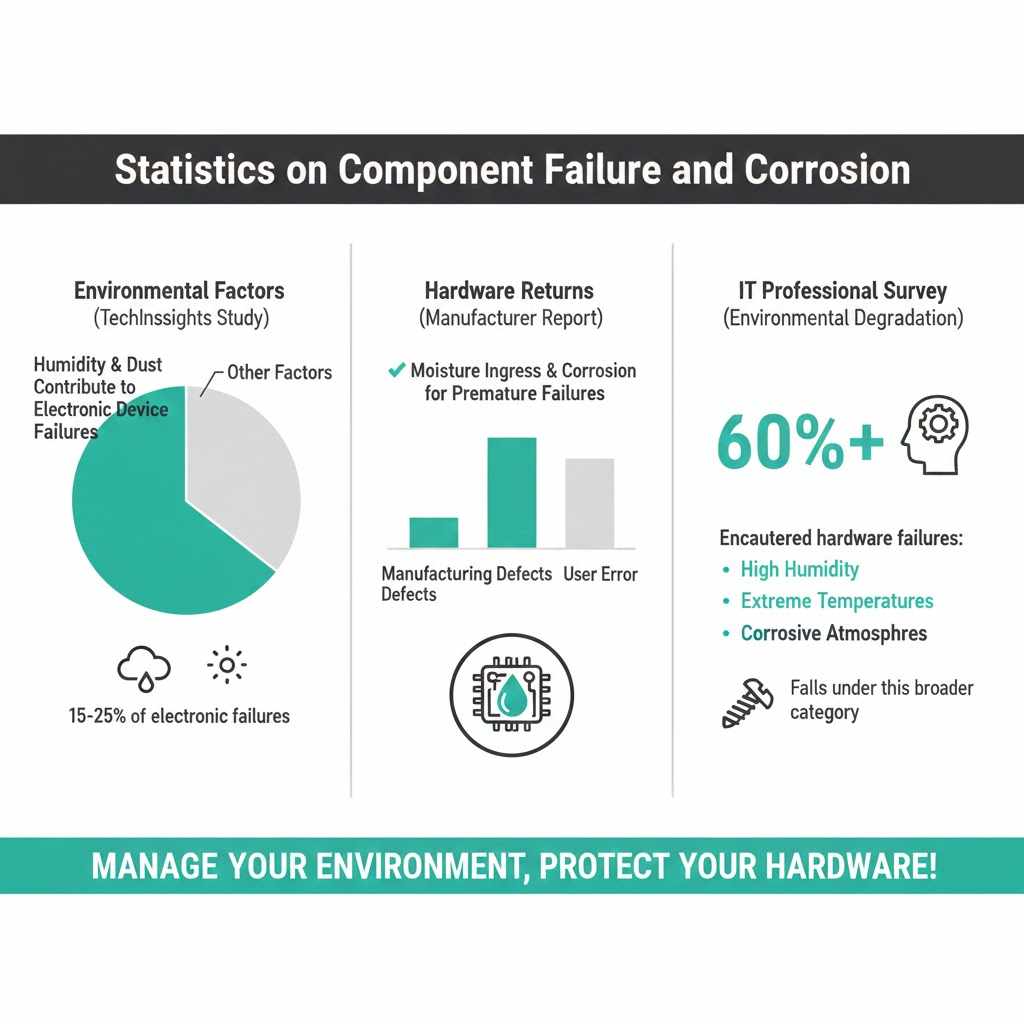
According to a study by TechInsights, environmental factors like humidity and dust contribute to a significant percentage of electronic device failures. While exact figures vary by product and industry, studies suggest that 15-25% of electronic failures can be attributed to environmental conditions.
Another report by a major electronics manufacturer indicated that moisture ingress and subsequent corrosion are among the top three reasons for hardware returns and premature failures in consumer electronics. This emphasizes the importance of managing environmental conditions.
A survey of IT professionals revealed that over 60% of respondents have encountered hardware failures directly linked to environmental factors such as high humidity, extreme temperatures, or corrosive atmospheres. While rust from heat shields is a specific manifestation, it falls under this broader category of environmental degradation.
Frequently Asked Questions
Question: Can I just clean the rust with a dry cloth
Answer: No, a dry cloth might just spread the rust around and could scratch delicate components. It’s better to use isopropyl alcohol and a soft brush or cotton swab for effective cleaning.
Question: How much rust is too much rust
Answer: Any visible rust on components near the motherboard is a concern. If the rust is flaky, deep, or compromising the structural integrity of the heat shield, it’s a significant risk.
Question: Will cleaning rust void my warranty
Answer: Cleaning minor rust is generally considered user maintenance. However, heavily corroded parts that require replacement might affect warranty terms, especially if the corrosion is due to improper storage or environmental damage.
Question: Can I prevent rust on new components
Answer: New components are typically coated or made of rust-resistant materials. The best prevention is to keep your computer in a stable, dry environment and ensure good airflow.
Question: What if I accidentally damage the motherboard while cleaning
Answer: If you’re unsure or uncomfortable cleaning, it’s best to seek professional help. Mishandling components can cause damage. A repair shop can safely clean or assess the motherboard.
Summary
In short, yes, rusted heat shields can damage a motherboard. The rust is conductive and can cause short circuits, especially on delicate traces and components. Prevention is key by controlling humidity and keeping components clean. If you find rust, clean it carefully with isopropyl alcohol or replace heavily corroded parts. Always test your system afterward to ensure everything is working correctly. Being aware of this potential issue helps you protect your computer.