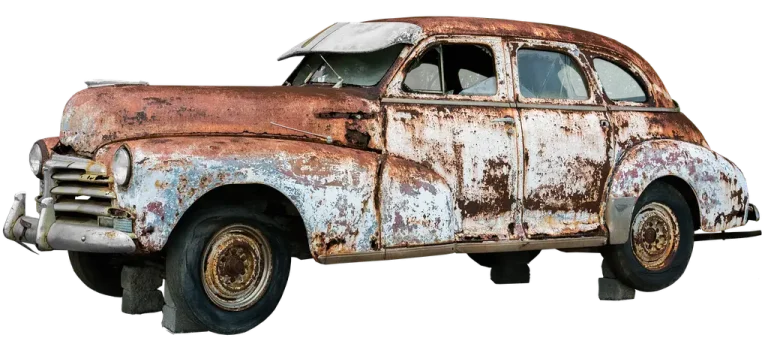
Best Exhaust Materials for Winter Driving (2026): Research Shows
For winter driving, 304 stainless is the most salt-resistant common exhaust material; 409 stainless is the better-value compromise for most snow states; and aluminized steel is the budget option with the shortest life in salted-road use. Underbody rust usually starts at seams, clamps, hangers, and welds, not the straight pipe itself.
That ranking is consistent with material specs and winter corrosion testing: 304 is an austenitic stainless grade with higher chromium-nickel corrosion resistance, 409 is a ferritic stainless grade commonly used in OEM exhausts, and road-salt exposure accelerates underbody corrosion when brine and moisture remain on the vehicle after driving. ASTM material standards and winter-corrosion test methods support that difference. [ASTM A240/A240M, ASTM A176, SAE J2334, FHWA winter maintenance guidance]
Choosing the right exhaust material for winter
For most drivers, 409 stainless is the best winter balance of price and durability. It is what many OEM-style exhausts use because it handles salted roads better than coated steel without the premium of 304 stainless.
Choose 304 stainless if your roads see heavy brine, repeated snowpack, or long-term ownership. Choose aluminized steel only when the vehicle is a short-term hold, the climate is mild, or the price gap matters more than lifespan.
Road salt speeds corrosion because it keeps moisture conductive and active on the metal surface. In winter, exhaust parts also face repeated wet/dry cycles, heat cycling, and trapped slush, which is why clamps, hangers, and welds often fail before the main tube. [FHWA winter maintenance guidance, SAE J2334]
Quick comparison
| Material | Winter salt resistance | Cost | Best for | Recommendation |
|---|---|---|---|---|
| Aluminized steel | Lowest; coating can fail after chips and seam wear | Lowest | Budget repairs, mild winters, shorter ownership | Use only if cost comes first |
| 409 stainless steel | Good; better than aluminized steel in salt and moisture | Middle | Most winter commuters, OEM-style replacement | Best balance for most drivers |
| 304 stainless steel | Highest common street-use resistance | Highest | Heavy salt exposure, long ownership, premium builds | Best for maximum corrosion resistance |
The table is the short version: 409 is the balanced pick, 304 is the premium rust barrier, and aluminized steel is the budget fallback. For vehicles that stay outside, see salted roads often, or make many short trips, stainless is the safer choice because moisture and brine linger longer underneath.
How we chose
The ranking below weighs corrosion resistance in salt, slush, and spray first, then cost versus expected winter lifespan. It also accounts for common failure points: pipes, mufflers, resonators, welds, clamps, and hangers.
The comparison also reflects common vehicle patterns. A front-wheel-drive commuter that lives on salted city streets has a different risk profile than a truck with more ground clearance, and a car that only makes short trips will trap more condensation inside the system than a highway cruiser.
Finally, this guide treats stainless as a family of alloys, not one category. 304 and 409 behave differently in winter, and that difference matters more than generic “stainless” marketing language.
Aluminized steel: best for budget
Aluminized steel makes sense when upfront cost matters most and you plan to keep the vehicle for a shorter period. It uses an aluminum-silicon coating that slows rust at first, so it can be a practical entry-level choice for milder winters.
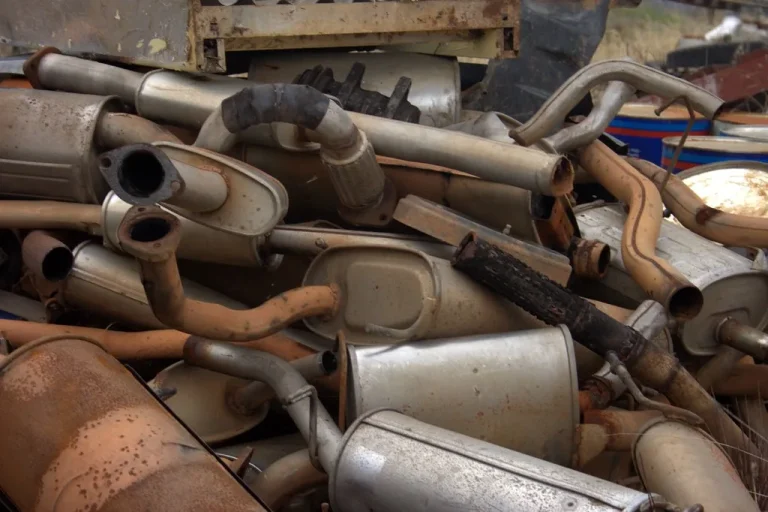
That protection is limited once the coating is damaged. Road salt, moisture, and stone chips expose bare steel, and corrosion can move fast from the outside in, especially around seams and welded joints.
On salted roads, the first failures are often hangers, clamps, and welded seams rather than the straight pipe. Once the coating breaks down, the system can thin quickly in the low-clearance sections that catch spray and slush.
409 stainless steel: best for most winter drivers

- T304 stainless offers strong salt resistance for winter roads
- 16-gauge walls add durability over thinner gauge options
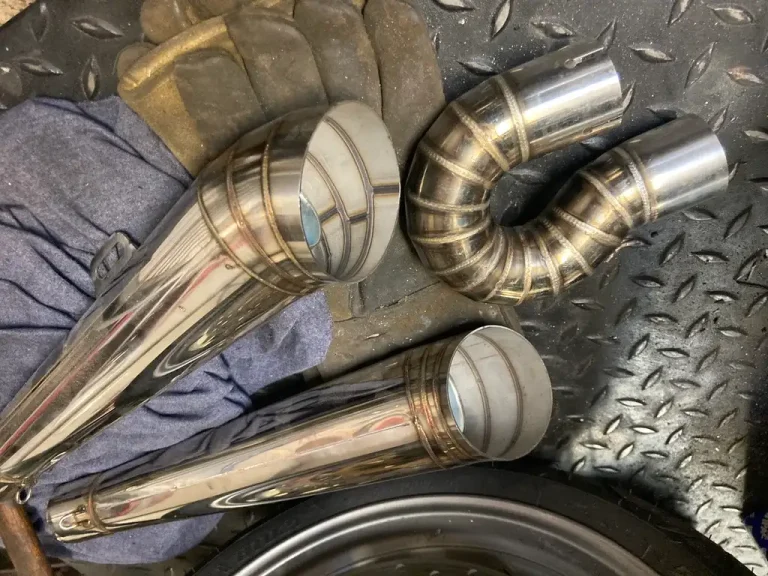
- 16-piece kit includes straights, 90s, 45s, and U-bends
409 stainless is the common winter compromise. It is a ferritic stainless alloy used widely in exhaust systems because it resists corrosion better than aluminized steel without the price jump of 304 stainless.
This matters for salt-state daily driving. It handles winter moisture and road spray better than coated steel, while staying close to a sensible price for a full exhaust system or replacement sections.
Magnetism is only a clue, not a verdict. A magnetic exhaust part can still be a solid winter choice if it is 409 stainless and the rest of the system is built well.
304 stainless steel: best for maximum corrosion resistance

- 409 stainless provides solid salt-corrosion resistance at lower cost
- Hi-Tuck design raises ground clearance for off-road winter use
- MIG-welded construction is strong and durable
304 stainless is the strongest street-use choice for salt resistance. It is an austenitic stainless alloy and, in most cases, is non-magnetic. Its corrosion resistance is better than 409 stainless because the alloy chemistry is designed for tougher corrosion environments. [ASTM A240/A240M]
The tradeoff is cost. You pay more up front for material that resists corrosion longer, especially on vehicles that see constant spray, repeated brine exposure, or longer ownership periods.
For heavy-salt regions, 304 is the cleanest answer when the goal is to delay rust as long as possible. It is also the more logical premium option if you plan to keep the vehicle through multiple winters and want fewer replacement cycles.
Winter exhaust material decision table

| Material | Corrosion resistance | Typical price tier | Expected winter durability | Magnetic / non-magnetic behavior | Best use case |
|---|---|---|---|---|---|
| Aluminized steel | Limited once coating is chipped or scratched | Low | Shortest in salted-road use | Usually magnetic | Budget replacement, mild winters, shorter ownership |
| 409 stainless steel | Better than aluminized steel in salt and moisture | Mid | Good in moderate winter exposure | Usually magnetic | Most winter commuters, OEM-style replacements, mixed climates |
| 304 stainless steel | Highest for street use | High | Longest in heavy salt exposure | Non-magnetic in most cases | Heavy-salt states, long ownership, premium upgrades |
| Titanium | Very high corrosion resistance | Very high | Excellent, but poor value for most street cars | Typically non-magnetic | Specialty builds where weight and price are not primary concerns |
Climate rule: mild salt use points to aluminized steel if budget is tight, but 409 stainless is the safer long-term buy; heavy salt use points to 304 stainless; garage-kept vehicles can stretch 409 or aluminized steel farther; short-trip commuters should favor stainless because condensation stays in the system longer; trucks and SUVs benefit from 409 or 304 because winter underbody exposure is still severe even with more ground clearance.
Which one should you buy?
For most buyers, start with 409 stainless. It is the best balance of winter durability and price when the vehicle sees salted roads but not the worst possible rust-belt treatment.
If you live where roads stay brined for long stretches, choose 304 stainless. It costs more, but the extra salt resistance is worth it when replacement labor, downtime, and repeated underbody work would add up.
If the vehicle is a garage-kept spare or a short-term hold, aluminized steel can still make sense. Just expect a shorter winter life and inspect it more often.
A full-size truck that runs highway miles through slush, then idles on short errands all week, is hard on mufflers and hangers. In that pattern, 409 or 304 is the smarter bet because heat cycling and trapped moisture accelerate corrosion at joints and seams.
Titanium is not the usual winter value pick. It resists corrosion well, but the price is far above the stainless options, so it rarely makes sense for ordinary snow-and-salt driving.
How stainless steel compares with aluminized steel for winter


- 304 stainless steel resists rust, corrosion, and moisture well
- Non-directional straight-through core simplifies installation
- Ceramic fiber filling handles extreme exhaust heat
Stainless steel is better than aluminized steel for winter because it keeps resisting corrosion after the surface gets wet, sprayed, and heated over and over. Aluminized steel depends on its coating, and once that coating is damaged, rust can move quickly.
The difference shows up under the car. Exhaust parts down there face heat cycling, water spray, salt buildup, and low-clearance mounting at the same time. That is why winter rust often starts at clamps, hangers, seams, and welds before the main tube fails. [SAE J2334, FHWA winter maintenance guidance]
For drivers in mild climates, aluminized steel can be acceptable if cost is the priority. For salted-road commuting, stainless is the better buy because it usually delays the first rust repairs and buys more winters before replacement.
Does road salt rust exhaust systems faster?
Yes. Road salt speeds up corrosion, especially when it gets trapped on the underbody and stays wet in slush or spray. It is one of the main reasons winter exhausts rust faster than summer exhausts, and the damage is worse on low-mounted parts that catch residue.
The exhaust does not fail from salt alone. Moisture, repeated freezing and thawing, and short trips that never fully dry the system also matter. Together, they create a common winter rust pattern that attacks the underside of the vehicle first.
Regular rinsing after salted roads helps reduce the buildup. Even a good stainless system benefits from washing away brine before it sits on hardware and seams.
How long should a winter exhaust last?
A winter exhaust can last many seasons, but lifespan depends more on material and exposure than on mileage alone. 304 stainless usually lasts the longest, 409 stainless follows, and aluminized steel is the shortest-lived in salted-road use.
Climate severity changes the answer quickly. Mild salt use with garage storage is much easier on an exhaust than heavy salt use, frequent slush, and repeated short trips that leave condensation inside the system.
Check the hardware as well as the pipe. If clamps, hangers, or welds start to rust badly, the exhaust may sag, leak, or rattle even when the main tube still looks usable.
Should you choose 304 or 409 stainless for winter use?
Choose 304 stainless when salt exposure is heavy or when you want the highest corrosion resistance for street use. Choose 409 stainless when you want a strong winter compromise at lower cost and your climate is salty but not extreme.
409 is the common OEM-style choice because it does a solid job without pushing the price into premium territory. 304 is the better rust barrier, but you pay more for that extra margin.
The right choice depends on how long you will keep the vehicle and how harsh your roads are. For a long-term keeper in a northern commuter pattern, 304 is easier to justify. For a normal daily driver, 409 usually gives the better value.
Is titanium worth it for a winter-driven vehicle?
Usually no. Titanium resists corrosion very well, but it costs far more than stainless options, so it is rarely the best value for winter driving. Most owners will get a better cost-to-longevity result from 304 stainless, or even 409 in moderate climates.
Titanium may make sense on specialty builds where weight, appearance, or niche performance goals matter more than price. For ordinary snow-state commuting, it is overkill.
How can you keep your exhaust from rusting in winter?
Keep salt from sitting on the metal, inspect the system often, and replace weak hardware before it takes the rest of the exhaust with it. That is the practical winter maintenance plan for any material, even stainless.
- Rinse the underbody after salted-road driving when weather and local rules allow.
- Check clamps, hangers, seams, welds, resonators, and mufflers for bubbling, flaking, or pinholes.
- Look for sagging sections, new rattles, or soot near joints, which can signal a leak.
- Replace rusty steel hardware with quality parts before a hanger or clamp fails.
- Inspect more often if the vehicle makes many short trips and never fully warms up.
Cold-weather short trips matter because they trap condensation inside the exhaust. That moisture stays inside longer when the system never reaches full operating temperature, and internal rust can spread even if the outside looks only lightly corroded.
A common first-timer mistake is to replace only the visible pipe and ignore the hanger and clamp set. The new section may be fine, but a rusted clamp can still cause leaks or let the muffler hang crooked within a season.
Frequently asked questions
What is the best exhaust material for winter driving?
304 stainless is the best choice when you want maximum salt resistance. 409 stainless is the better value for most winter drivers because it resists corrosion far better than aluminized steel without the same price premium. Aluminized steel works only as the budget option.
Is stainless steel better than aluminized steel for winter?
Yes. Stainless steel handles winter moisture, salt, and heat cycling better than aluminized steel, especially after the surface gets scratched or the coating is damaged. Aluminized steel can still work, but it usually rusts sooner in salted-road use.
What is the most rust-resistant exhaust metal?
For street use, 304 stainless is the most rust-resistant common exhaust metal in this comparison. Titanium resists corrosion extremely well too, but it is usually far too expensive for normal winter driving, so 304 is the practical answer for most buyers.
What is the best exhaust?
If the question is winter exhaust material, the best answer is 304 stainless for maximum corrosion resistance and 409 stainless for the best value. If the question is the full system, choose the material first, then check clamps, hangers, welds, and clearance before buying.