Are Catted Downpipes Legal In Texas: Essential Guide
In Texas, catted downpipes are generally legal for use on your vehicle as long as the catalytic converter is functioning and meets emissions standards. However, modifications that remove or bypass the catalytic converter are illegal due to federal and state clean air regulations.
Hey there, fellow car enthusiasts and everyday drivers! If you’ve been looking into upgrading your vehicle’s exhaust system, you’ve probably come across “downpipes,” and maybe wondered about “catted downpipes” specifically and their legality in the great state of Texas. It can feel a bit confusing trying to navigate these upgrades, especially when you want to make sure you’re staying on the right side of the law while also improving your car’s performance. You’re not alone in this! Many car owners face this question.
This guide is here to break down precisely what catted downpipes are, why they matter, and, most importantly, whether they’re legal for you to use in Texas. We’ll walk through everything you need to know, step-by-step, so you can make informed decisions with confidence. Let’s get your exhaust questions answered!
What Exactly Are Downpipes?
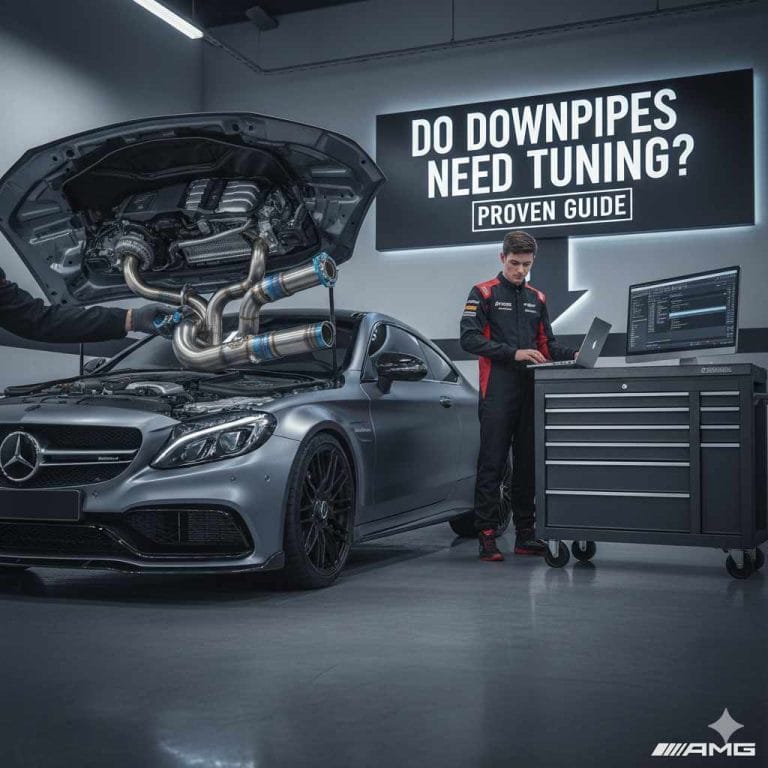
Think of your car’s exhaust system as a chain. The downpipe is one of the first links, sitting right after your engine’s turbocharger (if your car has one) or exhaust manifold. Its main job is to collect the hot exhaust gases flowing from the engine and direct them into the rest of your exhaust system, which includes the catalytic converter and muffler.
In simpler terms, it’s a crucial pipe that connects the hot exhaust parts of your engine to the rest of the pipes that lead out the back of your car. The design and material of this pipe can affect how smoothly exhaust gases flow out, which can impact your car’s performance and sound.
Understanding Catted Downpipes
Now, let’s talk about the “catted” part. A “catted downpipe” is simply a downpipe that has a catalytic converter built into it. For most modern vehicles, the catalytic converter is a really important piece of equipment. Its job is to screen out harmful pollutants from your engine’s exhaust gases before they’re released into the atmosphere. It uses special metals, like platinum, palladium, and rhodium, to chemically convert toxic gases (like carbon monoxide and unburned hydrocarbons) into less harmful ones (like carbon dioxide, nitrogen, and water vapor).
So, a catted downpipe is essentially a performance-oriented exhaust component that still includes the essential emissions-controlling catalytic converter. This is a key distinction when discussing legality and environmental impact.

Why Do People Consider Downpipe Upgrades?
Many car owners look into upgrading their downpipes for a few good reasons:
- Performance Gains: Stock downpipes, especially those with restrictive catalytic converters, can sometimes limit exhaust flow. Aftermarket catted downpipes are often designed with a less restrictive converter and a smoother internal design to allow exhaust gases to exit the engine more efficiently. This can lead to a small increase in horsepower and torque.
- Improved Turbo Spool: For turbocharged cars, smoother exhaust flow from a less restrictive downpipe can help the turbocharger spin up faster, reducing “turbo lag” (the delay in power delivery).
- Sound Enhancement: Some drivers opt for aftermarket downpipes to achieve a deeper, more aggressive exhaust note.
- Weight Reduction: While often a minor benefit, some aftermarket downpipes may be slightly lighter than factory parts.
Are Catted Downpipes Legal in Texas?
This is the big question, and here’s the clear answer: Yes, catted downpipes are generally legal in Texas, provided that the catalytic converter installed in the downpipe is functioning correctly and is not removed or tampered with.
The legality hinges on one crucial factor: emissions control. Texas, like all other U.S. states, adheres to federal Clean Air Act regulations established by the Environmental Protection Agency (EPA). These regulations mandate that vehicles must have functioning catalytic converters to reduce harmful emissions.
Federal and Texas Emissions Regulations
The EPA has strict rules about tampering with or removing emissions control devices. This is outlined in Section 203 of the Clean Air Act:
It is a violation of federal law to remove or disable any pollution control device or element of design incorporated by the manufacturer into a motor vehicle or motor vehicle engine for the purpose of controlling emissions. This includes the catalytic converter.
The EPA’s policy further clarifies that tampering includes modifying, removing, or making inoperative any device that controls emissions. Therefore, any downpipe that replaces a factory catalytic converter with a straight pipe or a non-functioning “test pipe” is illegal.
Texas has its own specific regulations overseen by the Texas Commission on Environmental Quality (TCEQ). The state’s emissions inspection program is designed to ensure that vehicles meet air quality standards. A key part of this inspection is verifying the presence and functionality of the catalytic converter.
TCEQ specifically calls out tampering with exhaust systems, including the removal or alteration of catalytic converters, as a violation. If your vehicle fails an emissions test because the catalytic converter is missing or not working, it won’t be able to pass inspection and get registered.
The Key Difference: Catted vs. Catless Downpipes
It’s vital to distinguish between a “catted” downpipe and a “catless” downpipe:
- Catted Downpipe: This is an aftermarket downpipe that includes a catalytic converter. This converter is typically designed to be more efficient or less restrictive than the stock one, but it still performs the function of reducing emissions. If the catalytic converter in an aftermarket catted downpipe is EPA-certified and functioning, it is generally considered legal.
- Catless Downpipe: This is an aftermarket downpipe that completely replaces the factory catalytic converter with a straight pipe. These are designed purely for maximum exhaust flow and performance gains. From an emissions standpoint, they are illegal for use on public roads because they eliminate a critical pollution control device.
Using a catless downpipe would be a violation of emissions laws in Texas and would cause your vehicle to fail any required emissions inspection. It also contributes to increased air pollution.
Catted Downpipes and Texas Vehicle Inspections
Texas has an emissions testing program in certain counties, often referred to as the “two-step” inspection and registration process in the 17-county “ozone nonattainment” area. If you live in one of these areas, your vehicle will undergo an emissions test.
During the emissions test, inspectors check for several things, including:
- OBD-II Monitor Readiness: Modern cars have onboard diagnostic systems (OBD-II) that monitor the performance of emissions components. The system must show that all emissions monitors have run their tests and are ready.
- Visual Inspection: Inspectors may visually check the exhaust system to ensure the catalytic converter is present and hasn’t been tampered with. They’re looking for signs of removal or replacement with a straight pipe.
- Exhaust Gas Analysis: Some tests may also involve sniffing the exhaust gases to ensure they are within acceptable limits.
A properly functioning catted downpipe, especially one designed to meet or exceed OEM emissions standards, should allow your vehicle to pass these inspections. However, a poorly designed aftermarket catted downpipe that doesn’t effectively clean the exhaust gases could still cause a failure.
Which Texas Counties Require Emissions Testing?
As of recent regulations, emissions testing is required for most gasoline-powered vehicles (model year 1996 and newer) in these 17 counties:
| County | County |
|---|---|
| Brazoria | Montgomery |
| Collin | Parker |
| Denton | Rockwall |
| Fort Bend | Routledge |
| Galveston | Smith |
| Harris | Tarrant |
| Johnson | Travis |
| Kaufman | Van Zandt |
| Liberty | Williamson |
If you reside in any of these counties, ensuring your exhaust system, including your downpipe, complies with emissions standards is crucial for a successful inspection. If you live outside these areas, emissions testing is not typically required, but federal laws against tampering with emissions equipment still apply if you were to travel through or sell your car in a testing area.
What to Look for When Buying a Catted Downpipe
If you’re considering an upgrade, choosing the right catted downpipe is key for legality and performance. Here’s what you should prioritize:
- EPA Certification: Look for aftermarket catted downpipes that are explicitly advertised as EPA-compliant or C.A.R.B. (California Air Resources Board) compliant. While C.A.R.B. standards are stricter than federal, C.A.R.B. certified parts are generally legal nationwide as they meet or exceed EPA requirements. This certification indicates that the emissions from the catalytic converter meet legal standards.
- High-Quality Catalytic Converter: Ensure the downpipe uses a high-flow, high-quality catalytic converter. Some aftermarket converters are designed to be less restrictive while still effectively cleaning the exhaust.
- Proper Fitment: The downpipe should be designed for your specific vehicle make and model to ensure proper installation and avoid exhaust leaks.
- Reputable Brands: Choose well-known brands in the performance exhaust industry that have a track record of producing quality, emissions-compliant parts. Reading reviews from other users for your specific vehicle can be very helpful.
- Manufacturer’s Warranty: A good warranty can be an indicator of the manufacturer’s confidence in their product’s quality and durability.
When in doubt, contact the manufacturer directly to confirm the emissions legality of their product in your region.
Potential Downsides and Considerations
While catted downpipes can offer benefits, there are a few things to keep in mind:
- Cost: Performance catted downpipes are typically more expensive than basic stock replacements or catless pipes because of the high-quality catalytic converter and materials used.
- Check Engine Light (CEL): Some aftermarket downpipes, even catted ones, can sometimes trigger a “Check Engine Light” if the oxygen sensors used to monitor the catalytic converter’s efficiency are not properly calibrated or if the placement of the sensors is altered. Some manufacturers offer solutions like O2 sensor spacers or cel fix modules to prevent this.
- Emissions Performance Varies: Not all aftermarket catalytic converters are created equal. Cheaper options might not be as effective at reducing emissions, potentially leading to a failed inspection or increased environmental pollution.
- Warranty Concerns: Modifying your exhaust system, even with an EPA-compliant part, could potentially affect your vehicle’s factory warranty. It’s always a good idea to check your warranty terms or consult with your dealership.
- Noise Levels: While often an improvement for enthusiasts, some catted downpipes can make your exhaust noticeably louder. If you prefer a quieter ride, consider this factor carefully.
What if I’m Not in an Emissions Testing County?
Even if you don’t live in one of the 17 Texas counties listed that require emissions testing, it’s still important to understand the laws. Federal regulations still apply if you plan to travel outside of those counties or if you were to sell your vehicle to someone who lives in a testing area. Furthermore, environmental protection is a state-wide concern, and tampering with emissions equipment is generally frowned upon and has environmental consequences.
The Texas Department of Motor Vehicles (TxDMV) oversees vehicle registration and safety inspections. While safety inspections focus on roadworthiness (brakes, lights, tires, etc.), emissions inspections are a separate requirement in designated areas.
It’s always best practice to maintain your vehicle’s emissions system as intended by the manufacturer. This ensures minimal impact on air quality and allows you to comply with regulations wherever you drive.

Alternative: Performance Catalytic Converters
Another option for those looking to improve exhaust flow while maintaining legality is to retrofit a high-flow, performance catalytic converter into your stock downpipe or a new aftermarket downpipe. This often involves welding or special flange adapters. Many high-end performance exhaust shops offer this service.
These performance converters are designed to flow better than factory units but still meet emissions standards. When choosing this route, ensure the converter is EPA-certified for on-road use in Texas.
FAQ Section
Q1: Can I drive my car in Texas with a “test pipe” or catless downpipe?
Answer: While you might be able to drive your car without getting caught in the short term, using a catless downpipe (test pipe) is illegal on public roads in Texas because it removes a critical emissions control device. It will also cause you to fail emissions inspections if you live in a testing county.
Q2: What are the penalties for having a catless downpipe in Texas?
Answer: Penalties can include fines, failure to pass vehicle registration, and potentially more severe consequences if caught during specific inspections or by environmental agencies. Tampering with emissions equipment is a violation of federal and state law.
Q3: Will a catted downpipe void my car’s warranty?
Answer: It’s possible. Manufacturers are allowed to deny warranty claims for specific repairs if they can prove that an aftermarket part, like a catted downpipe, caused the failure. However, it generally won’t void your entire warranty. Always check your vehicle’s warranty documentation or speak with your dealer for specifics.
Q4: How can I be sure my catted downpipe is legal?
Answer: Ensure the catted downpipe you purchase is EPA-certified or C.A.R.B. compliant. Reputable manufacturers will clearly state this. If you’re unsure, contact the manufacturer or consult with a professional exhaust installer who is knowledgeable about Texas emissions laws.
Q5: What if my car is older and not required to have an emissions test in Texas?
Answer: Even older vehicles are subject to federal Clean Air Act regulations regarding emissions control devices. Removing or tampering with a catalytic converter is still illegal, regardless of whether your specific vehicle is subject to a regular state emissions test.
Q6: Can a catted downpipe affect my car’s fuel economy?
Answer: In some cases, a better-flowing catted downpipe might slightly improve fuel economy due to more efficient exhaust scavenging. However, the change is usually minor and can vary depending on driving style and the specific downpipe’s design.
Conclusion
Navigating the world of automotive upgrades can sometimes feel like a maze, but when it comes to catted downpipes in Texas, the path is clearer than you might think. The good news is that catted downpipes are generally legal in Texas, provided they retain a functional and compliant catalytic converter. These components can offer performance benefits and an improved exhaust note while still respecting environmental regulations.
The key is to choose wisely. Always opt for reputable brands that clearly state their EPA or C.A.R.B. compliance. Avoid the temptation of “catless” or “test pipe” setups, as these are illegal and harmful to our air quality. By making an informed choice and ensuring your upgrade adheres to emissions standards, you can enjoy your vehicle’s enhanced performance and sound with peace of mind, knowing you’re doing your part to keep Texas’s air cleaner.
Whether you’re in an emissions testing county or not, maintaining your vehicle’s emissions equipment is essential for compliance and responsible driving. Stay informed, choose quality parts, and enjoy the drive!