
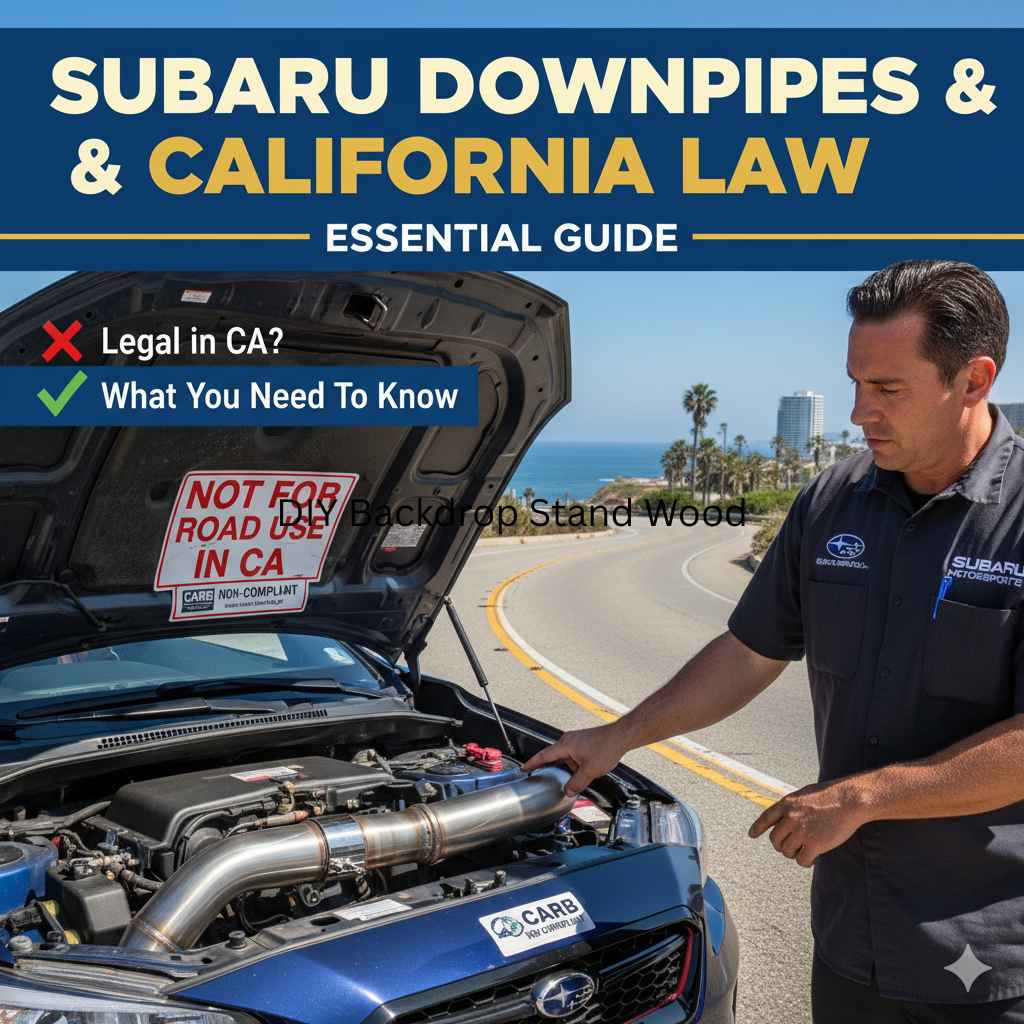
Are Subaru Downpipes Illegal In CA? Essential Guide
Are Subaru Downpipes Illegal In CA? This guide clarifies California’s rules on Subaru downpipes to help you stay compliant and informed. We break down what you need to know about aftermarket parts and emissions regulations for your Subaru in the Golden State.
Thinking about upgrading your Subaru’s exhaust system with a new downpipe? It’s a common question for many Subaru owners, especially those living in California. The Golden State has some of the strictest emissions standards in the country, and it can be confusing to figure out which aftermarket parts fly and which ones draw the attention of law enforcement or Smog Check technicians. This guide is here to help you navigate the ins and outs of Subaru downpipes in California, making it simple and stress-free. We’ll explain the rules, why they matter, and what you need to consider to keep your Subaru running smoothly and legally.
Understanding Subaru Downpipes and Emissions
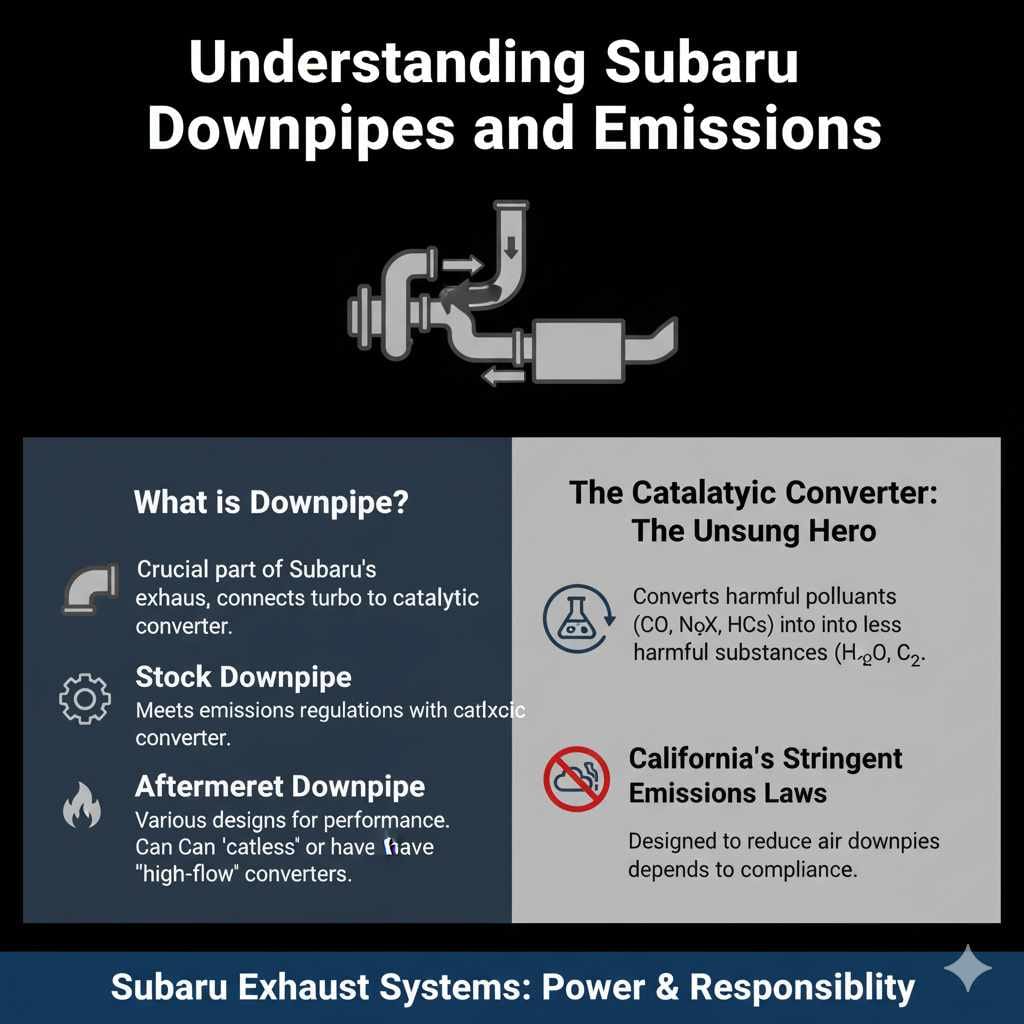
Before we dive into the legalities, let’s quickly cover what a downpipe is and why it affects emissions. The downpipe is a crucial part of your Subaru’s exhaust system, sitting right after the turbocharger (if your Subaru has one) and before the rest of the exhaust piping. Its main job is to carry exhaust gases away from the engine efficiently and connect them to the catalytic converter.
- Stock Downpipe: Manufacturers design stock downpipes to meet emissions regulations. They are built with specific flow rates and often integrate a catalytic converter or are designed to work in conjunction with it to clean up exhaust gases.
- Aftermarket Downpipe: Aftermarket downpipes are available in various designs, often aiming to improve performance by allowing exhaust gases to flow more freely. Some aftermarket downpipes are “catless” (meaning they remove the catalytic converter entirely), while others might feature high-flow catalytic converters.
The catalytic converter is the unsung hero here. It’s a device that uses chemical reactions to convert harmful pollutants in your exhaust (like carbon monoxide, nitrogen oxides, and unburned hydrocarbons) into less harmful substances (like water vapor and carbon dioxide). California’s stringent emissions laws are designed to keep these pollutants out of the air, and that’s where the legality of downpipes comes into play.
Are Subaru Downpipes Illegal In CA? The Short Answer
Generally speaking, most aftermarket performance downpipes, especially those that remove or alter the factory catalytic converter, are considered illegal for use on public roads in California. This is due to the state’s strict emissions laws and the California Air Resources Board (CARB) regulations. Even downpipes designed as direct replacements might not be legal if they aren’t CARB-exempt.
California’s Air Resources Board (CARB) and You
When it comes to vehicle emissions in California, the California Air Resources Board (CARB) is the primary authority. CARB sets the standards that all vehicles and vehicle parts must meet to be legal for sale and use in the state. They are particularly focused on ensuring that aftermarket parts do not increase emissions or bypass emissions control equipment.
For aftermarket parts like downpipes, CARB has a specific process for evaluating them. If a part is deemed to not increase emissions and is compliant with all emissions requirements, it can receive a “CARB Executive Order” (EO). This EO number is a certification that the part is legal for use in California. Without a CARB EO, an aftermarket part that affects emissions is generally illegal for on-road use.
Why Are Catless or High-Flow Downpipes Problematic in CA?
The main reason why many aftermarket Subaru downpipes are an issue in California comes down to the catalytic converter. Here’s why:
- Catless Downpipes: These completely remove the catalytic converter. Without it, the exhaust gases are not treated, and the harmful pollutants are released directly into the atmosphere. This is a major violation of California’s emissions laws.
- High-Flow Downpipes: While some high-flow downpipes might include a catalytic converter, it might not be as efficient as the original equipment manufacturer (OEM) converter, or it might not meet CARB’s specific standards for aftermarket replacement parts. Even if they claim to be “for off-road use only,” installing them on a vehicle registered for the road in California is illegal.
The goal of emission control is to strip out as many harmful gases as possible before they exit the tailpipe. Altering or removing the catalytic converter directly counteracts this. California aims to maintain air quality, and emissions control is a massive part of that effort. The state’s smog check program is designed to catch vehicles that are not meeting these standards.
Smog Checks and Your Subaru Downpipe
California’s Smog Check program is designed to ensure vehicles are running clean. When you take your Subaru in for a smog check, the technician will perform several checks. One of the critical checks involves verifying that all original emissions control equipment is present and functioning correctly.
- Visual Inspection: The technician will visually inspect your exhaust system. If they see a downpipe that is clearly not the factory original and doesn’t appear to have a CARB EO sticker or the proper catalytic converter, it can fail the inspection.
- Emissions Testing: Even if the visual inspection isn’t definitive, the vehicle’s exhaust emissions will be measured. A catless or faulty downpipe will almost certainly result in emissions readings far exceeding legal limits.
- Tampering: Any modification that bypasses or removes emissions control devices is considered tampering. This can lead to a denial of your smog certificate, preventing you from renewing your registration.
It’s important to understand that authorities can also perform roadside inspections, and illegal exhaust modifications can lead to citations and hefty fines, even outside of the smog check system. The intention behind these laws is to protect public health and the environment.
Legal Subaru Downpipe Options in California (If Any)
Finding a legal aftermarket downpipe for your Subaru in California can be challenging, but not impossible. “Legal” in California primarily means having a CARB Executive Order (EO). Here’s what to look for:
- CARB-EO Certified Parts: The only aftermarket downpipes that are truly legal for on-road use in California are those that have undergone CARB’s rigorous testing and have been issued an Executive Order (EO). These parts are specifically designed to meet or exceed the emissions standards set by CARB. They often incorporate a high-efficiency catalytic converter that is certified for use as a replacement part.
- Look for the EO Number: If a manufacturer claims their downpipe is CARB-legal, ask for the specific EO number. You can then verify this number on the CARB Exempt Add-On Collision Parts Database.
- Be Wary of “Off-Road Use Only”: Many aftermarket parts are sold with a disclaimer stating they are “for off-road use only.” While this might be technically true according to the manufacturer to avoid liability, installing such a part on a vehicle registered for street use in California is illegal and will likely fail a smog check.
- OEM Replacement Parts: The safest and most straightforward legal option is to stick with your Subaru’s factory original downpipe or an OEM-equivalent replacement part designed to meet California emissions standards. These are guaranteed to be compliant.
The market for CARB-legal performance downpipes is smaller than for general aftermarket parts. Manufacturers must invest significantly in testing and certification. This often means that CARB-EO certified parts can be more expensive than their non-certified counterparts. However, the peace of mind and legal compliance are usually worth the investment for California residents.
What if I Already Have an Aftermarket Downpipe?
If you’ve already installed an aftermarket downpipe on your Subaru and you live in California, it’s essential to be aware of the potential risks. Here’s what you should consider:
- Risk of Failure: You are at high risk of failing your next Smog Check. Technicians are trained to spot non-compliant exhaust modifications.
- Potential for Fines: As mentioned, law enforcement can issue citations for illegal exhaust modifications, especially if they are noisy or visibly non-compliant.
- Reverting to Stock: The most foolproof way to ensure compliance is to revert to a factory original or CARB-legal replacement downpipe before your next smog inspection.
- Selling the Car: If you plan to sell your Subaru in California, it must pass a smog check. Any illegal modifications will need to be removed.
Removing and replacing an aftermarket downpipe can be a straightforward process for a mechanic, or even a DIYer with basic tools and knowledge. It’s often a worthwhile investment to avoid future headaches and penalties.
DIY vs. Professional Installation: Which is Right for Your Downpipe?
Whether you’re installing a stock replacement or a CARB-legal aftermarket downpipe, the installation process can vary in difficulty. This is an area where knowing your comfort level and having the right approach is key.
DIY Installation Considerations:
If you’re comfortable working on your Subaru, you might consider a DIY installation. Here’s what you’ll need to think about:
- Tools: You’ll typically need a good set of socket wrenches, extensions, a breaker bar, penetrating oil (like PB Blaster or WD-40), new gaskets, and possibly some exhaust hanger removal tools. You might also need a torque wrench to tighten bolts to specification.
- Safety: Always ensure the vehicle is securely supported on jack stands. Never rely solely on a jack. Working under a car can be dangerous if not done properly. Wear safety glasses and gloves.
- Rusted Bolts: Exhaust bolts can become extremely rusted and difficult to remove. Be prepared for the possibility of needing to cut bolts off and replace them.
- Learning Curve: While not the most complex job, it still requires patience and mechanical aptitude. It’s crucial to properly seal the new downpipe to prevent exhaust leaks.
Professional Installation:
If DIY isn’t your expertise, or if you want to ensure the job is done right the first time, a professional mechanic or a reputable exhaust shop is your best bet. They have:
- Specialized Tools: They likely have specialized tools for stubborn bolts and diagnostic equipment to check for leaks after installation.
- Experience:Experienced technicians have encountered countless exhaust jobs and can handle unexpected issues efficiently.
- Warranty: Most shops offer a warranty on their labor, giving you peace of mind.
- Time Savings: While you pay for it, a professional can often complete the job much faster than a DIYer.
When choosing a shop, look for one familiar with Subaru vehicles and California’s emissions regulations. They can guide you on the best legal options and ensure the installation is done correctly.
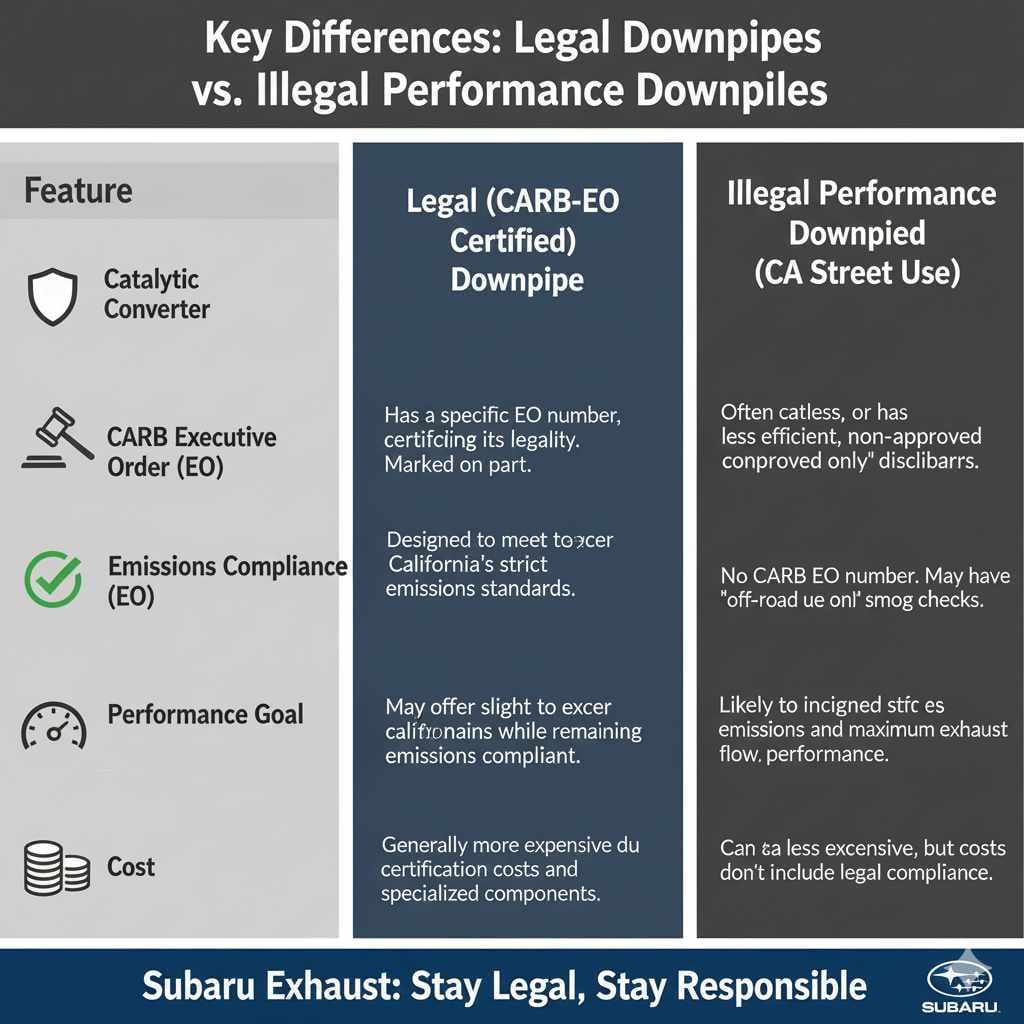
Key Differences: Legal Downpipes vs. Illegal Performance Downpipes
To help solidify understanding, let’s look at the primary differences you’ll find between a legal (CARB-EO certified) downpipe and an illegal performance downpipe in California.
| Feature | Legal (CARB-EO Certified) Downpipe | Illegal Performance Downpipe (CA Street Use) |
|---|---|---|
| Catalytic Converter | Includes a CARB-approved, high-efficiency catalytic converter. | Often catless, or may have a less efficient aftermarket converter not approved for street use. |
| CARB Executive Order (EO) | Has a specific EO number, certifying its legality. Usually marked on the part or packaging. | No CARB EO number. May have “off-road use only” disclaimers. |
| Emissions Compliance | Designed to meet or exceed California’s strict emissions standards. | Likely to increase emissions and cause failure of smog checks. |
| Performance Goal | May offer slight performance gains while remaining emissions compliant. | Primarily designed for maximum exhaust flow and performance, often at the expense of emissions. |
| Cost | Generally more expensive due to certification costs and specialized components. | Can be less expensive, but costs don’t include legal compliance. |
| Noise Level | Typically designed to maintain a reasonable, street-legal noise level. | Can be significantly louder, potentially leading to additional citations in some areas. |
Understanding these differences is crucial. The perceived “performance benefit” of an illegal downpipe is often overshadowed by the legal ramifications and environmental impact in California.
Frequently Asked Questions (FAQ)
Are all performance downpipes illegal in California?
Not necessarily all, but the vast majority of performance downpipes that offer significant gains are illegal for street use in California. Only those that have received a CARB Executive Order (EO) are legal. You must specifically look for the EO number to confirm legality.
What happens if I get caught with an illegal downpipe in California?
You could face fines, citations, and be required to remove the illegal part to pass a smog check and re-register your vehicle. Repeated offenses or particularly egregious violations could lead to more severe penalties.
Can I use a downpipe that says “for off-road use only” in California?
No, if you intend to use it on a vehicle registered for street use in California, it is illegal. The “off-road use only” disclaimer is a manufacturer’s way of avoiding liability, but it does not permit use on public roads in emissions-regulated states like California.
How do I find out if a specific Subaru downpipe is CARB-legal?
The best way is to find the manufacturer’s claim of a CARB Executive Order (EO) number for that specific part. You can then verify this number on the CARB Exempt Add-On Collision Parts Database. If it’s not listed or doesn’t have an EO, it’s not legal for street use.
Is it better to get a catless downpipe or a high-flow catted downpipe in California?
For street use in California, neither is generally legal unless it has a CARB EO. If you’re looking for a legal modification, you must find a CARB-EO certified option, which will always include a functioning, compliant catalytic converter.
Will removing my Subaru’s downpipe affect my car’s warranty?
Yes, modifying or removing emissions control equipment like the downpipe and catalytic converter can certainly void your vehicle’s emissions warranty and potentially other parts of your manufacturer’s warranty, depending on the nature of the issue.
What are the environmental impacts of illegal downpipes?
Illegal downpipes, especially catless ones, release significantly higher amounts of harmful pollutants like carbon monoxide, nitrogen oxides, and unburned hydrocarbons into the atmosphere. These contribute to smog, respiratory problems, and broader environmental pollution.
Conclusion: Driving Legally and Responsibly
Navigating the world of aftermarket Subaru parts in California can feel like a minefield, but understanding the rules about downpipes is a significant step towards making informed decisions. For your Subaru in California, the key takeaway is that most performance downpipes that alter or remove the factory catalytic converter are illegal for street use. This stance is firmly rooted in the state’s commitment to maintaining air quality through strict emissions regulations enforced by CARB.
If you’re looking to modify your Subaru’s exhaust for either performance or sound, prioritize legality and environmental responsibility. Always search for parts that carry a CARB Executive Order (EO) number, as these are the only ones certified for use in California. While they might be a higher initial investment, the peace of mind, avoidance of costly fines, and contribution to cleaner air are invaluable. For those who already have non-compliant parts, reverting to a factory stock or CARB-legal replacement is the most reliable path to avoid issues with smog checks and law enforcement. By staying informed and choosing wisely, you can enjoy your Subaru while respecting the regulations that keep California roads clean and healthy for everyone.


