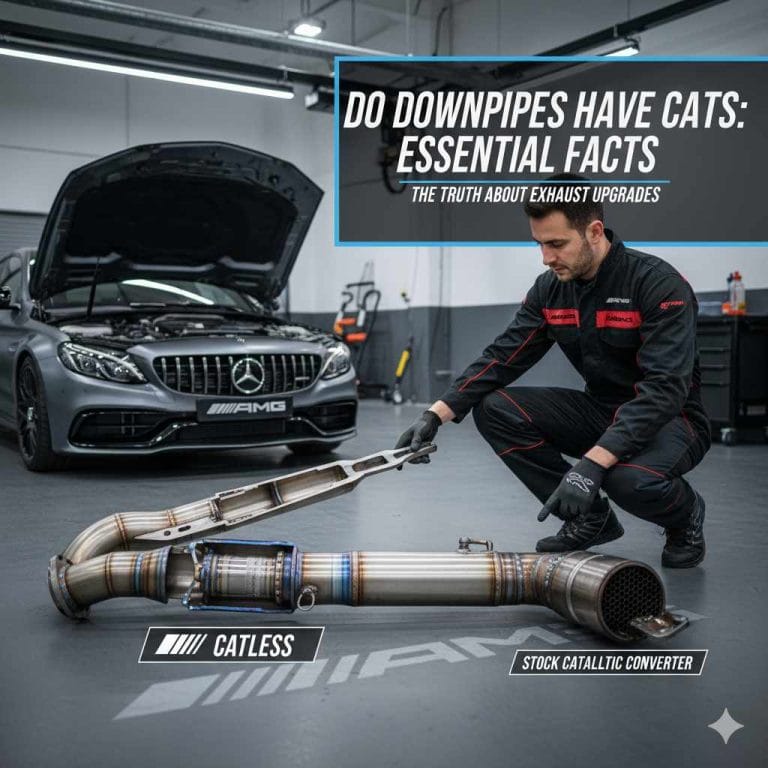
Are Some Catted Downpipes Louder WRX: Proven Loudness
Yes, absolutely! Some catted downpipes are significantly louder than others for the Subaru WRX. The materials, design, and quality of the catalytic converter and the overall pipe construction play a big role in how much sound your WRX exhaust produces. Choosing the right one can make a noticeable difference in your car’s exhaust note.
Subaru WRX owners often chase that perfect exhaust sound. It’s a big part of the car’s identity! When you start looking at upgrades, the downpipe is a popular choice. You might be wondering, “Are some catted downpipes louder than others for my WRX?” The short answer is yes, and it’s not always obvious why. Factors like the type of catalytic converter used, how tightly it’s packed, and even the diameter of the pipe can affect the sound you hear. Don’t worry, it’s not as complicated as it sounds. We’re going to break down exactly what makes some catted downpipes louder than others, so you can make an informed decision for your WRX. Let’s get your exhaust sounding just right!
Understanding WRX Exhaust Noise: The Catted Downpipe Connection
Your WRX’s exhaust system is like its voice. It’s what gives the car its distinctive rumble and roar. The downpipe is a crucial part of this system, sitting right after the turbocharger. It connects the turbo to the rest of the exhaust, and it’s a prime spot for modifications.
Many WRX enthusiasts opt for a catted downpipe. This type of downpipe includes a catalytic converter, which is essential for reducing harmful emissions. While a catalytic converter helps keep things legal and eco-friendly, it also has an impact on exhaust sound. You might think all catalytic converters are the same, but they can vary quite a bit, leading to differences in how loud your WRX sounds.
What Makes a Catted Downpipe Louder?
Several factors influence the loudness of a catted downpipe for your WRX. It’s not just about removing the “cat” altogether; even with a catalytic converter in place, the design and components can create a louder exhaust note.
The Catalytic Converter Itself
The heart of a catted downpipe is, of course, the catalytic converter.
Catalyst Material and Density: The materials inside the converter (often palladium, platinum, and rhodium) are packed into a honeycomb structure. The density and type of this packing can affect exhaust flow and, consequently, sound. A less restrictive catalyst generally allows more exhaust gas to pass through, potentially increasing volume.
High-Flow vs. Standard Catalytic Converters: Many aftermarket catted downpipes use “high-flow” catalytic converters. These are designed to be less restrictive than the stock ones. Think of it like breathing through a wider straw versus a narrow one – more air (or exhaust gas) moves more easily. This improved flow can result in a deeper, louder tone.
Number of Catalytic Converters: Some setups might have one or even two catalytic converters. While most WRX aftermarket downpipes aim for a single, high-flow cat for performance and sound balance, variations exist.
Pipe Diameter and Length
The dimensions of the downpipe itself matter for sound.
Larger Diameter Pipes: A wider pipe allows exhaust gases to expand and flow more freely. This can create a deeper, more resonant sound but also make it louder. For the WRX, common aftermarket downpipe diameters are 3 inches and sometimes larger.
Smoother Bends: Less restrictive bends mean exhaust flow is smoother. While this is great for performance, it can also contribute to a more aggressive sound.
Construction Materials and Quality
The materials used in the downpipe and its welds can also contribute to the sound profile and loudness.
Stainless Steel Quality: Higher-grade stainless steel (like T304) is often used in quality aftermarket parts. It’s durable and can handle the heat and stress of exhaust gases. While material quality primarily affects longevity, a well-constructed pipe with good welds ensures there are no leaks that could alter the sound in unexpected ways.
Gasket Quality: A poor-quality gasket can lead to exhaust leaks, which can create a raspy or even quieter sound in some areas, or a hissing noise that detracts from the desired tone.

How Loud is Loud? Measuring Exhaust Noise
Understanding exhaust loudness can be tricky because “loud” is subjective. However, there are ways to quantify it.
Decibels (dB)
The standard unit for measuring sound pressure level is the decibel (dB). Exhaust systems are often measured at different RPMs and distances from the vehicle.
Stock WRX Exhaust: Typically falls in the range of 50-60 dB at idle, and might reach 70-80 dB under load.
Aftermarket Cat-Back Systems: Can push into the 80-95 dB range.
Catted Downpipes with Cat-Back: When you add a catted downpipe to an aftermarket cat-back system, you can expect a significant increase, often pushing into the 90-105 dB range, depending on all the factors we’ve discussed.
Catless Downpipes: These are the loudest, often exceeding 110 dB, but can also cause significant issues with emissions testing and check engine lights.
The sound also changes character. It goes from a refined burble to a more aggressive, throaty growl.
Emissions Regulations and Sound
It’s important to note that many regions have regulations on vehicle noise levels. While a catted downpipe helps with emissions, it can still result in a system that is louder than stock and may not comply with local noise ordinances. Always check your local laws. For more information on general vehicle emissions, you can refer to resources from the Environmental Protection Agency (EPA).
Catted Downpipes for WRX: Examples of Proven Loudness
When researching catted downpipes for a WRX, you’ll find reputable brands that offer different levels of sound and performance. Here’s a general idea of what to expect and how certain features influence loudness.
Table 1: Common Catted Downpipe Features and Their Impact on WRX Sound
| Feature | Description | Impact on Sound |
|---|---|---|
| High-Flow Cat | Less restrictive than stock, allows higher exhaust gas flow. | Produces a deeper, sportier tone with moderate loudness. |
| 3-Inch Diameter Pipe | Common size in performance setups, improves exhaust flow. | Increases overall volume and exhaust resonance. |
| Single Catalytic Converter | Reduces restriction compared to dual-cat systems. | Louder than dual-cat setups, more pronounced turbo spool sound. |
| Ceramic-Coated Inner/Outer | Controls heat and improves durability, not sound-oriented. | Minimal effect on tone; mainly helps reduce engine bay heat. |
| Brand Reputation | Some brands engineer systems with performance sound tuning. | Reputable brands often deliver a refined yet aggressive exhaust note. |
Popular Brand Approaches to Catted Downpipes
Different manufacturers have distinct approaches. Some focus purely on maximum flow and a loud sound, while others aim for a balance between performance, sound, and emissions compliance.
SPT (Subaru Performance Tuning): Subaru’s own performance parts division often offers options that are a step up from stock but generally not excessively loud. They aim for a refined, sporty sound that complements the car without being obnoxious.
Invidia: Known for their wide range of exhaust systems, Invidia offers catted downpipes that often provide a noticeable increase in volume and a more aggressive tone compared to stock, but still maintain emissions legality with their high-flow cats.
ETS (Evolution Tuning Systems): ETS typically designs its products for serious performance. Their catted downpipes are usually designed for maximum flow, which translates to a significant increase in loudness and a very distinct, aggressive exhaust note.
Grimmspeed: Grimmspeed offers high-quality parts with a focus on fitment and performance. Their catted downpipes often feature high-flow cats that unleash a more pronounced sound, though they might strike a slightly better balance than some purely race-oriented brands.
It’s crucial to listen to sound clips and read reviews specific to the downpipe model you are considering for your WRX model year. What sounds good to one person might be too much for another.
Installing a Catted Downpipe: What Beginners Need to Know
Upgrading your WRX’s catted downpipe can be a rewarding project for beginners looking to enhance their car’s performance and sound. With the right guidance and tools, it’s definitely achievable.
Is it a DIY Job?
For someone with basic mechanical experience and the right tools, installing a catted downpipe is a manageable DIY project. However, if you’re not comfortable working under your car or dealing with exhaust components, it’s always best to seek professional help. Some exhaust bolts can be rusted and difficult to remove, and improper installation can lead to leaks or damage.
Tools You’ll Likely Need
Gathering the right tools before you start will save you a lot of frustration.
Socket Set and Wrenches: You’ll need various metric sizes to remove the old downpipe and install the new one. Common sizes include 12mm, 14mm, and 17mm.
Breaker Bar: Essential for loosening stubborn or rusted bolts.
Torque Wrench: Crucial for tightening bolts to the manufacturer’s specifications. Overtightening can strip threads, while undertightening can lead to leaks. You can find detailed torque specifications for Subaru vehicles from automotive repair databases or manufacturer service manuals.
Penetrating Oil: Helps loosen rusted bolts. A product like PB B’laster is very effective.
Exhaust Hanger Pliers: Makes removing and reinstalling rubber exhaust hangers much easier.
Safety Gear: Always wear safety glasses and gloves.
Jack and Jack Stands: To safely lift and support your vehicle. Never work under a car supported only by a jack.
Impact Wrench (Optional but Recommended): Can significantly speed up bolt removal.
New Gaskets and Hardware: It’s highly recommended to replace exhaust gaskets and potentially bolts when installing a new downpipe.
Step-by-Step Installation Overview
This is a generalized overview. Always refer to a specific service manual or detailed guide for your WRX model year.
1. Safety First: Park your WRX on a level surface. Engage the parking brake and chock the rear wheels. Use your jack and jack stands to safely lift the front of the vehicle.
2. Locate the Stock Downpipe: The downpipe is the section of exhaust pipe directly behind the turbocharger, usually connecting to the catalytic converter and then a mid-pipe.
3. Disconnect O2 Sensors: Carefully unplug the electrical connectors for any oxygen sensors attached to the downpipe. There are usually at least two. You may need to use a wiring harness tool to avoid damaging the wires.
4. Support the Exhaust: Place a jack stand or a block of wood under the mid-pipe or muffler to support the rest of the exhaust system once the downpipe is disconnected.
5. Loosen and Remove Bolts: Spray penetrating oil on the flange bolts connecting the downpipe to the turbo and the bolts connecting it to the mid-pipe. Allow it to soak. Then, use your socket and breaker bar to loosen and remove these bolts. Be prepared for them to be tight.
6. Remove Exhaust Hangers: Carefully slide the rubber exhaust hangers off their metal posts.
7. Remove the Old Downpipe: Gently maneuver the stock downpipe out of the vehicle. It might require some wiggling.
8. Prepare the New Downpipe: Install any new gaskets onto the new downpipe’s flanges. Ensure everything is aligned correctly.
9. Install the New Downpipe: Carefully position the new catted downpipe into place, aligning it with the turbo flange and the mid-pipe connection.
10. Install New Hardware: Start threading the new bolts and nuts by hand to avoid cross-threading. Once all bolts are in place, tighten them gradually and evenly.
11. Tighten to Spec: Use your torque wrench to tighten all bolts to the manufacturer’s specified torque values. This is critical for preventing leaks.
12. Reconnect O2 Sensors: Plug the O2 sensor connectors back into their respective sensors.
13. Reinstall Exhaust Hangers: Re-hang the exhaust system using the rubber hangers.
14. Lower Vehicle and Final Check: Lower the vehicle. Start the engine and check for any exhaust leaks (listen for hissing sounds) and check for any dashboard warning lights (like a check engine light).
Post-Installation Tips
Check Engine Light: After installation, it’s common for the Check Engine Light (CEL) to come on, especially if the relocated or new O2 sensor is not reading correctly. Many exhaust manufacturers offer O2 sensor spacers or tuners that can help mitigate this.
Retune: For optimal performance and to ensure your engine runs efficiently with the new downpipe, a professional tune is often recommended. This can also help prevent CEL issues.
Exhaust Leaks: Listen carefully for any signs of leaks, especially when the exhaust is cold and then when it’s hot. Leaks can affect performance and sound.
For more in-depth instructions and visual guides, resources like Subaru official service documentation or reputable automotive forums often provide detailed guides for specific WRX models.
Catted Downpipes vs. Catless Downpipes: The Loudness Difference
This is a key distinction for WRX owners. While both can be louder than stock, the presence or absence of a catalytic converter makes a significant sound and performance difference.
Table 2: Catted vs. Catless Downpipes for WRX
| Feature | Catted Downpipe | Catless Downpipe |
|---|---|---|
| Emissions | Reduces harmful emissions; generally legal for street use (check local laws). | Does not reduce emissions; illegal for street use in most regions. |
| Sound Level | Louder than stock, but deeper and more refined with slight muffling. | Significantly louder, rawer, and more aggressive tone. |
| Performance | Noticeable gains with some restriction from the catalytic converter. | Maximum performance gains due to unrestricted flow. |
| Check Engine Light (CEL) | Less likely to trigger CEL; depends on tune and sensor placement. | Almost guaranteed CEL without tune or O2 spacer. |
| Smell | Minimal change in exhaust odor. | Strong fuel-like exhaust smell, especially at idle. |
| Legality/Inspection | Usually passes emissions and visual inspections. | Fails emissions and visual inspections in most areas. |

Why Catted is Often Preferred for Daily Drivers
Many WRX owners choose catted downpipes for daily driving because:
Legality: They can still enjoy an improved sound and performance without the legal headaches associated with catless setups.
Emissions: Passing emissions tests is crucial for many drivers.
Sound Quality: While louder, a well-designed catted downpipe can offer a more pleasing, less obnoxious tone than a straight-piped, catless system.
* Reduced Smell: The catalytic converter burns off uncombusted fuel, preventing that strong exhaust smell often associated with catless pipes.
Frequently Asked Questions (FAQ)
Q1: Will a catted downpipe make my WRX sound like a race car?
A: A performance catted downpipe will definitely make your WRX sound sportier and louder than the stock exhaust. It will have a deeper growl and higher volume, especially under acceleration. However, it usually won’t be as raw or extremely loud as a catless setup, offering a more refined, aggressive tone.
Q2: Is it safe to run a catted downpipe on my WRX?
A: Yes, catted downpipes are designed to be safe and are the legal option for street use in most areas because they retain the catalytic converter, which is crucial for reducing harmful emissions. Always ensure it’s installed correctly to avoid exhaust leaks, which could be a safety concern.
Q3: How much louder will my WRX be with a catted downpipe?
A: This varies, but you can expect a significant increase in volume, easily adding 10-20 decibels or more depending on the specific product and the rest of your exhaust system. It will transform the sound from a mild rumble to a more pronounced, aggressive tone.
Q4: Will installing a catted downpipe void my WRX’s warranty?
A: Modifying any part of the exhaust system, including the downpipe, can potentially affect your vehicle’s warranty, especially if the modification is deemed to have caused the issue. Subaru Performance Tuning (SPT) parts are often designed to be warranty-friendly, but aftermarket parts might pose a risk. It’s wise to consult your dealer or read the warranty terms carefully.
Q5: Can I install a catted downpipe myself on my WRX?
A: If you have basic mechanical skills, the right tools, and can safely lift your vehicle, installing a catted downpipe is a feasible DIY project. However, rusted bolts and the need for precise tightening can make it challenging. If in doubt, a professional installation is recommended to ensure a proper seal and avoid leaks.