How to Install Dual Exhaust Tips on a Single Outlet
Use a dual-tip splitter that matches the outlet’s outside diameter and leaves about 1 inch of bumper and heat-shield clearance; if the outlet is offset or angled, a clamped or welded adapter is often a better choice than a decorative slip-on tip. A wrong fit can rattle, leak, melt nearby trim, or point one tip crooked. This guide covers measuring the pipe, choosing the right mounting method, and installing the tips cleanly.
Dual exhaust tip basics
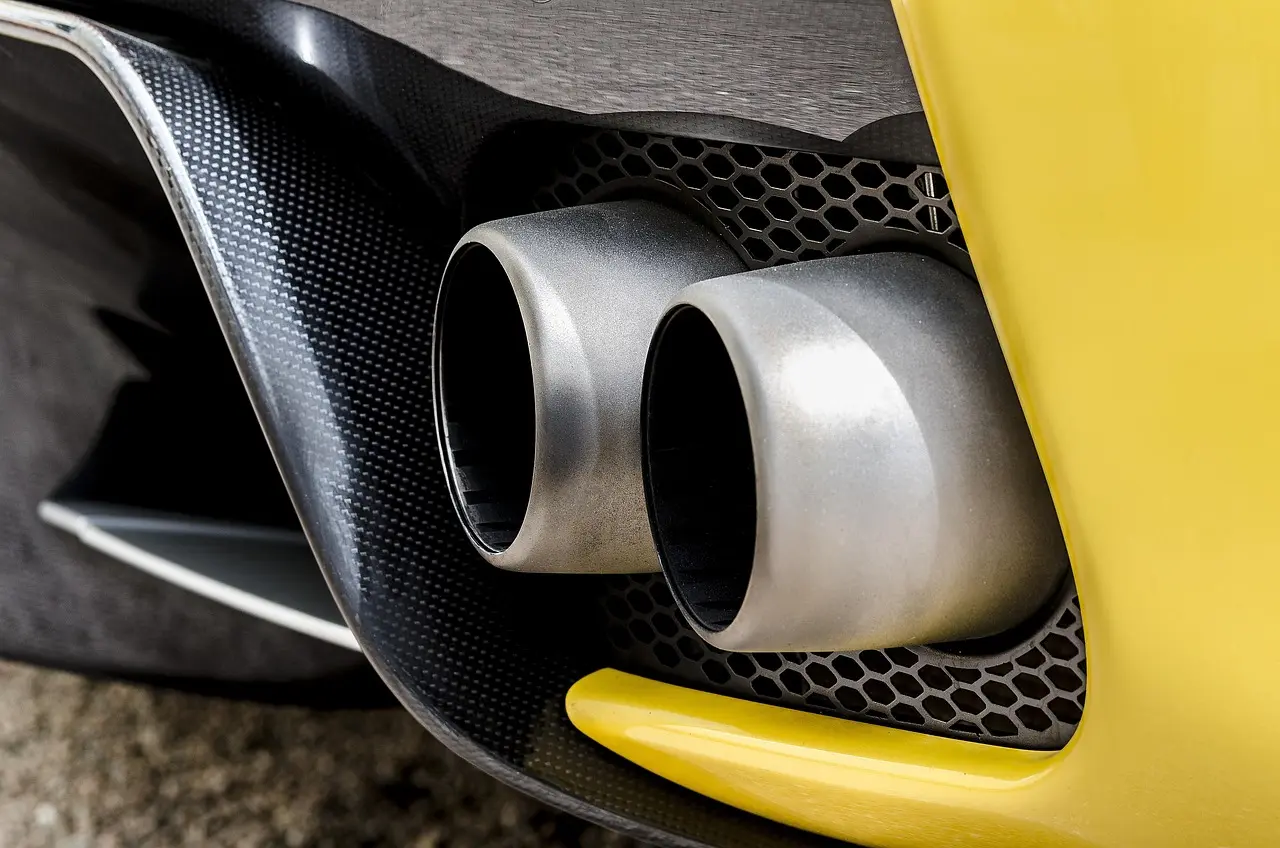


A dual exhaust tip can split one single pipe into two outlets, but that is still a tip or splitter, not a true dual exhaust conversion. A true dual system has separate pipes for each bank, while a dual-tip setup keeps one inlet and divides the exit at the rear.
That difference matters before you buy parts. A split-tip setup usually changes appearance, with only limited performance change, while a true dual conversion changes the exhaust routing itself and needs far more fabrication.
Dual tip, splitter, and true dual exhaust
A dual exhaust tip is the finished end piece. A splitter is the internal or adapter section that divides one stream into two outlets. A true dual exhaust conversion uses separate pipes and often separate mufflers or a reworked rear section.
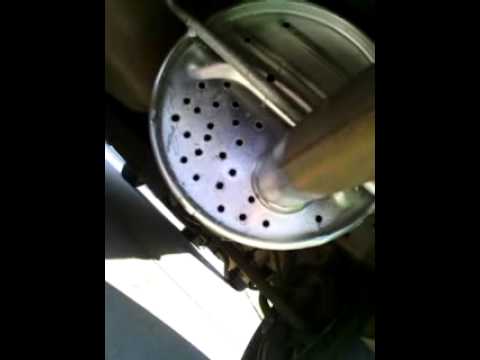
For a stock single outlet, the safest path is usually a purpose-built splitter or dual-tip assembly that matches the pipe size and rear bumper shape. A decorative tip with the wrong inlet size can sit crooked or leak at the joint.
What dual tips change, and what they do not
Dual tips mostly change appearance. They can slightly alter outlet tone depending on tip shape and length, but they do not turn a single-outlet exhaust into a full performance system.
The backpressure claim needs a careful reading. Some dual-tip setups may change flow behavior at the very end of the system, but the effect is usually small compared with changes from the muffler, pipe diameter, or a full exhaust redesign.
Say your car has a 2.25-inch rear pipe and a stock muffler with one straight exit. A properly sized dual-tip splitter can finish the look neatly. A 3-inch inlet tip forced onto that pipe is likely to clamp poorly or distort the thin wall.
What size exhaust tip inlet do I need for a single pipe?
Measure the outside diameter of the existing single-exit pipe before you buy anything. Many passenger vehicles use exhaust pipes around 2.25 to 3 inches in diameter, and universal tip inlets are commonly sold in about 2.25, 2.5, and 3 inches.
Do not rely on the label alone. Oval ends, corrosion, or a crushed pipe lip can change the sealing surface enough to affect clamp-on fitment even when the stated size seems close.
Measure the single exit pipe
- Clean the pipe end. Remove rust, soot, and loose scale so the measurement is taken on the real pipe surface. A dirty edge can make a caliper read too large.
- Measure the outside diameter. Use a caliper or a tape measure around the outside of the pipe, then compare the reading to the tip inlet size. For clamp-on parts, the match must be accurate.
- Check for damage. Look for flattening, splits, or a rolled edge at the outlet. Damaged ends can prevent even clamping and create a leak path.
Match common universal inlet sizes
Universal fitment means the part fits many vehicles when the pipe diameter, outlet direction, bumper shape, and clamp or weld access all line up. It does not fit every vehicle.
If the pipe is 2.25 inches, start with a 2.25-inch inlet. If the pipe is between sizes, use the size listed by the tip maker and confirm whether the clamp is meant to compress over a sleeve or slip over the pipe end.
Do dual exhaust tips need clamps or welding?
Clamp-on installation is the easier reversible option, and weld-on installation is the more permanent one. Clamp-on tips suit many DIY installs when the pipe end is round, sound, and accessible; welding is better when you want maximum security or the fit leaves little margin.
Both methods can fail if the pipe is damaged or the geometry is wrong. Thin-wall pipe can crush under over-tightened clamps, and a weld on misaligned parts locks the mistake in place.
Clamp-on fitment and its limits
Clamp-on mounting uses clamping force over the pipe end. The goal is even pressure around the circumference so the tip seats squarely without warping the pipe.
This method works best when the outlet is straight, round, and long enough for the clamp to bite. It is weaker on heavily rusted ends, oval pipe, or short stubs that leave no straight section for the clamp.
Weld-on fitment for permanent mounting
Weld-on installation requires specialized equipment and skill. It is the better choice when the tip must stay put under vibration, when the pipe end is short, or when the rear layout makes a clamp hard to secure cleanly.
It is also the choice for custom offset corrections and some angled truck setups. The tradeoff is permanence: once welded, repositioning means cutting and reworking the joint.
Materials and finish choices
Stainless steel is the preferred material for corrosion resistance, especially where road salt, water spray, and heat cycling are part of the job. For longevity, material choice often matters more than the shape of the outer shell.
Finish should match use case. A polished tip can look sharp on a dry-road commuter, while a black powder-coated finish can suit a stealth look and hide soot better on trucks or off-road builds.
304 stainless steel vs 409 stainless steel
304 stainless steel offers superior corrosion resistance at higher cost. It is the better choice when the vehicle sees salted winter roads, frequent washdown, or long-term weather exposure.
409 stainless steel is a commonly used lower-cost stainless option in exhaust parts. It resists corrosion less well than 304, but it can be a practical middle ground when budget matters and the vehicle does not live in harsh conditions.
Dual wall vs single wall exhaust tips
Dual wall construction uses an inner and outer shell. That design provides superior heat management, lowers the outer surface temperature, and helps the finish hold up better over time.
Single wall tips are simpler and are often lighter. They can work fine, but the outer surface tends to run hotter, and the visual edge is usually less refined.
Angled tips for trucks and SUVs
Angled dual outlet tips direct exhaust downward and may help with ground clearance on trucks and SUVs. They are often black-coated or styled for off-road use, where rear bumper space and departure angle matter.
That layout can also keep exhaust away from rear bumpers and spare tires. Still, the angled exit should not point hot gas toward plastic trim, trailer wiring, or the spare tire sidewall.
Picture a pickup with a rear hitch and a spare tire tucked close behind the axle. A straight, wide dual-tip unit may hit the tire or sit too close to the bumper. An angled dual outlet can solve the clearance problem if the outlet direction leaves enough room for heat and movement.
Fitment check list
Check fitment before buying. The biggest mistakes come from skipping the pipe diameter, ignoring the outlet spacing, or assuming a universal tip will clear every bumper the same way.
- Measure inlet diameter. Confirm the outlet size at the pipe end, not just the nominal exhaust size listed for the vehicle.
- Check outlet spacing. Make sure the twin outlets will clear each other and sit centered under the bumper or valance opening.
- Verify bumper clearance. Leave at least 1 inch between the tip body and nearby plastic, heat shields, or trim to reduce melt risk.
- Find clamp location. Confirm there is enough straight pipe for the clamp to seat evenly without distortion or slip.
Fitment decision table
| Existing outlet type | Required parts | Install risk level |
|---|---|---|
| Straight single pipe | Matched inlet dual-tip splitter, clamp or weld hardware, heat-safe clearance gap | Low |
| Offset single pipe | Offset adapter or angled dual-tip body, alignment shims, clamp or weld hardware | Medium |
| Single pipe with rear valance cutout | Measured dual-tip assembly, centering hardware, edge clearance check, optional trim ring | Medium |
| Tight-clearance truck/SUV setup | Angled dual outlet tip, shorter body length, heat-shield check, clamp or weld mount | High |
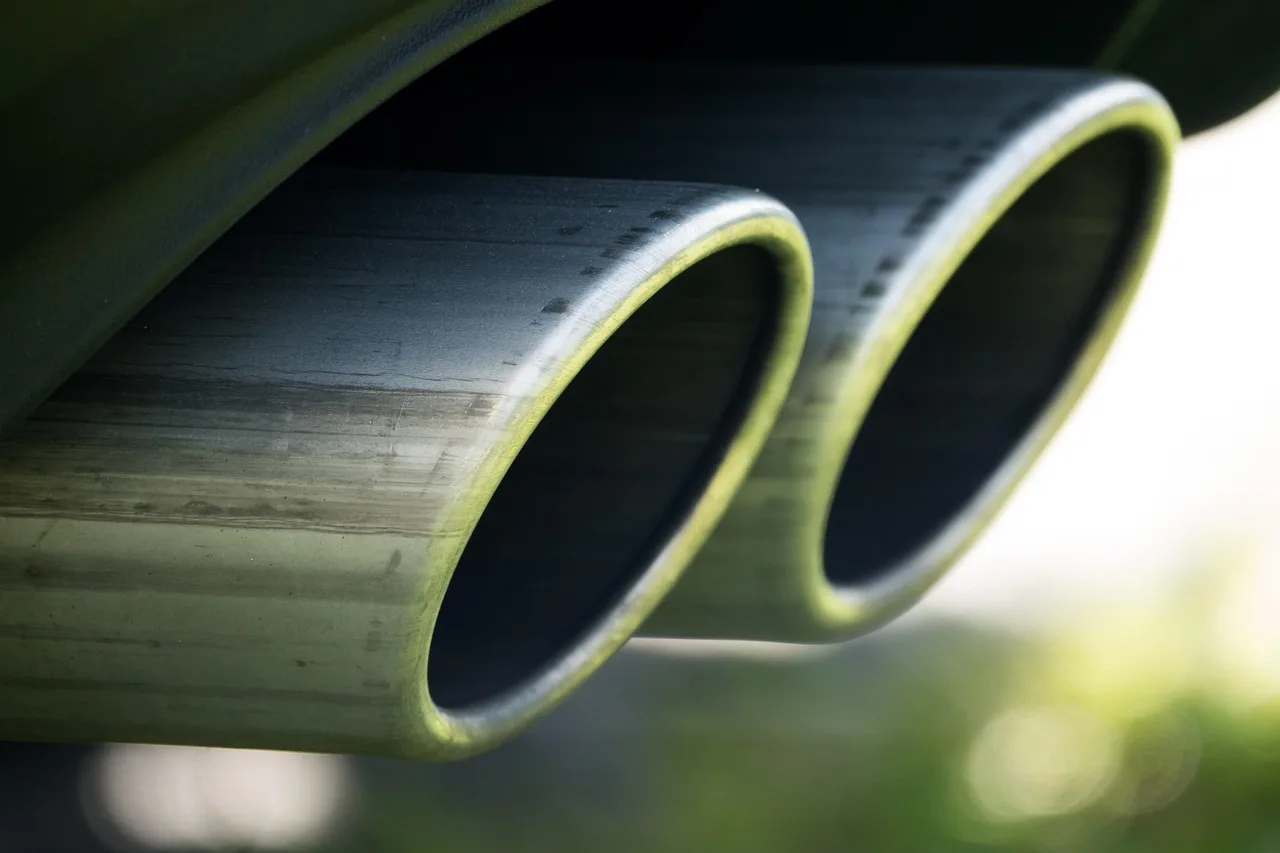
Start with measurement and fitment, then choose the mount method, then set final alignment before tightening fully. A clean install depends on clear bumper spacing, a round pipe end, and enough room to center both outlets without pointing one side lower than the other.
Install the tip
- Dry-fit the assembly. Slide the dual-tip or splitter onto the outlet without tightening. Confirm that the inlet size matches and that the rear edge will clear the bumper by at least 1 inch.
- Set the outlet angle. Rotate the tip until both exits sit level and centered in the valance opening. On offset pipes, use the adapter position to keep the visible outlets square.
- Snug the clamp evenly. Tighten the clamp gradually from side to side so the load stays even. Over-tightening can crush thin-wall pipe or pull the tip off center.
- Check for movement. Shake the assembly by hand after tightening. If it shifts, loosen and reseat it rather than forcing the clamp harder.
- Inspect heat clearance. Make sure the tips do not touch plastic, the rear valance, or nearby shields. Recheck after a short drive because heat can change the seating position slightly.
A common first-timer mistake is centering the tip by eye and ignoring the pipe angle. The rear bumper looks fine in the driveway, but one outlet sits lower after the first heat cycle because the clamp was tightened before the assembly was fully square.
Keep the final position clean
If the bumper has a cutout, center the dual outlets inside that opening instead of centering on the pipe itself. The visible shape at the rear is what matters, and a pipe that is technically straight can still look crooked if the body opening is offset.
For a stock muffler, check the outlet direction before ordering. Some stock systems leave too little room for a wide splitter body, so a compact or angled tip may fit better than a long decorative unit.
Frequently asked questions
How do you install dual exhaust tips on a single outlet?
Measure the pipe, buy a dual-tip splitter with the correct inlet size, and dry-fit it before tightening. Center the outlets in the bumper opening, keep at least 1 inch of clearance from heat-sensitive trim, and use clamp-on or weld-on mounting based on how secure the fit needs to be.
Can I put dual tips on a stock muffler?
Yes, if the outlet size, direction, and rear clearance support it. Many stock mufflers will accept a dual-tip splitter, but not every stock layout leaves enough room for a wide body or offset adapter. Check the muffler outlet and bumper shape before buying the part.
How far should exhaust tips stick out past the bumper?
Keep the tip far enough out that hot exhaust does not bake the bumper or valance, but not so far that it becomes a snag point. A common target is a modest extension beyond the bumper edge with at least 1 inch of heat clearance to nearby trim.
Will dual exhaust tips change sound or backpressure?
Dual tips can change the sound a little, mostly at the tail end of the system, but appearance changes more than performance. Claims about backpressure should be kept modest on stock single-outlet systems. The muffler and pipe layout matter far more than the tip alone.
How do I align dual exhaust tips so they sit centered?
Center the outlets in the bumper or valance opening, then verify the pipe angle from behind and from the side. Tighten the clamp in small increments and recheck level from both views. If the pipe is offset, use an adapter or welded correction to square the tip.
What’s the difference between dual wall and single wall exhaust tips?
Dual wall tips use an inner and outer shell, which gives better heat management and a more finished look. Single wall tips are simpler and lighter, but the outer surface usually runs hotter and can look less refined. Choose dual wall when durability and appearance matter.
Will angled dual tips help with ground clearance?
Yes, angled dual tips can help on trucks and SUVs because they direct exhaust downward and can keep the outlets away from the bumper, hitch, or spare tire. They are a good fit when rear clearance is tight, but the angle still has to avoid hot spots on nearby parts.
Can a dual exhaust tip be used on trucks and SUVs?
Yes, and they are often used on trucks and SUVs where clearance and appearance both matter. Angled dual outlets are common for this reason. Check the rear bumper, spare tire, and suspension travel first, because those vehicles often have less room behind the axle than a car.