
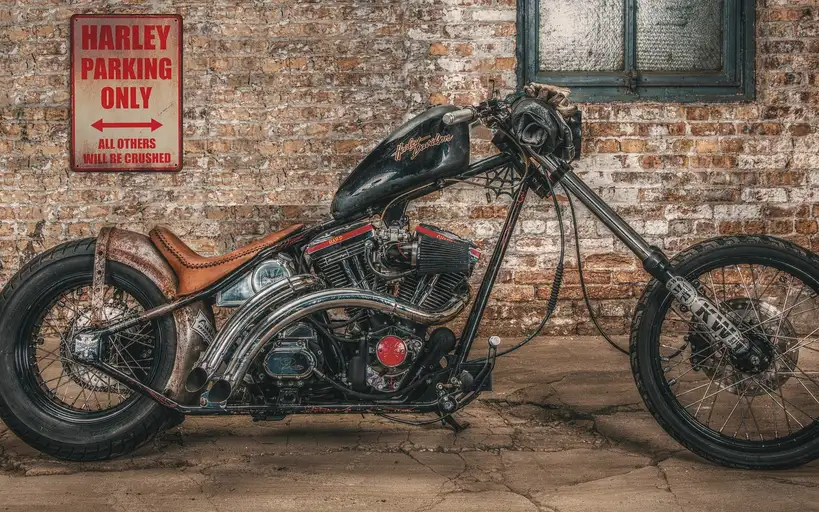
How to Choose the Best Motorcycle Exhaust System
Choose the best motorcycle exhaust by checking fitment first, then match pipe type to your bike, riding use, noise limits, and whether the system needs a fuel tune. Pick the wrong one and you can lose low-end torque, trigger a check-engine light, fail inspection, or buy a loud pipe that drones on the highway. This guide covers slip-ons versus full systems, materials, sound, weight, emissions rules, tuning risk, and the checks that matter before you buy.
What the right exhaust changes
A good exhaust changes more than sound. It affects how your bike breathes, how much heat reaches nearby parts, how much weight it carries, and how well it stays legal on the street. Start with the motorcycle itself, then match the system to how you ride.
Sound matters, but so does drone. A short muffler can sound sharper and louder, while a longer one often gives a deeper, more controlled tone. If you ride at steady highway speed, that difference can decide whether the bike feels pleasant or tiring after 30 minutes.
Flow changes matter too. Headers, the muffler, and any catalytic converter all shape scavenging, which affects cylinder filling, torque, and throttle response. Poor pipe sizing can hurt that effect rather than improve it.
Sound and drone
Noise is a tradeoff, not a free upgrade. Louder pipes can sound exciting at idle and still be annoying at cruise if the muffler length and baffle design produce drone. On a street bike, a controlled tone is usually easier to live with than a sharp bark that wears you out.
Weight and heat
Exhaust material changes weight, heat resistance, durability, and price. Stainless steel is durable and affordable. Titanium is lightweight and heat-resistant. Carbon fiber is lightweight and sleek, but it tends to cost more and needs careful placement because heat can be an issue near hot sections.
Flow and throttle response
Headers connect to the exhaust ports, and pipe diameter matters. Too small can choke high-rpm power. Too large can soften low-end torque and weaken scavenging. A well-matched pipe keeps response clean across the rev range instead of chasing one narrow peak.
Slip-on or full system?

- Full system for 2015-2019 Yamaha Raptor 700
- Yoshimura Signature part number listed
- Stainless steel construction in the title
A slip-on replaces only the rear muffler and keeps the factory headers and mid-pipe. A full system replaces the complete exhaust assembly, including headers and muffler. If you want a simpler install and a smaller change, start with the slip-on. If you want the most performance potential, the full system is the bigger change.
Many riders prefer slip-ons because they offer sound improvement without extensive modifications. That makes sense when you want less weight, a better tone, and lower cost without opening the tuning can of worms that often follows a full system.
What a slip-on replaces
A slip-on exhaust replaces only the rear muffler while retaining the factory headers. It is usually cheaper, easier to install, and more likely to keep the bike close to stock behavior. It can change tone a lot more than it changes peak output.
What a full system replaces
A full system replaces the complete exhaust assembly, including headers and muffler. That gives the highest flow-change potential and can alter scavenging more noticeably. It also costs more, takes more installation effort, and is more likely to need fuel tuning or ECU mapping.
Which one fits your budget and goals?
If you want sound, modest weight savings, and simple installation, a slip-on usually makes sense. If you want the strongest performance potential and are prepared to check tuning, clearance, and legal compliance, a full system is the better match.
Can you put any exhaust on a motorcycle?

- Universal slip-on fits 38-51mm exhaust pipes
- Removable DB killer for different sound levels
- Includes accessories like springs, hooks, and clamps
No. Fitment depends on the exact motorcycle, because header diameter, mounting points, O2 sensor bungs, catalyst layout, and clearance all vary. A pipe that bolts to one model can interfere with plastics, luggage, a centerstand, or heat-sensitive parts on another.
Do not treat “universal” as a guarantee. Even if the outlet diameter looks close, bracket position and sensor placement can make the install awkward or impossible without extra work.
Header size and mounting points
Check the header diameter and the location of the mounting tabs before you buy. If the flange size or bracket position does not match the bike, you may get leaks, stress on the joint, or a system that sits crooked under load.
O2 sensor bungs and catalyst layout
Modern EFI bikes often rely on O2 sensor placement. If the bungs are missing or in the wrong place, the bike may not run correctly after installation. A catalytic converter also changes the layout, weight, and legal status of the system.
Clearance for plastics, luggage, and centerstands
Look for real-world clearance, not just a part number. Check side cases, pannier mounts, passenger pegs, centerstands, and any plastic panels near the muffler or headers. Heat soak and interference show up fast after a long ride.
Do you need tuning after an exhaust swap?
Sometimes yes, sometimes no. A slip-on may not always require tuning, especially when the rest of the intake and exhaust path stays close to stock. A full exhaust is more likely to require fuel tuning, ECU mapping, or carburetor adjustment to keep the bike smooth and safe.
Symptoms of a mismatch include popping on decel, surging at steady throttle, weak midrange response, or a check-engine light on EFI bikes. Carbureted and EFI bikes behave differently, so the same exhaust can need very different follow-up work.
When a slip-on may be fine
A slip-on often works without remap work when it keeps the stock headers, catalyst, and sensor setup intact. That is why many riders choose it first. If throttle response stays clean and the bike idles normally, further changes may not be necessary.
When a full system often needs remap work
A full system changes flow enough that fueling can drift. On EFI bikes, that can mean remapping or a fuel controller. On carbureted bikes, jetting changes may be needed. The more the exhaust flow changes, the more likely the fueling must follow.
Warning signs of a poor match
Watch for popping, surging, rough idle, and hesitation when you open the throttle. Those are common signs that the exhaust and fueling no longer agree. If the bike runs hotter than before or feels flat in the midrange, stop treating it as a cosmetic change.
How do I choose the right exhaust for my riding style?
Choose by use case first. A commuter needs predictable manners, low fatigue, and legal compliance. A touring rider usually wants controlled sound, minimal drone, and good luggage clearance. A sportbike rider may care more about weight reduction and top-end flow. A cruiser rider often wants a deeper tone and easy fitment. A track rider can prioritize performance potential and tuning flexibility.
Say your bike is a daily commuter and you ride 40 minutes on the highway. A short, loud muffler may sound exciting in the parking lot and become tiring by the second week. A longer slip-on with a catalyst retained is often the calmer choice.
Suppose you ride a sportbike on canyon roads and want sharper response above the midrange. A full system with proper tuning can make sense, but only if the pipe size and mapping suit the engine. Bigger is not automatically better.
Commuter and touring priorities
For commuting and touring, favor legal noise levels, good clearance, and low drone. Retaining the catalytic converter often helps keep the bike easier to live with and less risky at inspection time. A slip-on is often the safer starting point.
Sportbike and track priorities
For sport and track use, flow change and weight savings matter more. A full system can help where high-rpm breathing matters, but tuning becomes more important too. If the bike already feels crisp, do not sacrifice rideability just to chase a louder note.
Cruiser and small-bike priorities
Cruisers often benefit from a muffler that gives a deeper tone without excessive drone. Small-displacement bikes can lose useful torque if the pipe is too large or the tuning is ignored. Keep the exhaust matched to the engine size, not to a sound clip.
Which exhaust material is best: stainless steel, titanium, or carbon fiber?
There is no single best material for every rider. Stainless steel is the practical choice when you want durability and a lower price. Titanium makes sense when weight and heat resistance matter more. Carbon fiber suits riders who want a lighter part with a cleaner look, but price and heat exposure still matter.
The material choice should follow use. A road bike that sees weather and long service intervals often points toward stainless steel. A performance-focused bike may justify titanium if the cost fits the budget. Carbon fiber works best when the design keeps it away from the hottest sections.
Stainless steel
Stainless steel is durable and affordable. It usually adds more weight than titanium, but it also stands up well to weather and daily use. For many street riders, that is the safest value choice.
Titanium
Titanium is lightweight and heat-resistant. It tends to cost more, but the weight savings can matter on sport and track bikes. Fit and finish matter here, because premium material does not fix poor design or bad tuning.
Carbon fiber
Carbon fiber is lightweight and sleek. It can reduce visual bulk and weight, but it is more sensitive to heat management than metal in some parts of the system. Check how close the canister sits to the header and whether the design is meant for street use.
Motorcycle exhaust decision matrix
| Rider use case | Fitment risk | Tuning likelihood | Sound change | Weight savings | Legal risk | Buy this if… |
|---|---|---|---|---|---|---|
| Commuter | Low | Low to medium | Medium | Low | Medium | You want a calmer tone, easy install, and fewer inspection headaches. |
| Touring rider | Medium | Low to medium | Medium | Low to medium | Medium | You need controlled noise, minimal drone, and enough clearance for luggage. |
| Sportbike rider | Medium | Medium to high | High | High | Medium | You want better top-end flow and are willing to verify fueling afterward. |
| Cruiser rider | Low to medium | Low | High | Low to medium | Medium to high | You want deeper sound and an exhaust that fits the bike without drama. |
| Track rider | Medium | High | High | High | Low on track, high on street | You are chasing maximum performance potential and will tune for it. |
Mistakes to avoid
The most common mistake is buying by sound clip alone. A clip does not show drone, clearance, bracket alignment, or whether the system keeps the catalyst you need for legal use.
Another mistake is assuming a louder pipe is faster. Sound can rise while usable power stays flat or even gets worse, especially if the pipe is poorly sized or the fueling is off.
Do not ignore the warning signs after installation. If the bike pops, surges, or feels lazy at part throttle, check the fueling setup before you keep riding it that way.
- Confirm your exact bike model, year, and trim.
- Check whether you want a slip-on or a full system.
- Match the exhaust to your main use: commute, touring, sport, cruiser, or track.
- Verify header diameter, mounting points, O2 sensor bungs, and catalyst layout.
- Check clearance for plastics, luggage, centerstands, and heat-sensitive parts.
- Compare the material: stainless steel, titanium, or carbon fiber.
- Review local sound limits and road-legal requirements before you order.
- Plan for tuning if the system changes fueling enough to cause popping, surging, or poor throttle response.
Common first-timer mistake: a rider buys a universal muffler for a bike with a tight side panel and a centerstand. The clamp fits the pipe, but the body sits too close to the plastic and heats it on a long ride. The fix is to check clearance dimensions before buying, not after.
Another common mistake is keeping the stock fueling map after a full system on an EFI bike. If the bike starts surging at steady throttle, the next step is to verify sensor placement and then move to remap work rather than hoping the problem disappears on its own.
Frequently asked questions
Is it bad to run a motorcycle without exhaust?
Yes, it can be. Without the correct exhaust path, noise becomes extreme, scavenging can suffer, and the bike may run poorly or illegally. It can also stress nearby parts with extra heat and make tuning impossible to judge properly.
What is the difference between a slip-on and a full exhaust?

- Slip-on exhaust for easy fitment
- Built for 2017-2018 Harley-Davidson Touring models
- Twin Slash end treatment from Vance & Hines
A slip-on replaces only the rear muffler while keeping the stock headers. A full exhaust replaces the complete assembly, including headers and muffler. The full system changes flow more, but it is also more likely to need tuning.
Do you need to tune a motorcycle after changing the exhaust?
Not always. A slip-on may not need fueling changes, especially if the rest of the system stays close to stock. A full system often does, and signs like popping, surging, or poor throttle response mean you should check the map or jetting.
Will a louder exhaust automatically make my motorcycle faster?
No. Louder sound does not guarantee more power. If the pipe size is wrong or fueling is off, the bike can lose torque or ride worse. Real gains come from matched flow, correct scavenging, and proper tuning.
What should I check for before buying an aftermarket motorcycle exhaust?
Check the exact bike fitment, header diameter, bracket position, O2 sensor bungs, catalyst layout, and clearance for plastics, luggage, and a centerstand. Then compare noise rules and tuning needs before you order, not after installation.


