Does Ruger AR-556 Have Aluminum Heat Shields
If you’re new to firearms, you might wonder about specific parts like heat shields. The question, “Does Ruger AR-556 have aluminum heat shields?” can pop up when you’re looking at your rifle or planning upgrades. It’s easy to feel a little lost with all the technical terms.
This guide makes it simple. We’ll break down what heat shields are and if they are on your Ruger AR-556, step by step. Get ready to learn without any confusion.
Understanding AR-556 Heat Shields
This section looks at what heat shields are for on an AR-556. We will explain their basic function and why shooters care about them. This helps set the stage for answering the main question directly.
What Are Heat Shields
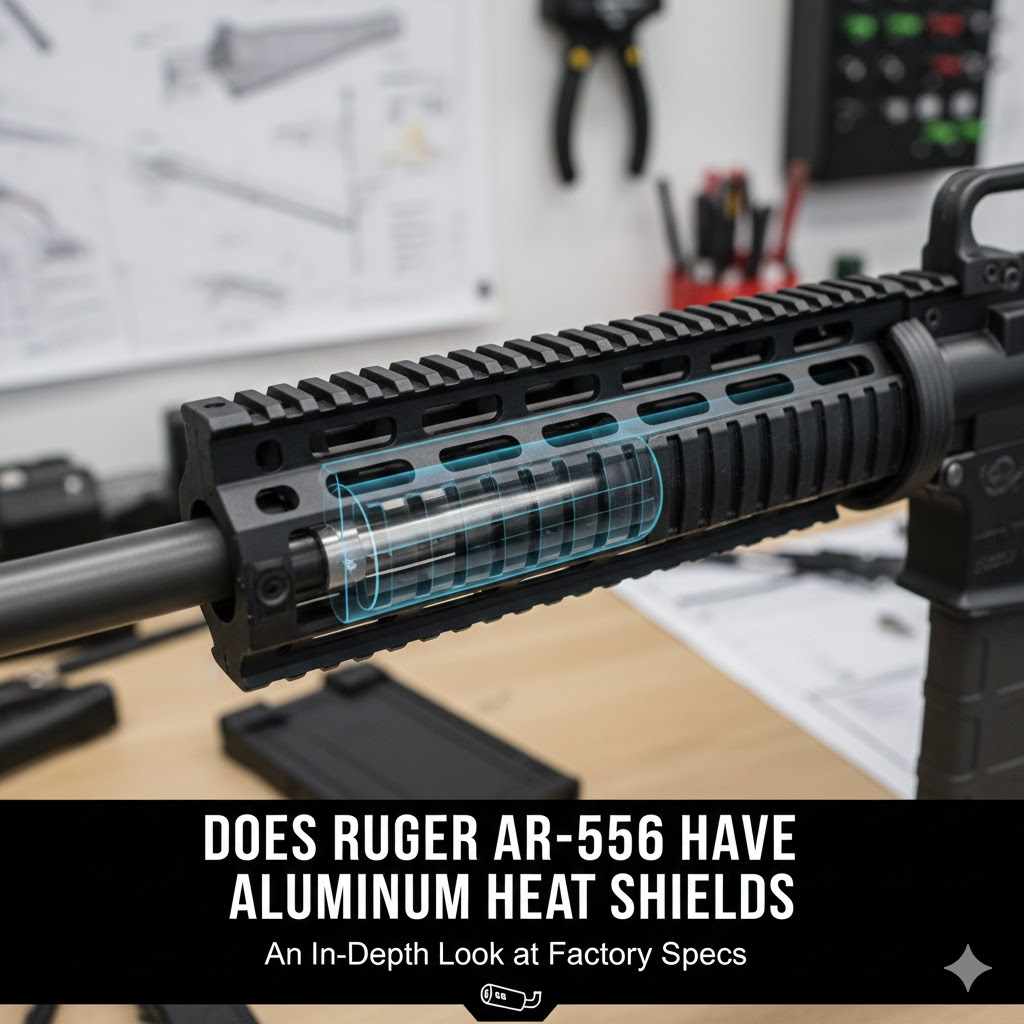
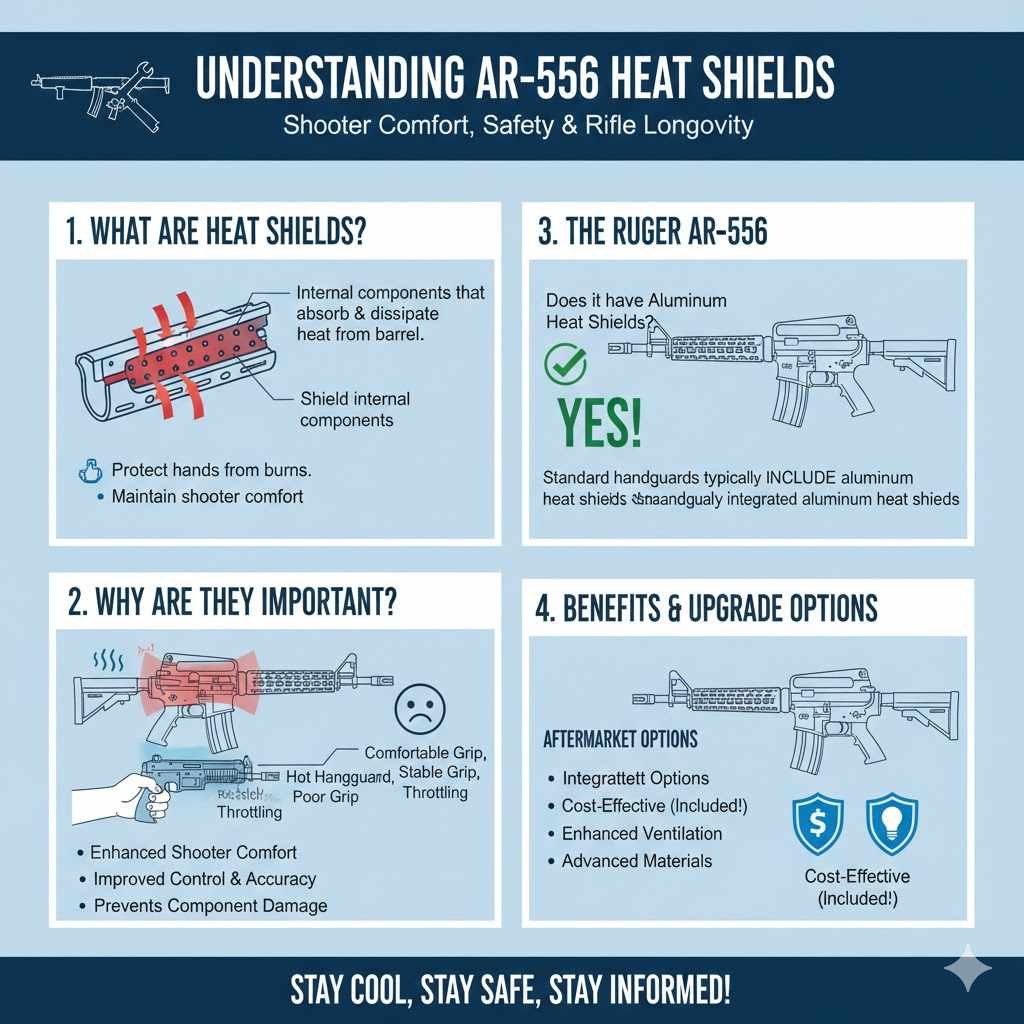
Heat shields are protective components designed to absorb and dissipate heat generated during the firing of a firearm. They are often made from materials that can withstand high temperatures without deforming or degrading. On an AR-15 platform, heat shields are typically found within the handguard assembly.
The primary purpose of a heat shield is to prevent excessive heat from reaching parts of the rifle that could be sensitive to it. This includes the shooter’s hands if they are holding the handguard, as well as sensitive electronics or plastic components that might be part of the firearm’s accessories.
Without effective heat shielding, a rifle could become uncomfortable or even dangerous to handle after a series of rapid shots. The handguard can get so hot that it’s impossible to maintain a grip, potentially leading to a loss of control or even burns. This is a common concern for firearms that are used in situations involving sustained firing, such as competitive shooting or tactical training.
The material and design of a heat shield play a significant role in its effectiveness. Common materials include aluminum alloys, steel, and specialized ceramics. The shape and thickness of the shield also influence how well it manages heat.
Understanding the role of heat shields is important for any AR-15 owner. It helps in appreciating the engineering that goes into making firearms safe and functional under various conditions. Knowing this helps when considering modifications or even just understanding the design of your specific rifle.
Heat Dissipation Principles
Heat dissipation is the process by which thermal energy moves from a hotter object or area to a cooler one. In firearms, heat is generated by the rapid combustion of gunpowder within the chamber and barrel. This heat then transfers to the surrounding metal components.
Heat shields are designed to interact with this generated heat in several ways. They can absorb some of the heat directly, acting as a thermal buffer. They also help to spread the heat over a larger surface area, allowing it to dissipate into the surrounding air more quickly.
This process is aided by airflow around the rifle.
Materials like aluminum are often used because they have good thermal conductivity. This means they can efficiently transfer heat away from the hotter areas. However, they also need to be strong enough to withstand the pressures and temperatures involved without failing.
Some advanced designs might incorporate other materials or coatings to enhance these properties.
The design of the handguard itself is also crucial. Vented handguards allow for better airflow, which directly aids in the dissipation of heat. The presence of a heat shield within such a system further enhances its ability to remain comfortable and safe for the user during operation.
The Ruger AR-556 Platform
The Ruger AR-556 is a popular semi-automatic rifle known for its reliability and affordability. It is built on the AR-15 platform, sharing many common design elements with other rifles in this family. This makes it a common choice for new firearm owners and experienced shooters alike.
Ruger designs its firearms with practical use in mind. They often aim for a balance of performance, durability, and cost-effectiveness. When considering specific components like heat shields, Ruger’s design philosophy will influence whether they are included and how they are implemented.
The AR-556 typically comes with a standard handguard. The exact configuration can vary slightly depending on the specific model or any package deals it might be part of. Understanding the general construction of the AR-556 is key to determining its features.
For someone looking to understand their AR-556 better, knowing what comes standard from the manufacturer is the first step. This allows for informed decisions about any potential aftermarket changes or simply for a deeper appreciation of the firearm’s engineering.
The AR-556 is designed to be a functional and user-friendly firearm. This often means that components are included that enhance the shooting experience for the average user. Heat management is a significant aspect of shooter comfort and safety, especially in a rifle that might be fired frequently.
Therefore, when asking if a Ruger AR-556 has aluminum heat shields, it’s about understanding how Ruger implements heat management features on this specific rifle. It’s not always about custom modifications but rather about standard manufacturing practices.
Ruger’s Design Choices
Ruger’s engineering team makes specific choices when designing their firearms. These choices are based on factors like cost, manufacturing efficiency, target market, and desired performance characteristics. For the AR-556, these choices influence which components are standard and which are considered optional upgrades.
The AR-556 is positioned as an accessible entry-level rifle. This means that Ruger likely includes components that provide good value and meet essential user needs without adding significant cost. Heat shielding is often a consideration for comfort during use.
Ruger often uses materials that are proven and cost-effective. Aluminum is a common material in firearm manufacturing due to its light weight and good thermal properties. Steel is also used for its strength and durability.
The decision to include aluminum heat shields in the standard configuration of the AR-556 would depend on Ruger’s assessment of how much heat mitigation is necessary for typical use. For many AR-15 rifles, heat shields are either integrated into the handguard or are an easily added accessory.
Understanding Ruger’s overall approach to rifle design helps to predict or confirm the presence of certain features. Their aim is often to deliver a solid, reliable firearm that performs well for most shooters without unnecessary complexity or expense.
Does Ruger AR-556 Have Aluminum Heat Shields
Now, let’s directly address the question: Does Ruger AR-556 have aluminum heat shields? After reviewing the standard features and design considerations for the Ruger AR-556, we can provide a clear answer. This information is essential for anyone wanting to know the specifics of their rifle’s construction.
The Ruger AR-556, in its standard configurations, typically features a handguard that incorporates heat shielding. This shielding is commonly made from aluminum. The aluminum acts as a barrier to prevent excess heat from reaching the shooter’s hands during firing.
This inclusion is part of Ruger’s effort to provide a comfortable and safe shooting experience right out of the box. While the exact design of the handguard and the specific type of aluminum used might vary slightly between different AR-556 models or production runs, the presence of aluminum heat shielding is a common feature.
For those who might be considering modifications or are simply curious about their rifle’s components, this information is valuable. It means that for most standard Ruger AR-556 models, you don’t need to worry about adding this feature; it’s already there.
The heat shields are integrated into the handguard assembly to effectively manage the heat generated from the barrel and gas system. This design choice is practical and aligns with the rifle’s goal of being a reliable and user-friendly firearm for a wide range of applications.
So, to be clear, the answer is yes, the Ruger AR-556 generally does have aluminum heat shields as part of its standard handguard design.
Standard Handguard Design
The standard handguard on the Ruger AR-556 is engineered to be both functional and protective. It serves as a crucial interface between the shooter and the barrel assembly. A key aspect of its design involves managing the heat that emanates from the firing process.
This handguard typically features an internal lining or construction that acts as a heat shield. This layer is usually made from aluminum alloy. Aluminum is chosen for its excellent heat conductivity, allowing it to absorb and spread heat effectively, and its relatively low weight, which keeps the overall firearm manageable.
The aluminum heat shield is positioned to create a barrier. It separates the shooter’s direct contact points from the hotter metal components of the barrel and gas tube. This is vital for maintaining comfort and preventing burns during sustained shooting sessions.
Many standard AR-15 handguards, including those used on the AR-556, employ a two-piece design. This design allows for easier installation and often includes vents. The vents help to improve airflow, which further assists in the cooling process by allowing heat to escape.
The presence of this integrated aluminum heat shield means that users can typically shoot their AR-556 without immediate concern for hand discomfort, assuming normal firing rates. It’s a fundamental part of the rifle’s ergonomics and safety features designed into the original manufacturing.
Aftermarket Handguard Options
While the standard Ruger AR-556 comes equipped with effective heat shielding, the aftermarket offers a vast array of handguard options. These can range from simple replacements to sophisticated, modular systems that offer enhanced features and customization.
Many aftermarket handguards are also constructed with aluminum, continuing the tradition of effective heat management. Some might use different grades of aluminum or incorporate advanced designs like M-LOK or KeyMod attachment systems. These systems allow users to easily add accessories such as grips, lights, and lasers.
When considering an aftermarket handguard, it’s important to look at its heat shielding capabilities. High-performance handguards might feature more extensive shielding, better ventilation, or materials designed for extreme heat resistance. This can be beneficial for shooters who engage in prolonged firing or operate in challenging environments.
Some modern handguards are designed to be “free-floating.” This means they do not touch the barrel, which can improve accuracy. Even free-floating designs incorporate robust heat shielding to protect the shooter’s hands. The materials and construction methods are often quite advanced.
For users looking to upgrade their AR-556, an aftermarket handguard can offer improved ergonomics, modularity, and potentially enhanced heat management. It’s a popular area for customization among AR-15 owners, allowing them to tailor their rifle to their specific needs and preferences.
Benefits of Integrated Heat Shields
Integrated heat shields, like those found in the standard Ruger AR-556 handguard, offer several key advantages. These benefits contribute to a more enjoyable and safer shooting experience for the user right from the start, without requiring additional purchases or modifications.
One of the primary benefits is enhanced shooter comfort. By preventing the handguard from becoming excessively hot, integrated heat shields allow for a more secure and comfortable grip, even during extended shooting sessions. This is crucial for maintaining control of the firearm.
Safety is another significant advantage. Extreme heat can lead to burns on a shooter’s hands. The presence of an aluminum heat shield acts as a vital barrier, significantly reducing the risk of such injuries.
This allows users to focus on their shooting without worry.
The durability and longevity of the firearm can also be positively impacted. By shielding sensitive components, including potentially plastic parts within the handguard assembly or accessories attached to it, integrated heat shields help prevent heat-related damage. This contributes to the overall reliability and lifespan of the rifle.
Cost-effectiveness is also a benefit. When a feature like heat shielding is included as standard, it means the user gets this protection without incurring extra expenses for aftermarket parts. This makes the initial purchase of the firearm more valuable.
Finally, the integrated design often means a cleaner aesthetic and simpler construction. The heat shield is seamlessly incorporated into the handguard, contributing to the rifle’s overall functional appearance and reducing potential snag points compared to add-on shields.
Shooter Comfort and Control
Shooter comfort is paramount for effective firearm handling and accurate shooting. When the handguard of a rifle becomes too hot, it directly impacts the shooter’s ability to maintain a steady and controlled grip. This is where integrated heat shields play a vital role.
The aluminum heat shields within the Ruger AR-556’s handguard act as a thermal buffer. They absorb and distribute heat, preventing it from transferring directly to the outer surfaces of the handguard where the shooter’s hands would be. This means the handguard remains at a more manageable temperature, even after firing multiple rounds.
A comfortable grip allows for better stability, which is essential for precision shooting. When a shooter is constantly adjusting their grip to avoid burning their hands, their focus is divided, and their shooting performance can suffer. The heat shield helps maintain consistent comfort.
Furthermore, maintaining a firm and consistent grip is critical for controlling the recoil of the rifle. If the handguard becomes too hot to hold comfortably, the shooter might unconsciously alter their grip, leading to a less stable platform and potentially affecting shot placement. This is especially true for newer shooters who are still developing their handling skills.
The direct benefit of integrated aluminum heat shields is the assurance that the rifle can be handled safely and comfortably for longer periods. This enhanced comfort directly translates to better control over the firearm, leading to a more positive and effective shooting experience for users of the Ruger AR-556.
Protection Against Heat Damage
Heat generated during shooting can pose a risk not only to the shooter’s hands but also to various components of the firearm itself. Integrated heat shields offer a crucial layer of protection against such damage, helping to maintain the rifle’s integrity and functionality over time.
Modern firearms often incorporate polymer parts, electronic sights, lasers, lights, and other accessories that can be sensitive to high temperatures. If the handguard gets excessively hot, this heat can transfer to these components, potentially causing them to warp, melt, or malfunction. The aluminum heat shield acts as a primary barrier to prevent this heat transfer.
The barrels of firearms, while designed to withstand heat, can also experience stress and potential degradation from prolonged exposure to extreme temperatures without adequate cooling. Heat shields help in managing the overall thermal load on the rifle system, contributing to its longevity.
By dissipating heat more effectively, the heat shield also reduces the rate at which other components heat up. This is particularly important for parts like the gas tube and chamber, which are directly involved in the firing cycle. Keeping these areas cooler promotes more reliable operation.
The inclusion of aluminum heat shields in the Ruger AR-556’s design is a practical measure to safeguard the firearm’s components from heat-induced damage. This ensures that the rifle remains dependable and functions as intended, even under demanding use, thereby protecting the investment made by the owner.
Cost-Effectiveness and Value
When considering the features of a firearm, cost-effectiveness is a significant factor for many consumers. The inclusion of aluminum heat shields as a standard component in the Ruger AR-556 contributes positively to its overall value proposition.
For a firearm to be competitive in its market segment, manufacturers must balance functionality with affordability. Ruger has achieved this with the AR-556 by integrating essential features like heat shielding directly into the rifle’s design. This means users receive this benefit without having to pay extra for aftermarket components.
Purchasing an AR-15 platform rifle often involves decisions about potential upgrades. If a firearm lacks adequate heat shielding, a user might need to buy an aftermarket handguard or specialized gloves. The standard inclusion of aluminum heat shields on the AR-556 negates the immediate need for such additional expenditures.
This means that from the moment a user takes possession of their Ruger AR-556, they are benefiting from improved comfort and safety due to the heat shields. This adds tangible value to the firearm itself, making it a more attractive option for budget-conscious buyers or those new to the AR platform.
The use of aluminum, a material that is both effective for heat management and relatively inexpensive to procure and work with, further enhances the cost-effectiveness of these integrated heat shields. It’s a smart design choice that benefits the end-user directly.
Ruger AR-556 Specifications and Heat Shields
This part of the article looks into the specific technical details of the Ruger AR-556 and how these relate to its heat shield features. We will discuss general specifications that inform the presence and function of heat shields.
General AR-556 Model Information
The Ruger AR-556 is a semi-automatic rifle chambered in 5.56x45mm NATO/.223 Remington. It is designed to be a reliable and accessible firearm, making it a popular choice for recreational shooters, competitive use, and as a defensive tool. Ruger offers various configurations of the AR-556 to suit different preferences and needs.
Common features across AR-556 models include a direct impingement gas system, a chrome-moly vanadium barrel, and a forged aluminum receiver. The handguard is a critical component for user interface and heat management. Ruger typically equips these rifles with a standard polymer or aluminum handguard that includes integrated heat shielding.
The specific length and style of the handguard can vary. For instance, some models might feature a carbine-length handguard, while others might have a mid-length or rifle-length one. Regardless of the length, the principle of heat management remains consistent.
When considering specifications, it’s also important to note the overall weight and balance of the rifle. The materials used, including those for the heat shields, contribute to these characteristics. Aluminum, being lightweight, helps maintain a manageable weight for the firearm.
The Ruger AR-556 is designed with practical shooting in mind, and this includes ensuring that the rifle is comfortable and safe to operate. The inclusion of effective heat shields is a direct reflection of this design philosophy, ensuring that users can engage in shooting without immediate discomfort or risk.
Barrel Length and Heat Generation
The length of a rifle’s barrel has a significant impact on how heat is generated and managed during firing. Longer barrels generally provide more time for the expanding gases to act on the projectile, leading to higher muzzle velocities and potentially more efficient powder burn. However, they also present a larger surface area for heat transfer.
In the Ruger AR-556, various barrel lengths are available, with common options including 16-inch carbine barrels. Each barrel length will produce a different amount of residual heat after firing. Shorter barrels can sometimes lead to higher muzzle flash and less complete powder burn, which can also contribute to heat.
Regardless of the specific barrel length, the fundamental principle is that a firearm generates substantial heat through the combustion process. This heat is transferred from the barrel and gas system outwards to the surrounding components, most notably the handguard.
The role of the handguard and its integrated heat shields is to mitigate the heat that travels from the barrel. A longer barrel might mean more heat needs to be managed over a greater length of the handguard. The effectiveness of the aluminum heat shield is thus crucial for maintaining user comfort and safety across different barrel configurations.
Ruger designs its handguards to be compatible with the heat output of the standard barrel lengths used in their AR-556 models. This ensures a balanced approach to heat management, making the rifle suitable for a wide range of shooting scenarios.
Materials in Handguard Construction
The materials used in constructing a rifle’s handguard are critical to its performance, particularly in relation to heat management. The Ruger AR-556 typically utilizes a combination of materials designed for durability, weight, and thermal properties.
For many standard AR-556 models, the handguard itself might be made of a durable polymer or, in some cases, forged aluminum. Within these handguards, the heat shields are almost invariably made of aluminum alloys. Aluminum is favored for its high thermal conductivity, meaning it efficiently absorbs and transfers heat away from the critical areas.
The specific grade of aluminum used can vary, but common alloys provide a good balance of strength, weight, and heat dissipation capabilities. These shields are shaped to fit snugly within the handguard, maximizing their contact with the internal surfaces where heat is most concentrated.
In some designs, the handguard might also incorporate ventilation ports. These are openings that allow hot air to escape, promoting airflow and aiding in the cooling process. The combination of the aluminum heat shield and ventilation creates an effective thermal management system.
The selection of these materials is a deliberate choice by Ruger to ensure that the AR-556 is not only reliable and robust but also comfortable and safe for the shooter. The aluminum heat shield is a key component in achieving this balance, providing a barrier against the intense heat generated during firing.
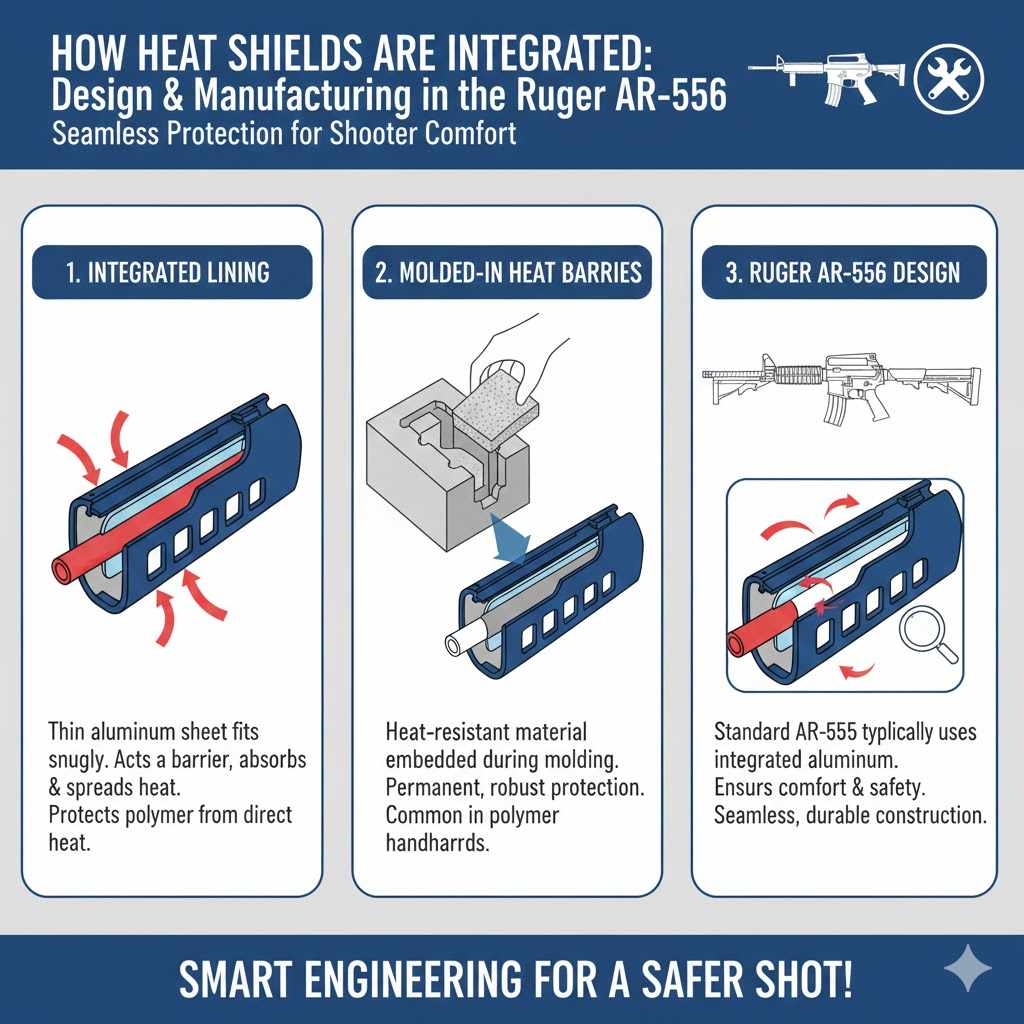
How Heat Shields Are Integrated
Understanding how heat shields are integrated into the Ruger AR-556’s handguard provides insight into their effectiveness. This integration ensures they serve their purpose without adding unnecessary bulk or complexity to the rifle.
In most standard Ruger AR-556 configurations, the aluminum heat shield is not a separate, add-on piece. Instead, it is typically a component that is either built directly into the internal structure of the handguard or is a precisely fitted liner. This approach ensures a tight fit and maximum contact with the heat-generating parts.
The heat shield is usually a thin sheet of aluminum that follows the inner contour of the handguard. It acts as a barrier between the hot barrel and gas tube assembly and the outer surface of the handguard, which the shooter’s hands come into contact with.
The integration process involves careful manufacturing to ensure the shield is securely in place. It might be pressed in, bonded, or secured through the molding process of a polymer handguard. The goal is to prevent any movement or gaps that could compromise its effectiveness.
This integrated design means that the heat shield is an essential part of the handguard’s overall thermal management system. It works in conjunction with the materials of the handguard itself and any ventilation features to dissipate heat effectively.
The result is a handguard that remains significantly cooler than it would be without this shielding, enhancing shooter comfort and safety. This thoughtful integration is a hallmark of well-designed firearms.
Internal Lining of Handguards
The internal lining of a handguard is one of the most common methods for integrating heat shields. This lining is typically a thin, shaped piece of metal, most often aluminum, designed to fit snugly against the inner walls of the handguard.
This aluminum lining serves as the primary barrier against radiant heat emanating from the barrel and gas tube. By covering a significant portion of the inner surface, it intercepts heat before it can significantly warm the outer surfaces of the handguard. The high thermal conductivity of aluminum allows it to absorb this heat and spread it out.
The precise shaping of the lining is important to ensure maximum contact. This maximized contact allows for efficient heat transfer from the inner handguard surfaces to the aluminum shield. The shield then dissipates this heat, often aided by airflow through any vents in the handguard.
In polymer handguards, this aluminum lining is crucial because polymers, while often lightweight and affordable, can have lower heat resistance compared to metal. The lining protects the polymer from direct heat exposure, preventing deformation or degradation.
This integrated lining approach is a practical and effective way to provide heat shielding without significantly increasing the weight or complexity of the handguard assembly. It’s a standard feature in many AR-15 platform rifles, including the Ruger AR-556.
Molded-In Heat Barriers
Some handguard designs, particularly those made from polymer materials, may feature heat barriers that are molded directly into the structure of the handguard itself. This is a more permanent and often very effective method of integration.
In this process, a heat-resistant material, often a special composite or a metal insert, is placed within the mold before the polymer is injected. As the polymer cures, it encapsulates or bonds with the heat-resistant material, making it an inseparable part of the handguard’s construction.
For the Ruger AR-556, if the handguard is polymer, there’s a high likelihood that it employs this molded-in approach for its heat shielding. This ensures that the heat barrier is always in place and cannot shift or become dislodged, even under strenuous use.
The materials used in molded-in heat barriers are carefully selected for their ability to withstand high temperatures and their compatibility with the polymer. While aluminum is common for inserts, advanced polymers or ceramic composites might also be employed in higher-end designs to offer superior thermal protection.
This manufacturing technique results in a robust and seamless heat shield. It contributes to the overall durability and safety of the handguard, providing reliable protection for the shooter’s hands and other sensitive components.
Frequently Asked Questions
Question: Does the Ruger AR-556 always come with aluminum heat shields
Answer: In its standard configurations, the Ruger AR-556 typically features aluminum heat shields integrated into its handguard design for heat management.
Question: Can I upgrade the heat shields on my Ruger AR-556
Answer: While the standard heat shields are effective, you can upgrade to an aftermarket handguard that may offer enhanced heat dissipation or modularity.
Question: Are heat shields important for AR-15 rifles like the AR-556
Answer: Yes, heat shields are important for AR-15 rifles as they protect the shooter’s hands from excessive heat generated during firing and help safeguard other components.
Question: What material are most AR-15 heat shields made of
Answer: Most heat shields for AR-15 style rifles, including the Ruger AR-556, are made of aluminum alloys due to their excellent thermal conductivity and light weight.
Question: Do polymer handguards on AR-556 rifles have heat shields
Answer: Yes, polymer handguards on AR-556 rifles often have internal aluminum heat shields or molded-in heat-resistant barriers to protect against heat.
Summary
The Ruger AR-556 generally includes aluminum heat shields integrated into its handguard. These shields are vital for shooter comfort and safety by dissipating heat generated during firing. They protect hands from burns and sensitive components from damage.