Does High-Grade Gas Clean Oxygen Sensors
Many car owners wonder, does high-grade gas clean oxygen sensors? It’s a common question, especially for those new to car care. You might hear conflicting advice, making it hard to know what’s true.
We’ll break down this common query simply. Get ready for easy steps to get the answer you need.
Does High-Grade Gas Clean Oxygen Sensors
Your car’s oxygen sensor, or O2 sensor, is a vital part of its exhaust system. It helps your engine run efficiently and keeps emissions low. This sensor measures the amount of oxygen in your exhaust gases.
It then sends this information to your car’s computer. The computer uses this data to adjust the fuel mixture. A proper fuel mixture means your car uses gas wisely and pollutes less.
When an oxygen sensor gets dirty or becomes faulty, it can cause problems. Your car might not run as well. You could notice worse gas mileage or your check engine light coming on.
Sometimes, people think using a higher octane fuel, like premium gas, can help clean these sensors. But is this really true? Let’s explore what the science and practical experience tell us.

What Are Oxygen Sensors and How Do They Work
Oxygen sensors are small but mighty components. They are typically found in the exhaust manifold, before the catalytic converter. There are usually one or more sensors depending on your vehicle’s make and model.
The sensor contains a ceramic element, often zirconia or titania, which changes its electrical resistance based on the oxygen level it detects.
The sensor needs to be hot to function correctly, so most modern sensors have a heating element. This heater warms the sensor up quickly after the engine starts. When exhaust gases pass over the hot sensor, it generates a voltage.
This voltage varies depending on the oxygen content. More oxygen means a lean fuel mixture, and less oxygen means a rich fuel mixture.
Your car’s engine control unit (ECU) constantly monitors this voltage. Based on the sensor’s readings, the ECU fine-tunes the amount of fuel injected into the engine. This precise control is key to optimizing combustion.
It ensures maximum power, best fuel economy, and minimal harmful emissions.
Why Oxygen Sensors Can Get Dirty
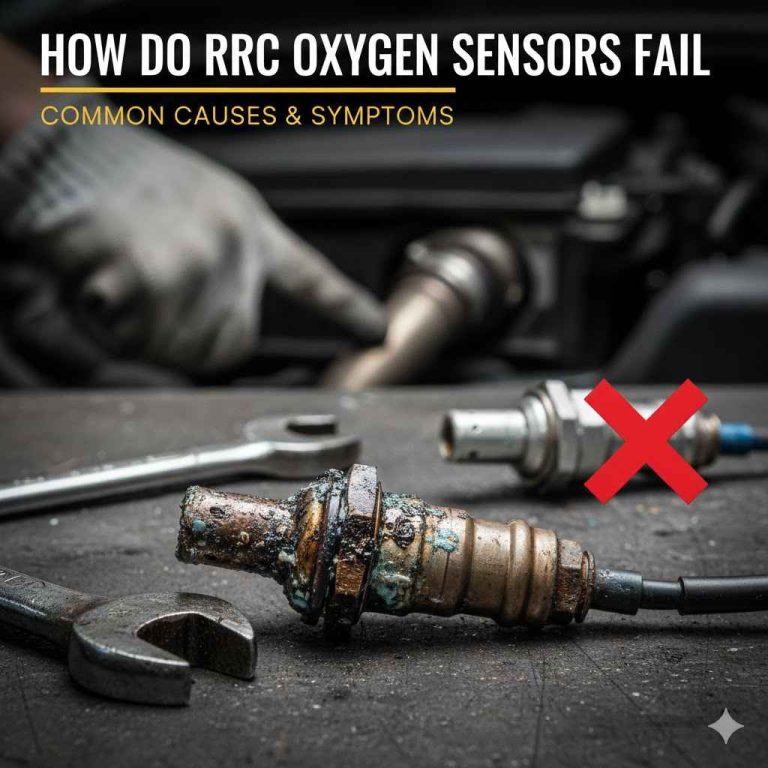
Oxygen sensors can become fouled over time for several reasons. The most common culprits include carbon buildup, oil contamination, and coolant leaks. Carbon deposits can form from incomplete combustion, especially if the fuel mixture is consistently too rich or if the engine is frequently run at low speeds or for short trips.
Oil can enter the exhaust system if there are engine problems, such as worn piston rings or valve seals. This oil burns and leaves deposits on the sensor. Coolant can leak into the combustion chamber and then enter the exhaust.
It can leave a white, powdery residue on the sensor. In some cases, excessive use of fuel additives can also contribute to sensor fouling.
The Role of Fuel Octane
Fuel octane rating measures a fuel’s resistance to knocking or pinging. This is an uncontrolled combustion event in the engine that can cause damage. Higher octane fuels are more stable and less prone to premature ignition under high compression.
Cars designed for premium fuel often have higher compression engines that require it to perform optimally.
However, octane rating does not directly relate to the cleanliness of the fuel itself. While some premium fuels might contain more detergents than standard fuels, this is not a universal rule and varies by brand and region. The primary function of octane is to prevent engine knock, not to clean engine components.
Does High-Grade Gas Clean Oxygen Sensors
Now, let’s get to the main question: does high-grade gas clean oxygen sensors? The short answer is generally no, not directly or significantly. Using a higher octane fuel like premium gas will not magically clean a fouled oxygen sensor.
The reason behind this is simple. The detergents that clean engine parts are found in the fuel additives, not inherently in the octane rating itself. While some premium fuels may have a robust detergent package, the octane level is about combustion stability.
It doesn’t have a chemical property that dissolves carbon or oil deposits from an oxygen sensor.
Think of it this way: octane is like the strength of a building’s foundation. Detergents are like the cleaning crew that scrubs the walls. You can have a very strong foundation (high octane) but still need the cleaning crew (detergents) to keep things tidy.
Understanding Fuel Detergents
Fuel detergents are specifically designed to prevent and remove deposits from fuel injectors, intake valves, and combustion chambers. They work by breaking down sticky residues and keeping engine parts clean. Many gasoline brands, including those with regular and premium options, use detergent additives to keep engines running smoothly.
Some premium fuels might boast a higher concentration or a more advanced blend of detergents. If you consistently use a fuel from a brand known for its superior detergent package, it might help maintain the cleanliness of your entire fuel system over time, including indirectly affecting the oxygen sensor. However, this is about the additives, not the octane.
The Impact of Fuel Additives vs. Octane
It’s crucial to distinguish between fuel additives and octane rating. High-grade gas simply means a higher octane number. This higher number is for engines that require it to prevent knocking, often those with higher compression ratios or turbochargers.
If your car’s manufacturer recommends regular unleaded gas, filling it with premium will not offer any performance benefit and will not clean your oxygen sensors. In fact, it’s a waste of money. Your engine isn’t designed to take advantage of the higher octane, and it won’t perform better or cleaner because of it.
Conversely, if your car requires premium fuel, using it is essential for proper engine function and preventing damage. But even in these cases, the premium fuel’s primary benefit is preventing knock, not cleaning sensors. Any cleaning effect comes from the detergents, which may or may not be superior to those in some regular fuels.
When Oxygen Sensors Need Cleaning or Replacement
If your oxygen sensor is fouled or failing, higher octane fuel is unlikely to fix it. The deposits have likely become too stubborn. In such cases, you have a few options:
- Professional Cleaning: Some auto repair shops have specialized cleaning solutions and equipment to clean oxygen sensors. This is a viable option if the sensor is not too badly damaged.
- DIY Cleaning (with caution): Some DIYers attempt to clean sensors using carburetor cleaner or brake cleaner. However, this can be risky and may damage the sensor if not done carefully. The ceramic element is fragile.
Signs of a Failing Oxygen Sensor
Recognizing the symptoms of a failing oxygen sensor can save you money and prevent further engine issues. Common signs include:
- Check Engine Light: This is the most common indicator. The light can illuminate for many reasons, but an O2 sensor issue is a frequent cause.
- Poor Fuel Economy: A faulty sensor can cause the engine computer to miscalculate the fuel mixture, leading to increased fuel consumption.
- Rough Idling: The engine may run unevenly, shake, or hesitate, especially at idle.
- Engine Misfires: In some cases, a bad O2 sensor can lead to the engine misfiring, causing noticeable jerking or hesitation.
- Failed Emissions Test: If your car is not running efficiently due to a faulty sensor, it may fail an emissions test.
- Rotten Egg Smell: This smell from the exhaust can indicate that the catalytic converter is overheating due to an excessively rich fuel mixture, often caused by a bad O2 sensor.
Can Special Fuel Additives Help
While higher octane gas won’t clean your sensors, there are specific fuel additives designed to clean fuel systems and sensors. These products often contain powerful detergents and solvents. They are designed to tackle carbon and other deposits.
If you’re considering using a fuel additive, it’s wise to:
- Read Reviews: Look for products that have good reviews from other car owners.
- Follow Instructions Carefully: Use the additive exactly as directed on the product’s packaging.
- Consult Your Mechanic: If you’re unsure, ask a trusted mechanic for their recommendation. They might recommend a specific product or advise against certain additives.
These specialized additives are formulated to target deposits more aggressively than the standard detergents found in everyday gasoline. They might offer some benefit in cleaning or maintaining oxygen sensors, especially if used as a preventative measure or when the fouling is not severe.
When to Consider Higher Octane Fuel
You should only use higher octane fuel if your car’s manufacturer specifically recommends it. This is usually found in your owner’s manual or on a sticker in your fuel filler door. If your car doesn’t require it, you won’t get any advantage from using it.
Using the correct octane fuel for your vehicle is important for optimal performance and engine health. It ensures that the fuel ignites at the right time, under the right conditions, preventing costly engine damage.
Can You Clean an Oxygen Sensor Yourself
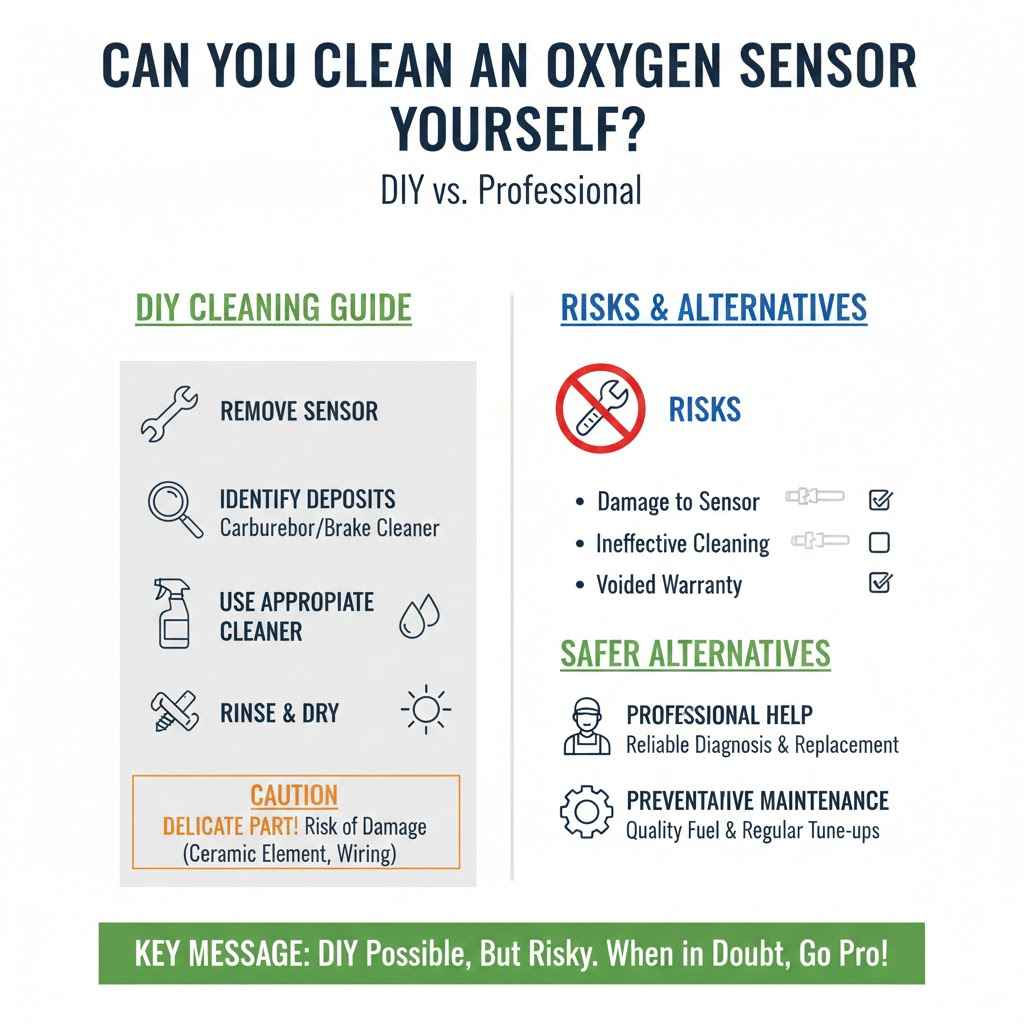
Cleaning an oxygen sensor yourself is possible, but it comes with risks. Oxygen sensors are delicate components. Aggressive cleaning methods can damage the sensitive ceramic element or the wiring, rendering the sensor useless.
If you choose to attempt a DIY cleaning:
- Remove the Sensor: You’ll need to safely disconnect the sensor from its electrical connector and then unscrew it from the exhaust pipe.
- Identify Deposits: Inspect the sensor tip to see the type of deposits.
- Use Appropriate Cleaner: A common method involves spraying carburetor cleaner or brake cleaner onto the sensor tip. Ensure the cleaner is safe for oxygen sensors (check product information).
- Rinse and Dry: After spraying, rinse the sensor with clean water and let it dry completely.
- Reinstall: Reinstall the sensor carefully, ensuring it’s properly tightened.
Caution: Some sources suggest soaking the sensor in a specific cleaner for an extended period. This can be more effective but also increases the risk of damage. Always research the specific type of oxygen sensor you have and the recommended cleaning procedures.
If in doubt, professional help is the safer route.
Frequently Asked Questions
Question: Will premium gas prevent my oxygen sensor from getting dirty
Answer: No, premium gas (higher octane) itself does not prevent oxygen sensors from getting dirty. The octane rating relates to fuel stability, not cleaning properties. Any benefit comes from detergent additives that may be present in some premium fuels.
Question: What is the main purpose of an oxygen sensor
Answer: The main purpose of an oxygen sensor is to measure the amount of unburned oxygen in your car’s exhaust gases. This information helps the engine computer adjust the fuel-air mixture for optimal combustion, efficiency, and lower emissions.
Question: Can a dirty oxygen sensor cause my car to use more gas
Answer: Yes, a dirty or failing oxygen sensor can cause your car to use more gas. When the sensor sends inaccurate readings, the engine computer may incorrectly adjust the fuel-air mixture, leading to inefficient fuel combustion and worse gas mileage.
Question: How can I tell if my oxygen sensor needs cleaning or replacing
Answer: Signs that your oxygen sensor may need attention include the check engine light illuminating, a noticeable decrease in fuel economy, rough idling, or engine misfires. A professional diagnostic scan can confirm if the oxygen sensor is the issue.
Question: Is it worth cleaning an oxygen sensor instead of replacing it
Answer: Cleaning an oxygen sensor can be a cost-effective solution if the sensor is not too severely fouled or damaged. However, replacement is often more reliable, especially for older sensors or when the fouling is extensive. Many modern sensors are not designed for effective cleaning.
Final Thoughts
So, does high-grade gas clean oxygen sensors? The straightforward answer is that simply using higher octane fuel will not clean your oxygen sensors. The cleaning power comes from specific detergent additives in the fuel, not the octane rating.
If your oxygen sensor is dirty or failing, using premium gas won’t be a fix. It’s better to use the octane recommended for your car and consider specialized fuel additives or professional cleaning/replacement if you suspect sensor issues. Keeping your car running well involves using the right fuel and addressing problems directly.