Does Ethanol Destroy Oxygen Sensors
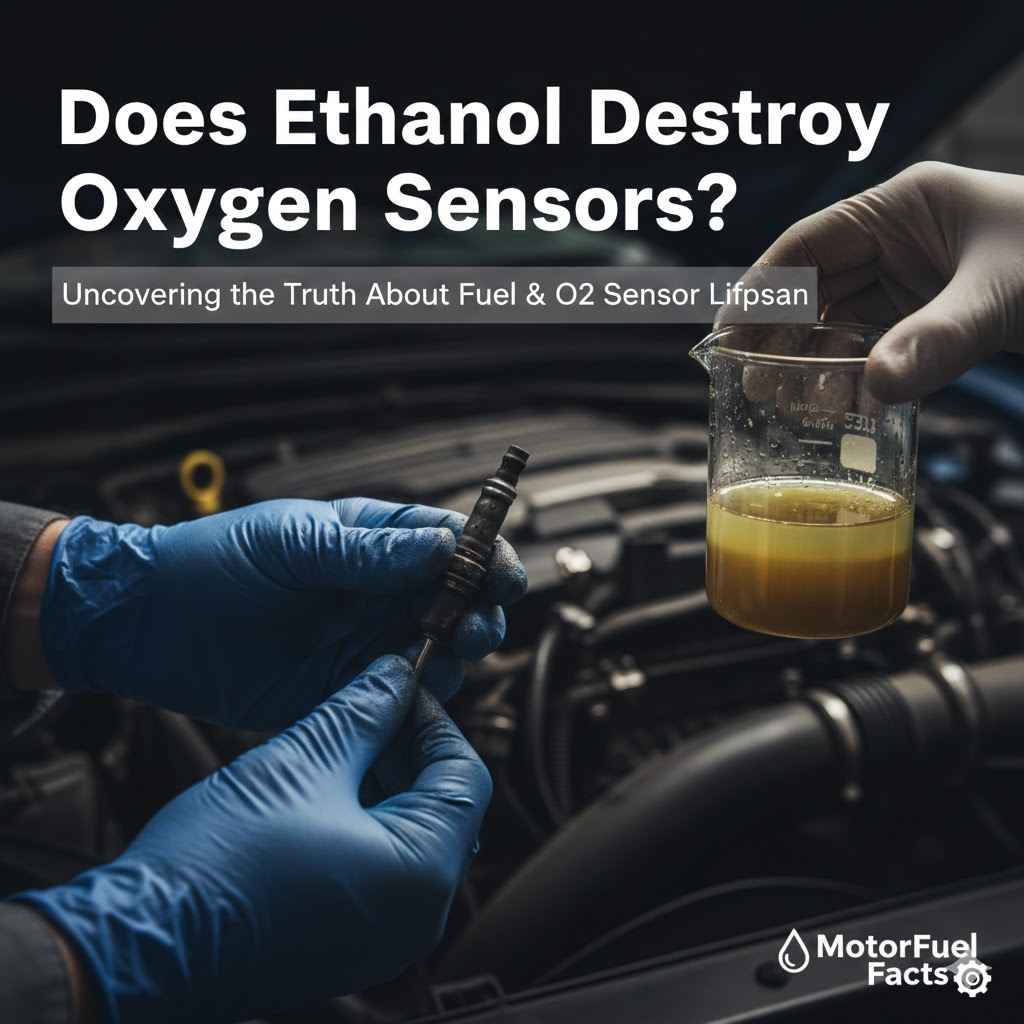
When you’re working on your car, you might wonder about fuel. Many people ask, Does Ethanol Destroy Oxygen Sensors? It can seem tricky, especially if you’re new to car care. This article will make it simple.
We’ll walk through it step by step. Let’s find out what you need to know to keep your car running well.
Ethanol Fuel And Your Car’s Oxygen Sensors
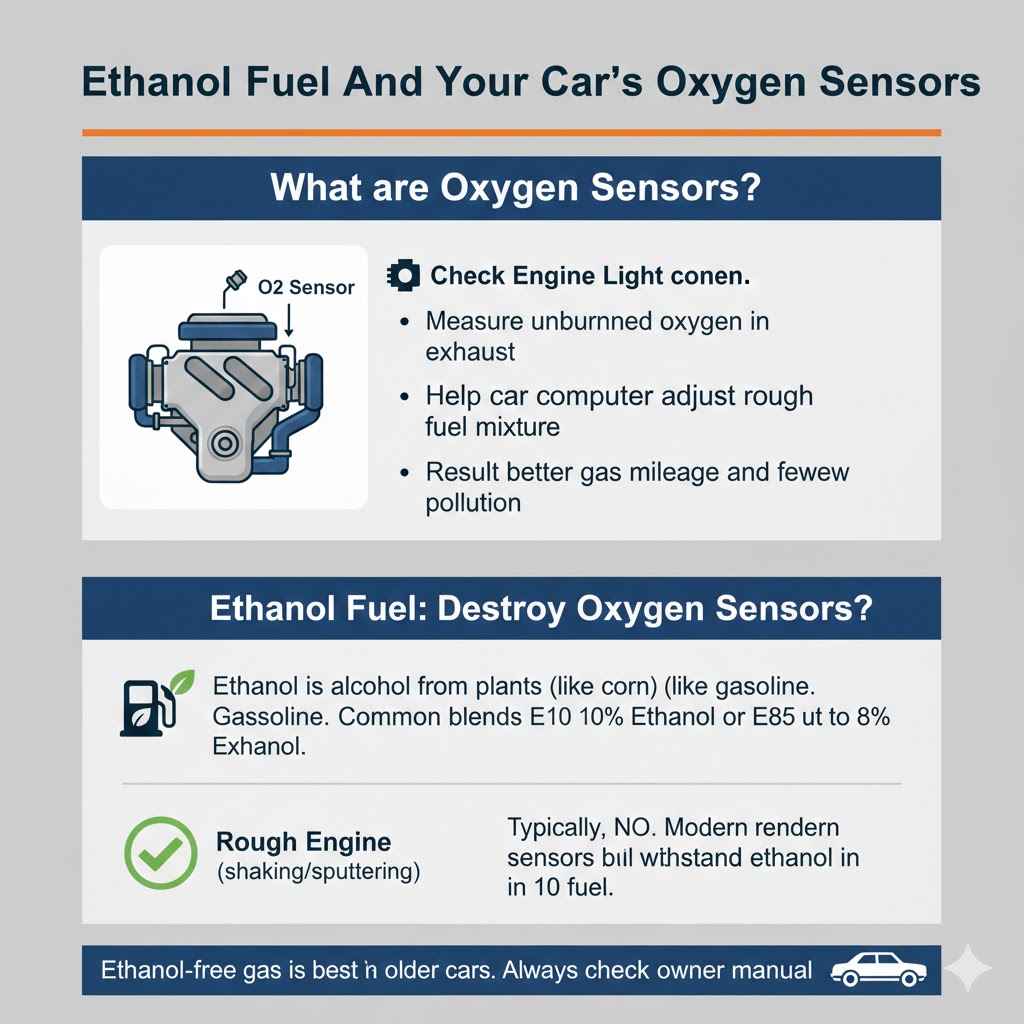
Oxygen sensors are important parts of your car’s engine. They help your car burn fuel cleanly. They measure the amount of oxygen in your exhaust.
This information helps the car’s computer adjust the fuel mixture. A good fuel mixture means better gas mileage and fewer pollution. If the oxygen sensor isn’t working right, your car might not run as well.
It could use more gas or even cause the engine light to come on.
Ethanol is a type of alcohol that is often added to gasoline. It can come from plants like corn. Many gas stations sell gasoline with ethanol in it.
The amount of ethanol can vary. Some gas might have 10% ethanol (E10), while others might have more. This is where the question comes up: Does Ethanol Destroy Oxygen Sensors?
How Ethanol Affects Engine Parts
Ethanol is different from regular gasoline. It can attract water. It can also be more corrosive than gasoline alone.
This means it might interact with rubber and plastic parts in your fuel system. Over time, some materials can break down when exposed to ethanol.
Some older cars were not designed to handle ethanol. Their fuel lines, seals, and other parts might not be made of materials that can resist ethanol. This can lead to leaks or damage.
Newer cars are usually built to handle the ethanol levels found in today’s gasoline.
The Truth About Ethanol And Oxygen Sensors
Now, let’s get to the main question: Does Ethanol Destroy Oxygen Sensors? The short answer is that ethanol itself does not directly destroy oxygen sensors.
Oxygen sensors are generally made of tough ceramic materials. These materials are designed to withstand the high heat and harsh gases in your exhaust. Ethanol burns differently than pure gasoline.
It produces water as a byproduct. This water can be a concern.
Water In The Fuel System
Ethanol’s ability to absorb water is a key point. If water gets into your fuel tank, it can cause problems. Water does not burn.
It can rust metal parts in your fuel system. It can also affect how the fuel sprays into the engine.
If water causes rust or corrosion in your fuel injectors or fuel lines, these problems can indirectly lead to issues with the oxygen sensor. For example, if the fuel mixture isn’t right because of contaminated fuel, the oxygen sensor will have to work harder. It might send incorrect readings.
Indirect Damage From Ethanol Issues
It’s not the ethanol directly attacking the sensor. Instead, it’s the problems that can arise from using ethanol-blended fuels, especially if there are other issues already present or if the car is older.
Here are some ways ethanol-related problems can indirectly affect oxygen sensors:
- Corrosion in fuel system: If ethanol causes rust or corrosion in fuel lines or the fuel tank, debris can get into the engine. This can clog fuel injectors or affect fuel flow. An improper fuel mixture can make the oxygen sensor work overtime and potentially fail sooner.
- Water contamination: Water in fuel can lead to poor combustion and can cause damage to metal parts in the fuel system over time. This can indirectly impact the fuel mixture that the oxygen sensor is trying to read.
- Deposits: Sometimes, fuels with ethanol can cause more deposits to build up in the engine. These deposits can affect how the engine runs. This can lead to readings that confuse the oxygen sensor.
- Older vehicle issues: Older cars may have fuel system components made from materials that are not resistant to ethanol. This can lead to leaks, fuel system damage, and ultimately affect engine performance and sensor readings.
When To Be Concerned
You should be more concerned about ethanol’s impact if:
- You drive an older car, especially one made before modern fuel systems were common.
- You notice signs of fuel leaks or a strong fuel smell.
- Your car’s engine light comes on, and a diagnostic scan points to fuel mixture problems.
- You suspect water contamination in your fuel tank.
Testing And Replacing Oxygen Sensors
If you think your oxygen sensor might be failing, a mechanic can test it. They use special tools to check its readings. They can also check for any exhaust leaks or fuel system problems that might be causing the issue.
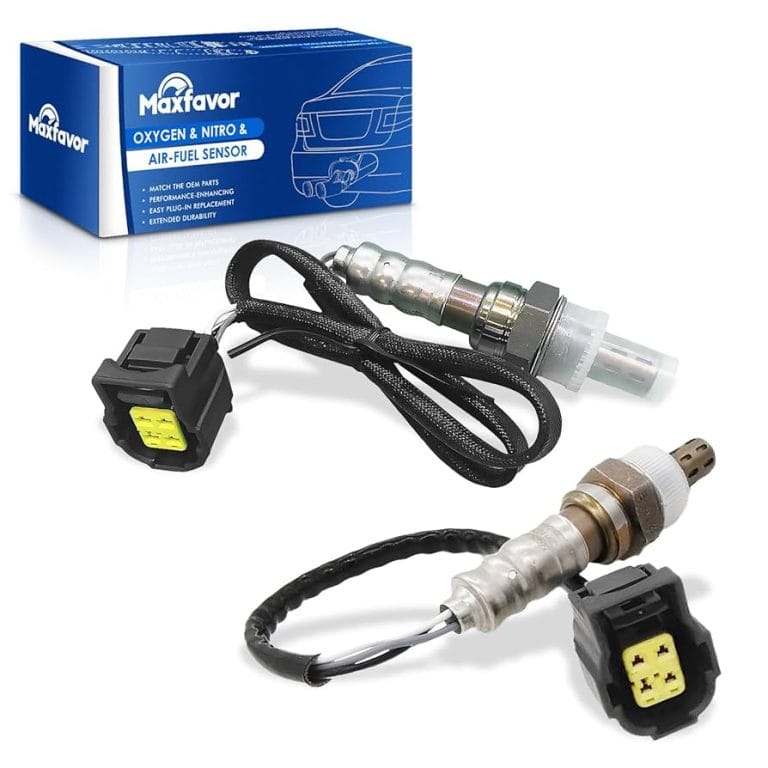
Replacing an oxygen sensor is usually a straightforward job for a mechanic. The sensor screws into the exhaust pipe. It has wires that connect to the car’s computer.
If a sensor fails, it needs to be
Signs Of A Failing Oxygen Sensor
How do you know if your oxygen sensor is not working well? There are a few signs to look out for:
- Check Engine Light: This is the most common sign. The light on your dashboard might come on. A code reader can tell you if the oxygen sensor is the problem.
- Poor Fuel Economy: If your car starts using more gas than usual, it could be a sign. The sensor helps the engine run efficiently.
- Rough Idling: Your car might run rough when it’s stopped. The engine might shake or sputter.
- Failed Emissions Test: If your car doesn’t pass its emissions test, a faulty oxygen sensor is often the cause.
- Bad Smell: You might notice a rotten egg smell from your exhaust. This can mean the catalytic converter is overheating due to a rich fuel mixture, which is often caused by a bad O2 sensor.
Maintaining Your Fuel System
To help prevent any issues, especially with ethanol-blended fuels, it’s wise to maintain your fuel system.
- Use Quality Fuel: Always buy gasoline from reputable stations.
- Regular Maintenance: Follow your car’s maintenance schedule. This includes checking and cleaning fuel injectors.
- Fuel System Cleaners: Occasional use of a good fuel system cleaner can help keep things running smoothly. These cleaners can help remove deposits and prevent water buildup.
- Check for Leaks: If you smell fuel, get your car checked by a mechanic right away.
- Consider Ethanol-Free Fuel: If you have an older vehicle or are concerned, you can look for stations that sell ethanol-free gasoline. These are becoming more common for specific uses like classic cars or boats.
Ethanol And Modern Engines
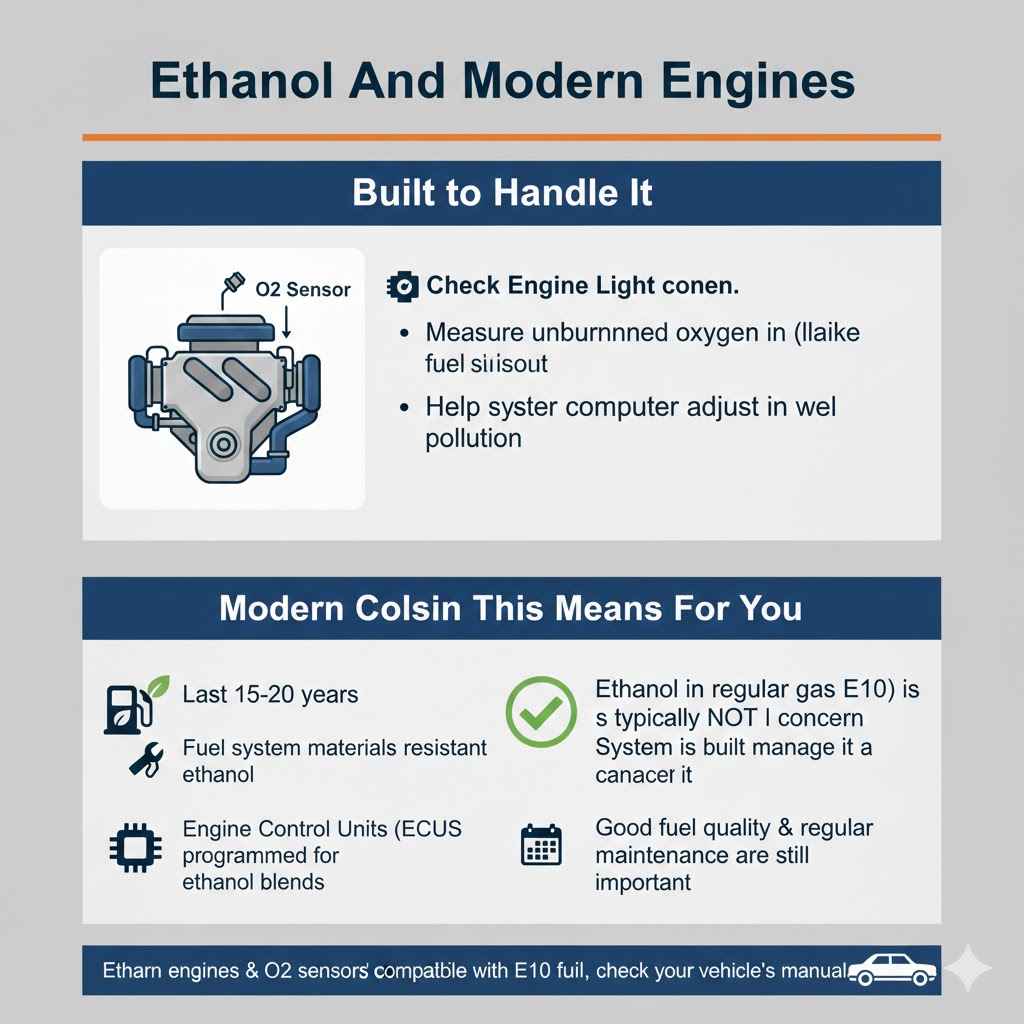
Most cars made in the last 15-20 years are designed to handle the ethanol content in regular gasoline. Car manufacturers have used materials in fuel systems that are resistant to ethanol. The engine control units (ECUs) are also programmed to work with these fuel blends.
This means for most modern car owners, the question Does Ethanol Destroy Oxygen Sensors? is less of a concern. The car’s system is built to manage it. However, good fuel quality and regular maintenance are always a good idea for any vehicle.
Frequently Asked Questions
Question: Does ethanol damage rubber seals in fuel systems?
Answer: Ethanol can be more aggressive towards certain types of rubber and plastic than pure gasoline. Older vehicles may have seals that are not ethanol-resistant, potentially leading to leaks or degradation over time. Newer vehicles typically use materials that can handle common ethanol blends.
Question: Can water in gasoline damage my oxygen sensor directly?
Answer: Water itself doesn’t typically damage the ceramic part of an oxygen sensor. However, water can cause corrosion in metal fuel system parts, which can lead to debris or poor fuel delivery. This can indirectly cause the oxygen sensor to receive an incorrect fuel mixture and fail prematurely.
Question: How often should I replace my oxygen sensor?
Answer: Oxygen sensors are designed to last for a long time, often 100,000 miles or more. However, they can fail earlier due to engine problems, poor fuel quality, or damage from contaminants. It’s best to replace them when they fail or when your car shows symptoms of a failing sensor.
Question: Is it okay to use E85 fuel in my car?
Answer: No, you should only use E85 fuel if your vehicle is specifically designed as a “flex-fuel” vehicle. Using E85 in a car not designed for it can cause significant damage to the fuel system, engine, and emissions components, including the oxygen sensor.
Question: What are the benefits of using ethanol in gasoline?
Answer: Ethanol can help increase the octane rating of gasoline, which can improve engine performance. It is also a renewable fuel source, often made from plant materials, which can reduce reliance on fossil fuels and potentially lower greenhouse gas emissions.
Final Thoughts
The question Does Ethanol Destroy Oxygen Sensors? has a nuanced answer. Ethanol doesn’t directly break down oxygen sensors. Problems arise indirectly from water absorption, potential corrosion in older fuel systems, and fuel contamination.
For most modern cars, this isn’t a major issue. Keep your fuel system clean, use quality gas, and follow maintenance to protect your car.