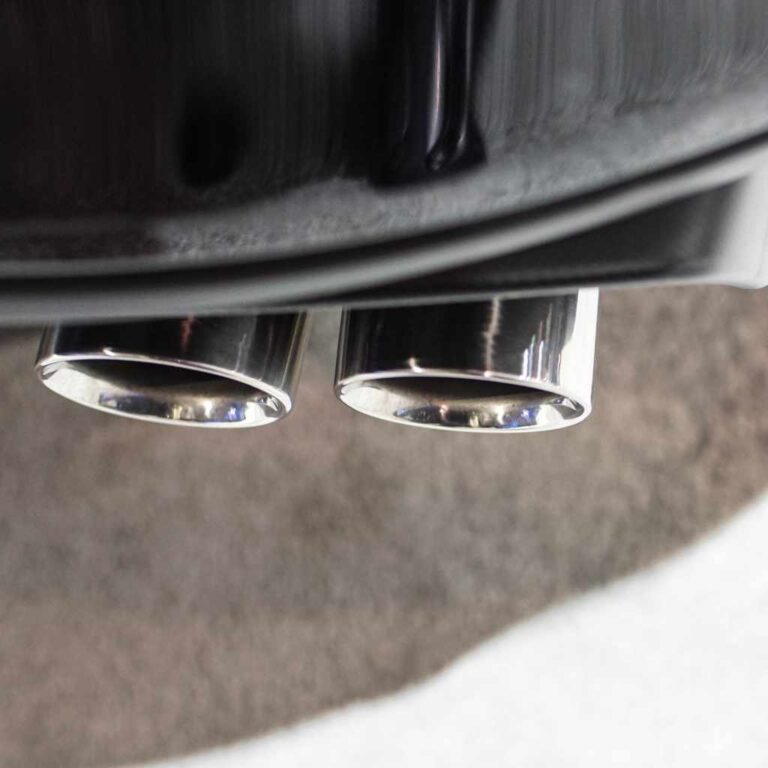
Do Wider Exhaust Tips Deepen Sound? Proven Results
Generally, wider exhaust tips do not significantly deepen the sound of your vehicle on their own. Sound depth (tone/resonance) is primarily controlled by muffler design, exhaust diameter tubing, and engine tuning. Tips primarily affect the volume and quality of the exiting sound wave, often adding a slight rasp or polish, but they rarely change the fundamental low frequency (deepness) of the tone.
Have you been staring at shiny exhaust tips online, wondering if buying the biggest, widest ones will finally give your car that deep, rumbling sound you crave? It’s a super common question, and honestly, the answer isn’t as simple as ‘bigger is always better.’ Many everyday car owners feel frustrated when they spend money on an easy visual upgrade only to find the sound didn’t change much. Don’t worry; we are going to break down exactly what exhaust tips do and what doesn’t. By the end of this guide, you will know precisely how to achieve that deeper exhaust note safely and effectively. Let’s explore the proven results behind exhaust tip size and sound depth.
The Big Question: Do Wider Exhaust Tips Deepen Sound? The Honest Answer
As your trusted guide, Monowar Shohag, I need to give you the straight facts. When talking about the “deepness” of an exhaust sound—that low, throaty rumble reminiscent of classic muscle cars—we are talking about specific sound frequencies, often the lower Hertz range.
The exhaust tip itself is the very last part of the system that the burned gases exit through. Think of it like the bell on a trumpet—it shapes the final sound, but it doesn’t create the core pitch.
The verdict: While wide tips can make the exiting sound wave louder or slightly alter the texture (making it sound more open, perhaps), they rarely, on their own, provide the massive shift to a significantly deeper tone experienced when changing a muffler or the main piping.
Understanding Sound Dynamics: Why Tip Size Isn’t Everything
To understand why tip size is often overrated for depth, we need a quick look at the physics happening under your car. The sound of your exhaust is created by rapid pressure pulsations (the engine firing) traveling through pipes.
Here are the components that truly control the depth of your sound:
- Muffler Design: This is the main sound controller. Mufflers use baffles, chambers, or sound-absorbing packing (like fiberglass) to cancel out specific sound frequencies. A straight-through muffler cancels less high pitch, leaving a deeper tone.
- Exhaust Pipe Diameter: The diameter of the main tubing leading up to the muffler and tips plays a role in flow and resonance. Too small, and the high tones can become noticeable; too large, and you might lose some low-end velocity pressure.
- Resonators: These are smaller chambers installed earlier in the system specifically designed to cancel out annoying highway drone or high-pitched sounds.
The tip is the final aesthetic flourish that guides how the sound exits the system into the air. If you have a very restrictive, quiet muffler, changing to a massive tip will likely only result in a slightly louder version of that quiet sound.

How Exhaust Tips Affect Sound: Volume, Texture, and Reflection
So, if tips don’t create depth, what do they do? They change how the sound propagates away from the vehicle. Here are the three main ways tips influence what you hear:
- Exit Velocity and Turbulence (Volume): A wider tip can sometimes allow the exhaust gases to exit slightly faster or with less restriction, potentially leading to a minor increase in overall volume (loudness). This is more about flow than tone manipulation.
- Acoustic Reflection: The shape, angle, and material of the tip’s interior wall can cause slight sound reflections back into the tailpipe. This reflection can introduce a very slight “edge” or “rasp” to the sound, often perceived as more aggressive, but still not necessarily “deeper.”
- Aesthetics and Perception: Let’s be honest—a big, polished, dual-wall tip just looks like it should sound deep. This powerful visual bias affects how we perceive the sound we hear afterward.
The Science of Tip Size vs. Tone Generation
For a truly definitive understanding of how sound waves travel through these components, you can look into established principles of fluid dynamics and acoustic engineering, such as those covered in basic automotive engineering texts. For example, principles related to Helmholtz resonators (which baffles in mufflers often mimic) show that the primary manipulation of pitch occurs in chambers much larger than the final tip itself.
When researchers study exhaust sound quality, they focus heavily on the muffler’s internal volume and packing density. The tip’s role in affecting frequencies below 200 Hz (which usually define a “deep” sound) is scientifically considered minor.
We can summarize the impact in a table:
| Modification | Primary Effect on Sound | Impact on Depth/Tone |
|---|---|---|
| Muffler Replacement | Major frequency cancellation/addition | High (Controls fundamental tone) |
| Tip Diameter Change (e.g., 2.5″ to 4.0″) | Minor shift in exit speed/texture | Low (Mostly cosmetic/slight volume) |
| Resonator Removal | Exposure of specific unpleasant harmonics | Medium (Can increase unwanted pitch) |
| Header Change (Manifold) | Changes pulse tuning and gas velocity | Medium to High (Depends on engine tuning) |
How to Achieve That Deep Exhaust Sound (The Proven Steps)
If your primary goal is a deeper, more resonant sound, you need to focus on the components before the tip. This is where you get the biggest bang for your auditory buck. Here is the proven roadmap for achieving a deeper tone, moving from easiest/cheapest to most involved/expensive.
Step 1: Evaluate and Modify the Muffler (High Impact)
This is the single most effective way to change the core sound. If your stock muffler is packed with restrictive baffling designed for quiet efficiency, it traps the lower frequencies.
Actionable Muffler Changes:
- Performance Muffler Swap: Replace the factory unit with an aftermarket muffler known for producing a deep sound. Look for ‘straight-through’ or ‘chambered’ designs advertised for low-end resonance.
- Muffler Delete (Use Caution): For maximum depth on a budget, some owners remove the muffler entirely (a ‘muffler delete’). Be warned: this is often too loud, can cause significant drone inside the cabin, and might not be legal in your area. Always check local noise ordinances, as regulated noise limits exist in many states and municipalities (for example, resources from local DOT sites often detail noise restrictions).
Step 2: Inspect the Piping Diameter
Your factory pipes are generally sized perfectly for efficiency and noise cancellation. If you decide to install a full cat-back system, ensure the diameter supports the deep sound you want.
- For 4-cylinder engines, maintaining stock or moving up just 0.5 inches usually works best.
- For V6/V8 engines, moving from 2.25″ stock piping up to 2.5″ or 3.0″ piping often allows the lower frequencies to breathe better, contributing to depth.
Step 3: The Tip Upgrade (Aesthetic and Minor Polish)
Once the core sound is set by the muffler and piping, you can then choose the tip that finishes the look and fine-tunes the exiting sound.
Choosing the Right Tip Size (If You Still Want Wider):
If you are replacing the tip on a system already tuned for depth (like a new aftermarket system), the width matters more for aesthetics and minor volume tweaks than depth.
- Measure the Existing Pipe: Before buying a tip, know the outside diameter (OD) of the pipe it slides over or welds onto. A common mismatch causes buzzing.
- Choose Material and Finish: Stainless steel or high-quality coated metal looks best and resists heat discoloration. Look for dual-wall tips; the extra layer adds a slight chamber effect that can slightly reduce high-frequency crackle immediately at the exit point.
- Consider Length: Tips that are very long can subtly change the resonance characteristics, but this effect is rarely significant on street cars unless dealing with specialized race setups.
If you want to mimic that classic deep sound, look for tips that are polished or have a rolled edge rather than extremely sharp, straight-cut ends, as rolled edges often provide a slightly smoother exit.
Case Studies: What Real-World Upgrades Show
To reinforce the science, let’s look at what happens when people upgrade exhaust components. These examples are common among enthusiasts and demonstrate where budget allocations should go.
Case Study A: The Tip-Only Swap
Car: 2018 4-Cylinder Sedan (Stock Exhaust)
Modification: Replaced stock 2.25″ tips with 4.0″ polished slash-cut tips.
Result: Sound remained largely identical to stock under normal driving. At wide-open throttle, the sound appeared marginally louder and cleaner, but the fundamental frequency (depth) did not change. Many owners report this provides a disappointing sound upgrade.
Case Study B: The Muffler Swap
Car: Same 2018 4-Cylinder Sedan
Modification: Replaced the stock muffler with a high-flow, chambered performance muffler. Kept the original stock tips.
Result: Significant increase in low-frequency resonance (deeper tone) during acceleration. A noticeable but manageable cabin drone developed at cruise speed (1800–2200 RPM). This delivers the deep sound without the expense of a full cat-back kit.
Case Study C: Full System Upgrade
Car: 2015 V8 Sports Coupe (Stock Exhaust)
Modification: Installed a full cat-back system with 2.5″ tubing, a new resonator delete (for balance), and finished with 3.5″ dual-wall tips.
Result: The depth was dramatically enhanced due to optimized pipe diameter and the new, aggressive muffler tuning. The wider 3.5″ tips completed the look and provided a refined, slightly louder exit polish to the already deep tone.
This confirms what we suspected: The major components (Muffler/Piping) control the depth, while the tips add the finishing polish and visual impact.
Safety and Legal Considerations for Exhaust Modification
Before you start cutting or welding, remember that modifying your exhaust system isn’t just about noise; it involves critical systems related to emissions and safety. As a responsible car owner, you must follow the rules.
Emissions and Catalytic Converters
In many regions, tampering with or removing the catalytic converter (the component that cleans pollutants from the exhaust stream) is illegal for street-driven vehicles. Laws governed by agencies like the Environmental Protection Agency (EPA) in the US strictly regulate emissions equipment.
- Safety Note: Never cut or modify the catalytic converter on a street vehicle. This can cause your car to fail mandatory state inspections, result in hefty fines, and damage the environment.
- Tip Installation Safety: If you are welding on new tips, ensure the surrounding bodywork (especially plastic bumpers) is adequately protected from heat. Use high-temperature welding gloves and appropriate personal protective equipment (PPE).
Noise Regulations
Every city, county, and state has laws regarding acceptable decibel levels for vehicles on public roads. A sound system that is perfect on a racetrack might result in continual traffic stops on your commute.
Quick Check for Legality:
- Search for your state’s “Motor Vehicle Noise Limits” or “Exhaust Tampering Laws.”
- If you remove your muffler, test the sound level in your neighborhood early in the morning to gauge potential neighbor complaints. A deep sound is great, but too much noise leads to headaches.
A good upgrade balances performance dreams with real-world responsibility.
Tools and Preparation for Installing New Tips
If you decide to install wider tips onto an existing pipe (perhaps clamping or welding them on yourself), preparation is key. You don’t need a full shop, but having the right gear makes the job safe and effective.
Essential Tools for Tip Swapping:
- Measuring Tape or Calipers (for accurate pipe diameter verification)
- Jack Stands and Hydraulic Jack (NEVER work under a car supported only by a jack)
- Wrenches and Socket Set (for removing any factory hangers or clamps)
- Cutting Tool (e.g., Sawzall with a metal blade, if cutting the old tips off)
- Wire Brush (to clean rust and dirt off the existing pipe end)
- High-Temperature Exhaust Sealant or Welding Equipment (depending on installation method)
If you are merely replacing an existing slip-on tip, the process is often very simple, perhaps requiring only a wrench to loosen a set screw. If you are cutting off the factory tips and welding new ones, consult a professional if you are not confident in your welding skills, as a poor weld can leak exhaust gases.

Frequently Asked Questions (FAQ) for Beginner Enthusiasts
1. Will wider tips reduce my car’s fuel economy?
No. Exhaust tips are far too close to the end of the system to measurably affect fuel economy. Fuel economy is largely impacted by airflow before the muffler, air/fuel mixture tuning, and driving habits. Focus on your driving style for better MPG.
2. Do I need to change the whole exhaust system just to install wider tips?
Not necessarily. If your existing pipe diameter matches the inlet size of the new tip, you can usually clamp or weld the new tip directly onto the existing tailpipe. However, if you want a deeper sound, you will need to address the muffler first.
3. Can tips that stick out too far cause me to be pulled over?
Yes, in many jurisdictions. Most local vehicle codes have limits on how far any part of the vehicle can extend past the rear bumper line for safety reasons. Check your local Department of Motor Vehicles (DMV) or transportation website for specific protrusion limits.
4. What if my new, wider tip starts rattling or vibrating?
Rattling usually means the tip is not secured tightly enough to the existing pipe, or it may be contacting the bumper or bodywork when the exhaust flexes. Ensure any provided clamps are tight, or if welded, check that there is clearance all around the tip.
5. My new tips are chrome, but they are turning brown. Is this normal?
If the tips are stainless steel, slight discoloration (turning golden or blue/brown) is normal, especially under high heat, which the exhaust experiences. If they are turning black quickly, it might indicate an overly rich fuel mixture (too much fuel not enough air), which should be checked by a mechanic, though it is often just soot buildup.
6. Is removing the resonator the same as removing the muffler?
No. The muffler provides the primary sound suppression and tone control. The resonator primarily targets specific, annoying high-pitched sounds (drone). Removing the resonator will typically make your exhaust louder and slightly rougher, but removing the muffler changes the fundamental pitch much more dramatically.