Do Tailpipes Reduce Noise? Best Options Explained
Many people wonder, “Do tailpipes reduce noise? Best options explained” can seem a bit tricky at first. It’s a common question for anyone looking to quiet down their vehicle.
Don’t worry, we’ll break it all down super simply. You’ll learn exactly how tailpipes work and what makes them quieter. Get ready for easy steps that make sense.
We’ll cover everything you need to know to understand this topic well.
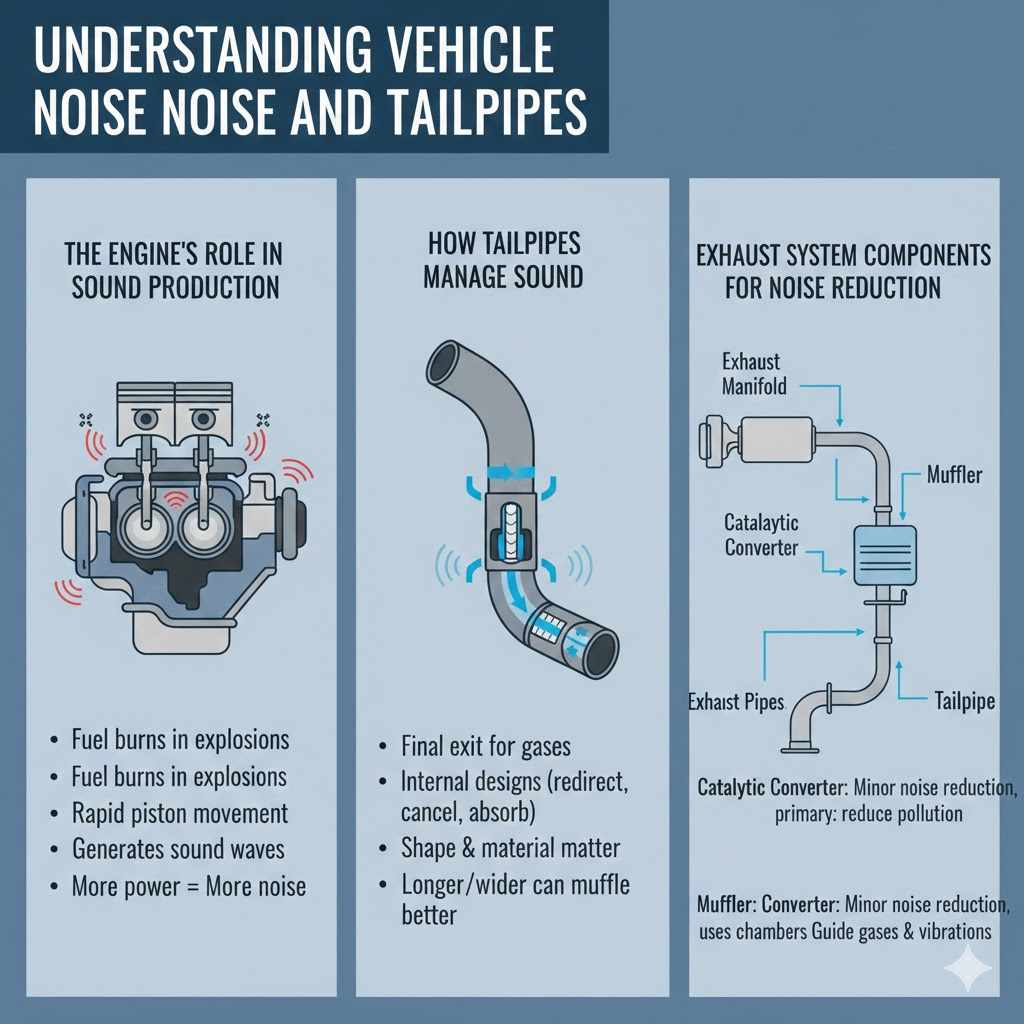
Understanding Vehicle Noise And Tailpipes
This part looks at why cars make noise in the first place. We’ll talk about how the engine’s actions create sound waves. Then, we’ll see how the exhaust system, including the tailpipe, is designed to handle this noise.
It’s all about controlling those loud bangs and rumbles so your drive is more peaceful. We aim to help you grasp the basic science behind vehicle acoustics without getting lost in complex terms.
The Engine’s Role In Sound Production
The engine is the heart of your car, and it’s also a major sound maker. When fuel burns inside the engine, it creates small explosions. These explosions push parts like pistons up and down very fast.
This rapid movement generates a lot of energy, which includes sound waves. Think of it like a tiny firecracker going off thousands of times every minute. The more powerful the engine, the more frequent and forceful these explosions can be, leading to more noise.
These sound waves travel through the engine’s components and then into the exhaust system. The exhaust system is designed to carry these gases away from the engine, but it also plays a big part in managing the noise. Without an exhaust system, the raw sound of the engine explosions would be extremely loud and unpleasant.
How Tailpipes Manage Sound
A tailpipe is the final exit for the exhaust gases from your car. While its main job is to let the gases escape, it’s also a key component in reducing the noise produced by the engine. It’s not just a simple pipe; many tailpipes have internal designs that help quiet things down.
These designs work by redirecting sound waves, cancelling them out, or absorbing them.
The shape and material of the tailpipe matter a lot. A longer, wider tailpipe can sometimes help to muffle sound more effectively than a short, narrow one. Also, the way the exhaust gases flow through the tailpipe can affect the sound.
By understanding these aspects, we can better appreciate why some tailpipes are better at reducing noise than others.
Exhaust System Components For Noise Reduction
The tailpipe is just one part of a larger system that works to quiet your car. The exhaust system typically includes exhaust manifolds, a catalytic converter, mufflers, and the tailpipe itself. Each of these parts has a role in managing sound and emissions.
The muffler is arguably the most critical component for noise reduction. It uses chambers and baffles to break down sound waves, reducing their intensity before they reach the tailpipe.
The catalytic converter also plays a minor role in noise reduction by changing the exhaust gases. However, its primary function is to reduce pollution. The exhaust pipes connecting these components also influence sound by guiding the gases and vibrations.
A well-designed exhaust system works in harmony to create a much quieter vehicle.
Do Tailpipes Reduce Noise? Best Options Explained
This section directly answers our main question. We will explore how tailpipes contribute to noise reduction and what features make certain tailpipes more effective. You’ll learn about the different types of tailpipe designs and their impact on sound levels.
Our goal is to clarify the relationship between tailpipes and vehicle acoustics.
The Science of Mufflers And Tailpipes
A muffler, often built as part of the exhaust system leading to the tailpipe, is the primary device for reducing exhaust noise. Mufflers work in a couple of ways. One common method is using a series of chambers and baffles.
These internal structures create a path for the exhaust gases that forces the sound waves to bounce around. Each bounce causes the sound waves to lose energy, becoming quieter. This is like making the sound travel a much longer, more complicated path.
Another way mufflers work is through resonance. Some mufflers use tubes that are tuned to specific frequencies. These tubes can cancel out certain loud sound frequencies produced by the engine.
The gases then exit through the tailpipe, which is the final outlet. The tailpipe’s design can further refine the sound. For instance, a wider tailpipe might allow gases to expand and slow down, which can also reduce noise.
Types Of Tailpipe Designs For Quieter Rides
Different tailpipe designs offer varying levels of noise reduction. Standard factory tailpipes are designed to meet noise regulations and provide a moderate level of quietness for everyday driving. They are usually made of durable steel and have a straightforward internal structure.
Performance tailpipes, on the other hand, are often designed to allow more exhaust flow, which can sometimes result in increased sound.
However, there are also specialized aftermarket tailpipes and muffler systems that prioritize quiet operation. These might include larger mufflers with more complex internal baffling or resonators. Resonators are additional chambers designed to target specific sound frequencies that the muffler might miss.
Some “quiet flow” mufflers and tailpipe combinations use high-density packing materials to absorb sound energy. The material used in the tailpipe also plays a role; thicker steel can dampen vibrations better.
Factors Affecting Tailpipe Noise Reduction
Several factors influence how much noise a tailpipe can reduce. The size and shape of the tailpipe are important. A larger diameter tailpipe generally allows gases to expand, which can lower their speed and pressure, leading to less noise.
The length of the tailpipe also matters. A longer pipe gives sound waves more distance to travel and interact with the internal surfaces, potentially leading to more attenuation.
The internal design of the muffler connected to the tailpipe is crucial. Mufflers with multiple chambers and intricate baffle systems are typically more effective at reducing noise than straight-through designs. The materials used in the muffler and tailpipe, such as stainless steel or special sound-dampening alloys, can also impact noise levels.
Finally, the overall condition of the exhaust system, including any leaks or damage, will affect its ability to reduce noise.
Real-World Examples Of Quieter Tailpipes
Many car manufacturers offer “quiet” versions of their vehicles, often featuring specially designed mufflers and tailpipes. For example, luxury sedans frequently employ advanced acoustic engineering in their exhaust systems to ensure a serene cabin experience. These systems often include dual mufflers, resonators, and tailpipes with internal baffles.
Aftermarket companies also produce “quiet flow” mufflers that can be fitted to
Choosing The Right Tailpipe For Your Needs
Now that we know how tailpipes help with noise, let’s talk about picking the best one for you. We’ll look at different choices based on what you want to achieve, whether it’s maximum quietness or a balance between sound and performance. This section will guide you through making an informed decision for your specific situation.
When Is A Quieter Tailpipe The Best Option
A quieter tailpipe is the best option if your primary goal is to reduce the noise coming from your vehicle. This is especially important for daily commuters who spend a lot of time in their cars and want a more relaxing driving experience. It’s also beneficial for those living in residential areas where excessive noise can disturb neighbors.
For older vehicles with worn-out mufflers, upgrading to a quieter tailpipe system can significantly restore the desired sound level.
Furthermore, if you are sensitive to noise or have passengers who are, a quieter exhaust is a wise choice. It can also improve the overall comfort and luxury feel of your vehicle. When considering a replacement, look for terms like “quiet flow,” “touring,” or “OEM replacement” which often indicate a focus on sound reduction rather than performance enhancement.
Balancing Noise Reduction And Performance
For many drivers, the ideal solution is a balance between a quieter ride and maintaining good engine performance. Some aftermarket exhaust systems are designed to offer a moderate reduction in noise while still improving exhaust flow. These systems often use a combination of mufflers and resonators that are less restrictive than standard parts.
They aim to reduce the harsh, loud noises but may still produce a pleasant, sporty tone at higher engine speeds.
It’s important to understand that maximum noise reduction can sometimes come at the cost of engine performance. Highly restrictive mufflers, while very quiet, can impede exhaust gas flow, potentially reducing horsepower. Conversely, “performance” exhaust systems designed for maximum flow often result in a louder vehicle.
The key is to find a system that offers acceptable noise levels for your preferences while still allowing the engine to breathe freely.
Aftermarket Options For Sound Control
The aftermarket offers a wide array of tailpipe and muffler solutions for sound control. You can find direct
Resonator delete kits, while popular for increasing sound, are the opposite of what you’d want for noise reduction. Instead, consider adding an aftermarket resonator if your current system lacks one or if you want to target specific annoying sound frequencies. Many reputable exhaust manufacturers provide detailed sound level information or even sound clips for their products, helping you make a choice that suits your ears.
Sample Scenario Choosing A Tailpipe
Imagine you own a sedan that you use for your daily commute. The original muffler is starting to get loud, and you want a quieter ride.
- Determine your primary goal: Maximum quietness is your main concern.
- Research brands known for quiet exhaust components. Look for OE-style replacement mufflers or mufflers specifically advertised as “quiet touring.”
- Check product reviews and specifications for decibel ratings or descriptions of sound quality.
- Consider consulting with a local auto repair shop that specializes in exhaust systems for their recommendations based on your car model. They might have specific brands or types of mufflers they trust for noise reduction.
By following these steps, you can find a tailpipe solution that makes your commute much more peaceful.
Installation And Maintenance For Optimal Quietness
Getting the right tailpipe is only half the story. How it’s installed and how you care for it afterwards really matters for keeping things quiet. This part covers the best ways to make sure your new or existing exhaust system works at its best for reducing noise for a long time.
Proper Installation Techniques
Correct installation is vital for any exhaust system component, including tailpipes and mufflers, to function effectively for noise reduction. A professional installation ensures that all connections are sealed tightly. Leaks in the exhaust system can not only make your car louder but can also allow dangerous exhaust fumes to enter the cabin.
Installers will use appropriate hangers and clamps to secure the system properly, preventing excessive vibration that can transmit noise.
Using the correct gaskets and high-temperature sealants is also important. These materials prevent exhaust leaks at the joints between different exhaust components. An improperly installed muffler or tailpipe may not achieve its intended noise reduction levels and could even cause other exhaust system parts to fail prematurely due to stress or vibration.
Regular Inspections For Leaks And Damage
Regularly inspecting your exhaust system for leaks and damage is key to maintaining its noise-reducing capabilities. Look for any signs of rust, holes, or cracks in the pipes, muffler, and tailpipe. A common indicator of a leak is a louder-than-usual exhaust sound, sometimes accompanied by a rattling noise.
You might also notice black soot around joints or holes, which is a sign of exhaust gases escaping.
Check that the hangers and mounting brackets are secure and not broken. A loose exhaust system can vibrate excessively, creating additional noise and potentially leading to further damage. If you notice any issues, it’s best to have them addressed by a qualified mechanic as soon as possible to prevent the problem from worsening and to ensure your car remains as quiet as intended.
Materials And Their Impact On Longevity
The materials used in exhaust systems significantly impact their longevity and, consequently, their ability to maintain quiet operation. Standard mufflers and tailpipes are often made from aluminized steel, which offers a good balance of cost and corrosion resistance. However, in humid or salty environments, this material can eventually rust.
For longer-lasting performance, especially in harsh conditions, stainless steel is a superior choice. Stainless steel exhaust systems are much more resistant to rust and corrosion, meaning they are less likely to develop holes or leaks over time. This durability ensures that the muffler and tailpipe can continue to effectively reduce noise for many years.
Some high-performance or premium systems might even use titanium for weight savings and exceptional durability, though this is less common for quiet-focused applications.
Maintenance Tips For A Quieter Vehicle
To keep your vehicle quiet, regular maintenance is essential. Periodically clean the exterior of your exhaust system to remove road salt, dirt, and debris that can accelerate corrosion. If your muffler has removable baffles or packing material (less common in modern vehicles but present in some performance mufflers), these may need occasional inspection or replacement according to the manufacturer’s instructions.
Always address any unusual noises promptly. A slight change in exhaust sound can be an early warning sign of a developing problem, such as a small leak or a failing internal component within the muffler. By being attentive and performing routine checks, you can ensure your exhaust system continues to perform its noise-reduction duties effectively.

Frequently Asked Questions
Question: Do all tailpipes reduce noise?
Answer: No, not all tailpipes are designed to significantly reduce noise. While they are part of the exhaust system which aims to manage sound, the primary noise reduction happens in the muffler. Some tailpipes may offer a slight reduction based on their design, but others are more focused on exhaust flow.
Question: What is the main part of the exhaust system that makes it quiet?
Answer: The muffler is the main component responsible for reducing noise in a vehicle’s exhaust system. It uses internal chambers and baffles to break down sound waves, making the exhaust quieter before it exits through the tailpipe.
Question: Can a tailpipe make my car louder?
Answer: While the tailpipe itself is not typically the primary cause of increased loudness, certain designs or modifications to the exhaust system that include the tailpipe can result in a louder vehicle. For example, performance tailpipes or those paired with less restrictive mufflers might increase sound.
Question: How do I know if my tailpipe is damaged and causing more noise?
Answer: You can often tell if your tailpipe is damaged and causing more noise by listening for unusual sounds like rattling, hissing, or a generally louder exhaust note than usual. Visually inspecting for rust holes, cracks, or loose connections is also a good way to identify damage.
Question: What is the difference between a resonator and a muffler for noise reduction?
Answer: A muffler is designed to significantly reduce the overall loudness of the exhaust by using chambers and baffles to cancel out a wide range of sound frequencies. A resonator, on the other hand, is typically used to target and cancel out specific, often annoying, sound frequencies, complementing the muffler’s function rather than replacing it.
Summary
Tailpipes are an integral part of the exhaust system that helps reduce vehicle noise. While mufflers do the heavy lifting, the tailpipe’s design, material, and connection to the system all play a role in the final sound output. Choosing the right type of tailpipe and maintaining your exhaust system ensures a quieter, more pleasant driving experience.