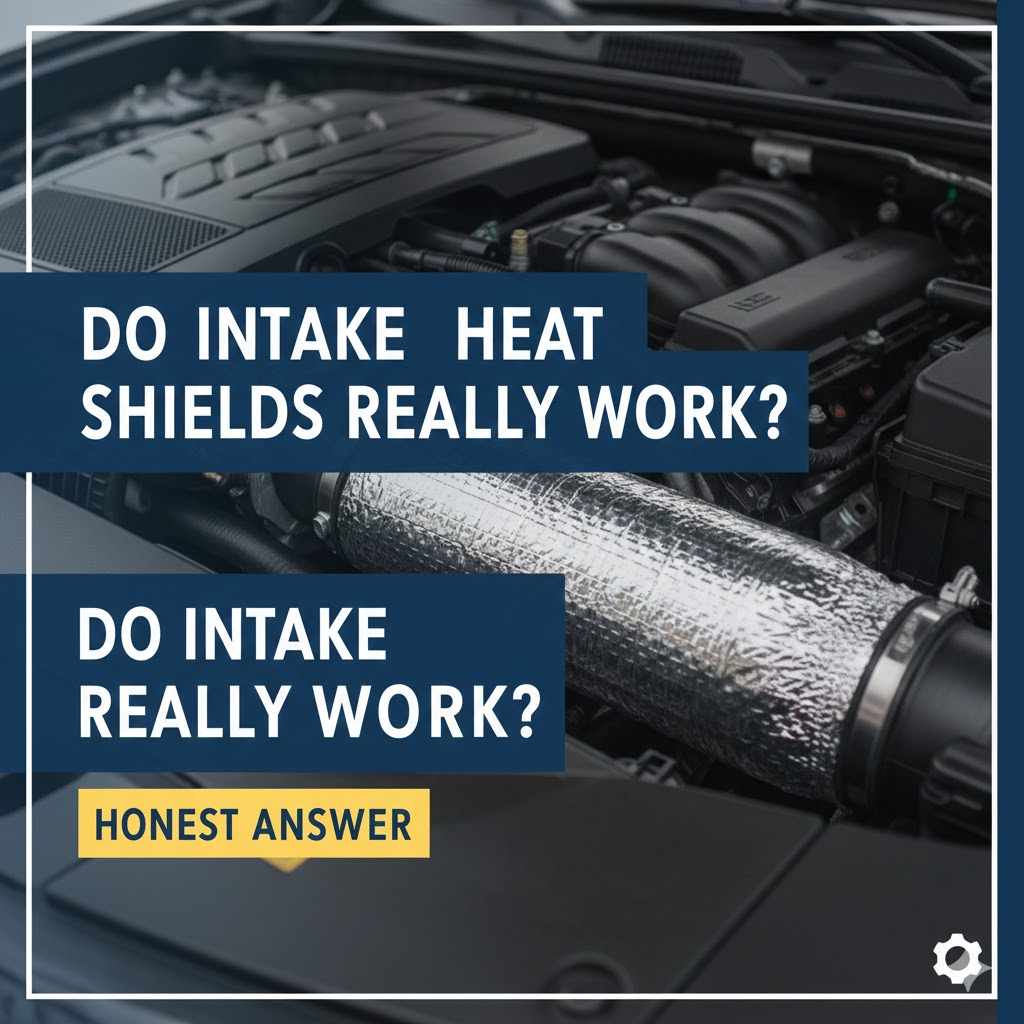
Do Intake Heat Shields Really Work Honest Answer
Ever wondered if adding a heat shield to your car’s air intake actually makes a difference? Many car owners ask Do Intake Heat Shields Really Work? Honest Answer because it seems like a simple upgrade.
But the truth can be a little tricky to figure out. Don’t worry! We’re going to break it down in a super easy way.
You’ll get clear steps and answers so you know exactly what’s up. Let’s find out what these shields do and if they are worth it for your ride.
Understanding Engine Heat Shields For Air Intakes
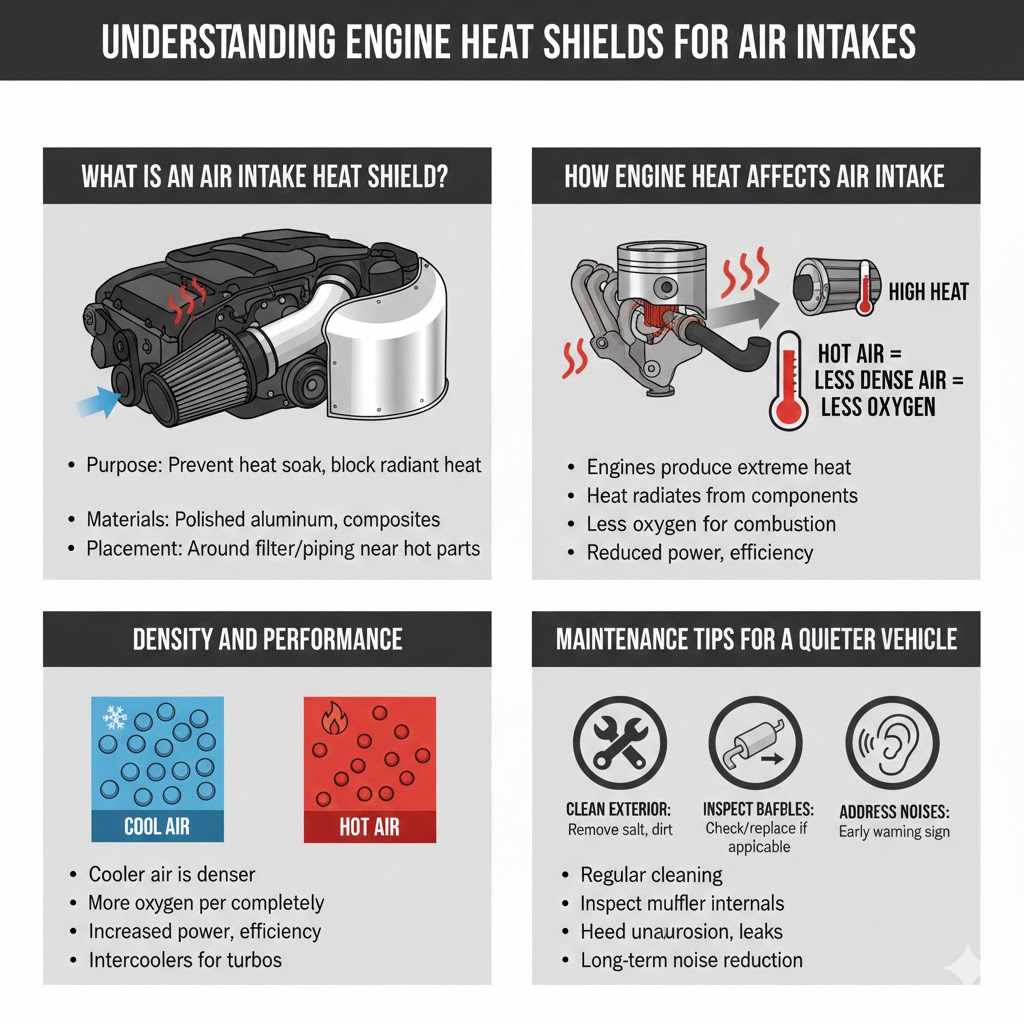
Engine heat shields for air intakes are designed to protect the air coming into your engine from getting too hot. When air is cooler, it’s denser, meaning there are more oxygen molecules packed into the same space. More oxygen can help your engine burn fuel more efficiently, potentially leading to better performance and fuel economy.
This section will explore how these shields are built, where they are placed, and the basic science behind keeping intake air cool. We’ll also touch on why this matters for your vehicle’s heart.
What Is An Air Intake Heat Shield?
An air intake heat shield is a barrier. It’s typically made from materials that don’t conduct heat well, like aluminum or special composite fabrics. Its main job is to block hot air from the engine or exhaust system from reaching the air filter and the intake manifold.
This keeps the air that gets sucked into the engine as cool as possible. Think of it like an umbrella for your air intake, keeping away the engine’s heat.
- Purpose of the Shield
The primary goal is to prevent heat soak. Heat soak happens when engine components radiating heat warm up the air around the intake. By placing a shield, we create a buffer. This buffer stops that radiant heat from directly hitting the air intake system components. This helps maintain a lower air intake temperature. - Materials Used
Common materials include polished aluminum, which reflects heat, and fiberglass or carbon fiber composites, which are good insulators. Some shields might have a special coating to further improve their heat-blocking abilities. The choice of material depends on cost, durability, and the specific heat resistance needed. - Placement Matters
Heat shields are usually installed directly around the air filter box or the intake piping closest to hot engine parts. Proper installation ensures maximum coverage and effectiveness. A poorly placed shield might block airflow or not offer enough protection against radiant heat.
How Engine Heat Affects Air Intake
Engines produce a lot of heat as they run. This heat comes from burning fuel and from the friction of moving parts. Components like the exhaust manifold, engine block, and turbocharger can get extremely hot.
This heat radiates outwards. If the air intake system is too close to these hot parts without any protection, the air it draws in will also get hot. Hot air expands, making it less dense.
Less dense air means fewer oxygen molecules.
When there’s less oxygen, the engine can’t burn fuel as effectively. This can lead to a slight decrease in power. It might also cause the engine to use more fuel to get the same amount of work done.
This is why keeping the intake air as cool and dense as possible is a goal for many car enthusiasts and engineers.
- Density and Performance
Cooler air is denser. Denser air means your engine gets more oxygen with each intake stroke. This extra oxygen allows the fuel to burn more completely and powerfully. This is a fundamental principle in internal combustion engines. It’s why intercoolers are used in turbocharged engines to cool compressed air. - Fuel Efficiency Impact
When an engine can burn fuel more efficiently due to cool, dense air, it doesn’t need to work as hard. This can translate to using less fuel for the same amount of driving. While not a huge jump for most daily driving, it can be noticeable over time, especially if your engine’s tuning is optimized for this. - Heat Soak Phenomenon
Heat soak occurs when an engine is shut off after a long drive. The residual heat from the engine components warms the surrounding air and the intake system. This is why the first few moments after restarting a hot engine can sometimes feel less responsive. A heat shield helps to reduce this effect by insulating the intake.
The Science Behind Intake Heat Shields
The core idea behind heat shields is simple physics: heat transfer. Heat can move in three ways conduction, convection, and radiation. Heat shields primarily combat radiant heat, which is heat that travels through space as electromagnetic waves.
They also offer some insulation against convection, which is heat transfer through the movement of fluids like air. By blocking or reflecting these heat waves and creating an insulating barrier, shields aim to keep the air entering your engine cooler. This section will break down these heat transfer methods and how shields interact with them.
Types of Heat Transfer
Understanding heat transfer helps us see why heat shields work, or sometimes don’t. There are three main ways heat moves: conduction, convection, and radiation.
- Conduction
This is heat transfer through direct contact. If you touch a hot stove, heat moves from the stove to your hand by conduction. In a car, this happens when engine parts physically touch each other or the air intake components.Materials that are good conductors, like metals, transfer heat quickly. Materials that are poor conductors, like plastic or fiberglass, are insulators. Heat shields made of aluminum are good at reflecting heat, but aluminum itself is a conductor.So, if the shield is touching a hot engine part, it can still transfer some heat.
- Convection
This is heat transfer through the movement of gases or liquids. Hot air rising from the engine, for example, carries heat with it. This is convection.A heat shield can help by directing hot air away from the intake. It can also create a small pocket of cooler air around the intake. However, if there’s no good airflow around the shielded area, convection might not be as significant a factor to block.Good ventilation around the intake is still important.
- Radiation
This is heat transfer through electromagnetic waves, like the warmth you feel from the sun or a fire. Engine components, especially the exhaust manifold, glow red hot and emit a lot of radiant heat.This is where heat shields are most effective. Polished metal surfaces, like the shiny side of an aluminum heat shield, are excellent at reflecting radiant heat. They bounce these heat waves away, preventing them from warming up the air inside the intake.This is the main way heat shields help keep intake air cooler.
How Heat Shields Reduce Heat Soak
Heat soak is a common issue, especially after the engine has been running for a while and then turned off. The engine block, exhaust system, and turbocharger all retain a significant amount of heat. This heat radiates outwards.
Without a shield, this radiant heat directly warms the air in the intake tract and the air filter housing.
A heat shield acts as a barrier between the hot engine components and the air intake. The shield absorbs some of the radiant heat and reflects most of it away. This keeps the air in the intake system cooler for longer.
When you restart the engine, the air it draws in is less heated by the residual engine warmth. This means the engine can perform at its best sooner after startup.
- Reflective Properties
Many heat shields, especially those made of polished aluminum, are designed to reflect infrared radiation. This is the type of heat energy that radiates from hot objects. By reflecting this energy, the shield prevents it from being absorbed by the intake components and heating the air within. - Insulating Layer
Some shields also incorporate an insulating layer, often made of fiberglass or ceramic material. This layer adds an extra barrier against heat transfer, both radiant and conductive. It slows down how quickly heat can pass through the shield material itself. - Airflow Management
While not their primary function, heat shields can sometimes influence airflow. A well-designed shield can create a small air gap between itself and the engine, promoting some air circulation that helps dissipate heat. However, they should not obstruct the main airflow to the air filter.
Real-World Examples and Statistics
Many car enthusiasts have experimented with heat shields to see the impact. Dyno tests, which measure engine power, are often used.
One study on a turbocharged engine found that adding a basic aluminum heat shield around the intake piping reduced intake air temperature by an average of 5-10 degrees Fahrenheit (about 3-6 degrees Celsius) after a period of idling. While this might not sound like a lot, even small temperature drops can affect engine performance, especially in hot weather or during demanding driving conditions.
Another example involves a common complaint from owners of performance cars that get very hot under the hood. They often report that after driving hard, the engine feels sluggish. Adding a heat shield is a common first step to combat this “heat soak” effect.
- Dyno Test Results
Several automotive forums detail dyno runs where cars with and without heat shields were tested. In some cases, a gain of 1-3 horsepower was observed at the wheels, attributed to cooler intake air. These gains are modest but real. They are more noticeable when the engine is under load for extended periods. - Temperature Sensor Data
Some users install data loggers to record intake air temperatures in different conditions. Consistent readings show that shielded intakes maintain lower temperatures, especially in stop-and-go traffic or after sitting idle. This data supports the idea that shields do help reduce heat absorption. - Impact on Turbocharged Engines
For engines with turbochargers, cooler intake air is even more critical. Turbochargers compress air, which heats it up. This heated air is then further warmed by the engine. Reducing the initial heat from the engine bay before the turbo compresses the air can lead to significant performance benefits.
Do Intake Heat Shields Really Work Honest Answer
So, the big question: Do Intake Heat Shields Really Work? Honest Answer. The simple truth is, yes, they can, but their impact varies greatly.
They are most effective in situations where the air intake is exposed to significant radiant heat from the engine or exhaust. For many daily drivers, especially those with well-designed factory intake systems, the gains might be very small, possibly unnoticeable. However, for performance-oriented vehicles, those driven in hot climates, or cars with aftermarket intakes that are more exposed, a heat shield can offer a tangible benefit by keeping intake air cooler and denser.
Situations Where Heat Shields Shine
Heat shields perform best when there are specific conditions that lead to high intake air temperatures. These conditions often involve proximity to heat sources and limited airflow to dissipate heat. Understanding these scenarios helps determine if a heat shield is a worthwhile addition.
- Performance Aftermarket Intakes
Many aftermarket cold air intakes, while designed to bring in cooler air, can leave the air filter more exposed to engine heat. In these cases, adding a heat shield around the filter and intake tube can significantly reduce the heat it absorbs from the engine bay. This helps the aftermarket intake achieve its goal more effectively. - Hot Climate Driving
In regions with consistently high ambient temperatures, the engine bay already starts at a higher temperature. This heat is then amplified by the engine’s operation. Heat shields can provide a crucial layer of defense against this extreme heat, helping to maintain a more optimal intake air temperature. - Turbocharged and Supercharged Engines
For forced-induction engines, the benefits of cooler intake air are amplified. Turbochargers and superchargers compress air, which inherently raises its temperature. Reducing the initial heat load on this compressed air, by keeping the pre-turbo air cooler with a heat shield, can lead to more power and reduced risk of knocking. - Engine Bays with Poor Ventilation
Some vehicle designs have engine bays that are less efficient at dissipating heat. This can lead to higher overall temperatures. In such environments, a heat shield can be particularly helpful in isolating the intake system from the surrounding hot air.
When Their Impact Might Be Minimal
Not every car needs a heat shield, and not every heat shield will make a huge difference. There are times when the benefits are so small they might not be worth the effort or cost.
If your car’s original air intake system is already well-shielded or positioned far from major heat sources, adding another shield might not do much. Modern factory intakes are often designed with heat management in mind. They might use materials that are already insulated or have cleverly routed air ducts.
Also, if you live in a cooler climate and don’t do aggressive driving, the increase in intake air temperature might be too small to impact performance or fuel economy noticeably.
- Stock Intake Systems
Many factory air intake systems are designed with heat management integrated into their structure. They might have insulating materials or specific pathways for air that naturally keep intake temperatures lower. Adding a shield to an already well-designed stock system may offer little to no improvement. - Mild Driving Conditions
If your car is used for gentle city driving or commuting in a moderate climate, the heat generated might not be enough to significantly raise intake air temperatures beyond what the stock system already manages. The gains from a heat shield would likely be negligible in such scenarios. - Poor Airflow Around the Shield
If a heat shield is installed in an area with very little airflow, it can trap heat. Instead of dissipating, the heat might build up around the shield. This can sometimes lead to the shield itself becoming a heat source, potentially negating its benefits or even worsening the situation in some rare cases. - Low-Quality Materials or Design
Not all heat shields are created equal. A shield made from thin, conductive material or one that doesn’t fit well might offer very limited protection. Ineffective designs can result in minimal temperature reduction, making them seem ineffective.
Installation and Types of Heat Shields
Installing a heat shield is usually a straightforward process, often a DIY job for many car owners. They generally bolt onto existing engine mounts or use specialized clamps. The type of shield you choose can affect its effectiveness and ease of installation.
Basic shields are often just a piece of shaped metal. More advanced ones might have insulation built-in or be made of composite materials. The goal is always to create a barrier that blocks radiant heat and allows for proper airflow to the intake.
- DIY Installation
Most heat shields are designed for easy bolt-on installation. They typically attach to existing points on the engine or air intake housing. Tools like wrenches and sockets are usually all that’s needed. Always ensure the engine is cool before starting work. - Universal vs. Vehicle-Specific
Universal heat shields are designed to fit a wide range of vehicles. Vehicle-specific shields are made for a particular make and model, ensuring a perfect fit and optimal coverage. While universal shields are cheaper, specific ones often provide better results. - Material Choices
Common materials include polished aluminum, stainless steel, and carbon fiber. Aluminum is popular for its reflectivity and light weight. Stainless steel is more durable but heavier. Carbon fiber is lightweight and offers good insulation but is usually more expensive. - Shielded Intake Systems
Some performance air intake kits come with their own integrated heat shields. These are often designed to work harmoniously with the rest of the intake system for maximum efficiency. Buying a complete kit can sometimes be more effective than adding a shield separately.
Measuring the Actual Performance Gains
It’s important to have realistic expectations about performance gains from a heat shield. While they can help, they are rarely a magical horsepower booster on their own. The real benefit often comes from ensuring the engine can perform at its best under various conditions, rather than adding significant power.
This section will discuss how performance is measured and what kind of gains are typically seen.
Horsepower and Torque Differences
When talking about horsepower and torque, even a few extra units can feel like a lot. However, heat shields typically provide very modest gains, if any. These gains are most noticeable in specific situations.
For example, on a hot day, after the car has been running for a while, the engine bay can get very warm. In this scenario, a heat shield might help the engine retain its power output instead of losing it due to heat soak.
On a dyno, under ideal, consistent conditions, the difference might be small. The real-world benefit is often about consistency.
- Dyno Testing Explained
Dyno testing measures the power output of the engine at the wheels. By comparing results from the same car with and without a heat shield, one can see the direct impact. Gains are often in the range of 1-3 horsepower and a similar small increase in torque. - Real-World Feel
In daily driving, these small gains might not be perceptible. However, during sustained acceleration, like climbing a hill or on a race track, the engine might feel more responsive and less prone to power loss due to heat. - Cumulative Effects
The benefit of a heat shield is often cumulative. By slightly reducing intake air temperature, it allows the engine to run more efficiently over time. This can contribute to better fuel economy and more consistent performance, especially in hot weather.
Fuel Economy Considerations
Fuel economy is another area where heat shields might offer a slight advantage. Cooler, denser air means the engine can burn fuel more efficiently. This can lead to using less fuel for the same amount of work.
However, it’s crucial to remember that this effect is often subtle. It’s unlikely to drastically change your MPG numbers. The biggest factors for fuel economy remain driving habits and vehicle maintenance.
Think of it as a small part of a larger puzzle. If your car is already optimized for fuel efficiency, the addition of a heat shield might offer a tiny boost.
- Efficient Fuel Combustion
When air is cooler, it’s denser, meaning more oxygen molecules are packed into the same volume. This allows for a more complete and efficient combustion of fuel. More complete combustion means less fuel is wasted, potentially leading to better MPG. - Modest Improvements
While theoretically beneficial, the actual MPG improvements from a heat shield alone are typically very small, often less than 1 MPG. This is because many other factors influence fuel economy, such as tire pressure, driving style, and vehicle weight. - Context is Key
The impact on fuel economy will be greater in vehicles that are already tuned for efficiency or driven in conditions where heat soak is a significant issue. For a typical commuter car in a mild climate, the difference might be unmeasurable.
The Role of Ambient Temperature
The temperature of the air outside your car plays a huge role in how effective a heat shield will be. On a cool day, the engine bay will naturally be cooler, and the intake air will be denser.
However, on a sweltering summer day, the engine bay can reach very high temperatures. This is when a heat shield truly shows its value by preventing the intake air from getting excessively hot.
Think of it this way: if the surrounding air is already warm, the engine adds even more heat. A shield helps to insulate the intake from this combined heat.
- Hot Weather Performance
In high ambient temperatures, the engine bay gets significantly hotter. This heat radiates intensely, making it difficult for the intake air to stay cool. A heat shield is most beneficial in these conditions by blocking a substantial amount of this heat. - Cold Weather Performance
In cold weather, the engine bay naturally dissipates heat more easily, and the outside air is denser and cooler. In such conditions, the impact of a heat shield is minimal, and sometimes, a shield might even slightly hinder the engine from reaching its optimal operating temperature quickly. - Stop-and-Go Traffic Effects
When driving in stop-and-go traffic, there is less airflow through the engine bay to cool components. This leads to a buildup of heat. A heat shield is particularly useful in these situations by continuously protecting the intake from the stagnant hot air.
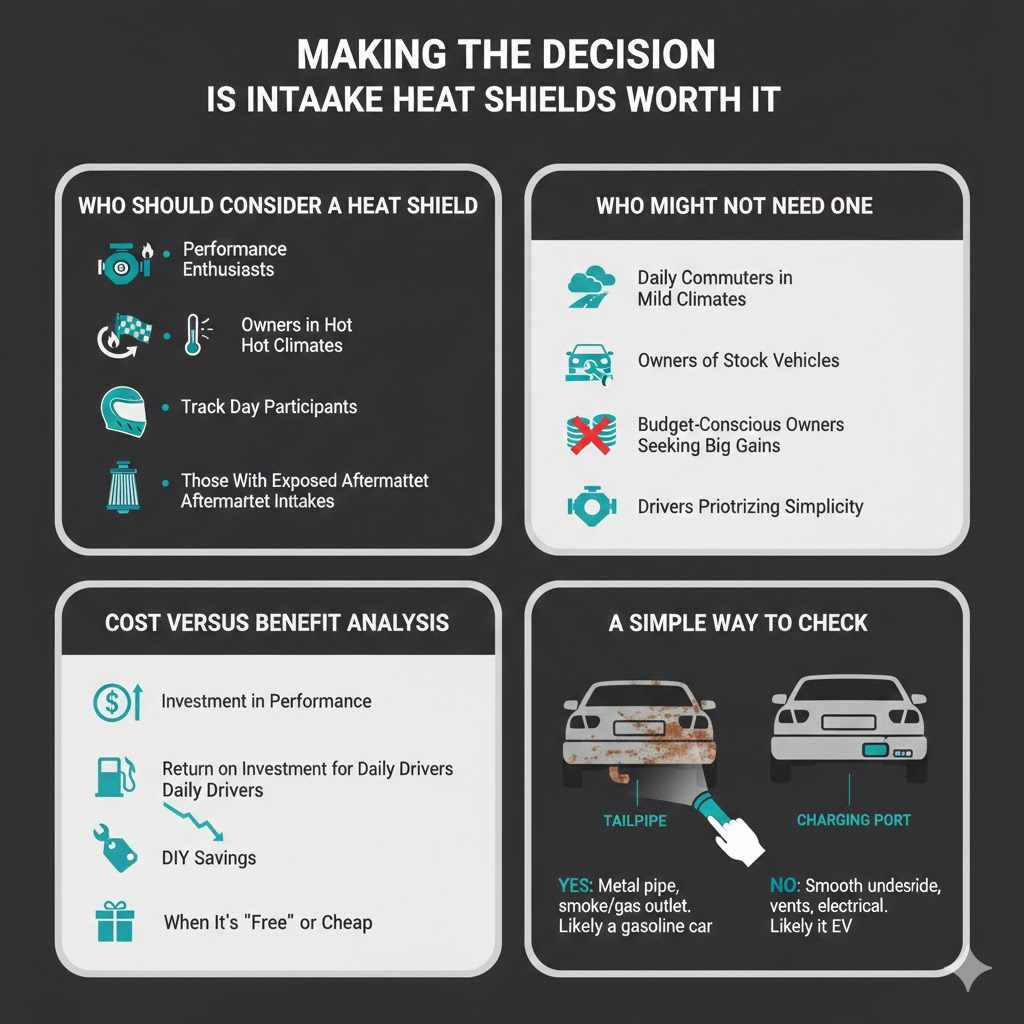
Making The Decision Is Intake Heat Shields Worth It
So, is adding an intake heat shield worth it for your vehicle? For most people, especially those with stock cars, the answer is probably no, or at least, not a significant “yes.” The gains are often too small to be noticeable or justify the cost and effort. However, if you have a performance vehicle, drive in extreme heat, or have an aftermarket intake that’s exposed, a heat shield can be a smart addition.
It’s about managing expectations and understanding your specific driving needs.
Who Should Consider A Heat Shield
Certain car owners will find a heat shield to be a valuable upgrade. These are typically people who want to maximize their car’s performance or are dealing with specific environmental factors.
If you’ve modified your car’s engine for more power, especially with a turbo or supercharger, cooler intake air is a priority. Also, if you frequently drive in areas where temperatures are very high, a shield can help your engine run more smoothly.
- Performance Enthusiasts
Drivers who have modified their cars for increased horsepower and torque often benefit most. They are looking for every edge to optimize their engine’s output. - Owners in Hot Climates
If you live in a desert region or a place with consistently high temperatures, a heat shield can help your engine perform better and more reliably. - Track Day Participants
For drivers who take their cars to the race track or autocross events, sustained engine performance is crucial. Heat shields help combat power loss during demanding, extended runs. - Those With Exposed Aftermarket Intakes
If you’ve installed a performance air intake kit that leaves the air filter vulnerable to engine heat, a shield can reclaim some of the intended benefits of the intake.
Who Might Not Need One
For the average driver, the benefits of an intake heat shield might not be significant enough to warrant the purchase. Many modern cars are already quite efficient at managing intake air temperatures.
If your car is mostly stock and used for everyday commuting or gentle driving, you’re unlikely to notice a difference. It’s important not to expect massive gains from such a modification.
- Daily Commuters in Mild Climates
If your car is used for commuting and you live in an area with moderate weather, the impact of a heat shield will likely be minimal. - Owners of Stock Vehicles
Many factory-designed air intake systems already incorporate good heat management features. Adding a shield might be redundant in these cases. - Budget-Conscious Owners Seeking Big Gains
If you’re looking for a significant horsepower boost for a small investment, a heat shield is not the modification for you. Other performance parts offer larger gains. - Drivers Prioritizing Simplicity
For those who prefer a simpler engine bay and maintenance routine, adding extra components might be an unnecessary complication.
Cost Versus Benefit Analysis
When deciding if a heat shield is worth it, consider the cost compared to the potential benefits. Basic aluminum heat shields can cost anywhere from $30 to $100. More advanced or vehicle-specific options might be $100 to $200 or more.
The benefits, as discussed, are modest – perhaps a few horsepower, slightly better consistency in hot weather, or a tiny improvement in fuel economy. For many, the cost might outweigh these small gains.
If you’re on a tight budget and looking for noticeable performance improvements, investing in other modifications might be a better use of your money.
- Investment in Performance
For performance-focused drivers, the cost of a heat shield is often a small part of a larger build. The benefit of maintaining optimal performance under stress can justify the expense. - Return on Investment for Daily Drivers
For daily drivers, the return on investment in terms of noticeable performance or fuel savings is typically very low. The cost might not be recouped through better MPG. - DIY Savings
Purchasing a universal heat shield and installing it yourself can significantly reduce the cost compared to buying a premium, vehicle-specific shield installed by a shop. - When It’s “Free” or Cheap
If you can find a heat shield for very little cost, or can fashion one yourself from scrap materials, the risk versus reward is much lower, making it a more appealing modification.
Frequently Asked Questions
Question: Will a heat shield improve my car’s acceleration?
Answer: A heat shield may offer a very slight improvement in acceleration by ensuring the engine receives cooler, denser air. However, the gains are typically modest and might not be noticeable in everyday driving. It’s more about maintaining consistent performance, especially in hot conditions, rather than adding significant speed.
Question: How much horsepower can I expect from a heat shield?
Answer: Expect very small gains, usually in the range of 1-3 horsepower, and only under specific conditions like high ambient temperatures. These shields are not designed for large horsepower increases but for optimizing existing performance by reducing heat soak.
Question: Do I need a heat shield if I have a cold air intake?
Answer: If your cold air intake is designed in a way that it’s still exposed to engine heat, a heat shield can be beneficial. It helps the cold air intake system do its job better by protecting it from absorbing unwanted heat from the engine bay.
Question: Can a heat shield hurt my engine?
Answer: No, a properly installed heat shield will not hurt your engine. Its purpose is to protect the intake air from heat. However, an incorrectly installed shield that obstructs airflow could potentially cause issues, so proper installation is key.
Question: Are heat shields a good modification for fuel economy?
Answer: Heat shields can contribute to slightly better fuel economy by allowing for more efficient fuel combustion due to cooler intake air. However, the improvements are usually very small, often less than 1 MPG, and other driving factors have a much larger impact.
Summary
So, Do Intake Heat Shields Really Work? Honest Answer: yes, they can, but their impact is subtle. They are most effective in reducing heat soak for performance cars, those in hot climates, or with exposed aftermarket intakes.
For most daily drivers, the difference is minimal. They offer modest benefits, like slight horsepower consistency and minor fuel economy help, but are not major performance upgrades on their own.