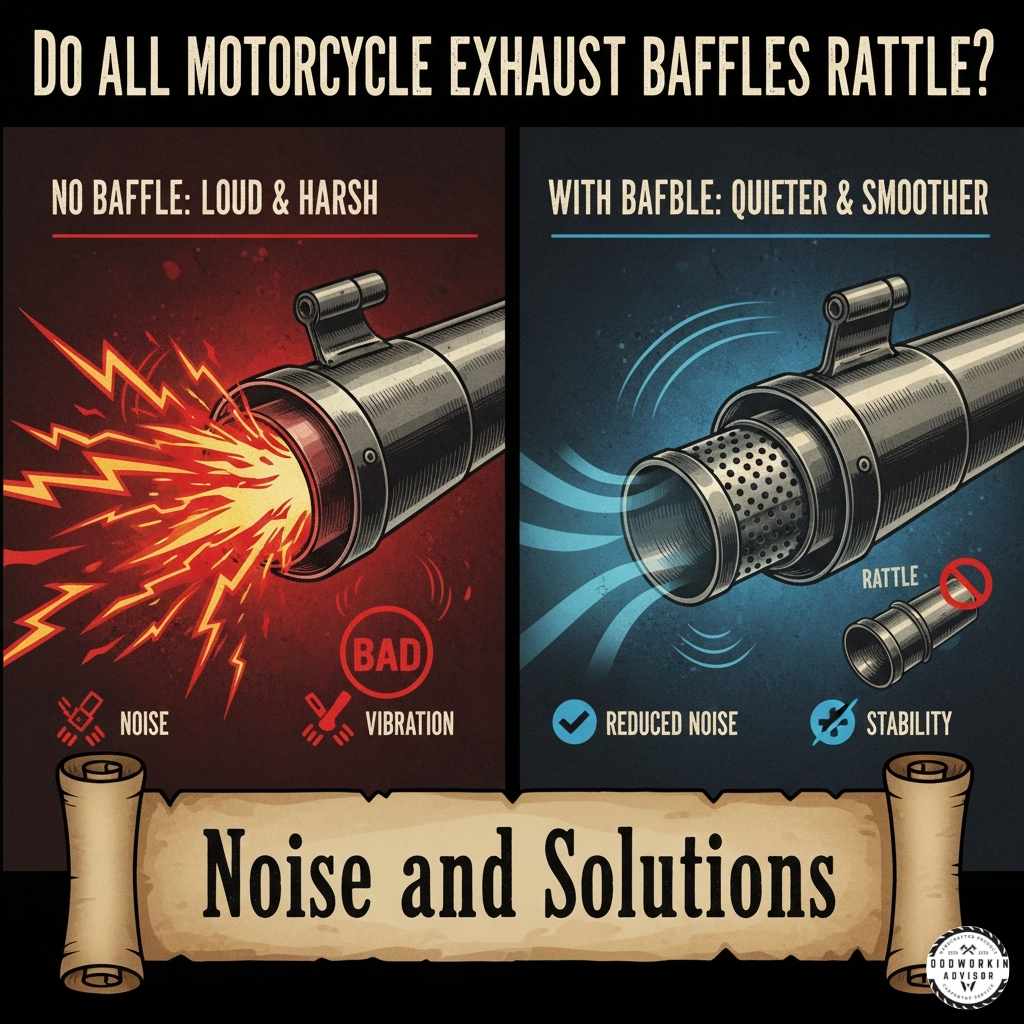
Do All Motorcycle Exhaust Baffles Rattle? Noise and Solutions
If you’re new to motorcycles, you might be wondering, Do All Motorcycle Exhaust Baffles Rattle? It’s a common concern! That annoying rattling sound from your exhaust can be frustrating, especially when you want a smooth ride. Don’t worry, many riders face this issue. We will explore the reasons behind the rattle and give you some easy steps to fix it. We’ll show you why your exhaust baffle might be causing problems, and you’ll soon have a quiet ride. Let’s start and address this issue!
What Causes Exhaust Baffles to Rattle?
Exhaust baffles are like the internal architects of your motorcycle’s sound. They’re designed to control and shape the sound waves produced by your engine. The primary job is to make your motorcycle’s exhaust quieter by disrupting the sound waves. However, these crucial components can sometimes become the source of unwanted noise, specifically, rattling. Several factors can lead to this issue, and they’re usually related to wear and tear, manufacturing, or improper installation. As the parts in the baffle age, they can loosen, vibrate, and eventually rattle. It’s similar to how things wear out in any machine after regular use.
Wear and Tear on Your Baffle
Over time, the high heat and vibrations from your engine can take a toll on the exhaust baffle. The materials, such as metal or fiberglass, can degrade. The repeated expansion and contraction from heat cycles will also impact the baffle’s structure. This can lead to cracks, corrosion, or the loosening of internal components. These effects are unavoidable over time, even with proper maintenance. This damage creates space for the internal parts to move around freely, resulting in the tell-tale rattle. The more the motorcycle is ridden, the more wear and tear occur.
- High Temperatures: The extreme heat from the exhaust gases constantly stresses the baffle materials. The intense heat weakens them over time, making them more prone to damage.
- Vibrations: Motorcycles are inherently vibration-heavy machines. This vibration can cause bolts and fasteners to loosen. This will cause damage to the internal structure of the baffle.
- Corrosion: Moisture and road salt (in certain climates) can cause rust and corrosion. These factors contribute to the deterioration of the baffle’s components.
- Material Degradation: The internal packing materials, such as fiberglass, can break down from heat and vibration. This allows the baffle’s metal components to move more freely, causing a rattle.
Manufacturing Problems
Sometimes, the problem begins at the factory. Defective manufacturing, such as poor welding or incorrect assembly, can cause the rattle from the start. Some baffles might have parts that don’t fit well or weren’t secured properly. Furthermore, substandard materials can accelerate the wear and tear process, leading to rattling sooner rather than later. These errors are not always obvious. You might not notice them until the motorcycle has been used for a while. The good news is that these are often fixable, or the baffle can be replaced.
- Poor Welding: Weak or incomplete welds can create points of failure. This allows components to come loose and rattle.
- Incorrect Assembly: If the baffle wasn’t assembled correctly, internal parts can come loose, causing noise.
- Substandard Materials: Low-quality materials might not withstand the stresses of heat and vibration. They can wear out quickly.
- Design Flaws: Certain baffle designs may be more prone to rattling than others. This is a factor of how the different components interact within the exhaust system.
Improper Installation
The way the exhaust baffle is installed is very important. If not done correctly, it can lead to rattling. For example, if the baffle isn’t secured properly within the exhaust system, it can vibrate and produce noise. Similarly, if the wrong size baffle is installed, it may not fit snugly. Therefore, this will allow it to move around and rattle. Always refer to your motorcycle’s manual or have a professional install it. They will ensure it’s securely attached. A properly installed baffle ensures the smooth operation of your motorcycle.
- Loose Fasteners: Bolts, screws, or clamps that aren’t tightened correctly will allow the baffle to move.
- Incorrect Size: Using a baffle that doesn’t match your exhaust system’s specifications can cause problems.
- Misalignment: A baffle that isn’t perfectly aligned within the exhaust can vibrate against the exhaust walls.
- Damage During Installation: Baffles can be damaged during installation. These can lead to components that are more susceptible to movement and noise.
Identifying and Diagnosing a Rattling Baffle
Recognizing the source of a rattle is the first step toward a solution. The sound can often be mistaken for other mechanical issues. A careful examination can help you pinpoint the problem and determine the best approach for fixing it. This might involve checking different areas of the exhaust system, and listening carefully to where the noise comes from. A thorough inspection can help you locate the problem. You might need to use basic tools, such as a flashlight, to see the inside of the exhaust. The following sections will guide you in diagnosing the rattle.
The Sound of the Rattle
The sound of the rattle can vary depending on the issue. This sound might be metallic, as in the case of a loose baffle component, or more muffled, especially if the internal packing material has degraded. Typically, the rattle is most noticeable when the engine is running. However, the exact sound and when it occurs can provide valuable information for diagnosis. Pay attention to whether the noise changes with engine speed. Does it appear at idle, or when the motorcycle is accelerating? These observations will help you narrow down the cause of the problem.
- Metallic Clatter: Often indicates loose metal components within the baffle.
- Muffled Rattle: May suggest degradation of the internal packing.
- Variable with Engine Speed: Indicates a problem related to engine vibrations.
- Consistent Noise: May be a sign of a loose or damaged component.
Visual Inspection and Basic Checks
A visual inspection of the exhaust system is a simple but important first step. Check for any obvious signs of damage, such as cracks, rust, or loose connections. Inspect the baffle itself for any visible signs of wear or movement. Gently shake the exhaust system and listen for any rattling. This can help you to pinpoint the exact location of the problem. This can be easier to do when the engine is off and the exhaust system is cool. These checks can help you to figure out where to start when repairing your motorcycle.
- Look for Cracks: Cracks in the exhaust system or baffle casing can be a cause of rattling.
- Check for Rust: Rust can indicate corrosion that might be affecting the baffle.
- Inspect Fasteners: Ensure all bolts, screws, and clamps are secure.
- Shake the Exhaust: Gently shake the exhaust while listening for any noise.
Using a Stethoscope or Listening Device
A mechanic’s stethoscope or even a long screwdriver used as a makeshift listening tool can help pinpoint the source of the rattle. Place the tip of the stethoscope or the end of the screwdriver against the exhaust system. Then listen to different areas while the engine is running (but at a safe distance). This method can amplify the sound. This can make it easier to locate the source of the noise. Be very cautious and avoid getting too close to hot exhaust components when the engine is running. This approach is more accurate than relying on the naked ear alone.
- Prepare the Area: Make sure the area around the motorcycle is clear and safe. Ensure the motorcycle is stable.
- Start the Engine: Let the engine idle. This is where the rattle is most noticeable.
- Use the Stethoscope: Place the tip of the stethoscope on different parts of the exhaust. Start near the engine and move along the exhaust system.
- Listen for the Rattle: Focus on locating the loudest point of the rattle. This is where the problem is most likely located.
How to Fix a Rattling Exhaust Baffle
Once you’ve identified the source of the rattle, you can take steps to fix the problem. The solution depends on the cause. For instance, if loose bolts are the problem, tightening them may be sufficient. If the internal components are damaged, you may need to replace them or the entire baffle. Here are some solutions to consider. You can also consult a mechanic. This is a very valuable resource to ensure the issue is addressed safely and effectively. Addressing the issue will ensure your motorcycle will run smoothly.
Tightening Loose Components
A simple and often effective solution is to tighten any loose bolts, screws, or clamps that are holding the baffle in place. Start by checking these fasteners. Be sure to use the right tools, like a wrench. Make sure you don’t over-tighten them, as that can cause damage. Tightening the fasteners can eliminate the vibrations. The vibrations are likely the cause of the rattling. If the rattle disappears after tightening, this simple task has solved the issue. Regularly checking the fasteners during routine maintenance is a good habit to keep your motorcycle running smoothly.
- Locate the Fasteners: Find all the bolts, screws, and clamps securing the baffle and exhaust system.
- Use the Right Tools: Choose the correct size wrench or socket to tighten the fasteners.
- Tighten Securely: Tighten the fasteners until they are snug. Don’t over-tighten them.
- Test for Rattle: After tightening, start the motorcycle and listen for the rattle.
Replacing the Exhaust Baffle
If the baffle is heavily damaged or the internal components are worn out, replacing it might be the only option. This is a more involved solution. It requires you to remove the old baffle and install a new one. Be sure to choose a replacement baffle that matches your motorcycle’s make and model. During this process, be sure to follow all the instructions. If you’re not comfortable performing this task, consider having a mechanic replace it. This is usually the best approach. Replacing the baffle can restore quiet operation and improve the overall performance of your motorcycle.
- Remove the Old Baffle: First, you need to remove the existing baffle. You might need to detach it from the exhaust system.
- Choose a New Baffle: Select a
- Install the New Baffle: Follow the manufacturer’s instructions for the installation.
- Test the Exhaust: Start the motorcycle and check to see if the rattle is gone.
Repairing or Re-Packing the Baffle
In some cases, you might be able to repair the baffle instead of replacing it entirely. This is possible if the damage is minor, such as a loose internal component. You can try to re-weld it. Otherwise, you can re-pack the baffle. This involves removing the old packing material and replacing it with new, high-temperature-resistant packing. This can help to restore the sound-dampening properties of the exhaust system. This is a more advanced task. You might need to have the skills to handle high-temperature materials.
- Assess the Damage: Determine the extent of the damage to see if a repair is feasible.
- Remove and Disassemble the Baffle: Take the baffle out and take it apart.
- Re-pack the Baffle: Insert new packing material. Use the packing material as per the instructions.
- Reassemble and Test: Put the baffle back together and test it.
Preventing Future Rattle Problems
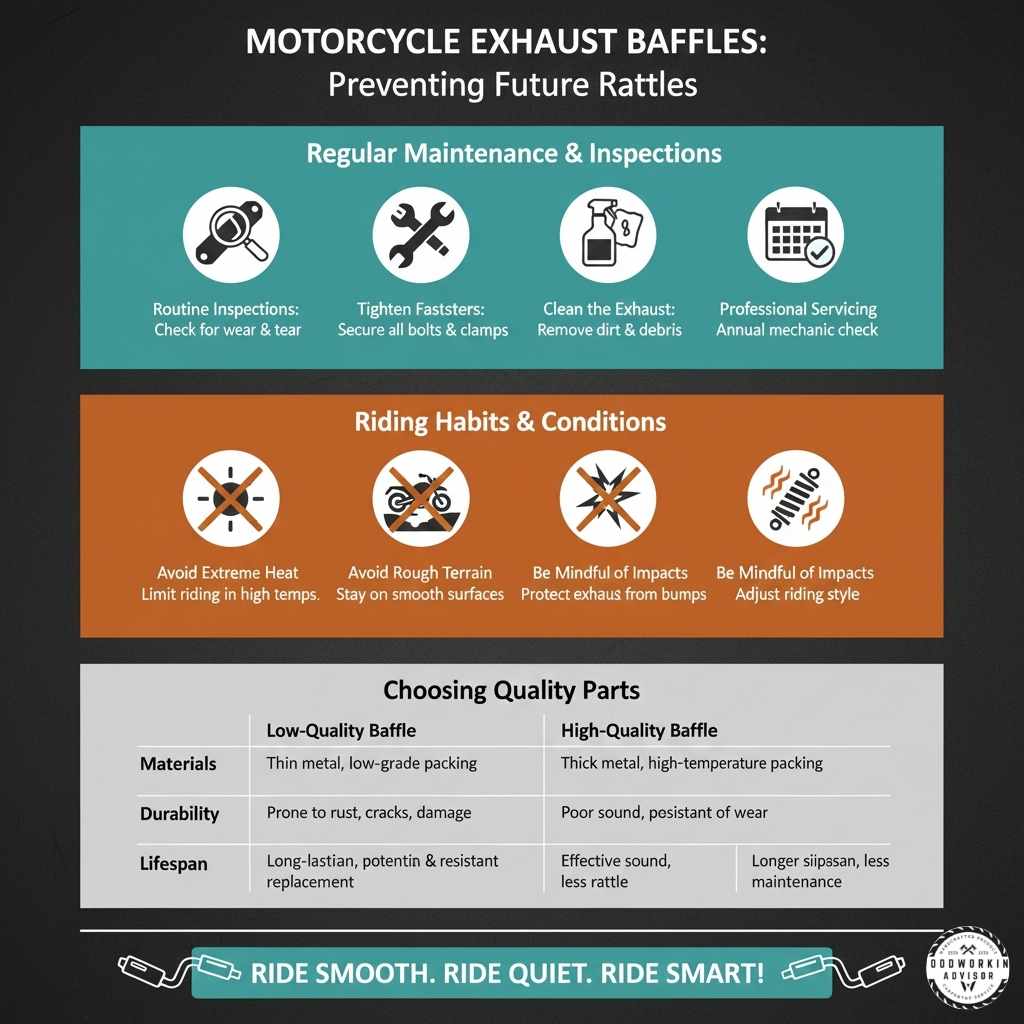
Although exhaust baffles will age, you can take steps to minimize the chances of future rattles. Careful maintenance and good riding practices can extend the life of your exhaust system. Regular checks and proactive measures can often catch small problems before they turn into bigger issues. Here are some helpful ways to maintain your exhaust system. Be sure to perform regular inspections, ride carefully, and use quality parts. These steps can help extend the life of your exhaust baffle. Therefore, this will ensure that your motorcycle runs smoothly and quietly for years to come.
Regular Maintenance and Inspections
Regular maintenance is a key part of keeping your motorcycle in good working order. This also includes your exhaust system. Schedule regular inspections of your exhaust baffle. Keep the fasteners tight, and also check for any signs of damage. Any early detection of potential problems can prevent them from getting worse. Cleaning the exhaust system can also prevent any corrosion or buildup. Also, following the maintenance schedule outlined in your motorcycle’s manual is essential. Following these habits will help extend the lifespan of your baffle. Doing so will ensure that your exhaust system performs well.
- Routine Inspections: Regularly check the exhaust baffle for any signs of wear and tear.
- Tighten Fasteners: Make sure to check and tighten all bolts, screws, and clamps.
- Clean the Exhaust: Clean the exterior of the exhaust system to remove dirt and debris.
- Professional Servicing: Have your exhaust system inspected by a mechanic.
Riding Habits and Conditions
How you ride your motorcycle can impact the wear and tear on your exhaust system. Avoid riding in extreme conditions if possible. This includes excessive heat and off-road riding. These conditions can cause the exhaust components to wear out faster. Avoid any contact or impacts that could damage the exhaust system. Moreover, adjust your riding style to avoid excessive vibrations. These factors can help reduce the strain on your exhaust system. This will make your motorcycle last longer.
- Avoid Extreme Heat: Try to limit riding in very hot conditions.
- Avoid Rough Terrain: Minimize riding on off-road or uneven surfaces.
- Be Mindful of Impacts: Steer clear of any contact that could damage the exhaust.
- Reduce Vibration: If possible, adjust your riding style. This will minimize vibrations.
Choosing Quality Parts
When replacing or upgrading your exhaust baffle, selecting quality components is important. It will help ensure the longevity and performance of your exhaust system. Opt for reputable brands and quality materials. These components are more resistant to wear and tear. They can also provide a better fit and improved performance. Investing in good parts upfront can help you save money and time. This is because they are less likely to break down. Therefore, choosing quality parts can provide a more reliable and enjoyable riding experience.
| Feature | Low-Quality Baffle | High-Quality Baffle |
|---|---|---|
| Materials | Thin metal, low-grade packing | Thick metal, high-temperature packing |
| Durability | Prone to rust, cracks, and damage | Long-lasting and resistant to wear |
| Performance | Poor sound control, potential for rattle | Effective sound control, less likely to rattle |
| Lifespan | Shorter lifespan, frequent replacement needed | Longer lifespan, less maintenance |
Frequently Asked Questions
Question: Why does my exhaust rattle only at certain speeds?
Answer: The rattle at specific speeds can be from the vibrations generated by the engine resonating with a loose component inside the exhaust baffle. The frequency of these vibrations can cause the baffle parts to rattle against each other at certain speeds, causing the noise to be more pronounced.
Question: Can I use any type of packing material to fix a rattling baffle?
Answer: No, it is important to use packing material that is specifically designed for exhaust systems. Use materials that are high-temperature resistant. Regular packing might not withstand the heat and vibrations and could lead to more problems.
Question: How often should I inspect my exhaust baffle?
Answer: A good rule of thumb is to inspect your exhaust baffle every time you change your oil. Be sure to check it during your regular maintenance schedule. If you hear any unusual noises or detect any changes in the exhaust sound, inspect it sooner.
Question: Is it safe to ride with a rattling exhaust baffle?
Answer: Riding with a rattling exhaust baffle isn’t necessarily dangerous, but it can worsen the problem. Ignoring it can lead to more serious damage. It is essential to diagnose and fix the issue. Therefore, you will ensure the exhaust system’s proper function and prevent further problems.
Question: Where can I get help if I can’t fix the rattle myself?
Answer: If you’re not comfortable working on your motorcycle, take it to a professional mechanic. They have experience and tools to diagnose and fix the issue correctly. Motorcycle repair shops or mechanics specializing in exhaust systems can provide expert assistance and solutions.
Final Thoughts
Dealing with a rattling exhaust baffle doesn’t have to be a headache. You can easily find the issue and resolve it. Remember, Do All Motorcycle Exhaust Baffles Rattle? No, not always. However, wear and tear, manufacturing issues, and improper installation can cause the rattling sound. By understanding the causes, recognizing the symptoms, and following simple repair steps, you can get your motorcycle back to a smooth, quiet ride. Remember that preventative maintenance is key. Regularly inspect your exhaust, maintain good riding habits, and choose quality parts. These steps can keep your motorcycle running well. Now, go and inspect your exhaust system, and get back on the road with peace of mind!