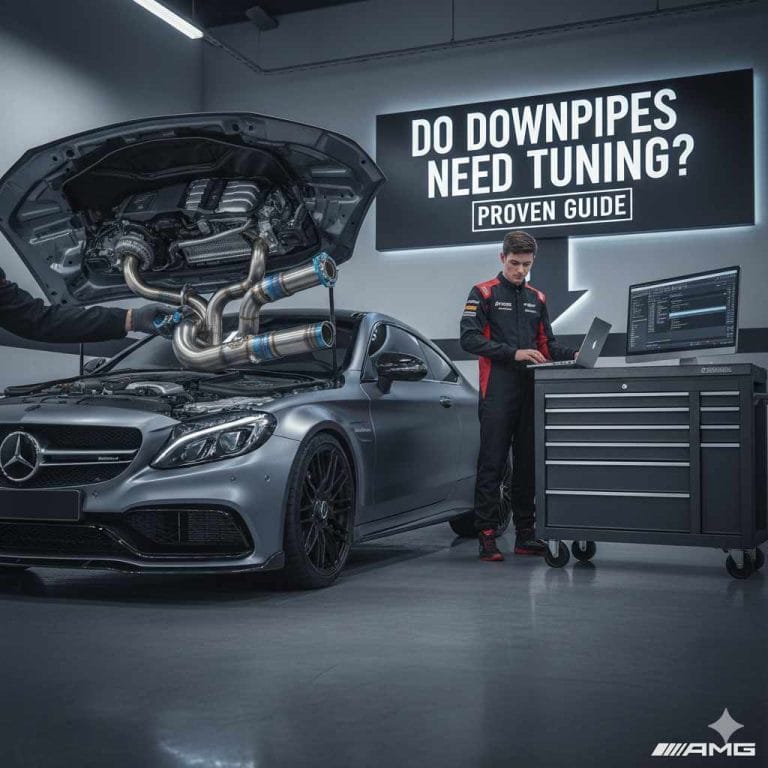
Are Downpipes Worth It? Essential Guide Revealed
Yes, downpipes can be worth it if you’re looking to improve your car’s exhaust sound, potentially gain a bit of performance, and enhance its overall look. For many car owners, especially those seeking a sportier feel or a more aggressive exhaust note, a well-chosen downpipe is a valuable upgrade.
Ever noticed how some cars just sound… better? That deep rumble, that satisfying growl – it’s often thanks to the exhaust system, and sometimes, a key part called the downpipe plays a big role. If you’re new to car mods or just curious about what makes your car tick (and sound!), you might be wondering: “Are downpipes worth it?” It’s a common question, and honestly, figuring out exhaust parts can seem a bit confusing at first. But don’t worry! I’m here to break it down in a way that’s easy to understand. We’ll look at what a downpipe is, what it does, and how it can affect your car. By the end of this guide, you’ll have a clear picture of whether a downpipe is the right move for you and your ride.
What Exactly is a Downpipe and Where Does it Fit?
Think of your car’s exhaust system like a series of pipes carrying away the hot, burnt gases from your engine. It starts at the engine and ends at the tailpipe you see at the back. The downpipe is one of the very first sections of this system, right after your engine’s turbocharger (if your car has one) or exhaust manifold.
Its main job is to connect the turbo or manifold to the rest of the exhaust system, including the catalytic converter and the muffler. It’s a crucial link that helps guide those hot gases along their journey out of your car.
On turbocharged cars, the downpipe is particularly important. It’s where the exhaust gases spin the turbocharger’s turbine, which in turn spins another turbine to force more air into the engine. This can lead to increased power. The design of the downpipe significantly impacts how efficiently those gases can flow.
The Role of the Downpipe in Exhaust Flow
Imagine a crowded hallway versus an open corridor. Gases need space and a clear path to move quickly. A restrictive downpipe is like that crowded hallway – it’s harder for the gases to get through, which can slow things down and cause the engine to work a bit harder than it needs to.
A well-designed downpipe, especially an aftermarket one, aims to:
- Reduce Backpressure: This is the resistance gases face as they exit the engine. Less backpressure means gases can escape more easily.
- Improve Gas Velocity: By smoothing out the flow, gases can move faster, which helps the engine breathe better.
- Potentially Increase Horsepower and Torque: When an engine breathes better, it can often produce more power.

Why Do People Consider Upgrading Their Downpipes?
Most factory-installed downpipes are designed with a focus on quiet operation and emissions control, which can sometimes limit performance. If you’re looking for a bit more from your car, an aftermarket downpipe might be on your radar. Here are the main reasons:
1. Enhanced Exhaust Sound
This is a big one for many enthusiasts! The downpipe is one of the first points in the exhaust system where you can affect the sound. A larger or less restrictive downpipe can lead to:
- A deeper, more aggressive tone.
- A sportier rumble that many associate with performance cars.
- When a high-flow catalytic converter or no catalytic converter is used (this is where regulations come into play – more on that later!), the exhaust note can become even more pronounced.
It’s important to note that exhaust sound is subjective, and what one person finds thrilling, another might find too loud. The specific materials and design of the downpipe will also influence the final sound.
2. Potential Performance Gains
When you reduce backpressure, especially on turbocharged engines, you can see improvements in performance. Here’s how:
- Faster Turbo Spool: The turbo can spin up quicker because it doesn’t have to fight against as much resistance from the exhaust. This means you get boost pressure sooner, leading to better acceleration.
- Increased Horsepower and Torque: With better airflow, the engine can take in more air and fuel, leading to more power. The gains can range from modest to significant, depending on the car, the specific downpipe, and other modifications.
For instance, upgrades like a larger diameter pipe or smoother bends can make a noticeable difference. Some studies suggest that reducing exhaust restriction can yield measurable power increases. For example, research into exhaust system efficiency highlights how diameter and flow rate impact engine performance.
3. Improved Aesthetics
While not the primary reason for most, some aftermarket downpipes are made from high-quality materials like stainless steel, which can look very clean and durable under your car. Some might even have polished finishes that add a touch of flair, especially if you often show off your car or enjoy looking underneath it.
4. Weight Reduction
In some cases, aftermarket downpipes might be slightly lighter than their stock counterparts, especially if they are made with thinner-walled materials or are of a simpler design. While this isn’t usually a major selling point for a downpipe, every little bit can contribute to a car’s overall performance and handling.
Types of Downpipes
When you start looking at aftermarket downpipes, you’ll see a few common types. The biggest difference often comes down to the catalytic converter.
1. Cat-Back vs. Turbo-Back (or Full Downpipe Systems)
It’s important to distinguish between different exhaust system parts. A “cat-back” exhaust system replaces everything from the catalytic converter to the tailpipe. A “turbo-back” system, on the other hand, includes the downpipe and typically replaces the catalytic converter as well, connecting directly to the turbo.
When people talk about upgrading the “downpipe,” they are often referring to replacing the section that includes or replaces the factory catalytic converter. This is the part we’re focusing on.
2. Catalytic Converter Options
This is a critical point, both for performance and legality.
- OEM-Style Downpipes: These mimic the factory design, often including a high-quality, standard catalytic converter. They aim to offer better flow than stock but keep emissions at legal levels.
- High-Flow Catalytic Converters: These use a less restrictive honeycomb structure inside the converter. They allow exhaust gases to pass through more easily, reducing backpressure and improving flow. They are designed to still clean the exhaust gases effectively to meet emissions standards, but they flow better than stock.
- Catless Downpipes (De-cat): These downpipes have no catalytic converter at all. They offer the least restriction and therefore the most potential for performance gains and a louder exhaust note. However, they are illegal for road use in most regions due to emissions regulations and will almost certainly cause your car to fail an emissions test.
Here’s a quick look at what you might find:
| Type of Downpipe | Pros | Cons | Legality & Emissions |
|---|---|---|---|
| OEM-Style (with stock cat) | Direct fit, emissions compliant, maintains quiet operation. | Minimal performance or sound gain. | Fully legal. |
| High-Flow Cat | Improved flow, noticeable sound increase, moderate performance gain, generally emissions compliant. | Slightly more expensive, may still not pass very strict “visual” inspections if the converter is modified. | Generally legal, but check local regulations. |
| Catless (De-cat) | Maximum performance gain, loudest exhaust sound, least restriction. | Illegal for road use, will fail emissions tests, very loud, potential for drone, can trigger check engine lights. | Illegal for road use in most places. Clean Air Act regulations in the US and similar laws worldwide strictly prohibit tampering with emission control devices. |
3. Material Construction
Downpipes are typically made from steel or stainless steel. Stainless steel is generally preferred for its durability, resistance to rust and corrosion, and ability to withstand high temperatures over the long term. This is especially important for exhaust components that get very hot.
The Big Question: Are Downpipes Worth It for YOU?
This is where we bring it all together. The “worth” of a downpipe really depends on what you want to achieve with your car. Let’s break down the pros and cons:
Pros of Upgrading Your Downpipe:
- Auditory Pleasure: A deeper, sportier exhaust note that many drivers crave.
- Performance Boost: Potential for increased horsepower, torque, and quicker turbo spool, especially on turbocharged cars.
- Engine Efficiency: A less restricted exhaust helps the engine “breathe” better, which can indirectly contribute to better efficiency under certain conditions.
- Aesthetic Appeal: High-quality materials and finishes can improve the look of your exhaust system.
- Weight Savings: Can be slightly lighter than the stock component.
Cons of Upgrading Your Downpipe:
- Cost: Aftermarket downpipes can range from a few hundred to over a thousand dollars, depending on the brand, material, and type of catalytic converter.
- Legality and Emissions: Catless downpipes are illegal for road use and will cause your car to fail emissions testing. Even high-flow cats might be a gray area depending on local laws. It’s crucial to know your local regulations. For reference, the EPA defines a catalytic converter as a critical emissions control device.
- Noise Levels: While some want a louder exhaust, others prefer a quiet ride. An upgraded downpipe, even with a high-flow cat, can make your car noticeably louder.
- Check Engine Lights (CELs): Removing or altering the catalytic converter can sometimes cause your car’s computer to throws codes, resulting in a “Check Engine” light. This is especially common with catless pipes or if the sensors aren’t properly installed.
- Installation Complexity: While not always the most difficult upgrade, installing a downpipe can be challenging and may require specialized tools, lifting equipment (like ramps or a shop lift), and sometimes, modifications to other exhaust components.
- Drone: Some aftermarket exhaust systems, including those with upgraded downpipes, can introduce an annoying, low-frequency hum or “drone” at certain engine speeds, often at highway cruising speeds.
Who Should Consider a Downpipe Upgrade?
- Performance Enthusiasts: If you’re serious about getting the most out of your turbocharged car, a downpipe is often considered a foundational upgrade after tuning.
- Drivers Seeking a Sportier Sound: If you want your car to sound more aggressive and exciting, a downpipe is a great way to achieve that.
- Those Doing Other Exhaust Modifications: If you’re already planning a cat-back exhaust system or other exhaust upgrades, a downpipe often makes sense as part of a holistic system.
- Serious DIYers: If you’re comfortable working on cars and have the right tools and knowledge, it can be a rewarding project.
Who Might Want to Skip the Downpipe Upgrade?
- Daily Drivers Focused on Comfort: If your priority is a quiet, comfortable commute, the increased noise might be undesirable.
- Drivers in Strict Emissions Zones: If your area has very strict emissions testing, opting for a catless or even a high-flow cat downpipe could lead to problems.
- Budget-Conscious Owners: Downpipes can be an expensive modification, and the performance gains might not justify the cost for everyone.
- Beginners Who Aren’t Ready for Advanced Mods: If you’re just starting out with car maintenance and modifications, there might be simpler upgrades to tackle first.
How to Choose the Right Downpipe
If you’ve decided a downpipe is for you, here’s what to keep in mind:
1. Know Your Car
Downpipes are specific to the make, model, year, and engine of your car. Always ensure the part you’re looking at is compatible. Some cars have simpler exhaust setups than others.
2. Decide on Emissions Compliance
This is the MOST important factor. Are you in an area with strict emissions testing? Do you want to ensure your car remains road-legal and environmentally responsible? If yes, stick to an OEM-style or a reputable high-flow catalytic converter option. Catless pipes are for off-road use only and should never be installed on a vehicle intended for public roads.
3. Consider Sound and Performance Goals
Are you chasing every last horsepower, or is a sportier sound your main goal? A catless pipe offers peak performance and sound, while a high-flow cat offers a balance. An OEM-style might offer only a minimal change.
4. Research Brands and Quality
Look for reputable brands known for quality craftsmanship and good customer reviews. Materials like T304 stainless steel are a good indicator of quality and longevity. Check forums and reviews specific to your car model to see what others have used successfully.
5. Factor in Installation and Additional Parts
Will you install it yourself or take it to a shop? Professional installation can add several hundred dollars to the cost. You might also need new gaskets, bolts, or even an exhaust clamp depending on the design and condition of your current system.

Installing a Downpipe: A General Overview (DIY or Pro?)
Installing a downpipe can be a moderately challenging DIY project. It typically involves working underneath your vehicle, dealing with rusty bolts, and ensuring a proper seal at all connection points. If you’re not comfortable with this, it’s best left to a professional exhaust or mechanic shop.
Basic Steps (Illustrative – Always consult your vehicle’s service manual or a professional):
- Safety First: Ensure your car is on a stable, level surface and properly supported with jack stands. Never rely solely on a jack. Wear safety glasses and gloves.
- Locate the Stock Downpipe: It’s the pipe directly after the turbocharger or exhaust manifold, leading to the catalytic converter.
- Remove Heat Shields: These metal guards can be bolted or clamped on and usually need to be removed to access the bolts holding the downpipe.
- Disconnect Sensors: There will likely be oxygen (O2) sensors plugged into the downpipe. Carefully unplug their wiring harnesses.
- Unbolt the Downpipe: Loosen and remove the bolts connecting the downpipe to the turbo/manifold and to the next section of the exhaust. Be prepared for seized bolts; a penetrating lubricant might be needed.
- Remove the Old Downpipe: Carefully maneuver the old downpipe out of the way.
- Install the New Downpipe: Position the new downpipe, ensuring gaskets are in place. Hand-tighten the bolts first.
- Reconnect Sensors: Plug the O2 sensors back into their new locations on the downpipe. You may need to transfer them from the old pipe or use new ones if they were integrated.
- Tighten Bolts: Once everything is aligned, tighten all bolts securely. Follow torque specifications if available.
- Reinstall Heat Shields.
- Start the Car: Check for exhaust leaks (listen for hissing sounds) and ensure no warning lights are on.
For a more in-depth guide tailored to specific vehicles, resources like YouTube (many excellent DIY videos exist) or automotive repair forums dedicated to your car model can be invaluable. Professional shops often have specialized tools and lifts that make the job much quicker and safer.
Frequently Asked Questions (FAQs)
Here are some common questions beginners have about downpipes:
Q1: Will a downpipe make my car faster instantly?
A1: On turbocharged cars, a downpipe can contribute to noticeable performance gains, especially when combined with other modifications like an engine tune. On naturally aspirated cars, the gains are usually much smaller and might require supporting modifications to be significant.
Q2: Can I install a downpipe myself?
A2: Yes, if you have moderate mechanical skills, the right tools (like jack stands, socket set, penetrating oil), and a safe workspace. If you’re unsure, it’s safer and often more effective to have a professional install it.