
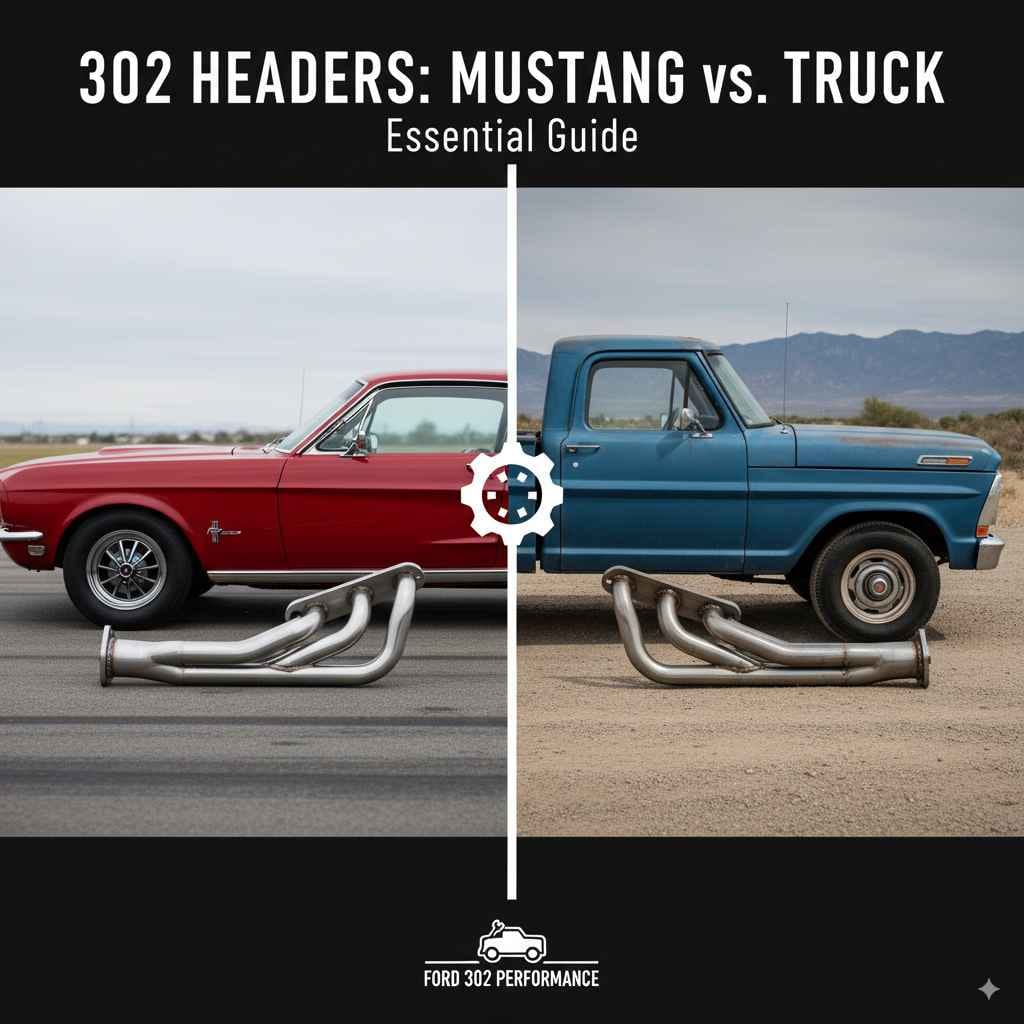
Are 302 Headers Same Mustang To Truck: Essential Guide
No, 302 Mustang headers are generally not the same as those designed for a truck application. While both may use a 302 cubic inch engine, exhaust manifold (header) fitment is highly specific to the vehicle’s chassis, engine bay dimensions, and exhaust routing. Using incorrect headers can lead to poor performance, fitment issues, and even damage.
Hey there, fellow car enthusiasts! Ever find yourself wondering if those shiny new exhaust headers from a Mustang will bolt right onto your truck, especially if both have a 302 engine? It’s a question that pops up a lot, and it can be a bit puzzling. After all, it’s the same engine, right? But the truth is, when it comes to exhaust headers, things aren’t always that simple. They’re a crucial part of your vehicle’s exhaust system, helping your engine breathe better and perform at its best. Getting them right can make a big difference, but getting them wrong can lead to headaches. Don’t worry, though! I’m here to break it all down for you in a way that’s easy to understand. We’ll walk through why they’re different and what you need to know to make the right choice for your ride.
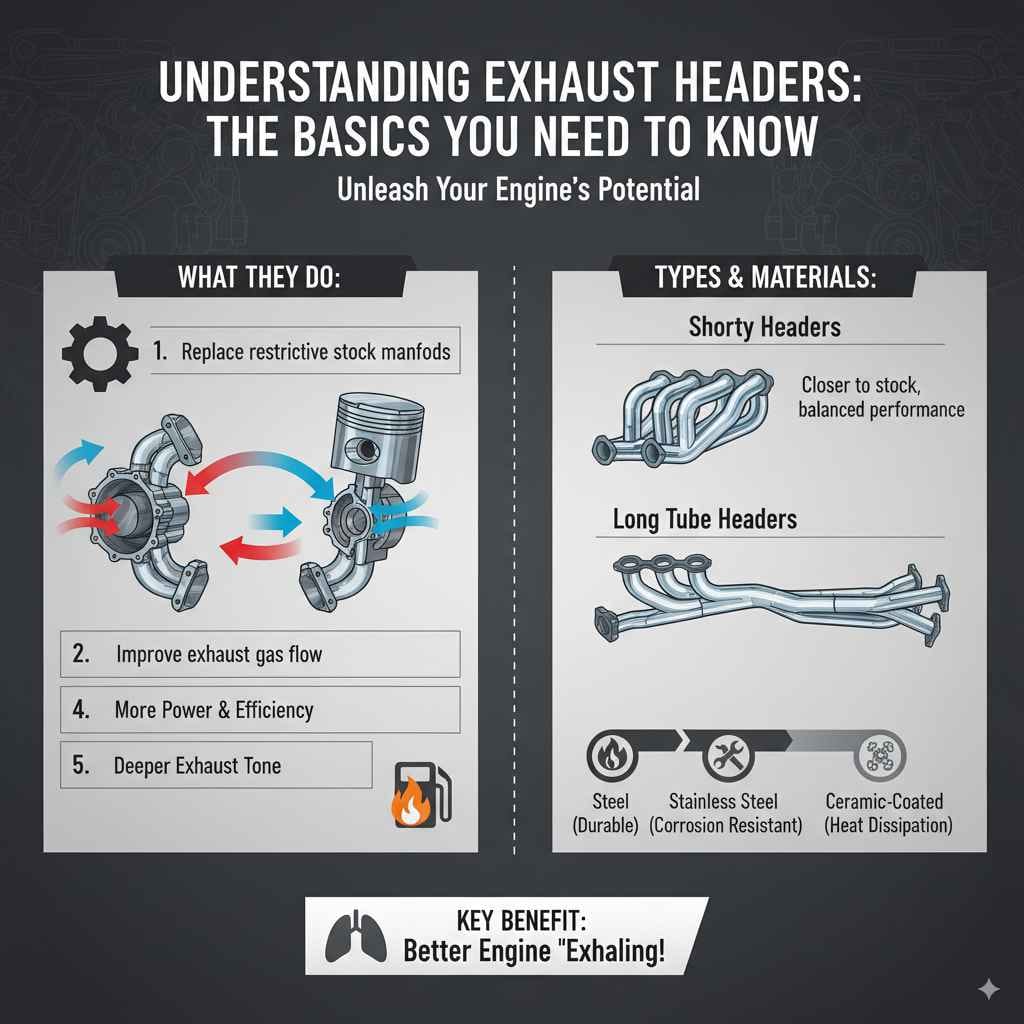
Understanding Exhaust Headers: The Basics You Need to Know
Before we dive into the Mustang vs. truck header debate, let’s quickly touch on what exhaust headers actually do. Think of them as meticulously designed pipes that replace your engine’s restrictive stock exhaust manifolds. Their main job is to improve the flow of exhaust gases away from the engine cylinders. Better flow means less back pressure, allowing your engine to “exhale” more efficiently. This can lead to more power, better fuel economy, and that satisfying rumble so many of us love.
Headers are often sold in different configurations, like shorty headers (which are closer to the stock manifold location) and long tube headers (which run further down and often improve low-end torque). The material they’re made from – typically steel, stainless steel, or ceramic-coated steel – also plays a role in their durability and performance.
Why Header Design Matters: It’s All About the Fit!
The most critical factor in header selection is fitment. Even with the same engine displacement (like the 302 cubic inch V8), vehicles are designed with vastly different engine bays, frame structures, and suspension components. These differences dictate exactly where and how exhaust piping can be routed. A header designed for a Mustang’s relatively compact engine bay will have a different shape and inlet/outlet configuration compared to a header for a truck, which often has more space but also different clearance needs around the frame rails, steering components, and suspension.
302 Headers: Mustang vs. Truck – The Key Differences
So, are 302 headers the same for a Mustang and a truck? The short answer is almost always no. Here’s why:
Chassis and Engine Bay Architecture
This is the biggest reason for the difference. Mustangs and trucks, even those sharing a 302 engine, have fundamentally different undercarriages and engine compartments.
- Vehicle Platforms: Mustangs are typically sports cars or pony cars with a unibody or body-on-frame construction designed for performance and a lower profile. Trucks, on the other hand, usually feature a robust body-on-frame design built for hauling and towing, with larger engine bays but also more obstructions like frame rails, crossmembers, and steering linkages that must be navigated.
- Engine Placement: While the 302 engine might be centrally located, the specific angle and position within the engine bay can vary. This affects how easily exhaust can exit the cylinder heads and where headers need to route to avoid interference.
- Clearance Requirements: Trucks often need headers that route higher or differently to clear substantial frame rails or suspension components. A Mustang header might be designed to tuck up higher for ground clearance or route around specific chassis bracing unique to its sportier platform.
Exhaust Routing and Clearance
The path your exhaust takes after leaving the headers is just as important as the header itself. Truck exhaust systems are often routed differently due to their longer wheelbases and the need to avoid damage from off-roading or heavy loads.
- Ground Clearance: Trucks sometimes prioritize higher clearance for their exhaust to prevent damage.
- Frame Components: The shape and location of the truck’s frame rails can significantly impact header tube design, often requiring a more “contoured” or specific bent header.
- Passenger Cab and Bed: The exhaust routing needs to accommodate the cab and bed structures, which are vastly different between a Mustang and a truck.
Starter and Accessory Interference
The location of the starter motor, clutch linkage (on manual transmissions), and other accessories can also dictate header design. A header that fits perfectly around a Mustang’s starter might clash with the starter or other components on a truck, or vice-versa.
Transmission Compatibility
While not strictly a Mustang vs. Truck issue, the specific transmission a 302 is paired with can influence header design. For instance, headers for a truck with an automatic transmission might have clearance differences compared to those for a Mustang with a manual gearbox and a different transmission tunnel shape.
Can You Make 302 Mustang Headers Fit a Truck?
In theory, with enough modification, you might be able to make Mustang headers fit a truck. However, I strongly advise against this for several reasons:
- Significant Modifications Required: You would likely need to cut, bend, and re-weld the headers extensively. This is metal fabrication work that requires specialized tools, skills, and knowledge. It’s not a simple bolt-on job and can compromise the integrity of the header.
- Compromised Performance: When you bend or cut headers, you alter the carefully engineered tube lengths and diameters. This can create turbulence, increase back pressure, and negate any performance gains you were hoping for. In fact, it could make performance worse than stock manifolds.
- Cost and Time: The cost of professional modification would likely exceed the price of purchasing the correct headers specifically designed for your truck. The time spent on such a project would also be considerable.
- Risk of Leaks: Improperly modified headers are much more prone to exhaust leaks at the newly created joints or around the mating surfaces, leading to noise, fumes, and performance loss.
For a beginner, attempting to modify headers is a particularly risky endeavor. It’s far more practical and effective to buy parts designed for your specific application.
Why Using the Correct Headers is Crucial
Investing in headers specifically designed for your truck’s year, make, model, and engine is the best approach. Here’s why it pays off:
- Guaranteed Fitment: Manufacturers spend considerable time and resources designing headers that fit your vehicle without interference. This ensures a straightforward installation.
- Optimized Performance: Headers designed for your truck will have tube lengths and diameters optimized for its specific engine and intended use, maximizing power and efficiency gains.
- Durability and Longevity: Proper installation without forcing components prevents undue stress, leading to a longer lifespan for the headers and the rest of your exhaust system.
- Compliance with Emissions: While headers are performance parts, ensure they are designed for on-road use if required in your area. Using parts as intended helps avoid technical issues.
- Safety: Incorrectly fitted headers can pose a fire risk if they’re too close to fuel lines or other flammable components, or they can interfere with steering and suspension, compromising safety.
When choosing headers, look for reputable brands that provide detailed fitment guides for your specific vehicle. Many manufacturers, like Holley, offer detailed catalogs and online tools to help you find the right part.
Identifying the Correct Headers for Your Truck
Finding the right headers involves a bit of detective work, but it’s straightforward when you know what to look for.
Key Information You’ll Need
Before you start searching, have this information ready:
- Vehicle Year, Make, and Model: This is the most critical information. Be as specific as possible.
- Engine: Confirm it’s the 302 V8 (also known as a 5.0L). Some trucks might have other V8 options.
- Cab and Bed Configuration: For example, Regular Cab, Extended Cab, Short Bed, Long Bed. Sometimes these configurations affect exhaust routing.
- Transmission Type: Automatic or Manual.
- 4WD or 2WD: This can sometimes affect crossmember clearance.
Where to Find Header Information
Here are the best places to look:
- Manufacturer Websites: Leading brands like Edelbrock, Pypes Exhaust, and others have excellent product finders. You enter your vehicle details, and they show you compatible parts.
- Reputable Auto Parts Stores: Online retailers like Summit Racing, JEGS, or even large chain auto parts stores have extensive databases that allow you to search by your vehicle.
- Forums and Enthusiast Groups: While useful for advice, always double-check part numbers and fitment with official sources.
Types of Headers Available for Trucks
For trucks with a 302, you’ll typically find these header types:
- Shorty Headers: These are designed to bolt directly to your stock Y-pipe or a short extension pipe. They offer moderate gains and are often easier to install, as they don’t route as far down the chassis. They generally fit within the existing exhaust manifold footprint.
- Mid-Length Headers: These offer a compromise between shorty and long-tube headers, providing better flow than shorties without the extensive routing or potential clearance issues of long tubes.
- Long Tube Headers: These offer the most significant performance improvements, especially at lower RPMs, by improving exhaust scavenging. However, they require more careful fitment, often come with new Y-pipes, and can present more clearance challenges, especially on stock or lowered trucks.
Installation Considerations
Even with the correct headers, installation can sometimes be tricky. Here’s a general idea of what’s involved and what to watch out for:
Tools You Might Need
A basic toolkit is essential. For header installation, you’ll likely need:


