
How to Tell If Exhaust Rust Is Dangerous
Exhaust rust is generally cosmetic only when it is a thin surface layer, with solid metal underneath and no loss of shape. Treat it as a leak risk if the metal flakes, swells, pits deeply, or rust appears at welds. Stop driving if a pipe, muffler, or hanger is cracked through or hanging loose. The wrong kind of rust can turn a small repair into a leak, noise, failed inspection, or a part that drops onto the road. This guide shows how to sort rust into cosmetic, leak-causing, or structurally unsafe without tearing the exhaust apart.
What exhaust rust means by component
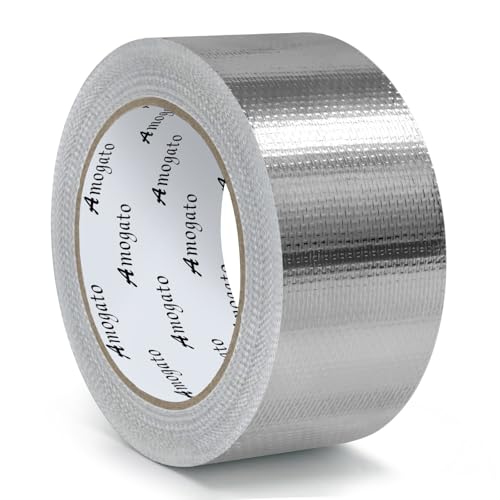
- Withstands temperatures up to 500°F for exhaust repair
- Embedded fiberglass mesh provides exceptional tensile strength
- Each roll measures 2 inches wide by 66 feet long
Exhaust rust turns dangerous once it thins the metal enough to leak, split a seam, or break a support. Light orange surface rust is common on cold-start condensation areas and often stays cosmetic for a while, but scale, pitting, holes, and soft spots shift the risk from appearance to function and safety.
Location changes the risk fast. Rust near the manifold, front pipe, or first joints can bring hot exhaust and carbon monoxide closer to the cabin and underbody openings, while rust at the rear muffler is often more about noise, inspection failure, and eventual part replacement.
What rust means on exhaust parts
Exhaust pipe sections are often single-wall steel, and they rust where moisture sits after short trips or cold starts. Thicker pipe sections usually hold up longer than thin tubing, but seams and welds still fail first because corrosion concentrates there.
Mufflers often rust from the inside out. Water vapor in the exhaust condenses inside the canister, and that moisture can create pinholes or seam failure before the outer shell looks terrible. Resonators are mid-pipe parts, so rust there can change drone or let a leak start in the center of the system. Hangers and clamps matter too; if they corrode, the exhaust can sag, crack at stress points, or become harder to repair cleanly.
When is exhaust rust just cosmetic and when is it a leak risk?
Rust is usually cosmetic when it is a dry, even surface layer with no thinning, no soft spots, and no sound change. It becomes a leak risk when you see scaling, deep pitting, seam separation, rusty joints, or a spot that flexes, crumbles, or opens when probed.
The simplest threshold is this: discoloration alone is a monitor item, but rust that removes metal is a repair item. If the rust is near a weld, clamp, hanger, or any place the pipe changes shape, treat it more seriously because those spots fail sooner.
Rust risk triage table
| Visible rust pattern | Likely risk level | Recommended action |
|---|---|---|
| Light orange surface rust on the outer pipe | Low | Monitor |
| Flaking scale that brushes off in sheets | Medium | Plan repair soon |
| Pinholes visible in the pipe wall | High | Stop driving and inspect immediately |
| Seam separation at a welded joint | High | Stop driving and inspect immediately |
| Rust at hangers with sagging exhaust | High | Stop driving and inspect immediately |
| Rust near the manifold or front pipe | High | Stop driving and inspect immediately |
| Rust on the muffler body with no holes | Medium | Plan repair soon |
| Rust at clamps with fastener loss or gap | Medium | Plan repair soon |
| Rust with cabin smell after startup or while idling | High | Stop driving and inspect immediately |
| Rust with broken metal or detached support | High | Stop driving and inspect immediately |
| Rust on a resonator with drone change and soot nearby | Medium to high | Plan repair soon |
| Rust on a rear tailpipe with no noise, smell, or thinning | Low | Monitor |
Say your front pipe has a 2-inch patch of heavy scale near a weld, and a small puffing sound appears on cold start. That is not the same as a rear muffler with brown surface rust only. The first needs immediate inspection; the second usually belongs on a watch list.
What symptoms show an exhaust leak from rust holes?
An exhaust leak from rust holes usually shows up as a ticking, puffing, or hissing sound, soot around a joint, and sometimes an exhaust smell near the car or inside the cabin. If the leak is near the front of the system, the safety concern rises because carbon monoxide can enter enclosed spaces.
Noise alone is not the whole story. A loud exhaust can be annoying, but cabin odor, headache symptoms, or visible soot at a seam mean the leak is more than a sound problem. Rust near the front pipe is higher risk because hot exhaust leaves the engine area before it has more distance to disperse.
Sound clues to listen
- Ticking on cold start. This often points to a small leak that opens when metal contracts.
- Puffing under throttle. Load can widen a seam leak and make it easier to hear.
- Hissing near a joint. This can happen at clamps, gaskets, or split seams.
Picture a car that sounds normal at idle but develops a sharp tick when the engine revs lightly in park. If the sound comes from the front pipe and soot is visible at a flange, treat the rust as leak-causing, not cosmetic.
How to inspect exhaust rust safely
Inspect with the vehicle cold and safely supported. Use a flashlight, gloves, a small pick or screwdriver for probing, and jack stands or ramps for access. Start at the front of the exhaust and work rearward so you do not miss a front leak that matters more than rear surface rust.
Park on level ground. Let the exhaust cool fully, then set the parking brake and chock the wheels. A hot pipe can burn skin fast, and a moving car makes underbody inspection unsafe.
Raise the car safely. Use ramps or jack stands rated for the vehicle. Do not rely on a jack alone, because you need both hands free while checking joints and supports.
Inspect front sections first. Look at the manifold area, front pipe, flex section, and first seams. These areas see more heat and moisture cycling, so rust there matters sooner than the same-looking rust at the tailpipe.
Probe suspect spots gently. Press the pick or screwdriver against rusty areas. Sound metal resists; weak metal may crumble, flex, or open a hole. Do not stab hard, because you are checking integrity, not making damage.
Check hangers and clamps. Look for sagging, broken rubber, cracked brackets, and rusted fasteners. Support failure can strain a pipe that would otherwise still seal.
Listen for leaks at start-up. With the car outside and clear of walls, listen during a cold start for ticking or puffing. A helper can raise the engine speed slightly while you stay clear of moving parts.
A common mistake is focusing only on the visible surface rust near the tailpipe while missing deeper corrosion around the pipe joints and hangers. The front pipe may be the real problem, especially if the rust is concentrated at a seam or hanger and the rear section still looks solid.
When should you repair or replace it?
Repair or replace when rust has made the metal thin enough to pit deeply, leak, separate, or sag. Monitor surface rust with no metal loss. Plan repair soon for flaking scale, clamp corrosion, and muffler or resonator rust that is spreading but not yet open. Stop driving if the pipe is cracked through, hanging loose, or leaking near the front.
A temporary patch can buy time on a minor mid-pipe leak, but it is not a permanent fix for perforation or failed seams. Replace the affected section when the metal is gone, the seam is splitting, or the support has failed. If the clamp area is too corroded to seal, the repair usually needs a new section or better hardware.
How fast rust becomes dangerous
There is no fixed clock. Some rust stays cosmetic for years, while short-trip driving, salt exposure, and trapped moisture can move a pipe from surface rust to holes faster than expected. The first danger point is not the day rust appears; it is the day the rust starts removing metal, opening seams, or loosening supports.
How can you check whether the rust has weakened the pipe enough to fail? Look for softness, flaking that exposes thinner metal underneath, and spots that flex when pressed. If the pipe sounds dull instead of solid, or if the probe easily breaks through, the section has moved beyond cosmetic rust.
Can rust put carbon monoxide in the cabin?
Yes. A rust hole or seam leak near the front of the exhaust can let carbon monoxide and other exhaust gases enter the cabin, especially when the vehicle is stopped, idling, or moving slowly. Carbon monoxide is odorless, so a normal smell test cannot rule it out.
If you smell exhaust indoors, get out of the vehicle, stop driving, and inspect immediately. Headache, dizziness, or nausea while driving is a warning sign that should not be ignored. Front-pipe leaks are the highest concern because they are closer to the engine and cabin openings.
What to do if you suspect cabin intrusion
Leave the vehicle area. Shut the engine off and move into fresh air. Do not keep driving to “see if it passes,” because exhaust gas exposure can build quickly in an enclosed cabin.
Check for obvious leaks. Look for soot, cracked seams, or a rust hole near the front pipe, flex section, or manifold flange. These are common places for leak entry points.
Arrange an immediate inspection. Have the exhaust checked before the vehicle goes back into normal use. If the leak is near the front, the risk is higher than with a rear muffler hole.
How to prevent exhaust from rusting
Preventing rust is mostly about limiting moisture and salt contact, then catching damage before it turns into metal loss. A clean underbody, intact hangers, and prompt repair of coating damage can slow corrosion. Stainless steel resists rust better than plain steel, but it can still rust out over time, especially at welds and in salted areas.
Short trips promote condensation inside the exhaust, so the system spends more time wet. That is why mufflers and low points often rust from the inside out. If you drive in winter, rinse road salt from the underbody when practical, and inspect seams and clamps after the season.
Wash salt off regularly. Rinse the underside after winter driving when road salt is heavy. Salt holds moisture against steel and speeds corrosion at seams and fasteners.
Fix small exhaust damage. Repair peeling coatings, loose clamps, and worn hangers before they create stress cracks. Small support issues often become bigger metal failures.
Drive long enough to dry. Occasional longer drives help boil off condensation inside the system. Repeated short trips leave water behind and increase internal rust.
Frequently asked questions
How do I know if rust on my exhaust is dangerous?
Rust is dangerous when it causes thinning, holes, seam separation, or support failure. Surface discoloration alone is usually cosmetic. If the rust is near the front pipe, a weld, or a hanger, inspect sooner because those spots can turn into leaks or breakage before a rear muffler patch would.
Can a rusted exhaust leak carbon monoxide into the cabin?
Yes, especially if the leak is near the front of the exhaust system. Carbon monoxide is odorless, so exhaust smell is not a reliable warning by itself. If you notice headache, dizziness, or exhaust odor in the cabin, stop driving and inspect immediately.
How can I check whether the rust has weakened the pipe enough to fail?
Use a flashlight, gloves, and a small pick or screwdriver. Probe gently for soft spots, flaking layers, or metal that breaks through with light pressure. If the pipe flexes, sounds dull, or separates at a seam, the section is no longer just cosmetic.
Will stainless steel exhaust rust out?
Yes. Stainless steel resists rust better than plain steel, but it is not rust-proof. Welds, clamps, and exposed edges can still corrode, and salted roads shorten service life. Even stainless systems need inspection if they start to flake, leak, or sag.