How to Tell If Exhaust Smoke Is From Worn Piston Rings
Blue or bluish-gray exhaust smoke usually means the engine is burning oil. If the problem gets worse on acceleration, continues after warm-up, and comes with higher oil use or low compression, worn piston rings move higher on the list, especially if a wet compression test raises pressure. Leave it alone and you can end up with catalyst damage, fouled plugs, and a rebuild. This guide helps you separate ring wear from valve seals, PCV faults, and turbo oil leakage with symptom-by-symptom checks.
Blue smoke and ring wear


Blue or bluish-gray exhaust smoke usually means the engine is burning oil. Worn piston rings are one common cause, but valve stem seals, a stuck or clogged PCV valve, and damaged turbocharger oil seals can also create the same smoke pattern.
Piston rings seal the combustion chamber, control oil entry into the cylinders, and help maintain compression. When they wear, oil can slip past the pistons, combustion gases can leak past the rings, and the result can be blow-by, extra crankcase pressure, higher oil use, and lower cylinder compression.
Exhaust smoke decision table
| Smoke timing | Smoke color/thickness | Supporting symptoms | Most likely cause |
|---|---|---|---|
| Startup-only, especially after sitting overnight | Blue or bluish-gray, usually a short puff | Oil use may be mild; plug fouling may be absent; smoke fades after a few seconds | Valve stem seals are more likely than rings |
| Hard-acceleration-only | Blue smoke that appears when the throttle opens | Oil consumption, possible loss of power, smoke grows under load | Worn piston rings are a leading suspect |
| Constant under load | Persistent blue or bluish-gray smoke | High oil use, possible low compression, rough running, blow-by signs | Worn piston rings or turbocharger oil seals |
| After-idle smoke | Blue puff when driving away after idling | Intermittent smoke, then clean exhaust at steady speed | Valve stem seals or PCV-related oil entry |
| Smoke plus low compression or leak-down loss | Blue smoke with uneven running | Hard starting, rough idle, misfires, blow-by, crankcase pressure | Worn piston rings or other internal cylinder wear |
How to tell piston rings from valve seals
Start with timing. Smoke that shows up mainly at startup or after a long idle points more toward valve stem seals, while smoke that gets worse under hard acceleration or stays present under load points more toward worn piston rings. Rings also tend to bring broader symptoms, such as oil use, low compression, and blow-by.
Startup-only smoke patterns
A short puff of blue smoke after an overnight sit often points to oil seeping past valve stem seals and pooling in the intake ports or combustion chamber. Rings can still be involved, but ring wear is less likely when the engine clears up quickly and drives normally once oil has burned off.
If the smoke is brief, intermittent, and mostly tied to long idle periods or first start of the day, valve stem seals move higher on the list than rings.
Hard-acceleration and after-idle clues
Blue smoke that appears when you open the throttle hard, climb a hill, or keep the engine under load fits ring wear better because cylinder pressure rises and lets more combustion gas and oil slip past worn rings. After-idle smoke can still come from valve seals or PCV faults, so timing alone is not enough.
Picture a sedan that idles at a drive-through, then sends a blue puff when it pulls away. If that puff disappears at steady cruise and oil level stays stable, valve seals or PCV problems are more likely than ring wear. If the smoke keeps coming under throttle and oil drops fast, ring wear moves up the list.
Can worn piston rings cause low compression?
Yes. Worn rings can lead to low cylinder compression, and that can show up as hard starting, rough idle, and misfires. If blow-by is present, combustion gases are leaking past the rings instead of pushing the piston cleanly, and the engine may also lose power and fuel economy.
What compression loss does to starting and idle
Low compression makes the air-fuel charge harder to ignite, especially when the engine is cold. That is why worn rings can cause hard starting problems, especially when cold, even if the engine eventually runs. Rough idle and a lazy throttle response often follow when one or more cylinders are weak.
Suppose one cylinder reads much lower than the others and the engine cranks longer on cold mornings. That pattern fits ring wear better than a simple external oil leak, because oil outside the engine does not lower compression inside the cylinder.
How blow-by points toward ring wear
Blow-by means combustion gases are leaking past the rings into the crankcase. That extra pressure can push oil mist through the PCV system, contribute to oil leaks, and leave a strong pulse of vapor at the oil fill cap or dipstick tube. It also fits the same pattern that can raise oil consumption.
When blow-by, low compression, and blue smoke show up together, ring wear becomes much more likely than a valve seal issue alone.
Could the PCV system or turbo be the cause?
Yes. A stuck or clogged PCV valve can create blue smoke and increase crankcase pressure, while damaged turbocharger oil seals can send oil into the intake or exhaust. Both can mimic ring wear, so smoke timing and supporting symptoms matter before blaming the pistons.
Stuck or clogged PCV valve clues
A bad PCV valve can pull oil mist into the intake or let crankcase pressure rise. That can create smoke, oil consumption, and leak problems without a piston ring failure. If the engine smokes after idle, shows oily intake plumbing, or has pressure-related seepage, the PCV system deserves a close look.
- Check the valve and hose. Remove the PCV valve and inspect it for sludge, sticking, or a blocked passage. Replace it if the pintle does not move freely or if the hose is saturated with oil.
- Inspect crankcase flow. Make sure fresh air can enter the crankcase and vapors can leave through the correct route. A clogged system can raise pressure and make oil leaks or smoke worse.
- Recheck smoke timing. Drive the vehicle again after the PCV fault is corrected. If smoke drops sharply, the PCV system was likely part of the problem.
Turbo seal smoke clues
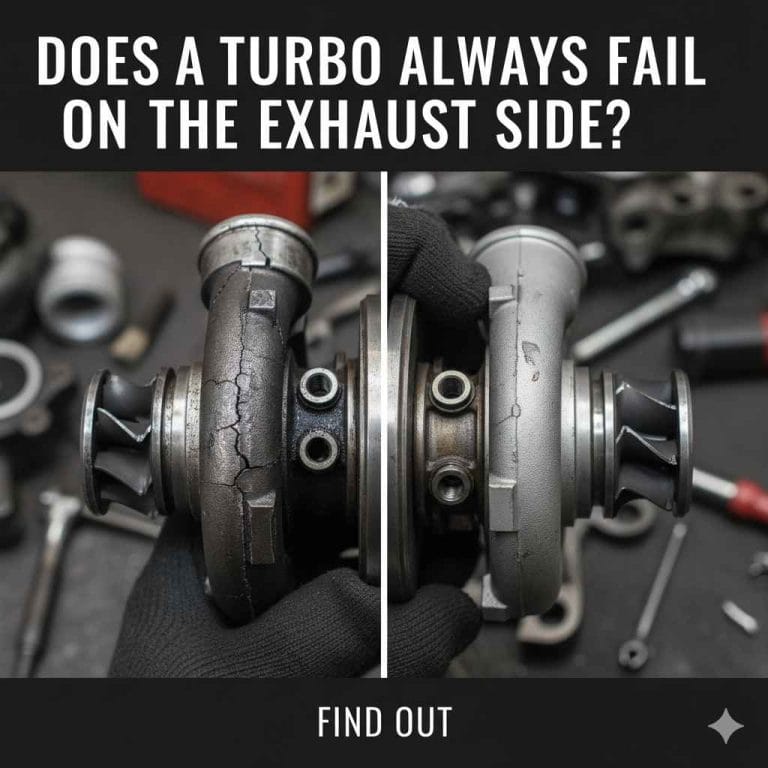
Turbocharger oil seals can also cause blue smoke, especially if the smoke appears after boost, under hard acceleration, or after a long idle followed by a burst of throttle. Oil may collect in the intercooler pipes, compressor housing, or exhaust side, depending on which seal is failing.
Turbo smoke can look a lot like ring smoke. The difference is often where the oil shows up: oily charge pipes, intercooler residue, and smoke that tracks boost more than cylinder compression point away from the rings.
What other symptoms support worn rings?
Excessive oil consumption is a major clue. If the engine needs oil between services or loses oil rapidly with no visible external leak, internal oil burning moves higher on the list. Worn rings can also reduce engine power and poor fuel economy may follow.
Oil consumption between services
Track oil level on the dipstick at the same temperature and on the same surface whenever possible. Rapid loss supports internal oil burning, especially if the smoke is blue or bluish-gray and becomes more obvious under load. A dry external underbody does not rule out ring wear, but it makes the loss more likely to be inside the engine.
A common first-timer mistake is assuming any blue puff from the tailpipe means the piston rings are worn out. External leaks still matter. If the block, pan, valve cover, or turbo feed lines are wet, fix those leaks first and then retest the smoke pattern.
Spark plug and crankcase pressure clues
Oil-fouled plugs, uneven plug coloring, and oily deposits on one or more cylinders point toward oil entry into the combustion chamber. Ring wear can also show up as pressure at the oil filler cap, a pushed-out dipstick, or crankcase vapors that feel stronger than normal.
These signs do not prove ring wear by themselves. They are the kind of support that makes ring damage more plausible when the smoke pattern already fits.
Tests that confirm ring wear
Compression testing and leak-down testing are the main checks that separate worn piston rings from other causes. A compression test can help determine whether worn internal components are responsible, and a leak-down test helps locate where the pressure loss is going.
Compression test interpretation
- Warm the engine if possible. A warm engine gives more consistent readings, unless the starting complaint is only present cold and the test plan calls for a cold comparison. Remove all spark plugs so the starter can spin the engine evenly.
- Record each cylinder. Crank each cylinder the same way and note the readings side by side. What matters most is the pattern: one low cylinder or several low cylinders with signs of oil burning point more toward internal wear than a simple ignition fault.
- Repeat with a wet test. Add a small amount of oil to the low cylinder and retest. If pressure rises meaningfully, the rings are a stronger suspect because the oil can help seal the ring gap temporarily.
A wet compression increase does not prove ring wear on its own, but it is a strong clue when paired with blue smoke, oil loss, and blow-by. If compression stays low and the wet test does not improve it, valve sealing or another internal problem may be involved.
Leak-down test interpretation
- Set the piston correctly. Put the cylinder at top dead center on the compression stroke so the air test is stable. If the piston is off position, the engine can rotate and confuse the reading.
- Listen for escaping air. Air heard at the oil filler points toward ring leakage; air at the intake points more toward intake valve leakage; air at the exhaust points more toward exhaust valve leakage. This is where the leak-down test helps separate ring wear from valve problems.
- Compare all cylinders. One leaky cylinder can be a local issue, while several cylinders with similar leakage can point toward broader engine wear. Pair the result with smoke timing and oil use before deciding on repairs.
If the leak-down test points to the crankcase and the engine also shows blue smoke under load, hard starting, and higher oil use, ring wear becomes the leading explanation.
When should you stop driving if the exhaust is smoking?
Stop driving if the smoke is persistent, thick, or getting worse, or if the engine is losing oil fast, misfiring, or running poorly. Persistent blue smoke is listed as needing inspection by an experienced professional, and continuing to drive can damage the catalyst, foul plugs, and worsen internal wear.
If the smoke is brief, only appears once, and the oil level stays steady, the vehicle may not need to be shut down immediately. But repeated smoke, a low oil warning, overheating, or loud mechanical noise means the car should be parked and inspected before more driving.
Frequently asked questions
How can you tell if exhaust smoke is from worn piston rings?
Look for blue or bluish-gray smoke that gets worse under acceleration or steady load, plus oil loss, low compression, rough idle, or hard starting. If a wet compression test raises pressure in the weak cylinder, worn piston rings move near the top of the list.
What color smoke do bad piston rings cause?
Bad piston rings usually cause blue or bluish-gray smoke because the engine is burning oil. The smoke may be light and intermittent at first, then become more persistent as wear increases and oil control gets worse.
How do you tell piston ring smoke from valve seals?
Valve stem seal smoke is often brief and tied to startup or after-idle puffing, while ring smoke usually gets worse under acceleration or load and comes with more oil use and lower compression. If the smoke clears quickly and the engine otherwise runs well, valve seals are more likely.
Will worn piston rings cause low compression?
Yes. Worn rings can allow pressure to escape past the piston, which lowers cylinder compression. That often shows up as hard starting, rough idle, misfires, reduced power, and a compression pattern that is weaker than the other cylinders.
Can worn piston rings cause excessive oil consumption?
Yes. Worn rings can let oil enter the combustion chamber, so the engine may need oil between services or lose oil quickly without a visible leak. Rapid oil loss is a strong clue that the engine is burning oil internally rather than simply leaking it externally.
Is blue gray smoke from the exhaust always oil burning?
No, but it usually points that way. Blue or bluish-gray smoke often means the engine is burning oil, yet the source can be worn rings, valve stem seals, a stuck or clogged PCV valve, or damaged turbocharger oil seals. Timing and supporting symptoms separate them.